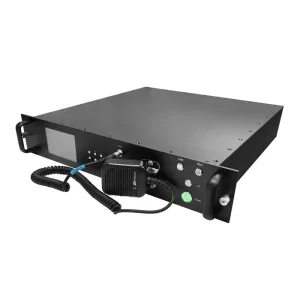
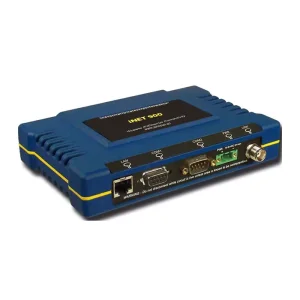
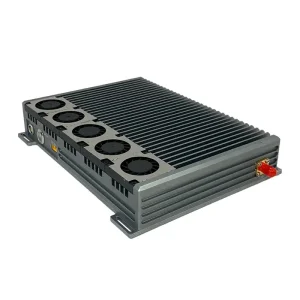
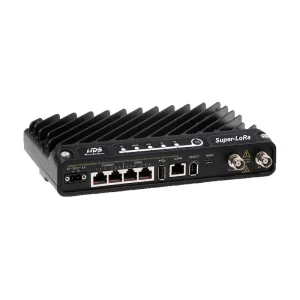
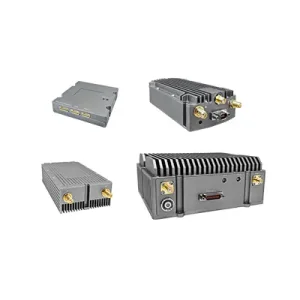
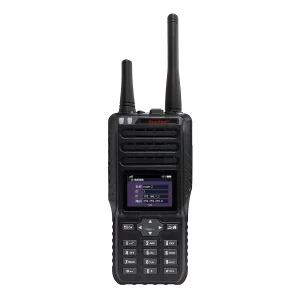
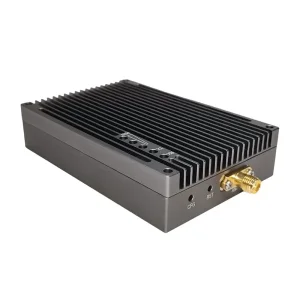
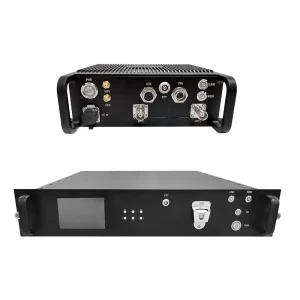
Explore our elite portfolio of high-bandwidth handheld mesh systems, ultra-long-range transceiver nodes, and OEM modular sub-assemblies for systems integrators.
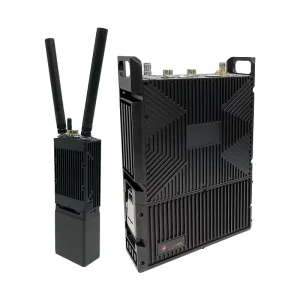
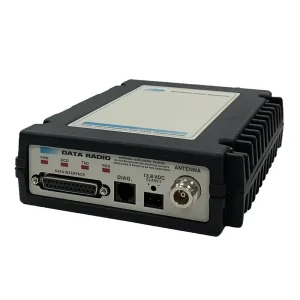
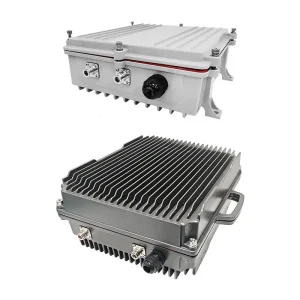
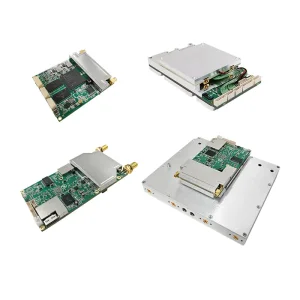
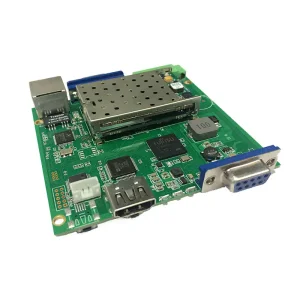
An authoritative analysis of the strategic transformation in decentralised mission-critical field communication.
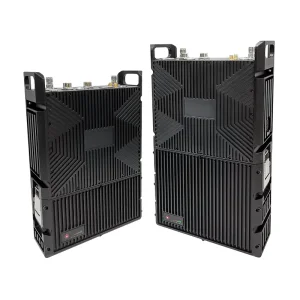
In modern commercial operations and security paradigms, traditional cellular infrastructure (4G LTE/5G NR) and standard point-to-point (P2P) wireless radios are frequently rendered obsolete by geological obstructions, system degradation, or total infrastructural absence. High-Quality Mesh Handheld Devices represent the leading edge of **Mobile Ad-Hoc Networks (MANET)**. Rather than depending on centralized cellular towers or satellite links, each handheld node operates as an active, self-routing transponder that automatically forwards data, voice, and high-definition video across complex operational environments.
This decentralized approach underpins critical sectors globally: underground mining galleries, heavy industrial refinery structures, deep maritime coordination, disaster response networks, and tactical border management. By constructing a localized peer-to-peer network topology, industrial users secure uninterrupted telemetry and voice paths. Shenzhen Huaxiasheng Technology Co., Ltd. has spent decades at the absolute forefront of this paradigm shift, engineering ruggedized nodes that continuously optimize data flow over fluctuating links.
Under Google's Search Quality Rater Guidelines, technology that affects critical operations must demonstrate exceptional *Reliability and Trustworthiness*. In harsh field environments, wireless hardware requires robust proof of engineering competence. With an operational lineage dating back to 1996, our system architectures are constructed on deep academic research and field-validated methodologies.
The global push towards industrial automation, paired with unmanned vehicle orchestration, requires high-throughput data pipes capable of penetrating reinforced concrete, deep rock strata, or dynamic metropolitan interference profiles. Industry analysts point to a rising demand for sub-100ms ultra-low latency configurations, integrated H.265 video codecs, and hardware-accelerated MIMO interfaces that operate seamlessly within unlicensed bands (such as 900MHz, 1.4GHz, and 2.4GHz).
Decoupling the modern architectural features powering next-generation mesh communication nodes.
Developing resilient handheld mesh transceivers requires mastering three key technical domains: **Modulation Protocols, Dynamic Routing Algorithms, and Hardware Integration**. The graphic table below details how our technological ecosystem achieves unmatched link performance compared to traditional solutions.
By splitting high-speed data across hundreds of orthogonal sub-carrier frequencies, Coded Orthogonal Frequency Division Multiplexing completely mitigates multipath fading and ensures robust **Non-Line-of-Sight (NLOS)** connectivity in dense metallic or concrete layouts.
Utilizing multiple antenna arrays for concurrent transmit and receive loops allows MIMOmesh products to capture reflected signals, transforming multipath interference into an operational advantage that doubles physical throughput.
Our AD-HOC networks run on low-overhead self-forming protocols. If a node moves behind an obstacle or drops off entirely, the network recalculates the most efficient alternative path in milliseconds without interrupting ongoing transmission.
Our continuous developmental trajectory highlights a persistent path towards miniature footprints, wider frequency agility, and integrated AI-driven cognitive radio options. These advances ensure that operators under intense operational pressure maintain voice, crystal-clear video, and tracking coordinate links even in environments highly saturated with electromagnetic interference.
Proven architectural applications transforming operations across demanding industrial and remote vertical markets.
Petrochemical refineries and offshore platforms are notoriously hostile to standard wireless links, with dense steel frameworks creating massive signal reflection. By deploying a robust combination of **MIMOmesh Stable Outdoor units** and **DDLmesh Handheld devices**, field technicians gain a self-healing wireless network spanning the entire plant. This ensures real-time IoT diagnostic data, multi-channel voice communication, and high-definition thermal imaging feeds are reliably routed back to central control centers.
Modern robotic deployments rely on robust, low-latency links to transmit real-time video telemetry and high-precision spatial coordinates. Our specialized **Low-Latency Network HD Video Codec Boards** are purpose-built to fit into size, weight, and power (SWaP) sensitive environments on unmanned vehicles. The integrated COFDM transceiver keeps control links locked in even across dense urban or deep mountain test ranges.
When natural disasters or earthquakes compromise municipal cell networks, rescue teams must deploy an instant communication infrastructure. Our **MESH Heterogeneous Internet Gateway Radios** act as strategic field bridges, establishing local coverage hotspots and routing voice, GPS tracking, and emergency data back to command centers using whatever active uplinks remain, including satellite terminals.
Geological exploration, modern roadworks, and automated agricultural machinery require continuous, centimeter-level positioning data. By utilizing our **Super LoRa Series** alongside high-performance digital data modules, operators can reliably transmit critical RTK correction feeds across vast distances. This ensures high-precision equipment operates uninterrupted without costly positioning dropouts.
Our solutions have been field-tested in complex engineering environments, including: deep metallurgic infrastructure routing, municipal heating/power system telemetry, dynamic street-light automation networks, and seismological research stations nationwide.
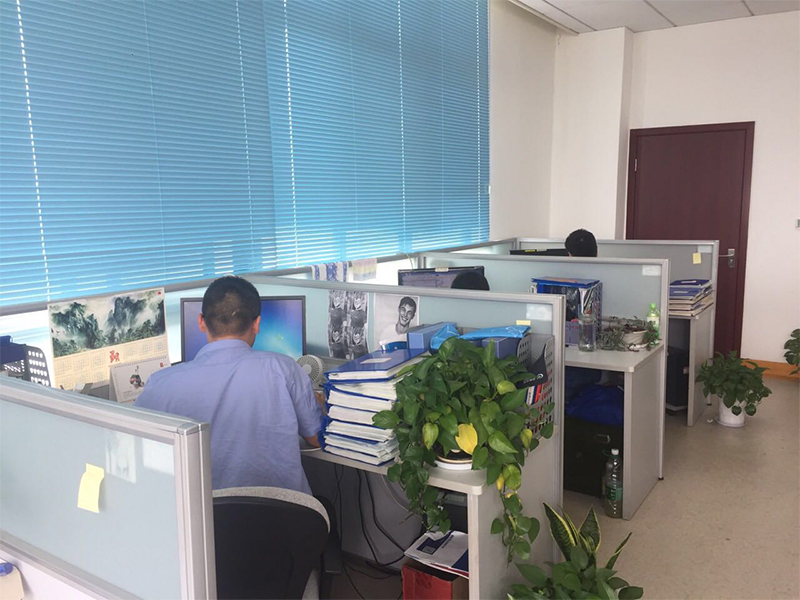
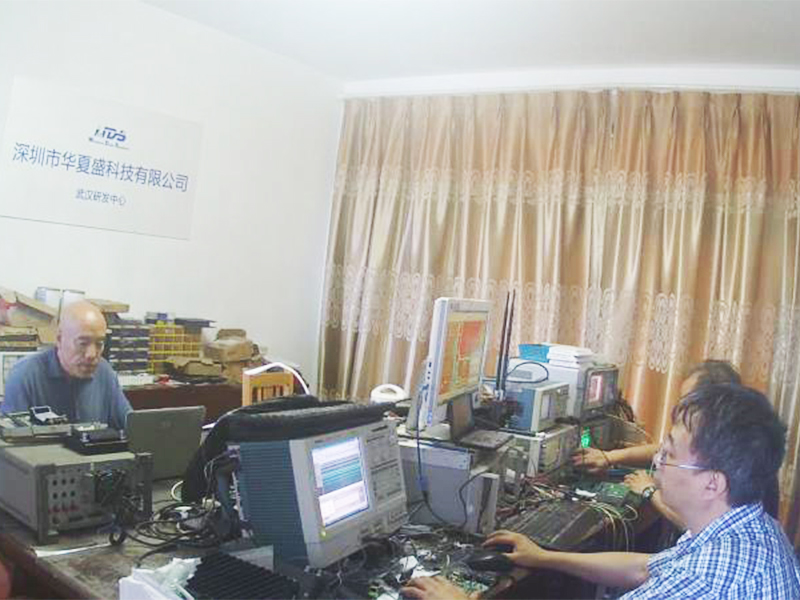
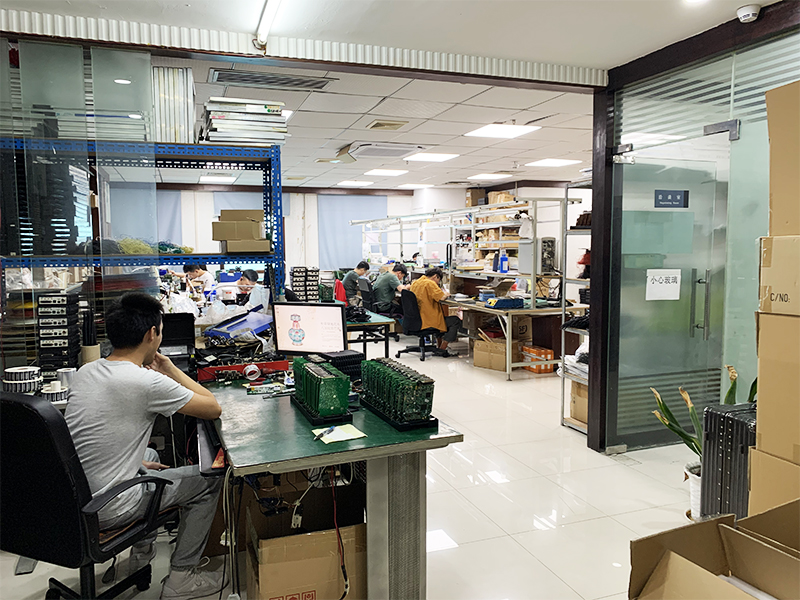
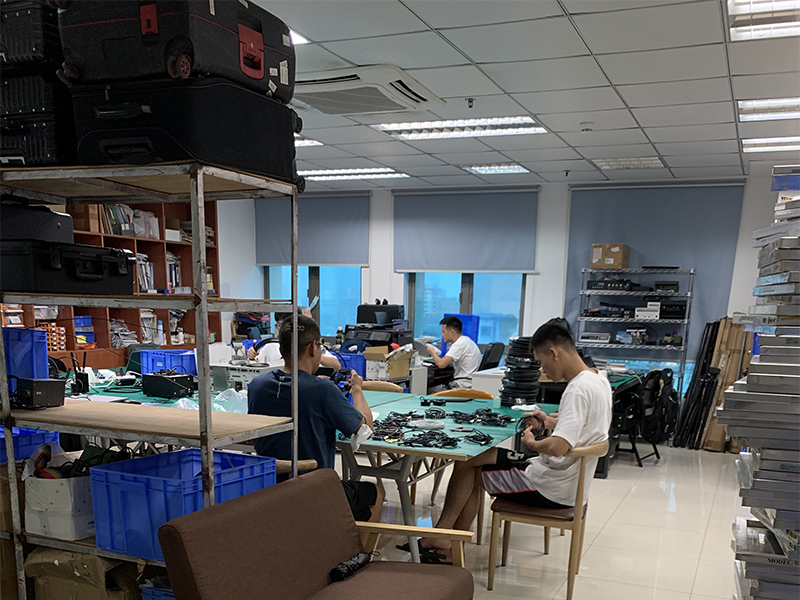
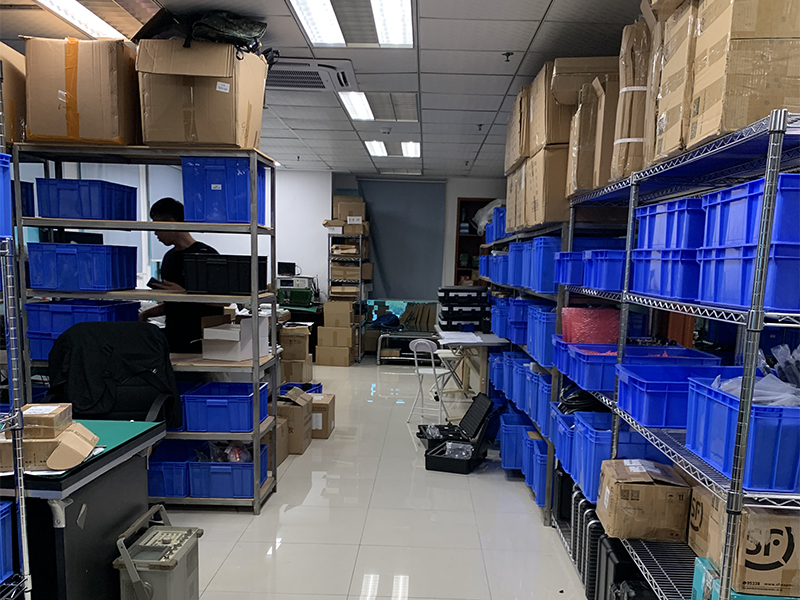
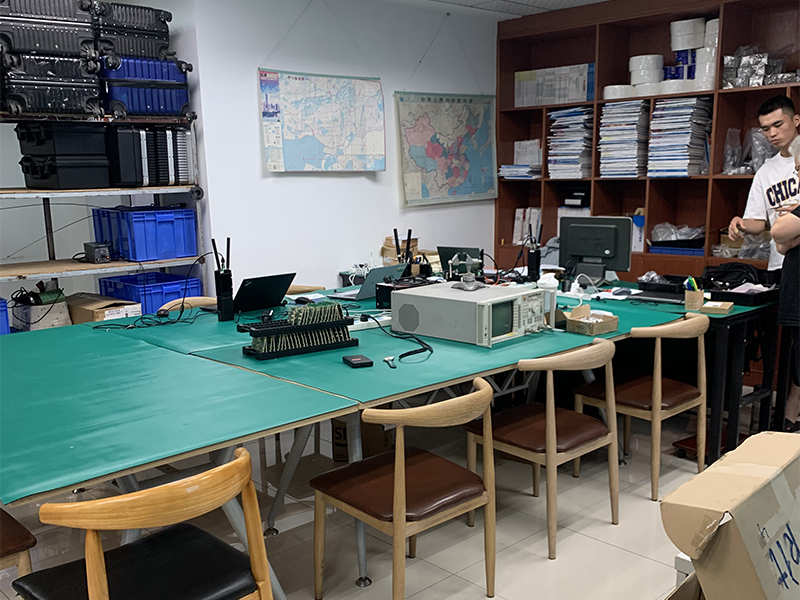
A Pioneering Heritage in Ruggedized Wireless RF Solutions Since 1996
Established in 1996, Shenzhen Huaxiasheng Technology Co., Ltd. has spent more than two and a half decades pioneering wireless data transmission design, advanced hardware applications, and complex network engineering. Leveraging the research expertise of premier universities and domestic institutes, we independently develop state-of-the-art wireless systems optimized for challenging real-world industrial environments.
Our expansive catalog includes advanced digital data transmission radios, intelligent modems, high-speed frequency-hopping transceivers, industrial wireless Ethernet bridges, high-definition image transmission modules, self-organizing MANET/AD-HOC nodes, GNSS/RTK wireless links, two-way RF power amplifiers, and multi-serial port converters.
By maintaining rigorous control over every stage of our design, component selection, and quality testing, we ensure that every system leaving our factory is fully optimized to protect operational continuity in high-risk industries, including petrochemical refining, water and electricity networks, automated transportation, railway monitoring, and drone control systems.
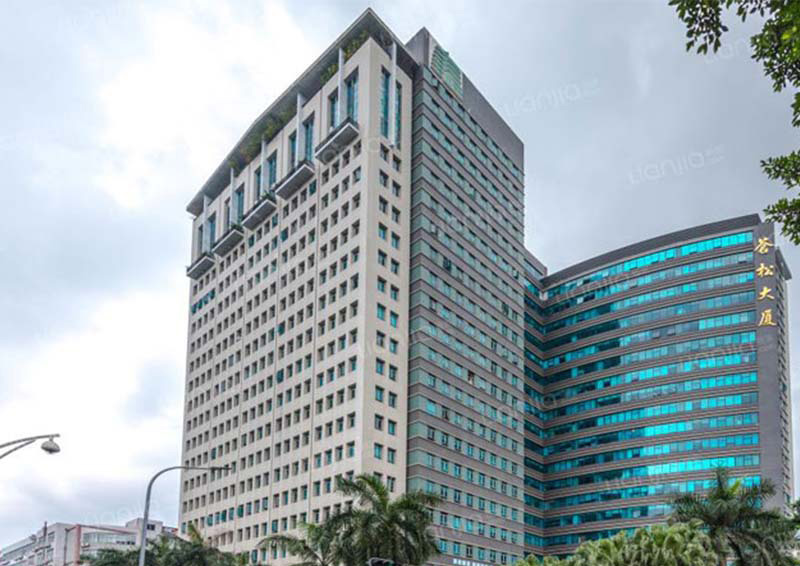
As a leading hardware developer in the MESH self-organizing network industry, we offer an expansive product portfolio characterized by long-range links, high data throughput, and exceptional anti-jamming performance.
Our commitment to excellence extends from comprehensive pre-sales system planning to active technical field support. We work closely with our partners to ensure all systems are deployed accurately, securely, and efficiently.
Our core mission is delivering advanced, reliable, and cost-effective wireless equipment. We continuously innovate to supply the industrial automation market with dependable, next-generation data links.
Clear, authoritative, and direct answers to key engineering questions on tactical mesh handheld transceivers.
Maximize your operational range and bandwidth with our field-proven airborne transceivers, tactical backpacks, and embedded OEM integration modules.
 Sinosun Tech