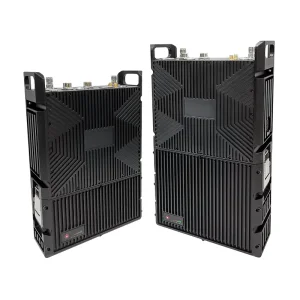
Premium OEM/ODM hardware modules, transceivers and mesh network controllers optimized for low-latency transmission.
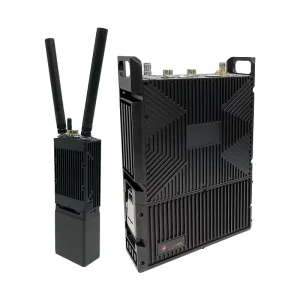
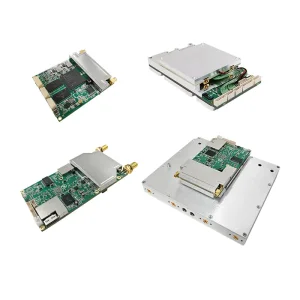
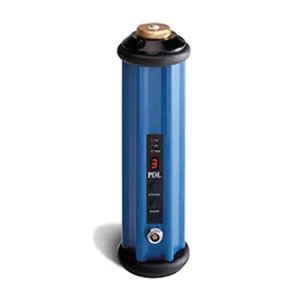
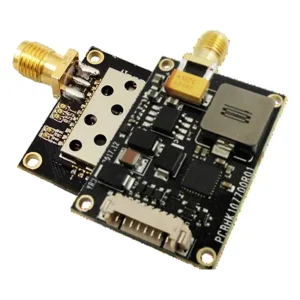
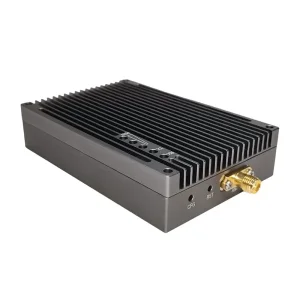
Evaluating physical challenges, infrastructure constraints, and architectural imperatives for critical systems.
The modern global paradigm of industrial automation has rapidly shifted from static, wired environments to highly dynamic, mobile, and modular architectures. Within this structural evolution, the role of an Industrial Automation Network Manufacturer has transitioned from supplying simple serial communication links to architecting complex, self-healing, multi-node wireless backbones. Key automation verticals—including hydrocarbon extraction, wide-area water telemetry, high-precision geo-mapping, and intelligent logistics—require continuous data flows. They also face unprecedented operational obstacles, such as severe multipath fading, electromagnetic interference, and long-range propagation constraints in isolated locations.
From an expert networking perspective, traditional point-to-point topologies are insufficient for highly modern industrial operations. Today’s industrial automation networks demand advanced communication protocols, including AD-HOC/MESH self-organizing capabilities, high-spectral-efficiency MIMO (Multiple-Input Multiple-Output) link modules, and ultra-rugged COFDM long-distance high-definition video and data transmitters. These architectures allow dynamic routing, where nodes seamlessly act as transmitters, receivers, and signal relays to adapt to geographical challenges.
Engineered to deliver exceptional reliability, high data throughput, and extended communication ranges.
Decentralized nodes dynamically form robust, self-healing multi-hop networks. Seamlessly manages peer communication, path optimization, and packet forwarding without centralized intervention, ensuring continuous uptime in dynamic and shifting field environments.
Utilizes multi-antenna spatial multiplexing to combat multipath degradation in heavy metallic or concrete environments. Multiplies data rate performance and ensures strong signals in complex offshore, urban, or dense factory architectures.
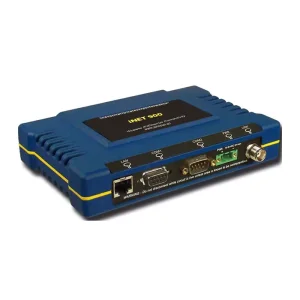
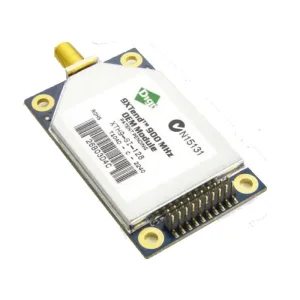
High-speed frequency-hopping spread spectrum (FHSS) prevents deliberate jamming and ambient signal interference. By cycling carrier waves rapidly across dozens of channels, telemetry streams stay secure and uninterrupted.
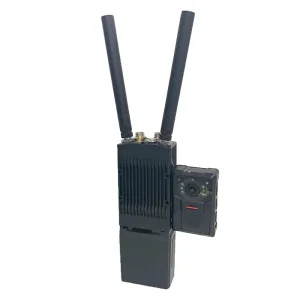
Coded Orthogonal Frequency Division Multiplexing enables real-time, non-line-of-sight (NLOS) high-definition video feeds. Ideal for remote robotics, search-and-rescue systems, and rapid drone reconnaissance missions.
Tailored high-performance wireless data links deliver millimeter and decimeter-level RTK positioning. Designed specifically for surveyors, precise geodetic mapping, high-speed rail, and automated agriculture vehicles.
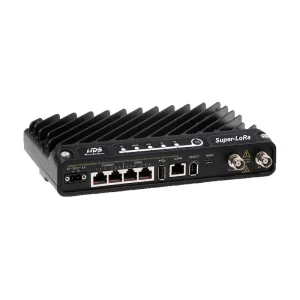
Extended-range sub-GHz platforms minimize path loss over vast distances. Engineered specifically for low-bandwidth sensor telemetry in utilities, remote oil fields, and decentralized metropolitan monitoring grids.
A heritage of engineering excellence, rigorous industrial standard validation, and world-class product development.
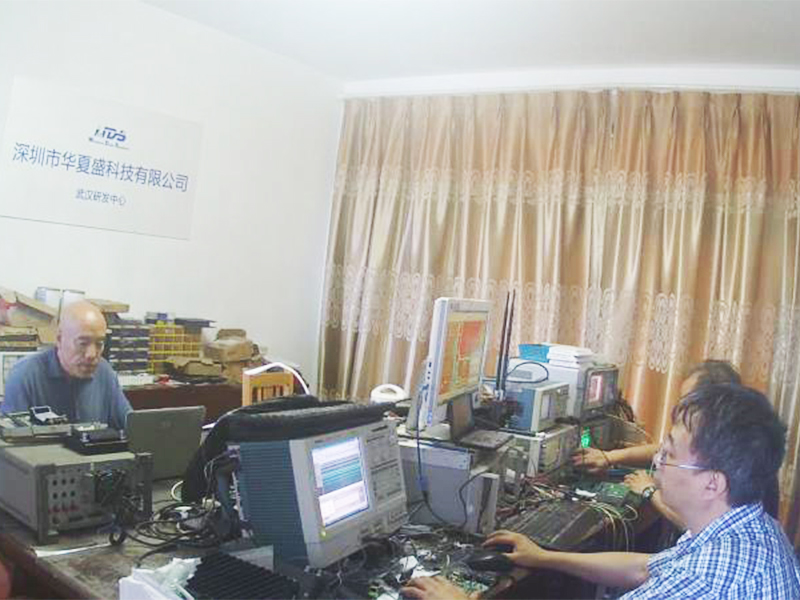
Established in 1996, Shenzhen Huaxiasheng Technology Co., Ltd. is a pioneer in wireless data transmission and industrial automation networking. For nearly three decades, we have designed and manufactured rugged, military-grade communication equipment, tailored for complex and high-stress environments. Our mission is to build highly reliable, high-performance, and reasonably priced wireless links that keep operations running smoothly, regardless of geography or interference.
By pairing in-house RF engineering with the specialized research of elite domestic academic universities and science institutes, we continuously integrate emerging technology into practical industrial systems. This enables us to provide robust solutions that balance cost with high performance.
From pre-sales RF network design and field path calculations to installation and life-cycle technical support, we help customers deploy systems with confidence. Our products are designed for secure, long-range operation in challenging conditions worldwide.
A wide range of wireless MESH, MIMO, and FHSS products built for high throughput and long-range resilience.
Complete pre-sales consulting and post-purchase engineering support to keep your systems running safely.
Dedicated to delivering reliable, cost-effective wireless telemetry for the future of industrial automation.
How Shenzhen's high-tech manufacturing cluster delivers value, speed, and premium reliability.
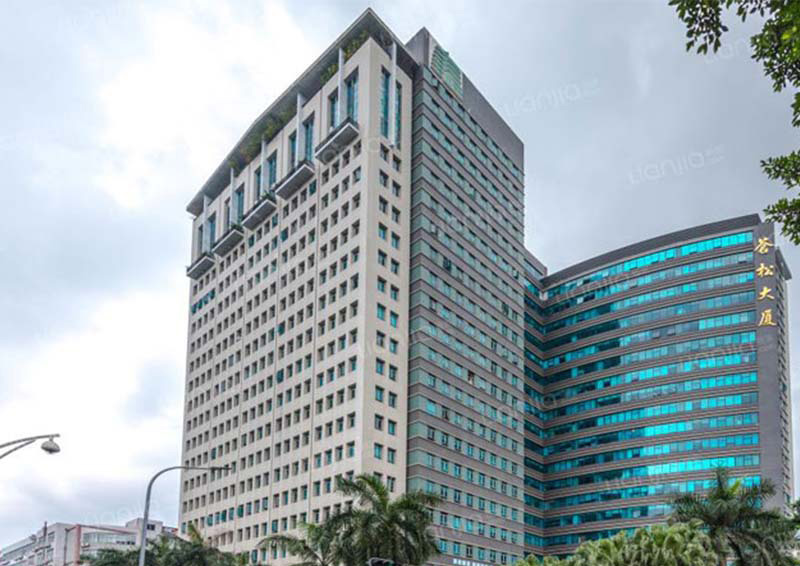
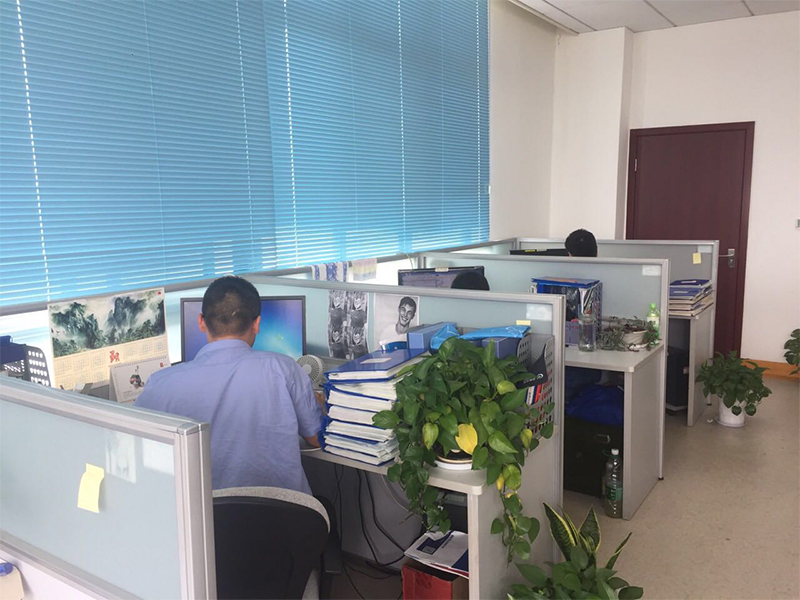
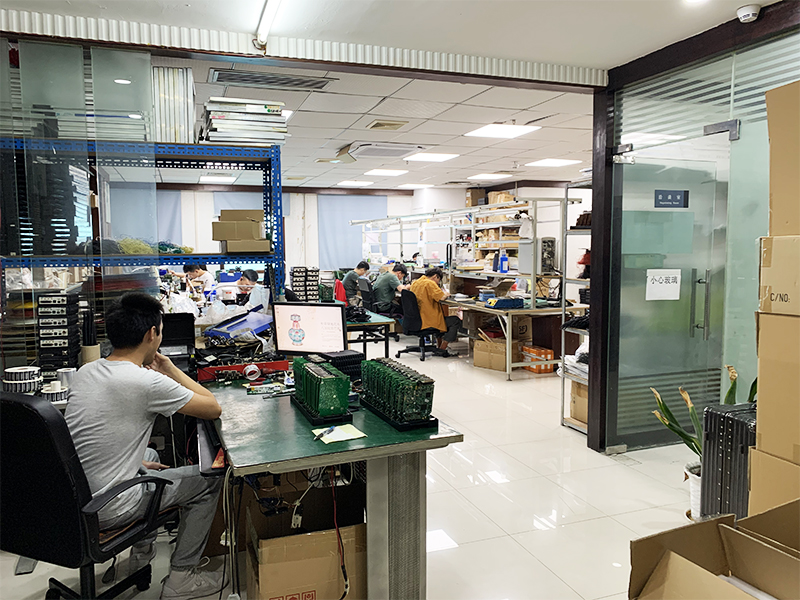
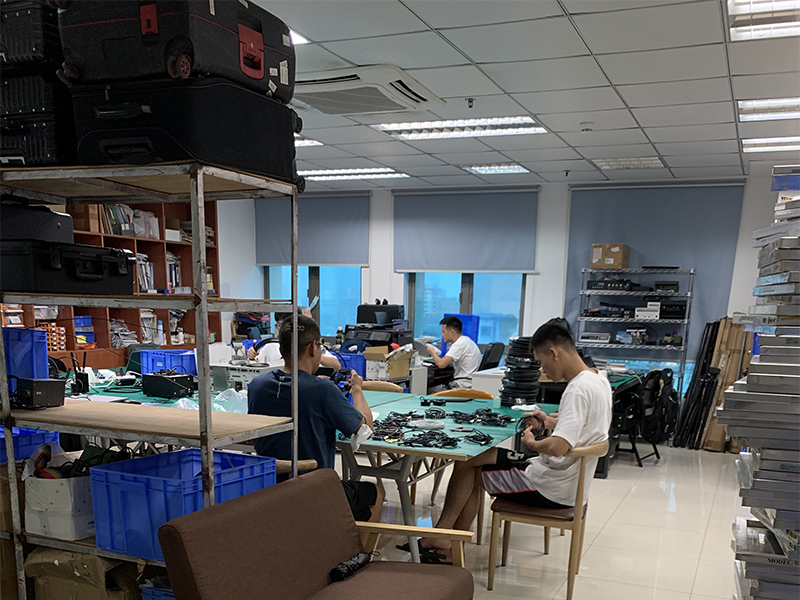
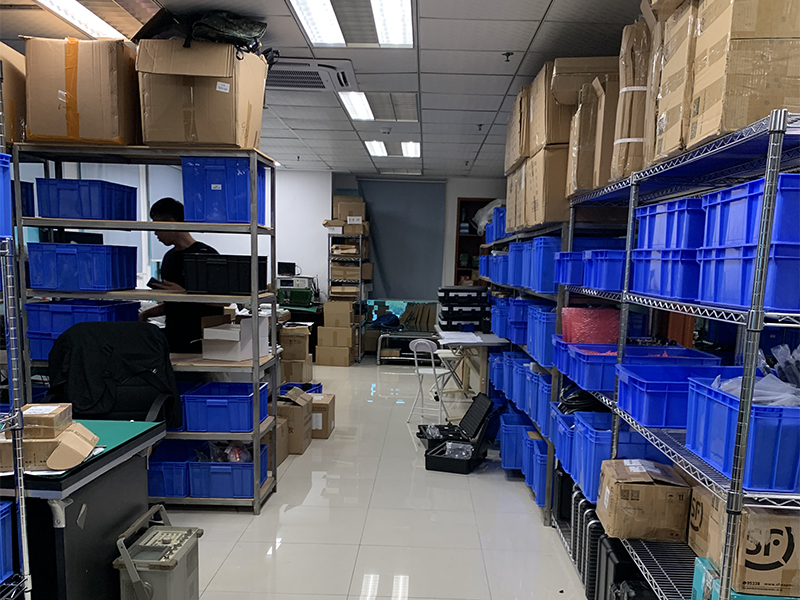
Sourcing high-performance telemetry equipment from Shenzhen, China, provides unmatched structural advantages for global projects. As the world's leading hub for hardware innovation, Shenzhen offers a fast, tightly integrated, and cost-effective electronics supply chain. This ecosystem allows Shenzhen Huaxiasheng Technology Co., Ltd. to accelerate prototype cycles, customize designs quickly, and easily source specialized components.
Key advantages of our Shenzhen-based production facility include:
Proven reliability across a wide range of challenging and remote environments.
Our industrial wireless networks and telemetry links are engineered to perform in the toughest settings. Key applications include:
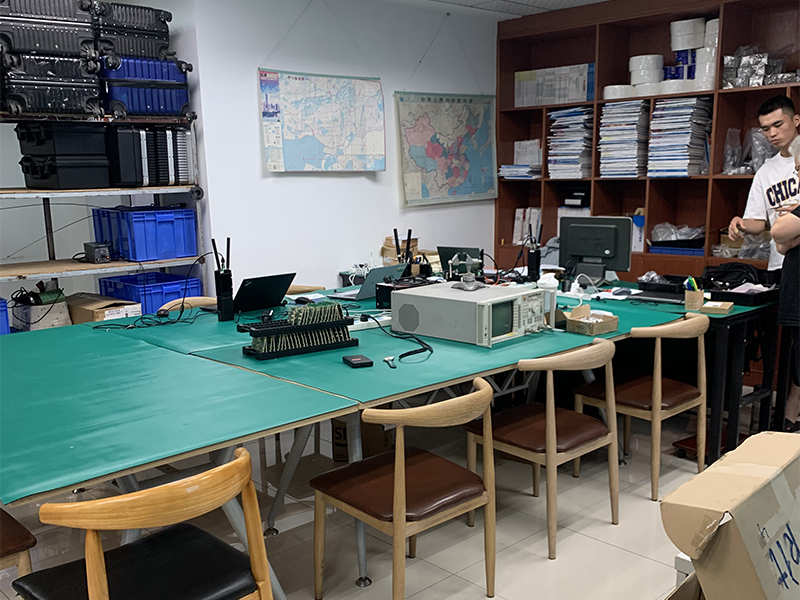
Core evaluation points for engineering teams and procurement specialists selecting RF hardware.
For system integrators and electrical engineers, selecting the right industrial wireless platform involves evaluating more than just nominal range. To ensure robust performance, key parameters must be prioritized during procurement:
The convergence of Edge AI, Multi-Band Hybrid Links, and Next-Generation Spectrum Management.
The industrial landscape continues to evolve, driven by the emergence of Industry 5.0 and automated systems. Key technological trends shaping the future of industrial wireless include:
Direct answers from our expert engineering and design department.
Point-to-Point (P2P) systems establish a direct, single-hop connection between two terminals. If that link is blocked by geographical terrain or physical structures, the link fails completely. In contrast, AD-HOC / MESH self-organizing networks use multiple interconnected nodes that automatically route data through the best available path. If a path is blocked or a node drops out, the system instantly self-heals and reroutes packets through other nodes, maintaining connectivity over complex topography.
MIMO (Multiple-Input Multiple-Output) technology uses multiple antennas to transmit and receive multiple data streams simultaneously. In metal-dense industrial environments, wireless signals reflect off surfaces and create multipath fading. MIMO processes these reflections to combine signals constructively rather than destructively. This increases data rates, improves link stability, and keeps connections reliable without requiring extra transmission power.
FHSS rapidly changes the carrier frequency of the transmission across a wide spectrum in a pattern known only to the transmitter and receiver. This makes the signal highly resistant to interference and deliberate jamming. If noise disrupts a single frequency, the system resends the lost packet on the next hop frequency, keeping communication reliable in environments with heavy electrical noise.
We offer extensive customizations, including frequency bands (e.g., 340MHz, 900MHz, 1.4GHz, 2.4GHz, 5.8GHz), output power levels, dynamic physical interface types (Serial TTL/RS232/RS485, RJ45 Ethernet, USB), and customized compact form factors. We also offer custom software integration for proprietary routing and encryption protocols to meet specific client needs.
Rugged, field-proven devices designed for long-range performance, high throughput, and demanding environmental conditions.
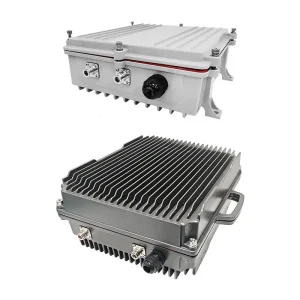
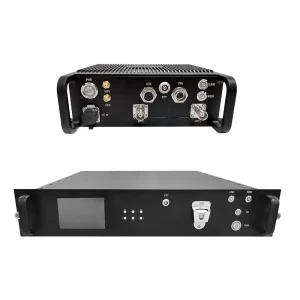
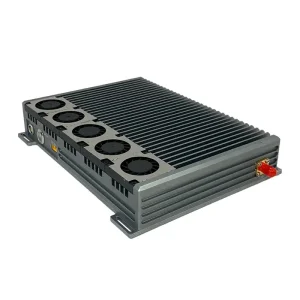
 Sinosun Tech