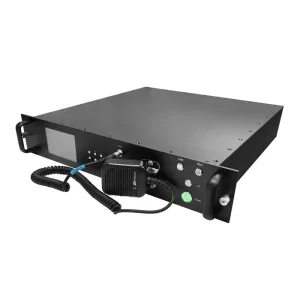
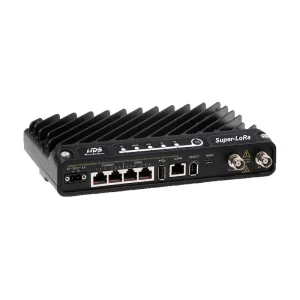
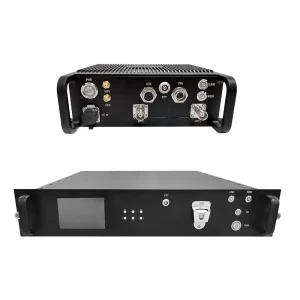
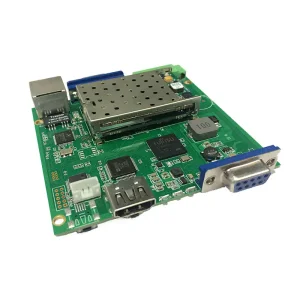
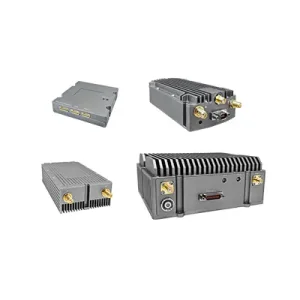
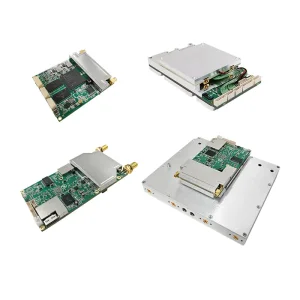
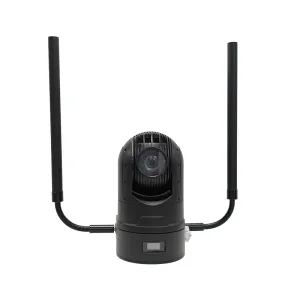
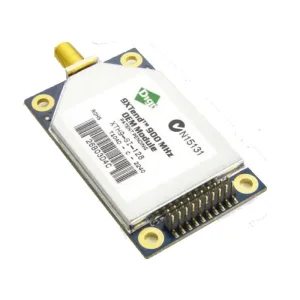
In the current era of rapid industrial digitization, custom digital video transmission has transitioned from a specialized niche to the backbone of operational intelligence. Whether for unmanned systems (UAVs/UGVs), industrial process control, or remote surveillance in harsh environments, the demand for stable, low-latency, and high-fidelity video transmission is unprecedented.
As global leaders in MESH self-organizing network technology, we recognize that raw hardware is only the starting point. Information gain in this sector is derived from system integration efficiency. Our design philosophy centers on solving the "last mile" connectivity issues in non-line-of-sight (NLOS) environments, leveraging advanced RF modulation and intelligent codec compression.
The global landscape for digital video transmission is currently dominated by two primary challenges: Spectrum Congestion and Latency Jitter. Industry players are moving away from traditional single-hop point-to-point links toward decentralized MESH architectures. By deploying intelligent nodes that act as both transmitters and repeaters, modern industrial sites can maintain consistent video streams even in dynamic, moving topologies.
Our solutions span multiple critical verticals: oil and gas pipelines, automated mining operations, smart city infrastructure, and search-and-rescue robotics. The strategic integration of DDLmesh and MIMOmesh technology allows these sectors to move beyond mere "transmission" to "real-time actionable data acquisition."
Looking ahead, the roadmap for digital video transmission involves three pillars:
Since 1996, we have focused on the service industry of wireless data transmission. By relying on the academic strength of domestic research institutes and our own in-house R&D, we bridge the gap between complex research and practical industrial application. We are not just manufacturers; we are your engineering partners in the MESH self-organizing network industry.
Our commitment is defined by: Producer-level R&D (Advanced performance, anti-interference), Service-first culture (Pre-sales consulting and post-sales technical support), and Purpose-driven innovation (Ensuring factory control automation with reliable, cost-effective gear).
Navigating the global regulatory landscape is critical for successful deployment. Digital video transmission hardware must adhere to varying regional frequency allocations (e.g., FCC in North America, CE/ETSI in Europe, SRRC in China). We offer:
A: MESH topologies provide self-healing capabilities. If one node is obstructed or fails, the network automatically reroutes data, ensuring continuous video transmission—essential for mobile assets like robots and UAVs.
A: Our low-latency video codec boards are engineered specifically for <50ms end-to-end latency, utilizing proprietary compression algorithms that prioritize packet integrity without the overhead of heavy-duty buffering.
A: Yes. With nearly three decades of experience, we specialize in adapting our radio modules into custom housings, varying everything from antenna interfaces to power input requirements for specific factory automation equipment.
 Sinosun Tech