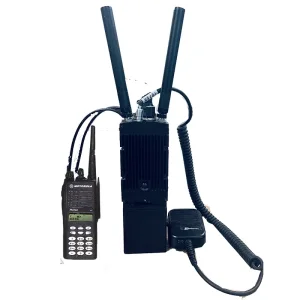
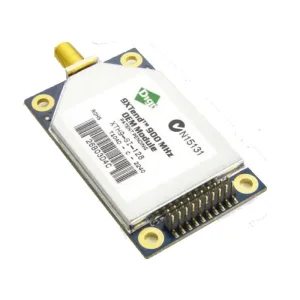
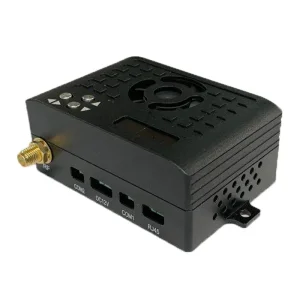
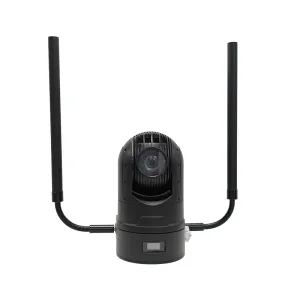
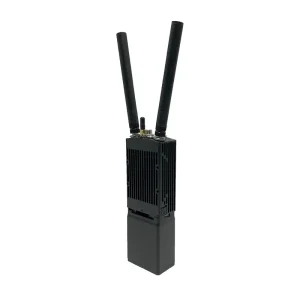
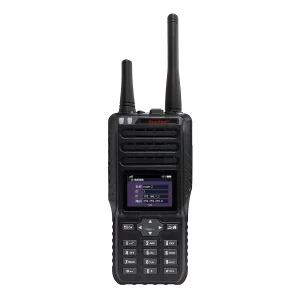
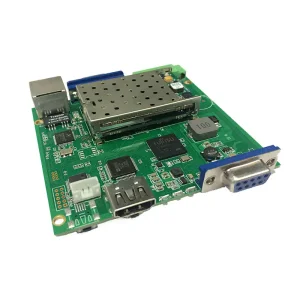
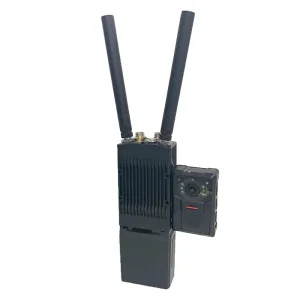
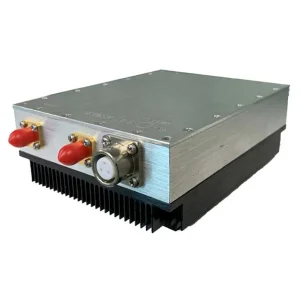
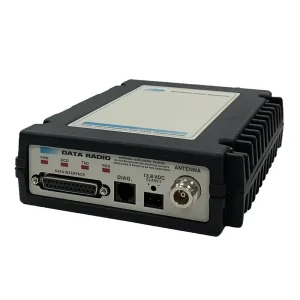
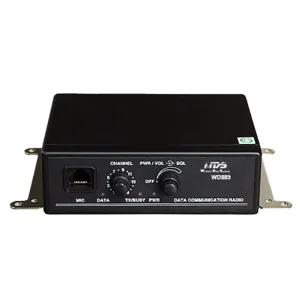
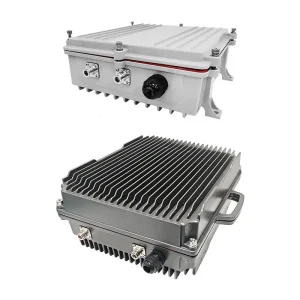
Pioneering standard-setting industrial wireless telemetry, ad-hoc MESH systems, and multi-channel data modems optimized for long-range, high-reliability deployment.
The paradigm of modern industrial telematics and automation demands radical architecture shifts. Standard commercial wireless technologies—such as baseline consumer cellular or typical short-range Wi-Fi—fail catastrophically when subjected to the high-mobility, dynamically changing, and radio-restrictive environments of heavy industrial operations. This is where Custom Vehicle IoT Links, specifically developed on self-forming and self-healing MANET (Mobile Ad-Hoc Network) architectures, step in. By eliminating the structural reliance on static cellular base stations, industrial vehicles, drones, and autonomous maritime vessels can establish transient, resilient, and highly secure communication chains.
Our proprietary MIMOmesh technology leverages Multiple-Input Multiple-Output antenna systems. In traditional radio settings, multi-path fading due to reflection off metallic, rock, or concrete structures causes devastating packet loss. In contrast, MIMOmesh harnesses these multi-path reflections constructively. By using specialized signal-processing algorithms and spatial multiplexing, our devices increase capacity, range, and operational robustness, offering sustained gigabit-level capabilities over distances where non-MIMO systems experience total dropouts.
Furthermore, the implementation of broadband and narrowband convergence is essential. Low-frequency narrowband links provide extremely robust telemetry fallback networks over tens of kilometers, while high-frequency broadband MESH networks deliver dense high-definition video feeds, RTK differential correction telemetry, and complex edge processing sensor data in real-time. This dual-link redundant paradigm ensures continuous vehicle manageability, regardless of geographical limits or electronic jamming challenges.
Technical Insight: Unlike standard static hub-and-spoke networks, our MESH topologies employ real-time dynamic routing protocols. If a single relay point (such as a drone or a lead autonomous mining truck) is obscured or disabled, the network instantly recalculates the optical and RF path through alternative nodes in less than 50 milliseconds, ensuring zero packet loss for safety-critical control loops.
To understand the profound real-world value of a bespoke Vehicle IoT Link, one must examine its performance across specialized local and field operations:
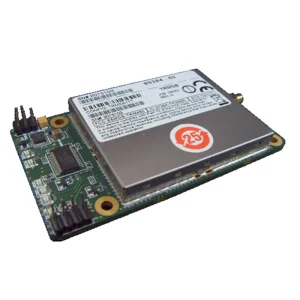
In deep open-pit or underground mines, geographic barriers block standard cellular signals. Our custom data radios, including the high-speed frequency-hopping FGR2/NANO series, establish localized wireless MESH networks across heavy autonomous machinery, ensuring real-time tele-operation and continuous telemetry data transmission under high electromagnetic interference.
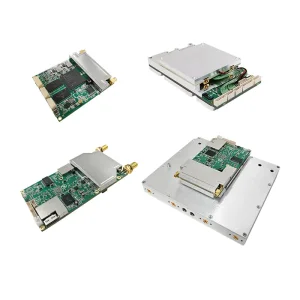
Autonomous container carriers, harbor tugboats, and unmanned surface vessels require continuous, high-bandwidth communication to avoid collisions. Using MIMOmesh broadband systems and low-latency HD video codec boards, port operators can securely stream multi-channel sensor arrays and HD surveillance videos from ship to shore.
In modern security, agricultural mapping, and disaster response, multiple unmanned aerial vehicles (UAVs) must operate collaboratively. Our pMDDL series of ultra-lightweight wireless digital data links provides micro-sized hardware footprints with high throughput to run synchronized swarm operations and high-precision RTK spatial mapping.
Beyond these specialized scenarios, localized municipal operations benefit immensely. Fleet management systems in smart cities utilize our integrated serial network modems to communicate with salt-spreaders, emergency response units, and localized power grids. By incorporating dual-frequency capabilities, these public service vehicles seamlessly drop back onto low-speed LoRa frequencies when navigating urban canyons, ensuring zero blind spots for dispatcher coordination.
The future of Vehicle IoT wireless networks is rapidly shifting toward higher integration, cognitive spectrum management, and intelligence at the hardware layer. Our structural roadmap highlights three major evolutionary directions:
Industrial environments are increasingly saturated with radio signals, leading to congestion. Future links will feature deep AI-enabled physical layer protocols. Instead of pre-configured static frequency ranges, the radio modules autonomously detect spectral noise signatures and dynamically hop across thousands of channels per second, avoiding localized noise sources. Our next-generation FGR2 and pMDDL modules will embed dynamic cognitive sensing, allowing them to coexist seamlessly in bands crowded by generic Wi-Fi and Bluetooth.
Historically, data links and video codec boards operated as separate subsystems, creating hardware weight and latency overheads. Our product progression directly integrates high-definition H.265 compression systems onto the RF transmission board. This unified design minimizes the data path down to sub-frame latencies (less than 10 milliseconds from camera sensor to ground control display), providing remote operators with natural real-time feedback for control loops of fast-moving platforms.
We are actively developing bridging systems that connect local ad-hoc MESH fields to global satellite constellations (LEO satellites like Starlink). When local vehicles move outside the coverage zone of terrestrial gateways, our primary nodes automatically function as dynamic satellite-uplink terminals, guaranteeing global accessibility.
About Shenzhen Huaxiasheng Technology Co., Ltd.
Shenzhen Huaxiasheng Technology Co., Ltd. has been engaged in the service industry of wireless data transmission product development, application, and network engineering since 1996. Over the past decades, the company has independently developed wireless data transmission equipment based on the world's leading technology in the wireless data transmission equipment industry, according to the application characteristics of different fields, and relying on the strength of famous domestic universities and research institutes.
At present, Huaxiasheng develops and produces the most advanced digital data transmission radio, intelligent data transmission radio, digital data module, high-speed frequency hopping radio, industrial wireless Ethernet, network high-definition image transmission radio/module, AD-HOC/MESH self-organizing network, GNSS/RTK wireless data link, industrial wireless remote I/O, handheld mobile data transmission voice transceiver, two-way RF power amplifier, voice codec, multi-serial port composite connection, and point-to-multipoint address coding modules.
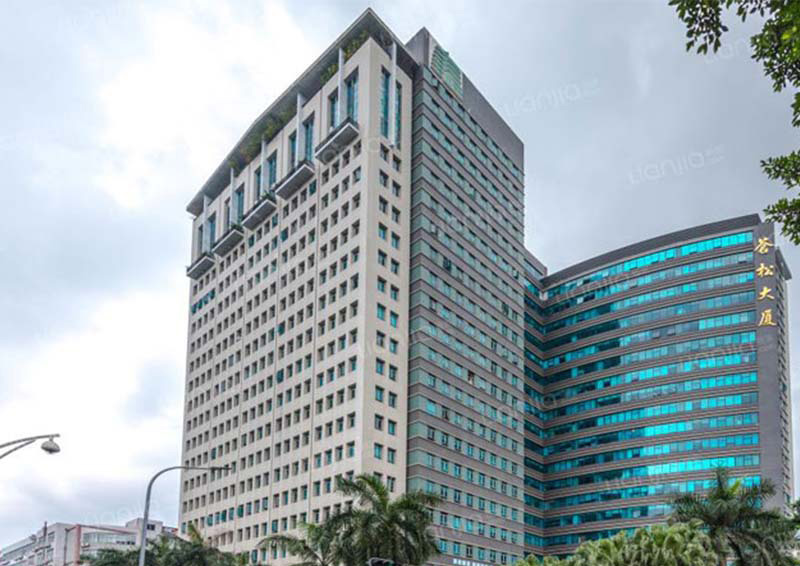
Shenzhen Huaxiasheng Technology Co., Ltd. is a top communication equipment product development and production provider in the MESH self-organizing network industry, with rich product varieties, leading performance, long transmission distance, high transmission rate, and strong anti-interference ability.
We not only have advantages in hardware design but also provide the best pre-sales and after-sales service in the industry. We are dedicated to providing high-quality support to every customer, ensuring that deployment is seamless, safe, and optimally aligned to your operational needs.
Providing high-quality, reasonably priced products and professional, perfect services is the basis for us to become an industry leader. The spirit of active pioneering and innovation is the driving force of our continuous development, delivering reliable control solutions for automated industrial networks.
The cornerstone of Huaxiasheng’s global leadership lies within our high-tech Chinese manufacturing facility. Operating in Shenzhen, the global epicentre of hardware innovation, our factory combines rapid agile prototyping with rigorous, institutional industrial scaling. This geographical positioning gives us an unparalleled logistical advantage: we can procure, custom-engineer, assemble, and test advanced RF components faster than any Western counterpart.
Our factory resilience is built upon several critical operational paradigms:
As a global exporter of mission-critical communication links, Huaxiasheng recognizes that legal compliance and local support networks are vital to global industrial companies. Our hardware lines comply with international spectral regulations:
FCC & CE Compliance: Our designs adhere to Federal Communications Commission (FCC) and European Conformity (CE) requirements, with strict emission controls to prevent unwanted harmonics and interference. By deploying certified modules, system integrators avoid regulatory risks in complex foreign jurisdictions.
Advanced Data Encryption Standards: Securing wireless networks against external interception is paramount. Our modern wireless links feature high-performance hardware-accelerated AES-128 and AES-256 link-encryption protocols. Security keys are generated, stored, and rotated securely within dedicated crypto-chips, preventing physical or electronic tampering.
Direct view into Shenzhen Huaxiasheng's advanced manufacturing processes, RF testing laboratory, and precision engineering blocks.
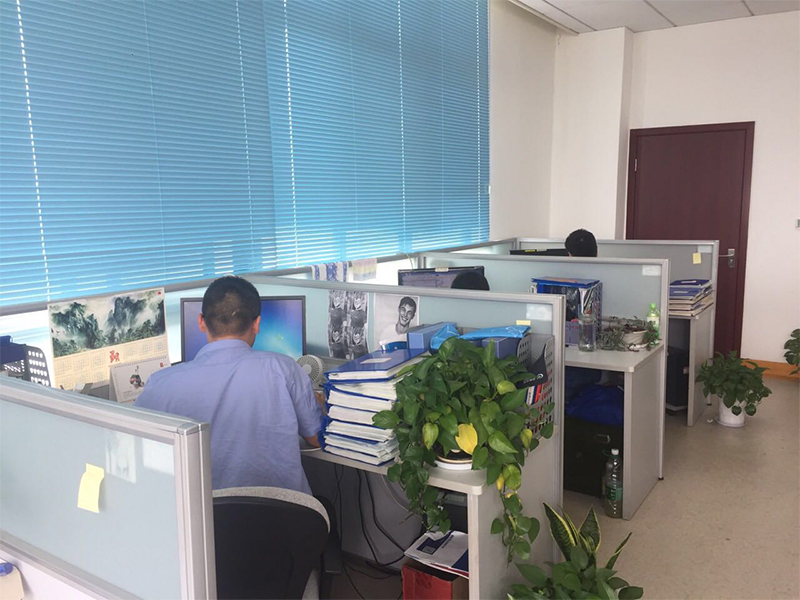
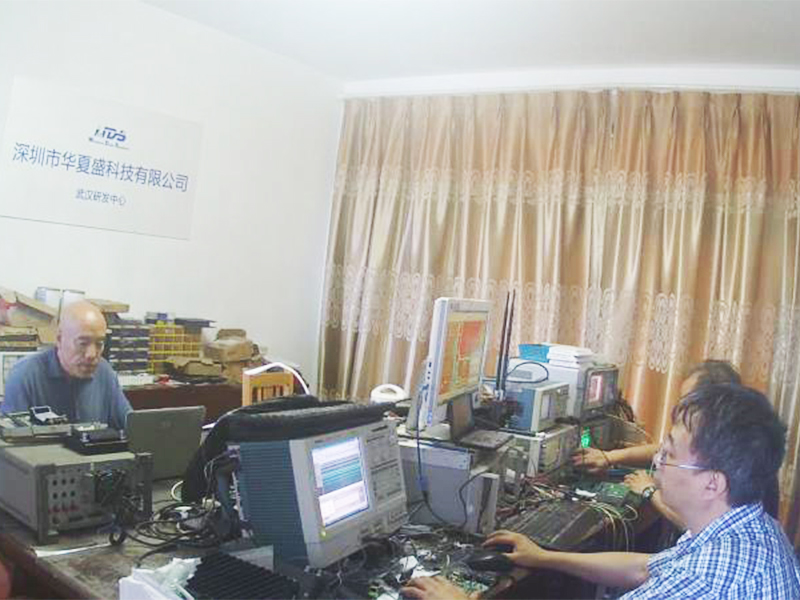
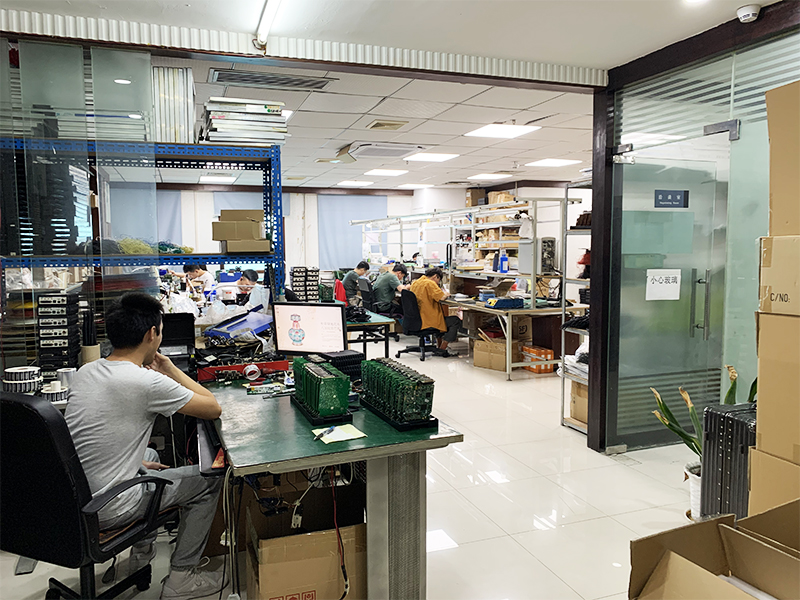
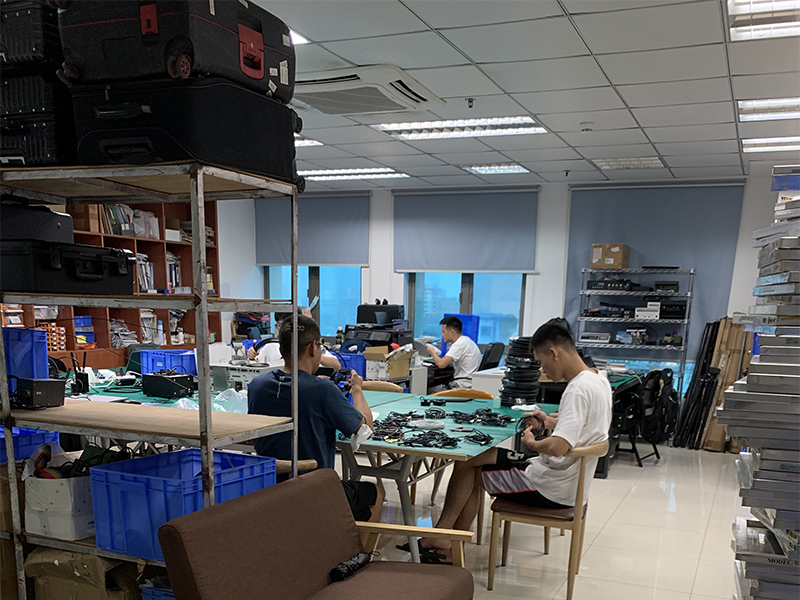
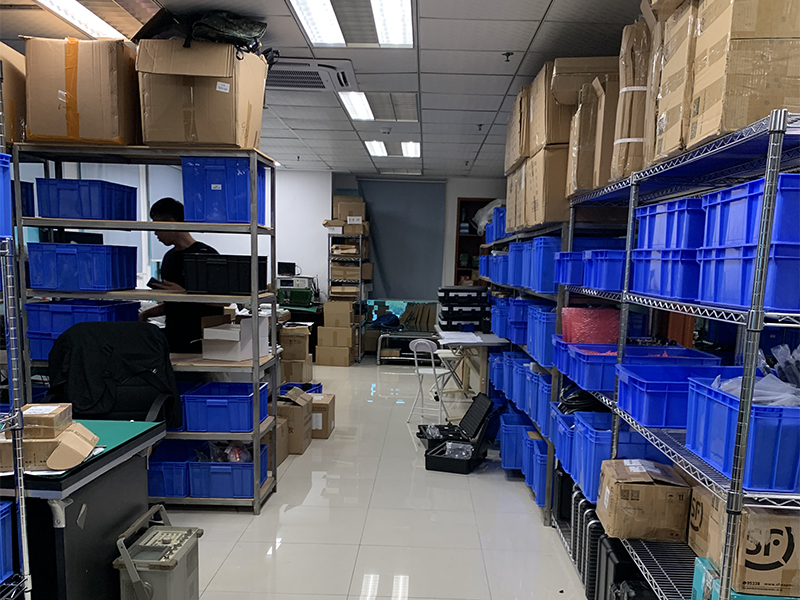
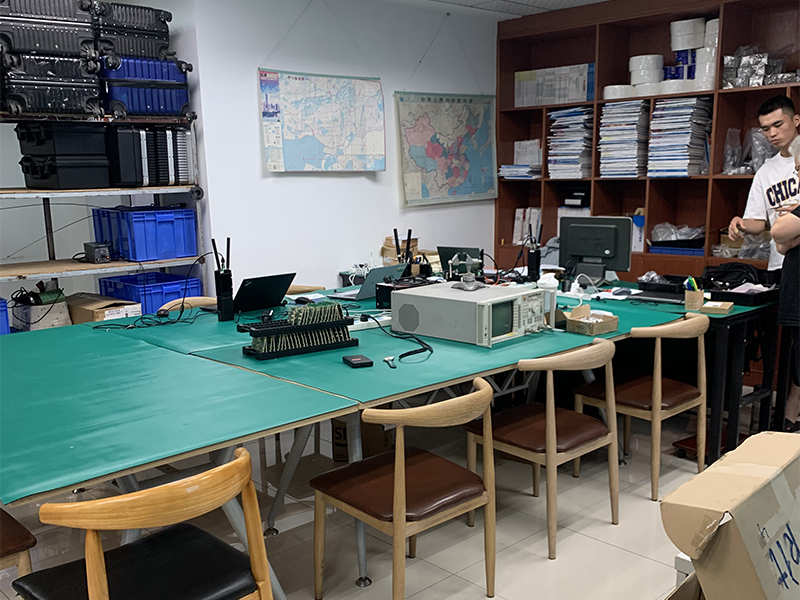
Exploring advanced technical concepts and design decisions behind industrial-grade wireless vehicle IoT links.
Explore our robust handheld series, bidirectional power amplifiers, and specialized digital data modems developed for harsh environment operation.
 Sinosun Tech