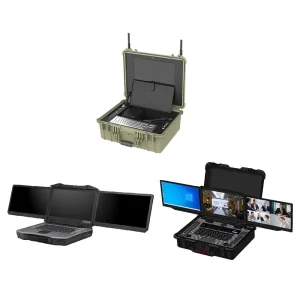
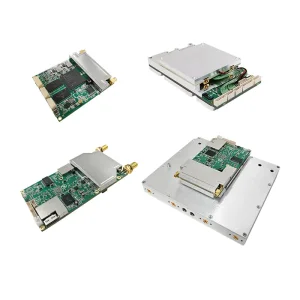
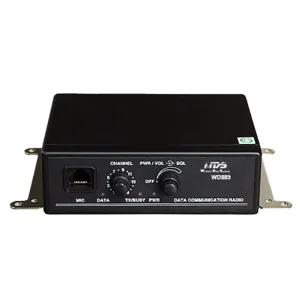
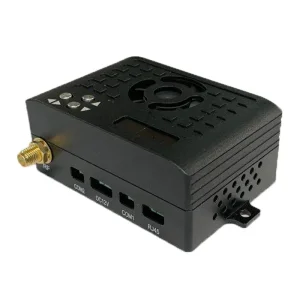
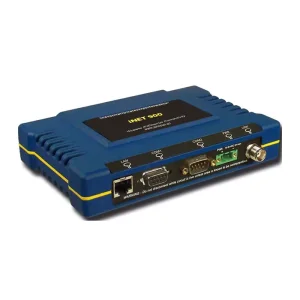
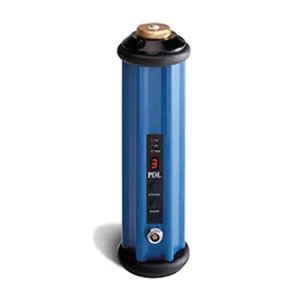
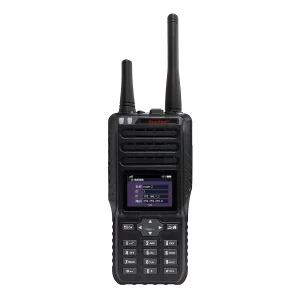
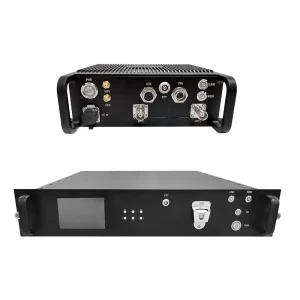
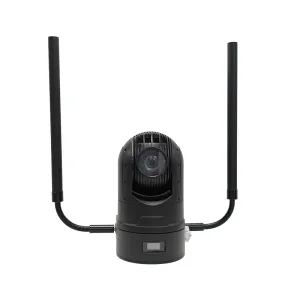
Explore our premium grade high-speed digital radios, COFDM long distance transceivers, and ruggedized command boxes designed to operate seamlessly in hostile environments.
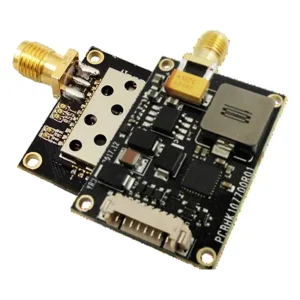
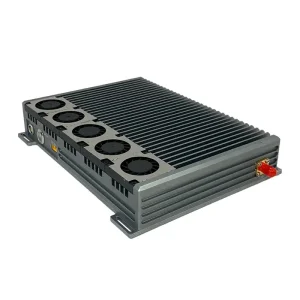
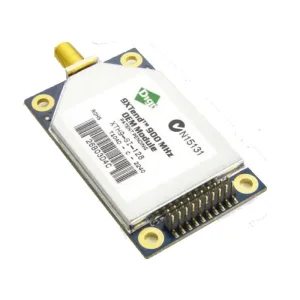
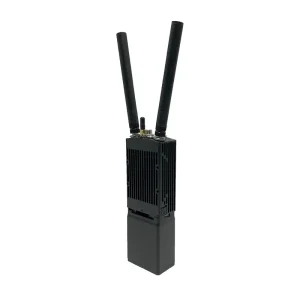
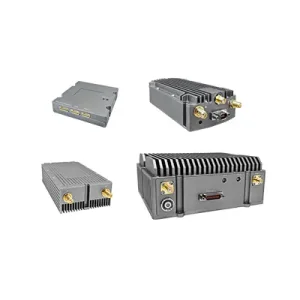
In modern operational environments, relying on fixed communication infrastructures (like 4G/5G base stations or satellite uplinks) exposes networks to critical vulnerabilities. Whether it is an unexpected natural disaster, a heavy-duty industrial plant layout, or a remote military/UAV tactical mapping mission, communication needs to remain persistent, agile, and resilient. This is the domain of MANET (Mobile Ad-Hoc Networks), powered by advanced software-defined radios like the Nbmesh Series.
Unlike standard hub-and-spoke wireless topologies, a MANET network operates peer-to-peer. Every node acts as an intelligent router, forwarding data packet streams to neighboring units dynamically. This "self-forming and self-healing" protocol eliminates single points of failure. When one unit moves out of range, the network recalculates routing pathways in milliseconds, ensuring uninterrupted video links, telemetry feeds, and voice communications.
Our flagship Nbmesh Series incorporates Coded Orthogonal Frequency Division Multiplexing (COFDM) and Multiple-Input Multiple-Output (MIMO) technology. This delivers unprecedented physical link robustness even in challenging Non-Line-of-Sight (NLOS) urban or dense foliage areas.
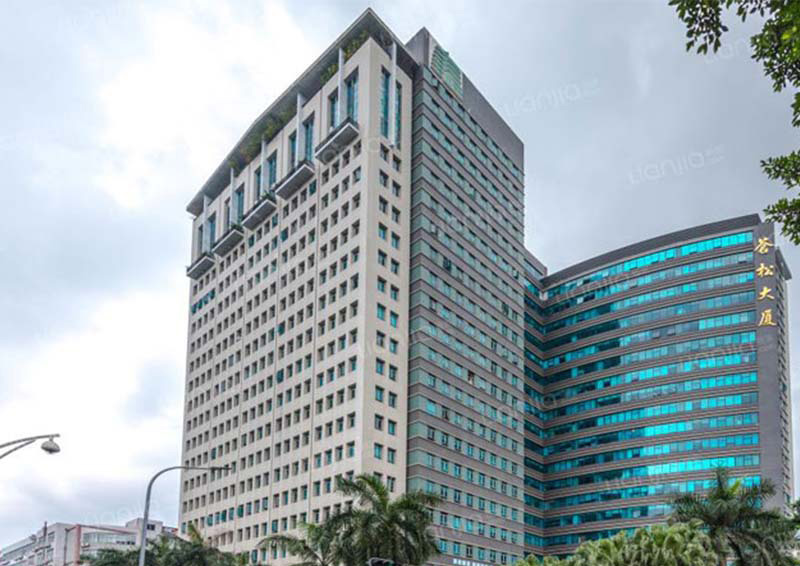
A trusted pioneer in industrial wireless and tactical data link development since 1996.
Shenzhen Huaxiasheng Technology Co., Ltd. is a world-class communication equipment designer and OEM manufacturer in the MESH self-organizing network industry. We offer a comprehensive product catalog with industry-leading transmit power, long-distance performance, high-speed data rates, and robust interference suppression algorithms.
We believe advanced hardware is only as good as the software and support behind it. That's why we supply extensive pre-sales engineering consulting, customized frequency allocation strategies, and reliable post-sales technical assistance to ensure client operations run flawlessly under any scenario.
For more than 25 years, our mission has been clear: to engineer reliable, accessible, and high-performance wireless links for critical automation, remote logistics, and tactical safety. We collaborate actively with prominent academic institutions and aerospace R&D centers to continually push wireless boundaries.
How Shenzhen's ecosystem delivers unmatched value, cutting-edge technology, and rigorous quality assurance.
Shenzhen, China, stands as the global epicentre for high-frequency electronics engineering. This geographical advantage enables Shenzhen Huaxiasheng Technology Co., Ltd. to construct a dynamic, rapid-response product lifecycle. We source high-grade components directly from prime semiconductor distributors, reducing supply chain delay times from months to mere days.
Our local engineering laboratories are fully equipped with state-of-the-art vector network analyzers, environmental chambers, and EMI shielding rooms. This helps us ensure that every Nbmesh handset and airborne transceiver conforms to international standards before it leaves our facility.
By leveraging premium automated Surface Mount Technology (SMT) assembly lines, we achieve highly consistent RF performance across thousands of modules. This level of precision is virtually impossible to maintain with manual assembly. The resulting low defect rate ensures our clients receive highly reliable equipment that won't fail during critical operations.
Custom wireless networks traditionally demanded massive investment capital. By optimizing our manufacturing workflows and leveraging local industrial scaling, we offer high-grade COFDM and MIMO MANET modules at a fraction of Western costs. This allows public safety agencies, drone integrators, and industrial enterprises to field complete mesh systems well within budget.
No two operational environments are identical. We provide deep hardware customization, including:
Our versatile Nbmesh and DDLmesh systems are actively deployed across critical industries globally.
Real-time pipeline monitoring and power distribution grid networking.
Reliable high-speed control and high-definition video links for unmanned systems.
Rapid-deploy communication networks when existing infrastructure is compromised.
An architectural breakdown of the components that make our ad-hoc equipment exceptionally robust.
In highly congested electromagnetic environments, traditional single-frequency radios face significant risk of jamming and interference. Our High-speed Frequency Hopping Digital Radios utilize proprietary algorithms that hop frequencies hundreds of times per second. By continually shifting frequencies across a wide operational band, our devices maintain clear, uninterrupted data connections even in contested RF environments.
Coded Orthogonal Frequency Division Multiplexing (COFDM) splits a high-speed data stream across thousands of closely spaced orthogonal sub-carriers. By combining this with robust forward error correction (FEC) coding, our systems can survive severe multi-path fading. This is the technology that allows our transceivers to transmit stable, high-definition video from within concrete elevator shafts or dense urban canyons without requiring line-of-sight.
By employing multiple transmit and receive antennas simultaneously, our MIMOmesh Series exploits multi-path propagation to increase data throughput and link range. Rather than treating physical obstructions as interference sources, MIMO uses these reflections to construct multiple parallel data channels, substantially boosting capacity in urban and industrial environments.
The routing layer of the Nbmesh series runs a specialized, highly responsive ad-hoc link state protocol. It continually calculates link quality metrics (based on signal-to-noise ratio, packet loss rates, and hop count) to route traffic along the most stable pathways. If a node drops offline unexpectedly, the remaining units adapt immediately to route around the failure point, ensuring zero packet loss for critical telemetry and voice channels.
A glimpse into our manufacturing centers, testing labs, and assembly workshops.
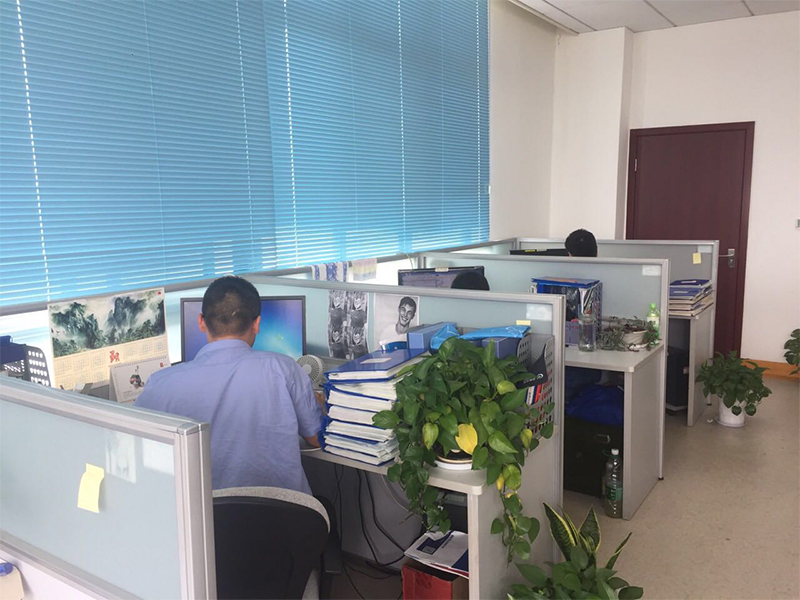
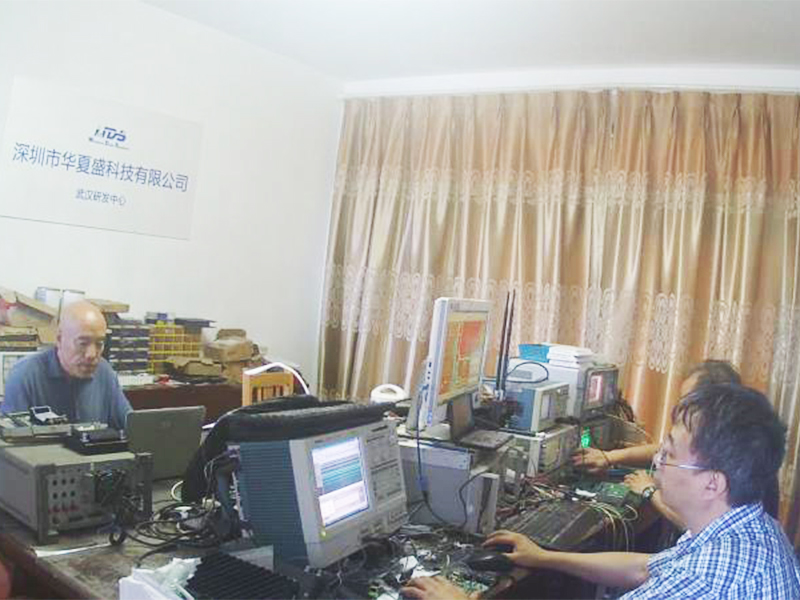
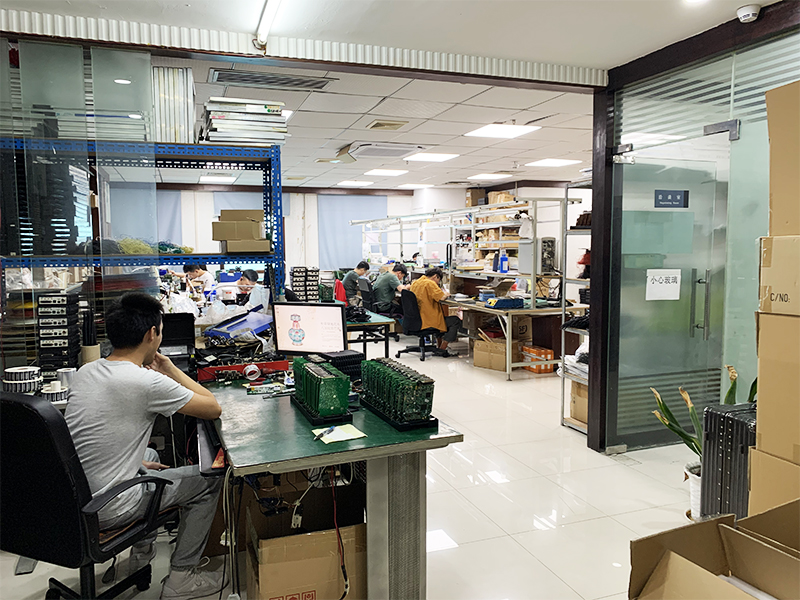
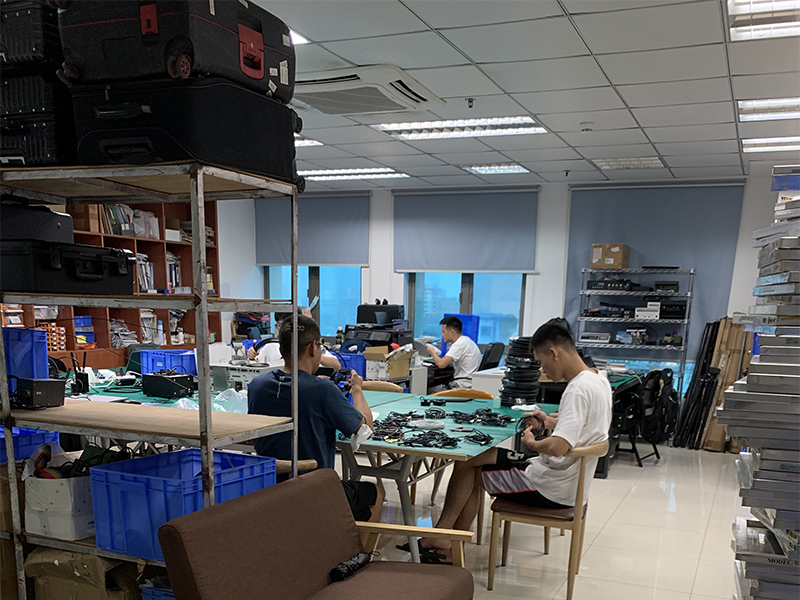
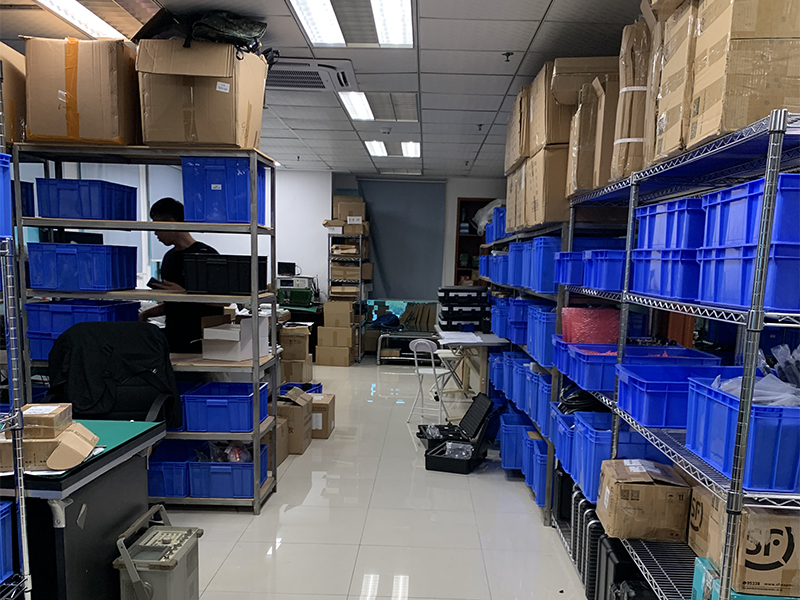
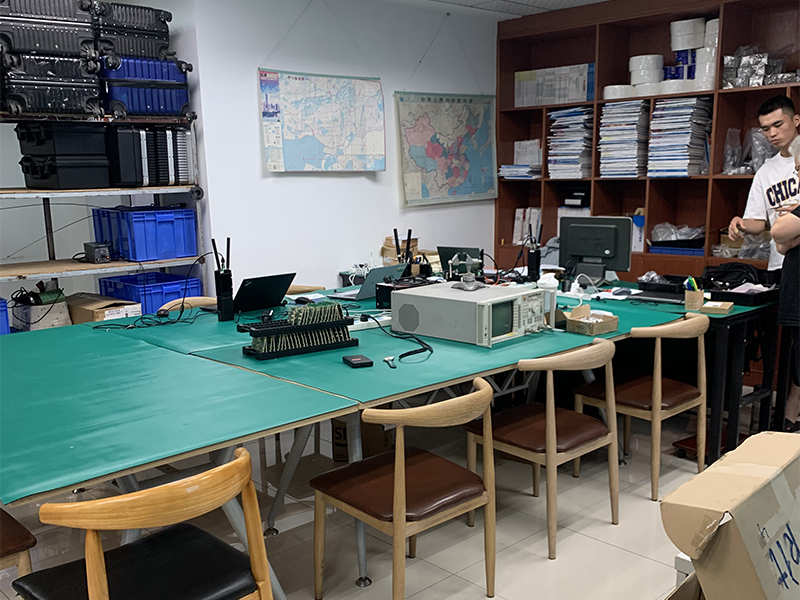
Looking ahead, the demand for high-speed mobile ad-hoc data is growing exponentially. As unmanned systems scale from solitary operators to coordinated swarms, the dynamic routing and bandwidth sharing challenges become more complex. Next-generation MANET technology will increasingly rely on cognitive radio capabilities—where devices automatically sense spectrum availability and dynamically select optimal frequencies to avoid local congestion.
Additionally, the integration of ultra-dense satellite constellations and terrestrial 5G/6G systems with localized MANET networks will create hybrid communication fabrics. In this approach, edge mesh networks handle immediate field distributions while global gateways handle long-haul transport. This ensures field personnel and remote autonomous systems stay securely connected to headquarters, regardless of where they are deployed on earth.
When purchasing custom MANET mesh solutions for international enterprises, procurement managers must evaluate several technical criteria beyond the basic unit price:
Essential guidance on custom MANET systems, COFDM setups, and global manufacturing standards.
Standard Wi-Fi networks rely on a central access point; if that access point drops offline or is blocked by obstacles, all client devices lose connectivity. A Mobile Ad-Hoc Network (MANET), like the Nbmesh Series, operates entirely without a central coordinator. Every transceiver functions dynamically as an autonomous router. If any unit moves or drops out of range, the remaining units instantly redirect traffic through alternative paths, maintaining seamless local connectivity.
COFDM splits high-speed digital signals across thousands of separate, closely spaced sub-carriers. By combining this with robust forward error correction coding, COFDM systems can withstand significant multi-path propagation (reflections from walls, structures, and trees). Instead of suffering from signal cancellation, the receiver aggregates these reflections to reconstruct the original data stream, making it highly effective for dense urban and indoor operations.
Yes. We provide comprehensive customization services for all our digital transceivers and mesh systems. We can configure frequency settings (ranging from 200MHz to 6.0GHz), power levels (up to 20 Watts), and local channel widths to match the spectrum regulations of your target country or specific industrial site.
With an air-to-ground, line-of-sight (LOS) configuration, our lightweight airborne transceivers can achieve stable data link ranges in excess of 50 kilometers. Ground-to-ground range varies based on obstacles, local terrain, and foliage, but our high-gain vehicular and base station modules regularly maintain reliable connections over several kilometers, even in highly built-up environments.
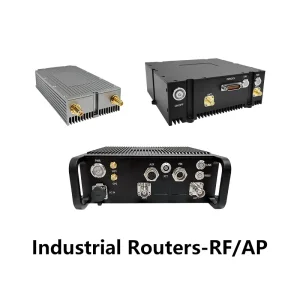
Explore our industrial routers, GNSS data links, handheld MESH units, and specialized deployment cameras.
 Sinosun Tech