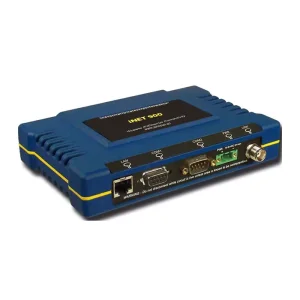
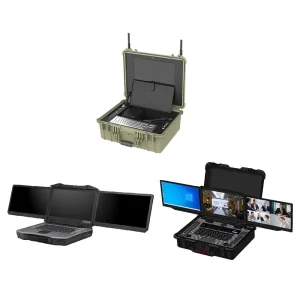
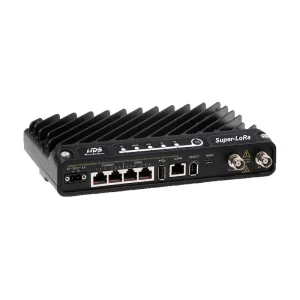
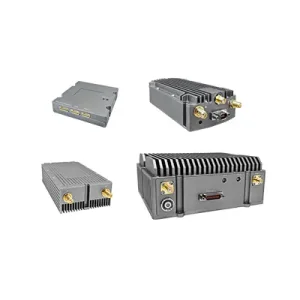
High-performance custom hardware designed for military, industrial, and unmanned system topologies.
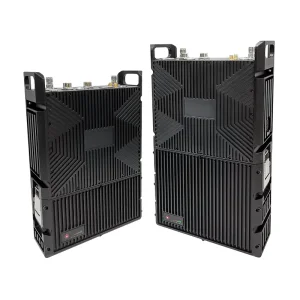
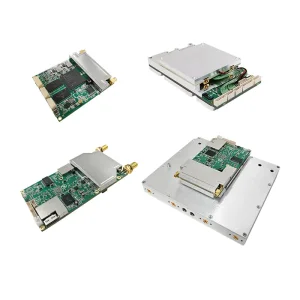
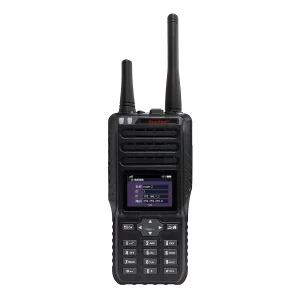
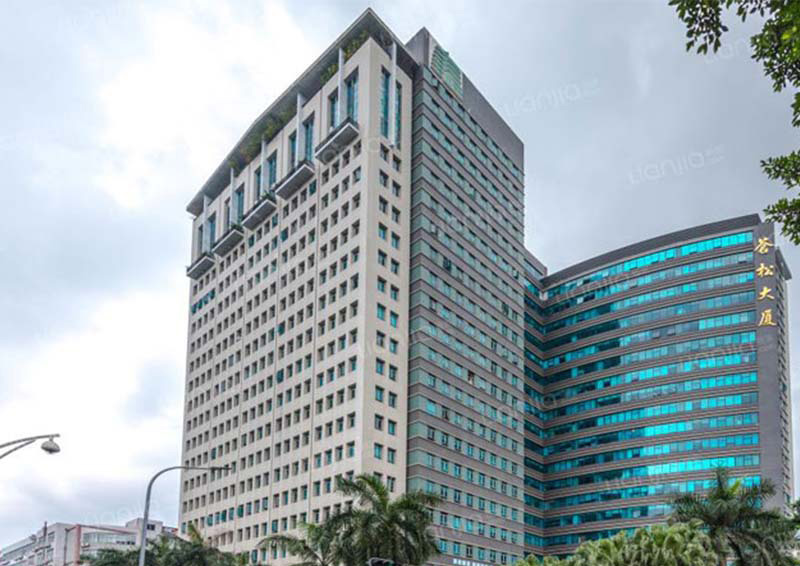
Established in 1996, Shenzhen Huaxiasheng Technology Co., Ltd. has dedicated over 28 years to the leading edge of wireless data transmission engineering. We operate at the intersection of academic rigor and deep industrial manufacturing capabilities. Collaborating extensively with renowned domestic universities and specialized research institutions, we have successfully translated complex signal processing theories into high-availability hardware deployed across the planet.
Our operational ethos targets the highly critical fields of Ad-Hoc (MANET) systems, multi-input multi-output (MIMO) link optimization, and long-range, non-line-of-sight (NLOS) video and data transceivers. We empower multinational system integrators, municipal utility developers, and defense organizations to architect communications networks that possess complete operational integrity, zero single-point-of-failure vulnerabilities, and robust resistance to electronic countermeasures.
Why mission-critical operators choose Shenzhen Huaxiasheng Technology Co., Ltd. for strategic long-term projects.
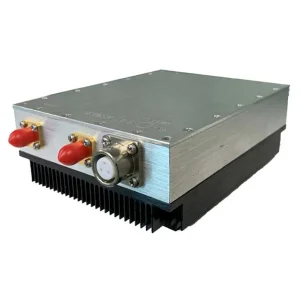
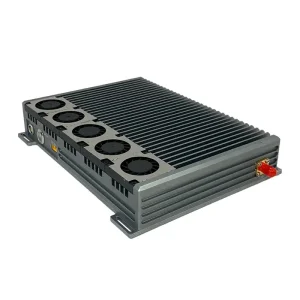
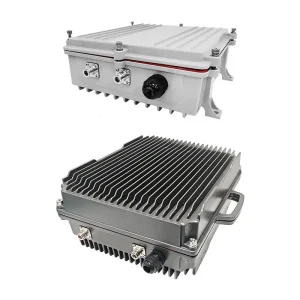
As a foremost leader in the MANET and self-organizing mesh network field, we maintain an unparalleled inventory of digital modules, industrial RF amplifiers, and IP67-enclosed outdoor transceivers. Our products deliver long-distance stability, peak transmission throughput, and robust dynamic routing protocols.
Engineering complex wireless arrays demands more than off-the-shelf devices. We provide deep integration consulting, pre-sales path analysis, link budget calculations, and localized on-site deployment guidance to guarantee maximum system uptime.
Our trajectory is defined by persistent R&D investment. We provide high-reliability data links and video backhauls that enable fully automated control networks, remote sensory acquisition, and long-range multi-channel robotics control with strict economic efficiency.
Modern telecommunication frameworks in enterprise industrial operations are moving rapidly toward private, license-free, and high-security Self-Organizing Networks (MANET/MESH). As spectrum congestion increases globally, off-the-shelf commercial hardware fails to withstand high-RF interference and extreme physical topologies.
Procurement directors and Chief Technology Officers (CTOs) must prioritize custom **MIMO (Multiple-Input Multiple-Output)** arrays that utilize spatial multiplexing to expand capacity and signal-to-noise ratios (SNR). By leveraging multipath propagation instead of combating it, our MIMO architectures deliver continuous, high-bitrate video and data links in highly reflective environments like subterranean mines, metropolitan corridors, and automated container terminals.
Key procurement vectors currently shaping the industry include:
Engineered to excel where ordinary radio frequencies and standard cellular infrastructures fail.
End-to-end proprietary communications networks engineered for complex, high-risk operational environments.
Our high-speed frequency-hopping transceivers and digital data modules form secure backbones for oil and gas extraction plants, gas line sensor nodes, heating networks, and water conservancy monitoring. These systems provide absolute telemetry reliability even in remote locations where no cellular signal exists.
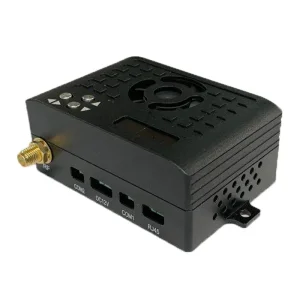
Unmanned ships, aerial platforms (drones), and autonomous ground vehicles (UGVs) rely heavily on our DDLmesh module series. Possessing low latency and highly optimized multi-channel links, these modules transmit crystal-clear 1080P high-definition video along with telemetry and control signals across vast geographical expanses.
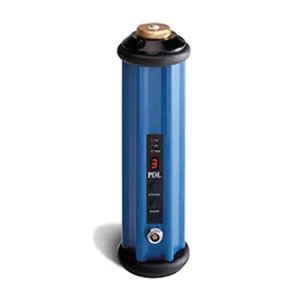
For precise measurement, agricultural machinery steering, and tectonic monitoring, our specialized GNSS/RTK Wireless Data Links deliver millimeter-level correction data with extreme temporal consistency. They interface cleanly with leading receiver protocols to ensure seamless data pipelines.
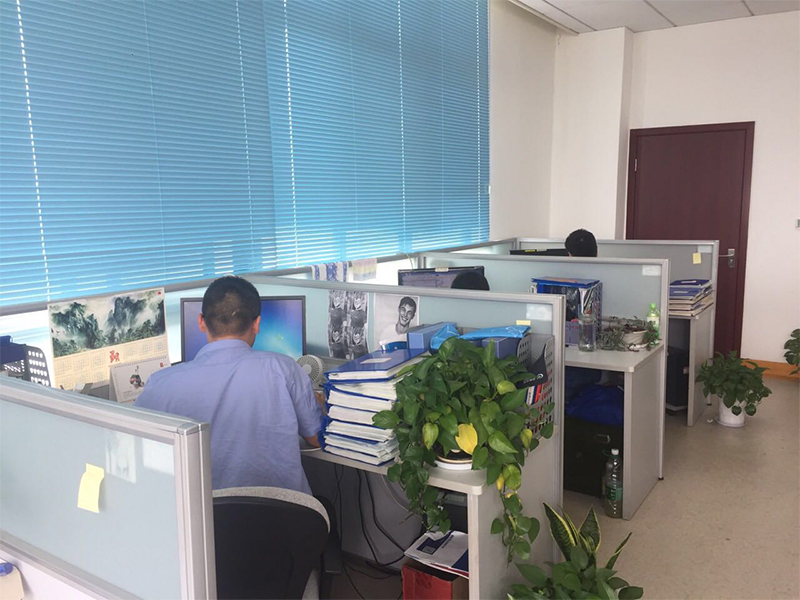
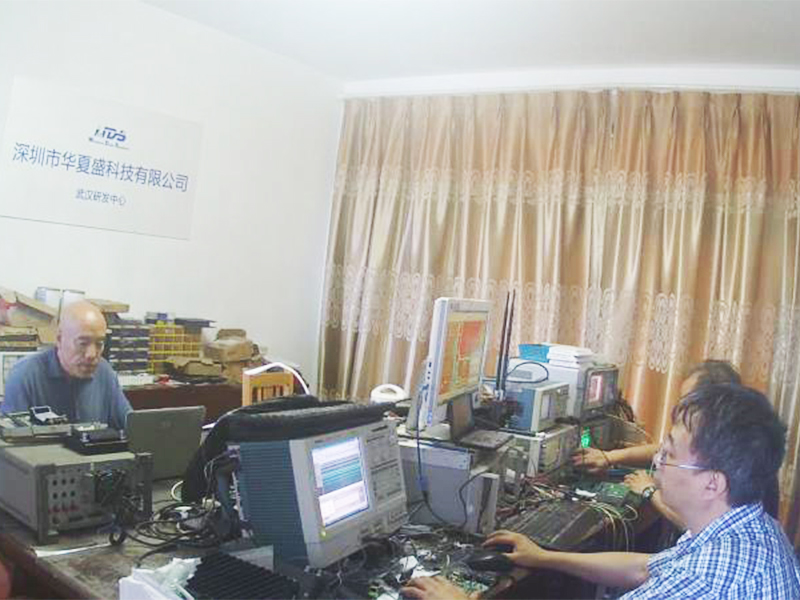
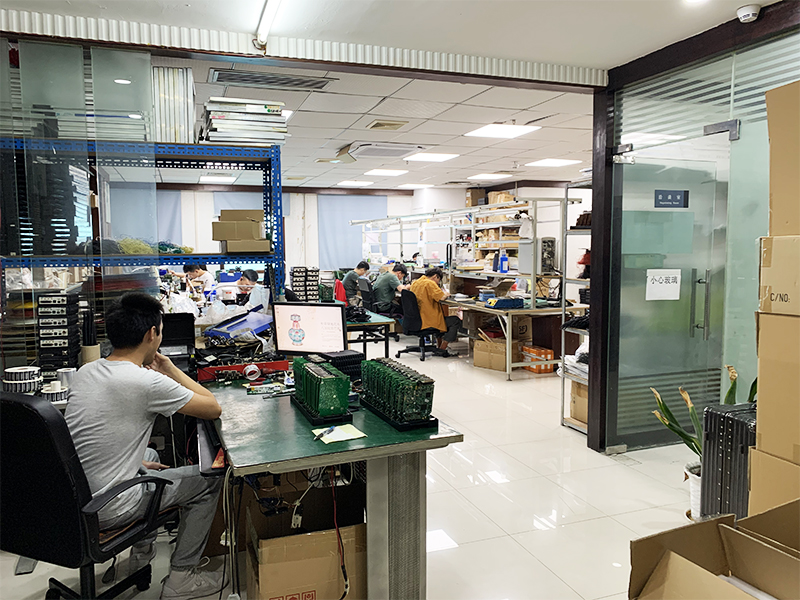
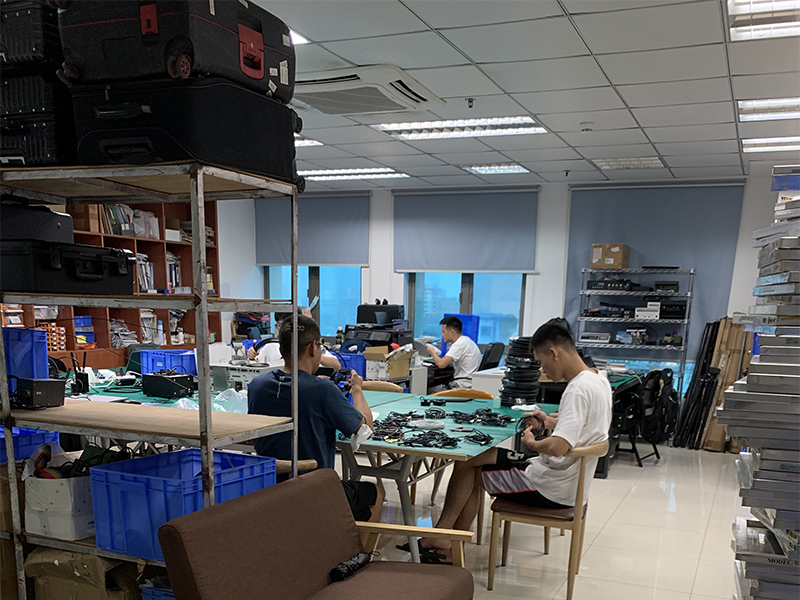
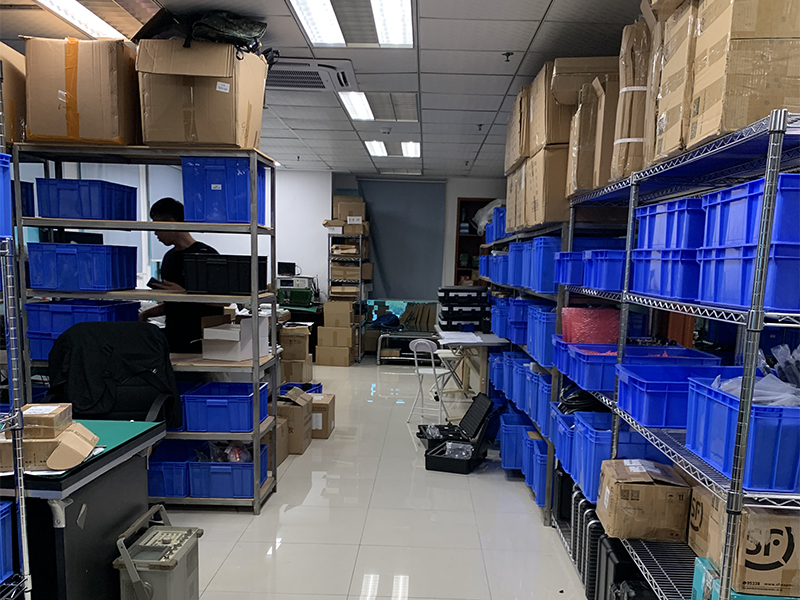
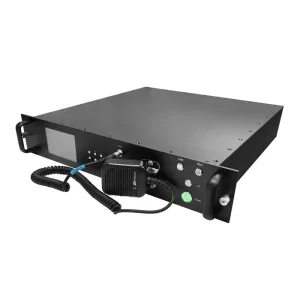
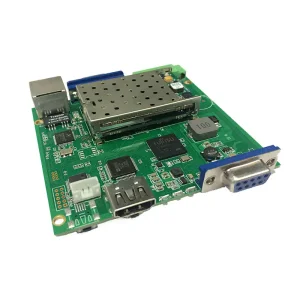
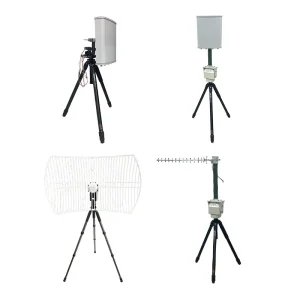
Our comprehensive production facility in Shenzhen outputs highly optimized physical-layer and link-layer devices. Our technical portfolio is segmented specifically into high-performance sub-assemblies:
Through severe field testing across massive temperature deltas (-40°C to +85°C), our modules prove resilient against multi-path fade, atmospheric scattering, and dense urban occlusion.
An overview of how cognitive radio, AI dynamic scheduling, and hybrid MESH topologies will drive the future of industrial communication.
As the global regulatory framework of radio frequencies undergoes structural transformations, industrial communication systems must adapt rapidly. Our technical roadmap integrates three core technical shifts designed to insulate enterprise buyers from future obsolescence:
By securing custom hardware architectures today, enterprise partners acquire highly adaptable processing pipelines that can be seamlessly upgraded via secure remote firmware updates as these technical integrations mature.
Operating wireless communications devices globally requires strict adherence to regional regulatory frameworks. Shenzhen Huaxiasheng Technology Co., Ltd. ensures all customized RF solutions align perfectly with local standards, minimizing deployment risks for overseas integrators.
Every product batch is systematically qualified to clear standard international benchmarks:
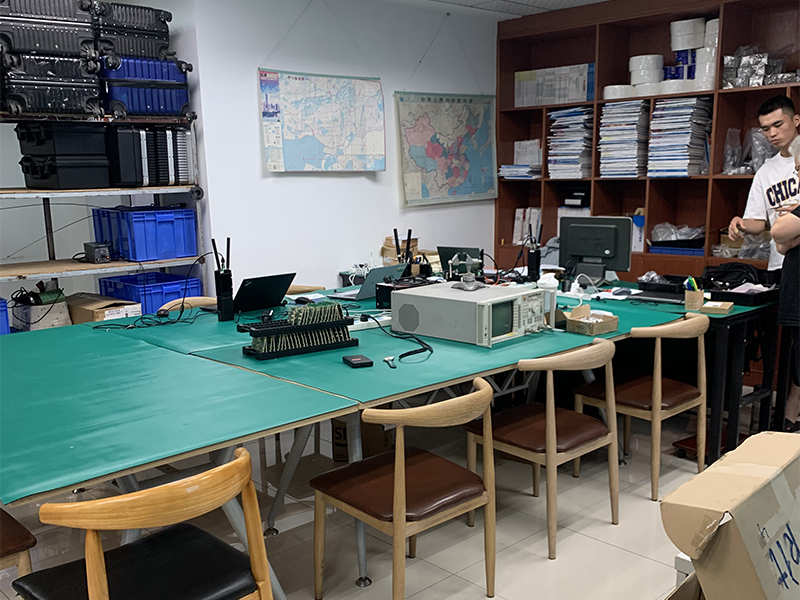
Direct engineering answers to complex wireless transmission, MIMO array configuration, and deployment queries.
Traditional Single-Input Single-Output (SISO) networks suffer heavily from multipath interference when radio waves bounce off concrete walls, metallic equipment, or natural rock faces, causing signal cancellation. Multiple-Input Multiple-Output (MIMO) systems utilize spatial multiplexing to transmit independent data streams over multiple spatial paths concurrently. This turns multipath propagation into a distinct signal benefit, dramatically increasing spectral efficiency, link stability, and overall throughput under high non-line-of-sight (NLOS) conditions.
Our Mobile Ad-Hoc Network (MANET) units utilize proprietary routing algorithms built directly into the firmware layer. When nodes boot, they instantly exchange beacon signals to map their local RF neighbors, forming a decentralized mesh topology without requiring central base stations. If an intermediate node moves out of range, fails, or suffers disruption, the remaining nodes detect the packet drop and automatically recalculate optimal routing vectors in milliseconds. This maintains continuous system connectivity.
Yes, our modern DDLmesh and MIMOmesh series are specifically engineered for multi-channel data operations. They feature physical Ethernet interfaces alongside serial interfaces (RS232/RS485/TTL), enabling a single radio link to dynamically multiplex bidirectional high-definition IP video streams alongside low-rate, high-priority flight control data, RTK correction data, or general SCADA commands.
Because we control the entire R&D and physical manufacturing cycle, we easily adapt our RF architectures to custom bands. We regularly tailor our systems to run across VHF (130-230MHz), UHF (300-800MHz), L-band (1.0-2.0GHz), S-band (2.2-2.7GHz), and C-band (4.4-5.9GHz) configurations. This enables our enterprise clients to deploy hardware in complete compliance with their regional license requirements and operating constraints.
All our components, modules, and enclosed units are systematically designed using industrial-grade silicon, high-grade crystal oscillators, and highly efficient heat dissipation modules. They operate reliably within a standard temperature threshold of -40°C to +85°C. This makes them ideal for installation in desert monitoring stations, high-altitude airborne UAV setups, and extreme high-temperature industrial chemical environments.
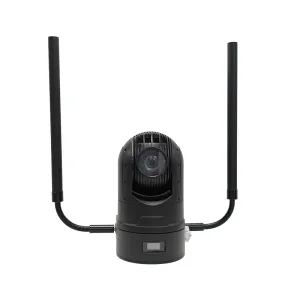
High-precision data links, specialized tracking platforms, and dynamic camera systems.
 Sinosun Tech