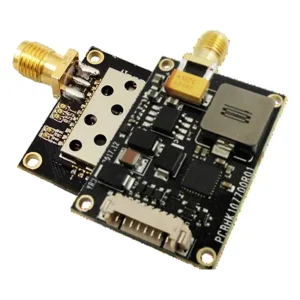
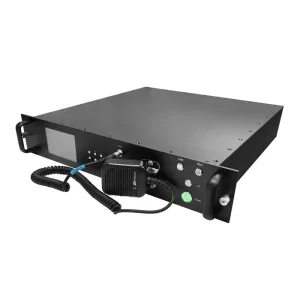
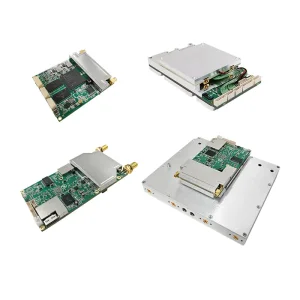
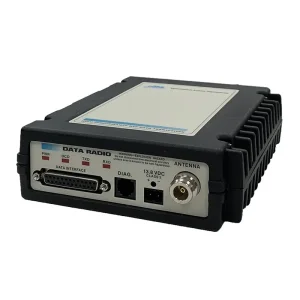
Explore our top-performing RF modems, MIMO network modules, and rugged vehicle-mounted transceivers built for low latency and robust range.
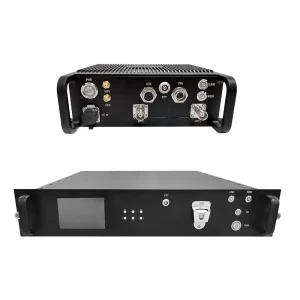
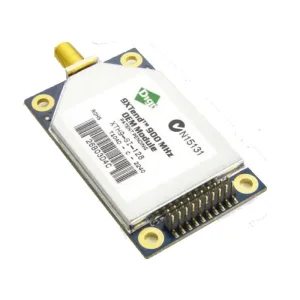
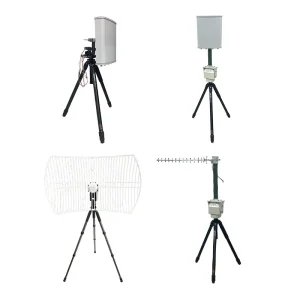
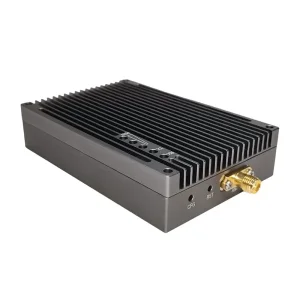
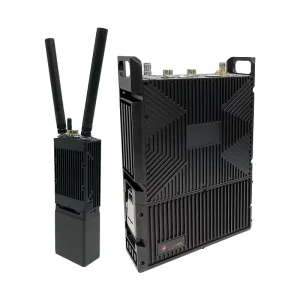
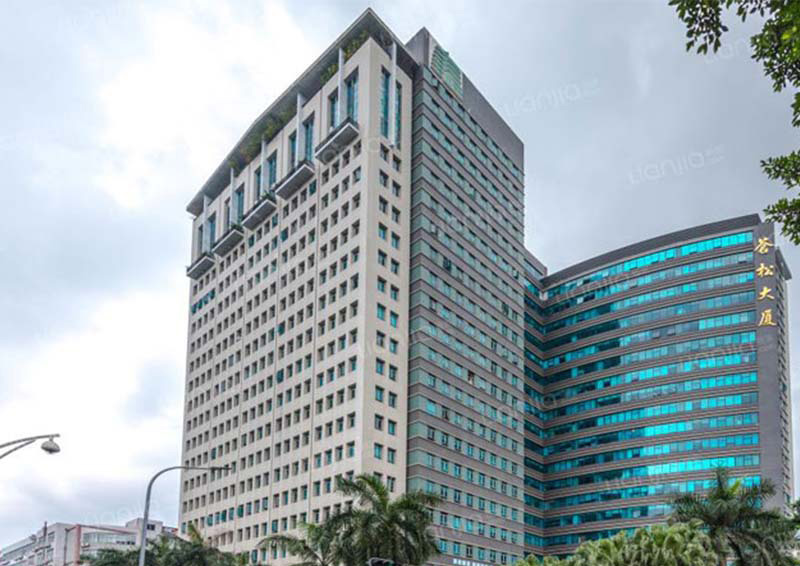
Shenzhen Huaxiasheng Technology Co., Ltd. has been at the absolute forefront of wireless data transmission engineering, dynamic network prototyping, and remote industrial integration since 1996. For more than two decades, we have continuously spearheaded independent research and development schemes to construct world-class wireless infrastructure tailored for harsh, highly dynamic industrial environments.
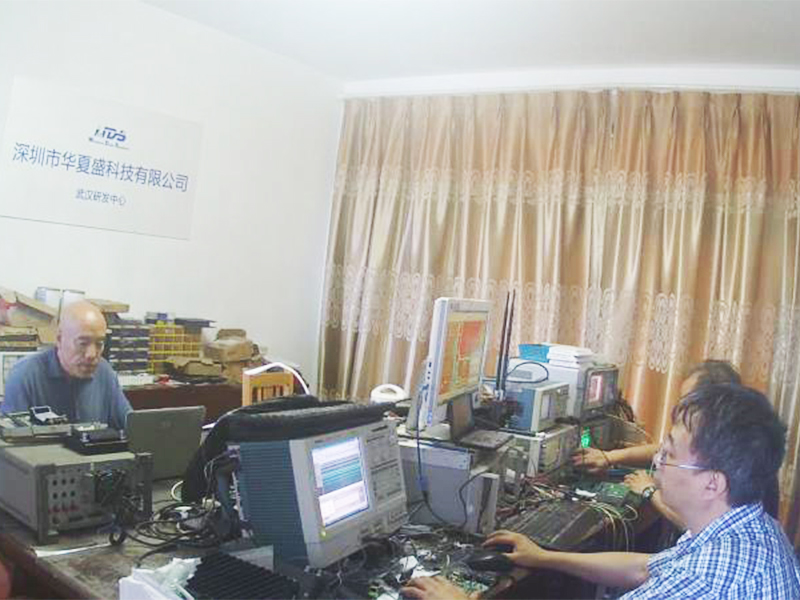
By leveraging deep engineering synergies with domestic academic institutions and premier global communication research laboratories, our scientific cohorts design customized RF modules and comprehensive data networks that address modern telemetry bottlenecks. Our primary objective centers on transforming complex propagation constraints into reliable, high-yield digital channels.
As a specialized communications hardware manufacturer, we own our core intellectual properties for MESH self-organizing protocols. This allows us to supply highly customizable form factors, adjustable power gains (VHF/UHF to C-Band), and proprietary dynamic routing architectures.
We prioritize end-to-end integration support. Our specialized RF application engineers offer comprehensive path analysis, line-of-sight (LOS) evaluations, spectrum scans, and localized network design parameters to ensure reliable, long-range installations.
We deliver high-throughput, low-latency, and cost-effective wireless transceivers designed for heavy industrial control. We focus on providing modern IoT systems with reliable hardware that operates flawlessly under intense temperatures and RF interference.
The industrial landscape is undergoing a massive transformation, shifting from localized wired PLC networks to highly flexible, wide-area industrial wireless sensor arrays. As billions of decentralized machine nodes require high-fidelity telemetry, traditional consumer networks struggle with range constraints and susceptibility to interference. This shift highlights the critical need for rugged, custom wireless communication infrastructure.
Modern wireless networks must operate independently of static cellular base stations. In remote mines, offshore extraction zones, and deep agricultural fields, cellular networks are often unavailable or cost-prohibitive. Consequently, high-performance Ad-HOC MESH self-organizing topologies and Frequency Hopping Spread Spectrum (FHSS) systems have become the standard choice for mission-critical connectivity.
Ad-Hoc networks use smart routing algorithms that dynamically adapt when nodes move or fail. If a gateway node goes offline, the network automatically reroutes data through adjacent nodes to maintain uninterrupted communication.
Our frequency-hopping digital radios jump across spectrum lines thousands of times per second. This prevents jamming and cross-talk, keeping high-speed data links reliable even in crowded industrial RF bands.
Modern autonomous robotics, UAVs, and remote vehicles require low-latency HD video alongside telemetry data. Our MIMOmesh and DDLmesh systems deliver up to 30Mbps throughput over long distances.
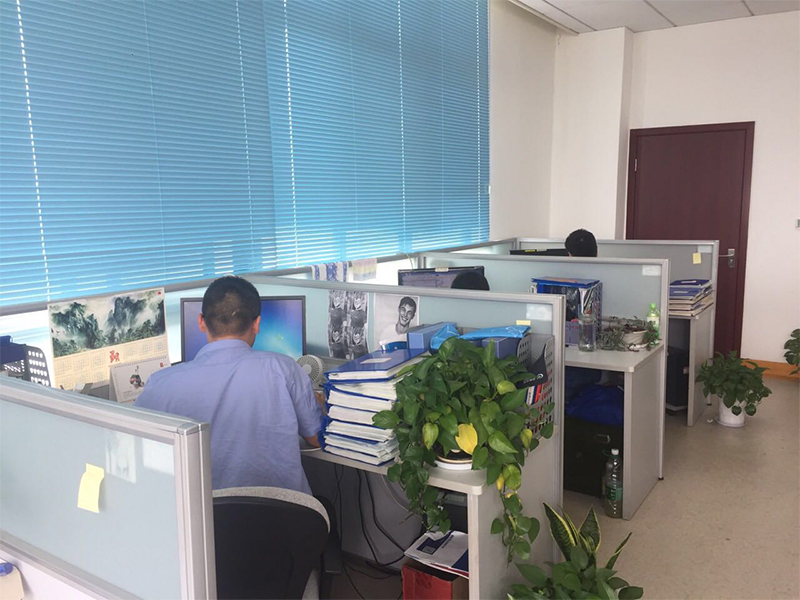
For global procurement managers, off-the-shelf wireless modules often fall short of practical deployment requirements. Antenna configurations, power limitations, specialized interfaces, and local frequency regulations call for a dedicated hardware manufacturing partner.
Our factory provides comprehensive OEM and ODM support, including:
Our hardware is used in diverse environments, from deep ocean vessels to high-altitude drone operations. Here is how our custom wireless solutions perform in key verticals.
Monitoring pressure, flow rates, and safety metrics along pipelines stretching hundreds of miles requires highly reliable point-to-multipoint links. Our SCADA digital data radios and multi-serial connection hubs deliver stable telemetry across vast, remote regions.
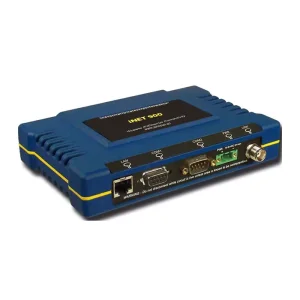
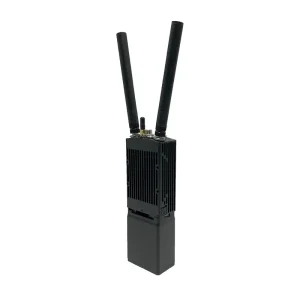
Related Hardware: SCADA Series Radio, iNET Network RadioAutonomous vehicles (UAVs, UGVs, and unmanned surface vessels) require long-range control signals and real-time HD video links. Our ultra-light, low-power FGR2/NANO series and MIMOmesh modules deliver robust data links for complex drone operations.
Related Hardware: DDLmesh Handheld, FGR2 Nano, Automatic Tracking PlatformCentimeter-level accuracy in construction, mapping, and agriculture relies on uninterrupted correction data. Our GNSS/RTK wireless data links deliver real-time kinematic data with high sensitivity, even in dense urban centers or deep forests.
Related Hardware: Custom GNSS/RTK Wireless Link ModuleHuaxiasheng independently develops wireless data transmission equipment based on leading international technologies. Our systems are engineered to perform under extreme temperatures, high electromagnetic interference, and dynamic physical obstruction.
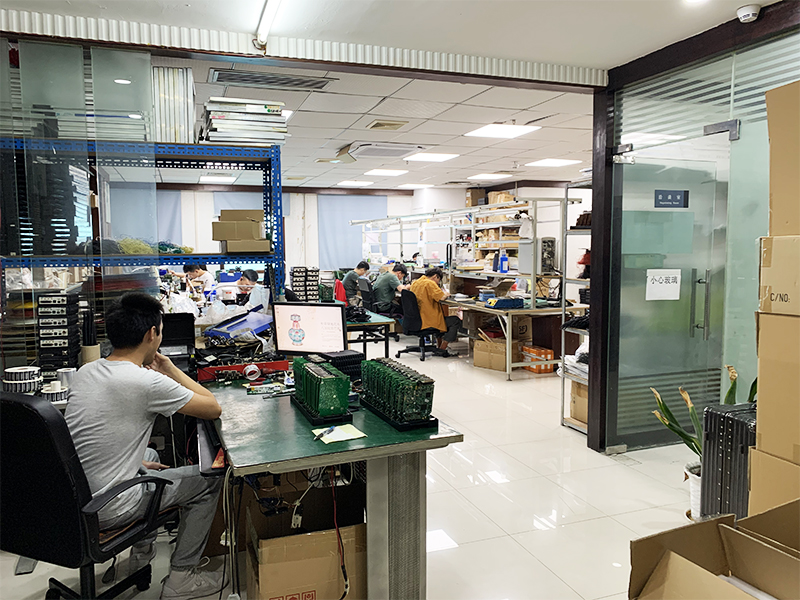
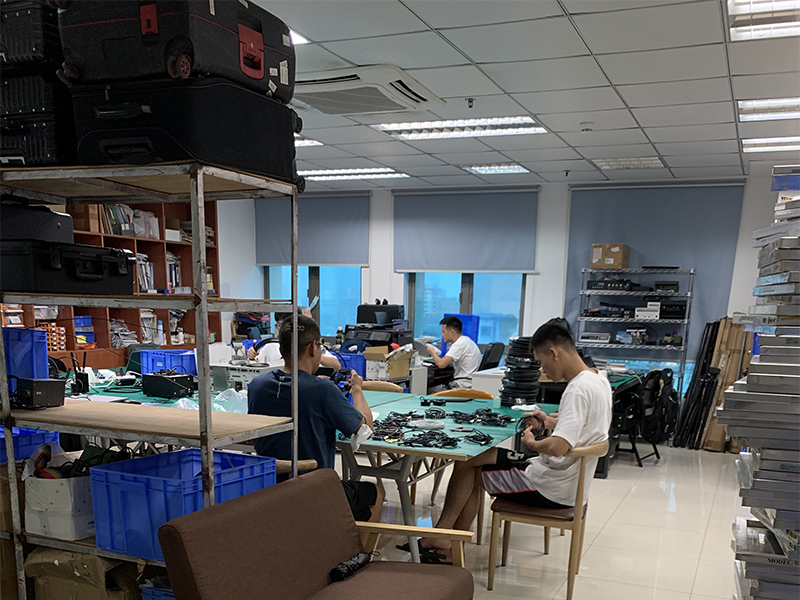
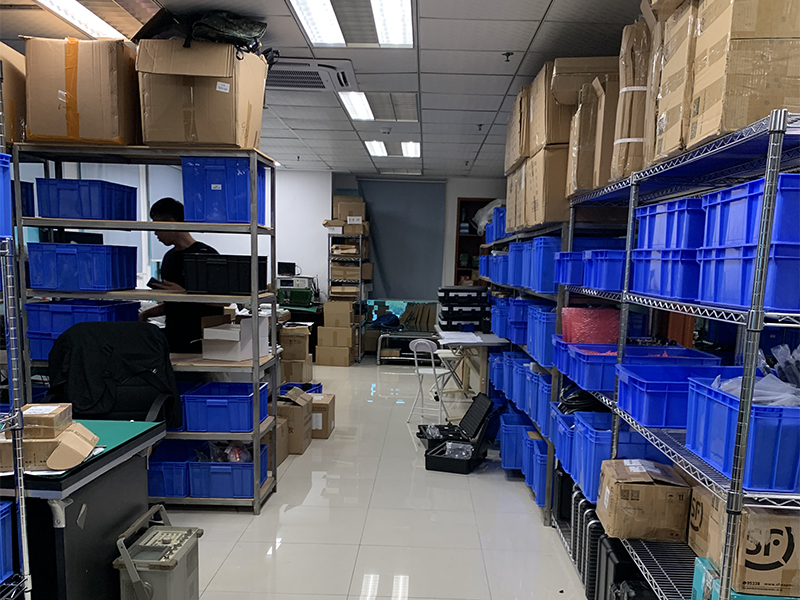
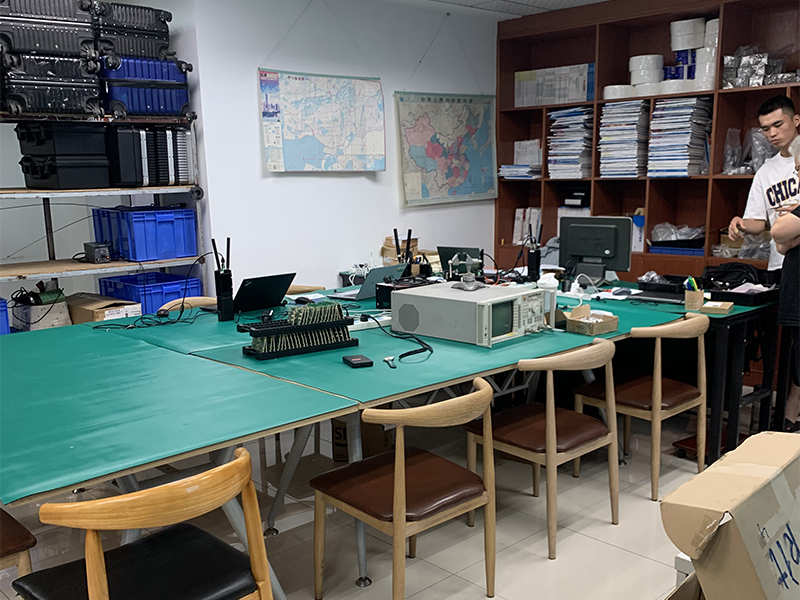
At present, Huaxiasheng develops and produces a comprehensive line of communication hardware:
These systems are widely used across multiple sectors: metallurgy, chemical processing, water utilities, district heating, earthquake monitoring, weather tracking, automated environmental monitoring, and robotic systems.
Keeping your industrial networks ahead of the curve. Our product development roadmap focuses on speed, security, and smart integration.
Our next-generation platforms rely on Software-Defined Radio (SDR) architectures. This allows field operators to update modulation schemes, switch frequency profiles, and adjust encryption keys via remote firmware updates, extending hardware lifespans.
Future iterations will integrate dynamic spectrum access (DSA). By using onboard machine learning models, our radios can scan for RF interference in real-time and switch to clear channels automatically without losing packet synchronization.
We are bridging the gap between local private RF systems and global public cellular networks. Our upcoming gateways will support automatic, secure switching between local MESH networks, private 5G, and satellite networks.
Direct answers to technical queries from network architects, systems integrators, and RF engineers.
A: MIMOmesh networks use proprietary, low-overhead routing protocols that operate in dedicated licensed and unlicensed sub-6GHz frequencies (rather than standard 2.4GHz or 5.8GHz Wi-Fi channels). They feature rapid self-healing capabilities, dynamic channel selection, and high multi-path fading resistance, ensuring stable connectivity for high-speed mobile nodes.
A: Yes, our factory provides custom frequency configuration. We can pre-program our digital radios to operate within specific frequency bands (e.g., 902-928MHz for FCC regions, 868MHz for CE/Europe, and custom VHF/UHF bands for military and public utility systems) to comply with local regulations.
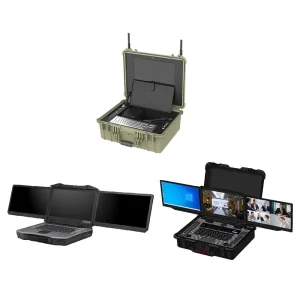
A: Under line-of-sight (LOS) conditions, our handheld units support stable transmissions up to 10-15km. Vehicle-mounted and rack-mounted configurations, when paired with high-gain directional tracking antennas, can extend this range to over 50km for low-latency HD video and critical telemetry data.
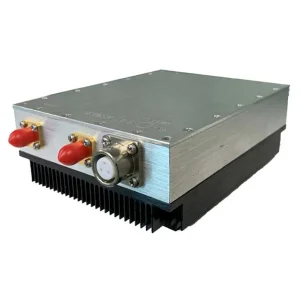
A: Our BiAMP series increases signal strength for both transmission and reception (using low-noise amplifiers). This helps overcome signal loss in long cable runs, improves receiver sensitivity, and boosts transmission range in heavy industrial environments like processing plants and mining sites.
Browse our high-performance RTK modules, SCADA modems, network transceivers, and RF power amplifiers.
 Sinosun Tech