 Sinosun Tech
1 / 4
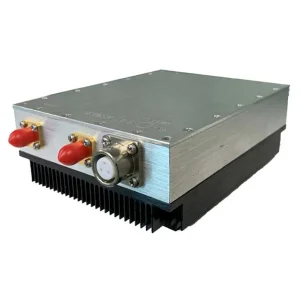
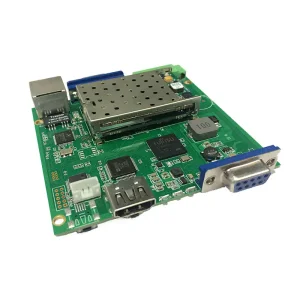
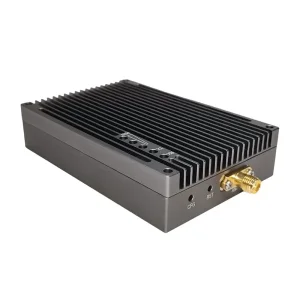
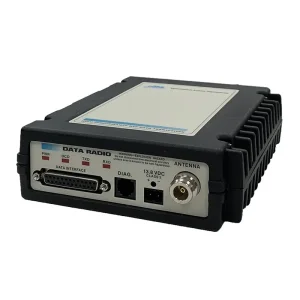
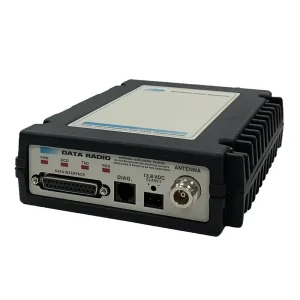
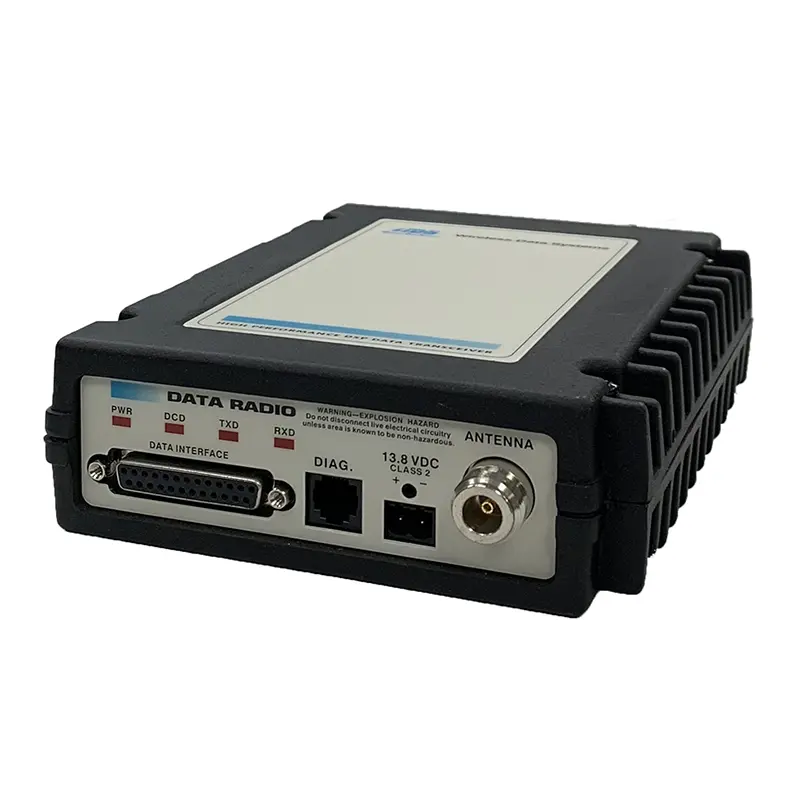
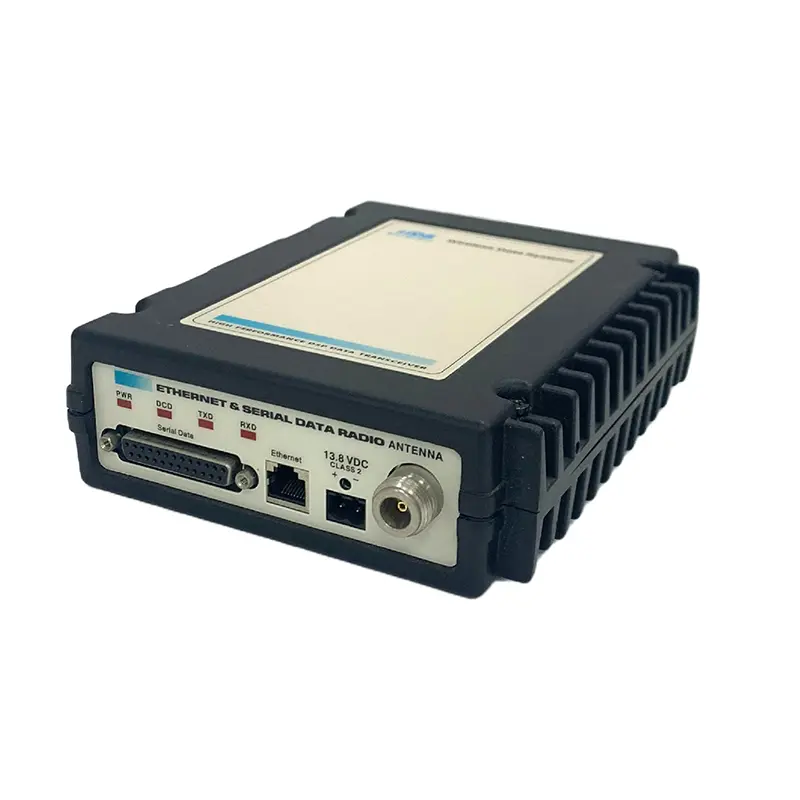
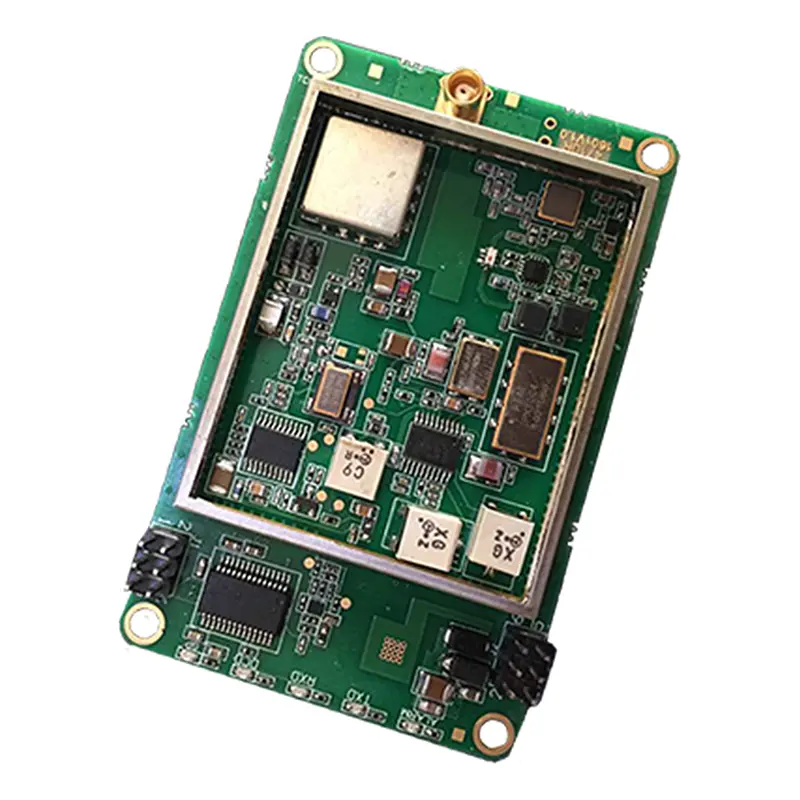
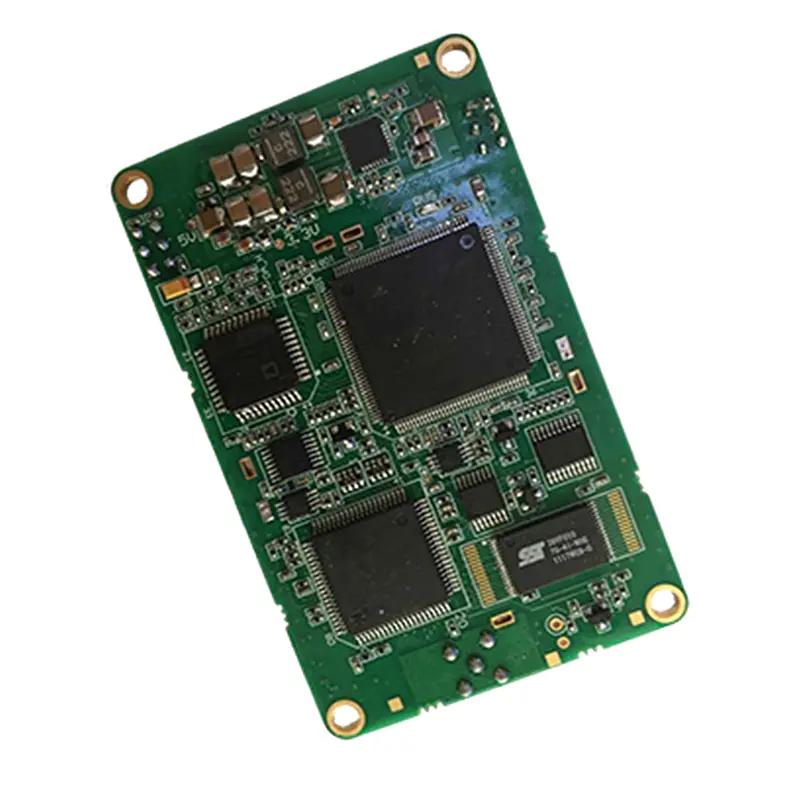
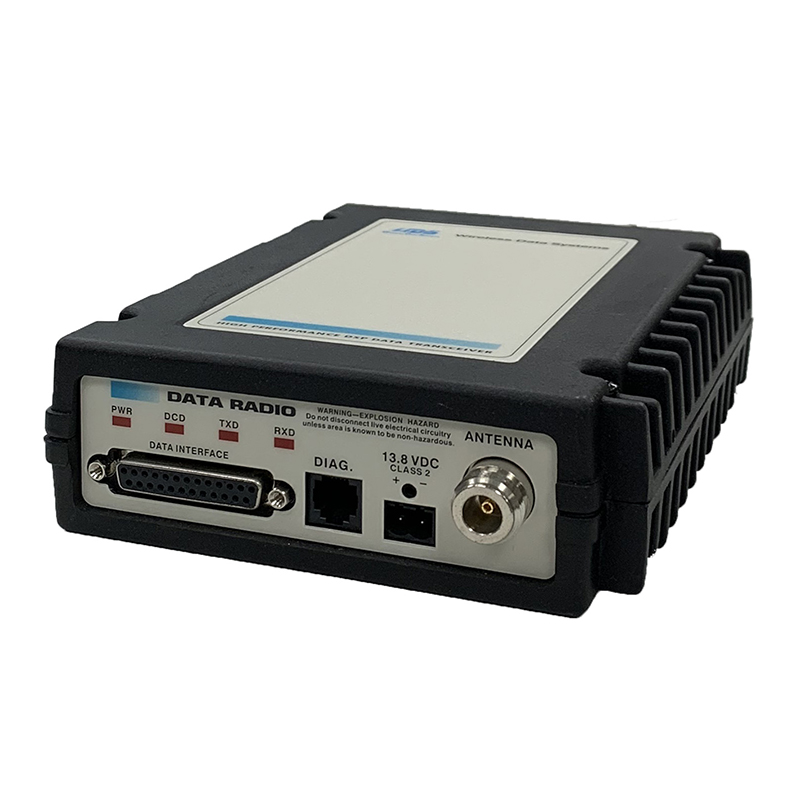
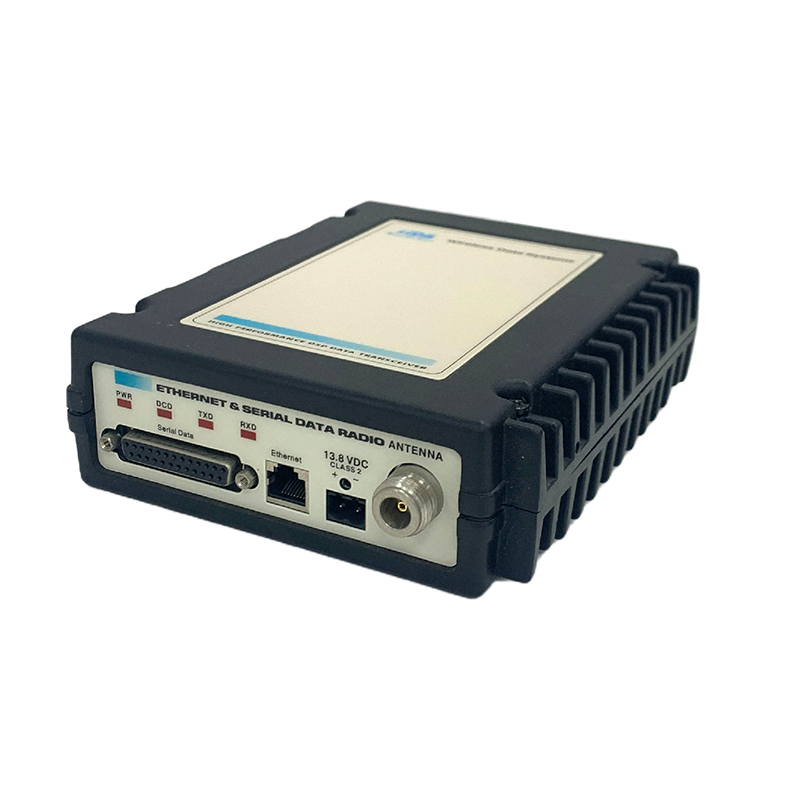
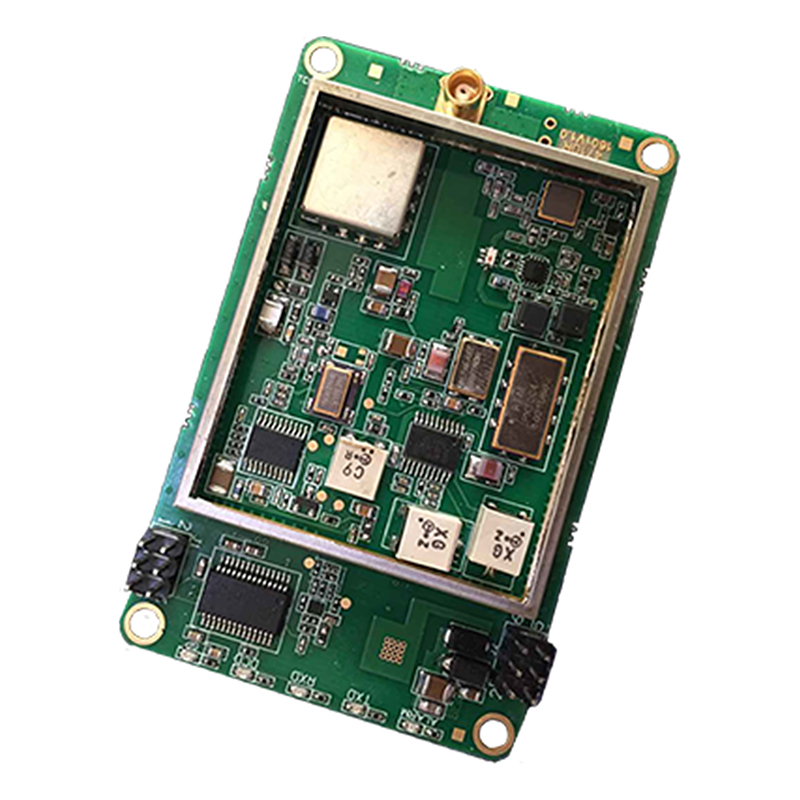
The WDS Transceiver Series is a price/performance leader in licensed radios in the 108-174MHz, 220-222MHz, 330-512MHz, and 800-960MHz frequency ranges. They provide increased throughput and longer-range for multiple address systems. Transparent and direct asynchronous communication offers real-time communication. No extra software or programming is needed to implement communications using standard asynchronous protocols. A general purpose (unconditioned) digital output is available.
The Transceiver Series is field configurable as a master station or remote radio. They can operate as a half-duplex or simplex radio. They support all splits in duplex frequencies. When operating as a master station, full network diagnostics are available. Simplex mode permits peer-to-peer radio communications. This product is available for use in Class I, Division 2, Groups A, B, C & D hazardous locations.
Through robust construction and advanced digital signal processing technology (DSP), we offer up to 19.2kbps data throughput with exceptional data integrity.
Quick return on investment due to ease of wireless installation. This licensed radio offers the ability to communicate with any asynchronous protocol without extra software or programming.
Exceptional design provides excellent performance in the face of jamming or difficult signal paths, ensuring continuous operation under harsh environments.
InSite Network Management software simplifies maintenance tasks and reduces the cost of managing the network infrastructure, providing non-intrusive link monitoring.
| Specification | WDS 1710C/IP | WDS 2710C/IP | WDS 4710A | WDS 4710C/IP | WDS 9710C/IP | |||||
|---|---|---|---|---|---|---|---|---|---|---|
| Frequency Bands & Programmability | 130 to 174MHz 6.25kHz increments to any MAS channel pair |
220 to 240MHz 6.25kHz increments to any MAS channel pair |
330 to 5122MHz 6.25kHz increments to any MAS channel pair |
330 to 512MHz 6.25kHz increments to any MAS channel pair |
800 to 960MHz 6.25kHz increments to any MAS channel pair |
|||||
| Model Specific Details | ||||||||||
| Model | Agency Approval | Analog | Data Rate | Port Speed | Bit Error Rate | Diagnostics | ||||
| 1710C/IP | - | Yes | 19200bps(rf) | 300bps-38.4 kbps(data) @25kHz Channel Spacing | BER 1x10⁻⁶ @-105dBm typical | Network Wide Diagnostic Option | ||||
| 2710A | - | Yes | 9600bps(rf) | 300bps-38.4 kbps(data) @12.5kHz Channel Spacing | BER 1x10⁻⁶ @-110dBm typical | Network Wide Diagnostic Option | ||||
| 2710C/IP | China | Yes | 19200bps(rf) | 110bps-38.4 kbps(data) @25kHz Channel Spacing | BER 1x10⁻⁶ @-105dBm typical | Diagnostic Option | ||||
| 4710C/IP | - | Yes | 19200bps(rf) | 110bps-38.4 kbps(data) @25kHz Channel Spacing | BER 1x10⁻⁶ @-105dBm typical | Network Wide Diagnostic Option | ||||
| 4710A | FCC Part 90, Industry Canada & ENTELA | Yes | 9600bps(rf) | 110bps-38.4 kbps(data) @12.5kHz Channel Spacing | BER 1x10⁻⁶ @-110dBm typical | Network Wide Diagnostic Option | ||||
| 4710B | FCC | Yes | 9600bps(rf) | 300-9600bps (rf and data) @12.5kHz Channel Spacing | 4800bps: BER 1x10⁻⁶ @-110dBm typical 9600bps: BER 1x10⁻⁶ @-108dBm typical |
DTMF Diagnostic Option | ||||
| 4710E | ETSI: ETS 300 113, EMC: EN 300 279, CE Mark | N/A | 4800bps(rf) | 110bps-38.4 kbps(data) @ 12.5kHz Channel Spacing | BER 1x10⁻⁶ @-113dBm typical | Network Wide Diagnostic Option | ||||
| 4710 | UK MPT 1411(analog) | Yes | analog | N/A | N/A | N/A | ||||
| 4710M | MPT1411(digital) | Yes | 9600bps(rf) | 110bps-38.4 kbps(data) | BER 1x10⁻⁶ @-106dBm typical | Network Wide Diagnostic Option | ||||
| 9710A | FCC E5MDS9710-1, Industry Canada & ENTELA | Yes | 9600bps(rf) | 110bps-38.4 kbps(data) @12.5kHz Channel Spacing | BER 1x10⁻⁶ @-110dBm typical | Network Wide Diagnostic Option | ||||
| 9710C/IP | - | Yes | 19200bps(rf) | 300-38400bps(data) @25kHz Channel Spacing | BER 1x10⁻⁶ @-105dBm typical | Network Wide Diagnostic Option | ||||
| All Models Specifications | ||||||||||
| Operational Modes | Async. - Simplex, half-duplex (synchronous available at 9600bps only in MDS 4710B and MDS 9710B) | |||||||||
| Data Interface | RS-232-485, DB-25(x710) / Layer 2 (or 3) IP, RJ45(x710IP) transparent transmission | |||||||||
| Transmitter Specifications | Modem / Diagnostics & Physical | |||||||||
| Frequency Stability | +/- 0.00015% 1.5ppm | Modulation | Digital/CPFSK | |||||||
| Carrier Power | 0.1 to 5 watts / 5 to 25 watts Programmable | CTS Delay | 0-255msec programmable in 1 msec increments | |||||||
| Carrier Power Accuracy | Normal +/- 1.5dB | PTT Delay | 0-255msec programmable in 1 msec increments | |||||||
| Duty Cycle | Continuous | Case | Rugged Die Cast Aluminum | |||||||
| Output Impedance | 50 Ohms | Dimensions | 5.1 x 14.3 x 18.4 cm / 2.5 x 11.9 x 15.8 cm | |||||||
| Receiver Specifications | Environmental & Power Supplies | |||||||||
| Type | Double Conversion Superheterodyne | Weight | 1000g, 148g | |||||||
| Frequency Stability | +/- 0.00015% (1.5 ppm) | Temperature Range | -40°C to +70°C (-40°F to +158°F) | |||||||
| Adjacent Channel (EIA) | 60dB nominal | Humidity | 95% at 40°C (104°F) non-condensing | |||||||
| Primary Power | Voltage 13.8Vdc nominal (10.5 to 16 Vdc operating range) | FM/UL/CSA | Approved* (consult factory for country specific approvals) | |||||||
| Tx Current | 2A Typical at 5watts / 5A Typical at 25watts | |||||||||
| Rx Current | <125mA | |||||||||
| Sleep Mode | 15mA nominal | |||||||||

The WDS Transceiver Series operates within licensed frequency bands including 108-174MHz, 220-222MHz, 330-512MHz, and 800-960MHz, providing robust long-range communication.
Yes, the units are highly flexible and field-configurable to operate as either a master station or a remote radio, supporting simplex or half-duplex operations.
By utilizing advanced Digital Signal Processing (DSP) technology, these transceivers can achieve a data throughput of up to 19.2kbps.
Yes, the WDS Transceiver Series is approved for use in Class I, Division 2, Groups A, B, C & D hazardous locations, making them ideal for oil, gas, and utility applications.
The series supports InSite Network Management software, which provides non-intrusive link monitoring, simplifies maintenance, and lowers overall network management costs.
No extra software or programming is required to implement communications using standard asynchronous protocols, allowing for rapid installation and deployment.