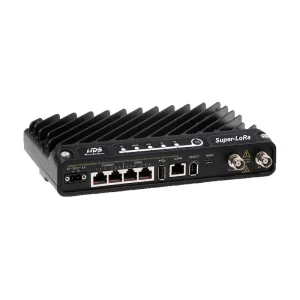
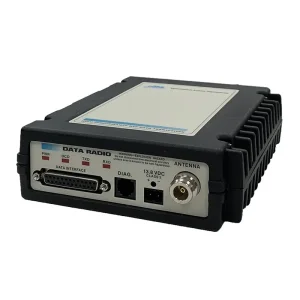
Custom Digital Link Connection Manufacturer & Supplier

High-End Industrial Wireless Solutions, MESH Self-Organizing Networks & GNSS RTK Links

Est. 1996 | Pioneer in RF Communications

Shenzhen Huaxiasheng Technology Co., Ltd.

For over two decades, Shenzhen Huaxiasheng Technology Co., Ltd. has stood as a vanguard in the service and hardware R&D sector of the wireless data transmission industry. By continually synthesizing industry-leading R&D capabilities with state-of-the-art academic partnerships, we formulate solutions tailored specifically for the rigorous demands of industrial, aerospace, and surveying sectors.

Working in collaboration with famous domestic universities and research institutes, we have independently engineered sophisticated transceivers, cognitive self-healing mesh nodes, and comprehensive multi-channel digital systems. This synthesis of high-level academic theory with practical industrial refinement has powered our rapid evolution as a preeminent supplier for mission-critical link connections worldwide.
27+
Years R&D Excellence
150+
Global Partners
50km
Max Transmission Range
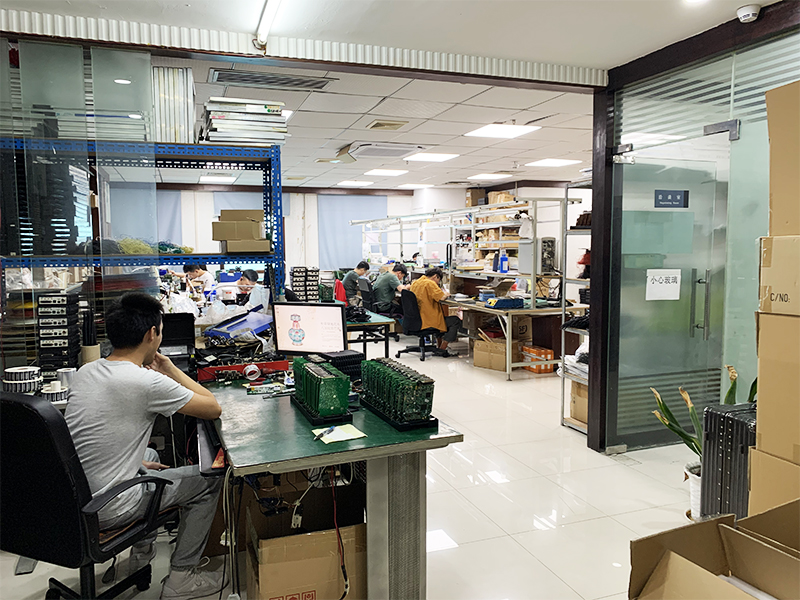
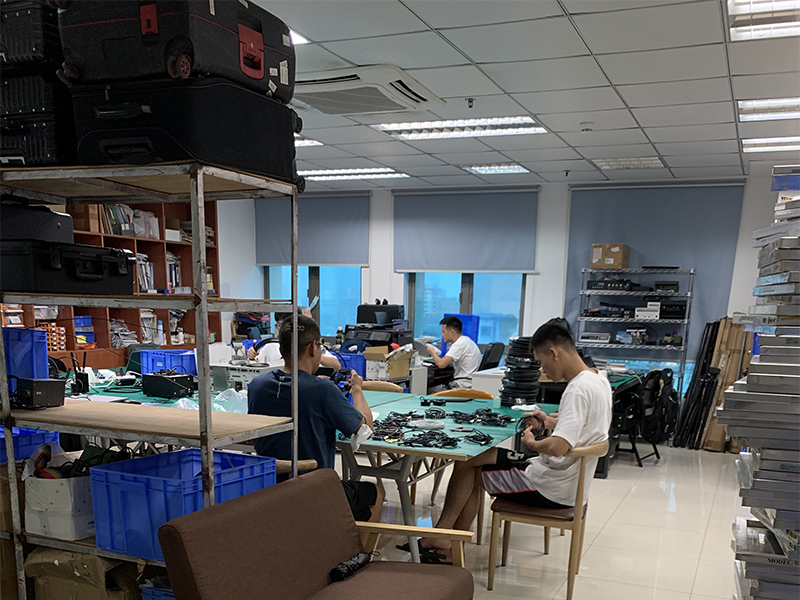
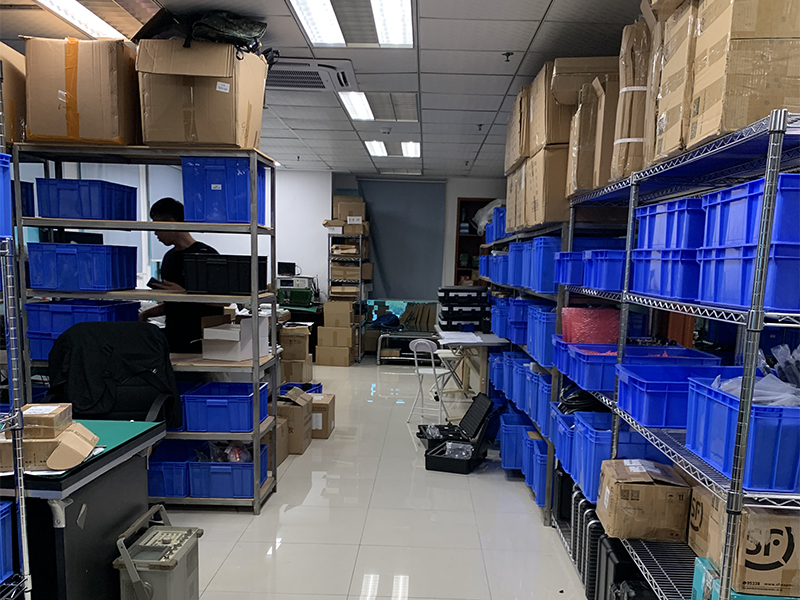
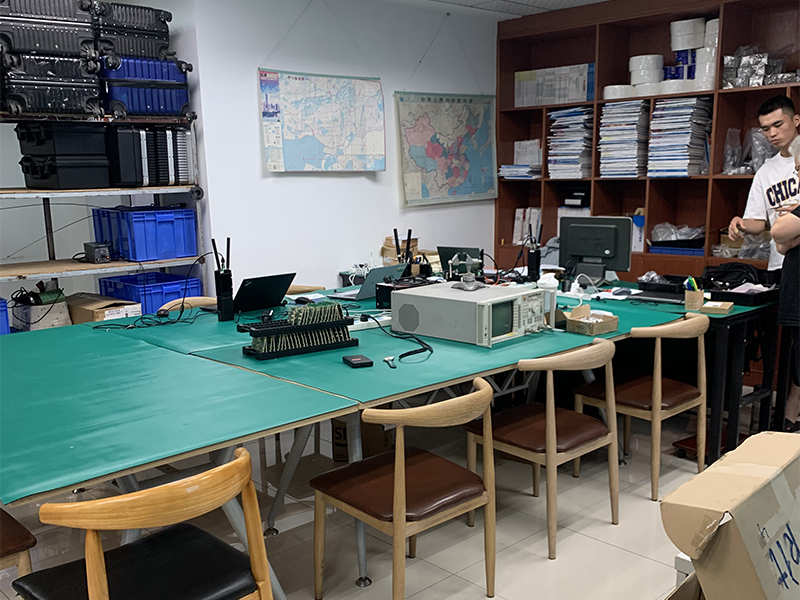
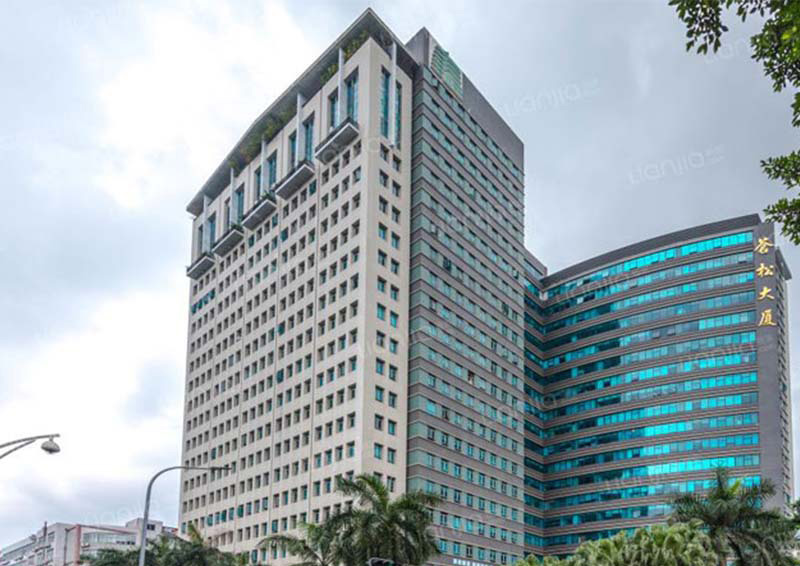
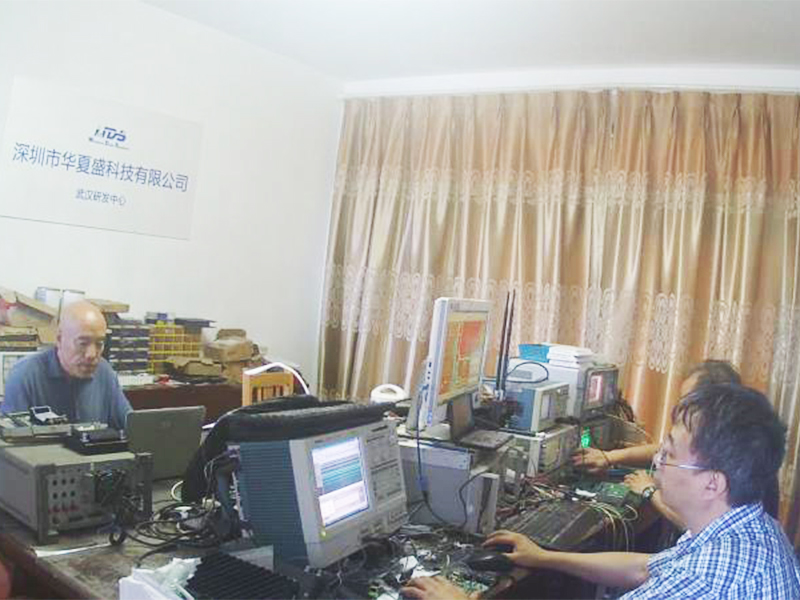
Shenzhen Huaxiasheng Technology HQ Infrastructure

Unmatched Strategic Capabilities

Discover the operational foundation that positions Shenzhen Huaxiasheng Technology Co., Ltd. at the absolute zenith of the industrial communication landscape.

World-Class Manufacturing

As a leading communication product development and production provider in the MESH self-organizing network industry, we curate rich product varieties with leading performance, ultra-long transmission range, high data rates, and robust anti-interference systems.

End-to-End Professional Services

We combine high-performance product execution with premier pre-sales and post-sales technical consulting. Every technical solution is engineered to ensure clients implement, configure, and secure their networks with total regulatory compliance and operational efficacy.

Innovative Technical Vision

Providing advanced, high-quality, reasonably priced digital connectivity options is our fundamental standard. Driven by pioneering active innovation, we produce robust, reliable, and secure wireless data transmission solutions that power modern industrial control automation.

Industry White Paper / Global Procurement Guide

Strategic Evolution of Digital Link Connections: Overcoming Spectral Hurdles in Industry 4.0

In the contemporary hyper-connected industrial architecture, raw data has transitioned from a supporting asset to the central lifeblood of automated processes. The deployment of Custom Digital Link Connections represents the modern technological response to the vulnerabilities of standard commercial networks. High-density urban centers, expansive offshore gas fields, and dynamic agricultural complexes require zero-latency, high-bandwidth data transfers that function even in saturated electromagnetic fields.

Information Gain Paradigm: Traditional wireless link architectures utilize fixed-frequency channels, rendering them exceptionally vulnerable to narrowband jamming, localized interference, and physical multipath fading. Our research-driven MIMOmesh and DDLmesh architectures overcome these vulnerabilities by utilizing Cognitive Ad-Hoc networks. These dynamic arrays self-heal, self-configure, and continuously recalculate spatial paths to circumvent environmental and electrical impediments.

The Unparalleled Technical Advantage of China's Advanced RF Manufacturing Ecosystem

Shenzhen, China has evolved past its historical designation as an assembly center, morphing into the global epicentre for high-frequency radio science and precision telecommunication engineering. The unique advantage of a Shenzhen-based factory lies in supply chain consolidation, immediate R&D-to-production agility, and structural economic efficiency.

At Shenzhen Huaxiasheng Technology Co., Ltd., we combine the component-level procurement speed of the local ecosystem with rigorous quality control methodologies (including dynamic thermal cycling, high-vibration stress screenings, and comprehensive automated RF calibration). The result is premium-tier MESH and GNSS systems that rival Western defence-grade hardware at highly sustainable, capital-efficient price points.

Component-Level Integration Direct access to the latest RF ICs and high-speed signal processing units allows us to incorporate cutting-edge silicon architectures months before domestic assembly sites outside the region.
Rigorous Academic Caliber Through our ongoing R&D partnerships with famous domestic universities, our products utilize custom firmware, optimized spectral protocols, and dynamic routing algorithms.
Scalable Customization (OEM/ODM) Whether adapting wireless modules to unusual drone chassis configurations or adjusting bandwidth requirements for localized sub-GHz protocols, our manufacturing systems are built for fast, agile turnaround.
Environmental Durability Protocols Every piece of equipment is subjected to intensive IP67/IP68 testing, ensuring structural operation throughout extreme thermal variations, saltwater exposure, and severe shock cycles.

Pervasive Application Domains and Technical Deployments

The application spectrum of our high-speed digital transceivers, network radios, and AD-HOC self-organizing nodes ranges across numerous key industries:

  • Energy Grid Infrastructure: Long-range, multi-point RTU and SCADA telemetry across gas pipes, remote oil wells, and high-voltage transmission lines, mitigating safety risks and automating failure responses.
  • Robotics and Autonomous Systems: High-bandwidth, low-latency COFDM wireless video links enabling safe operations of Unmanned Aerial Vehicles (UAVs), Unmanned Ground Vehicles (UGVs), and maritime autonomous vessels.
  • Scientific Geodesy & Mapping: Real-time kinematic (RTK) correction transmission enabling ultra-precise millimeter-level location data for engineering, agricultural automation, and architectural surveys.
  • Smart City Municipal Management: Environmental sensors, street light mesh control nodes, seismic telemetry, and high-definition mobile camera deployments that maintain operation during major municipal power outages.

Future Trends: Industry Shift Towards Cognitive Ad-Hoc MESH Protocols

We are currently witnessing a historic paradigm shift in digital wireless networking. The traditional top-down hub-and-spoke star configurations are progressively being replaced by fully decentralized, heterogeneous peer-to-peer MESH topologies. Modern networks must dynamically self-regulate to support fluctuating data loads, prioritize real-time control streams, and mitigate local RF congestion.

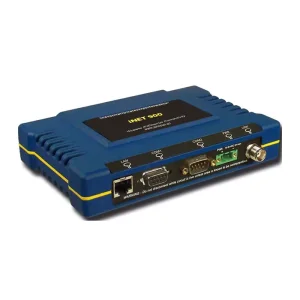
Furthermore, security has taken center stage. The integration of AES-256 link-layer encryption, dynamic frequency hopping (FHSS), and cryptographically signed data packets are no longer optional additions but core operational baselines. By integrating these systems directly into our MIMOmesh and iNET modules, we ensure that global industrial infrastructures remain completely isolated from malicious cyber intrusions.

Physical Hardware Integration Showcase

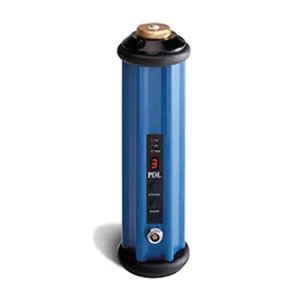
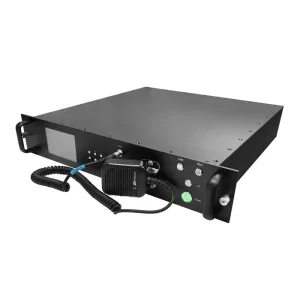
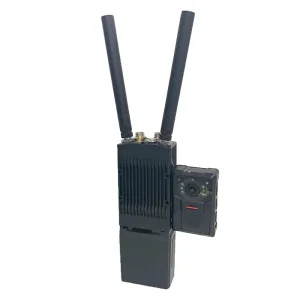
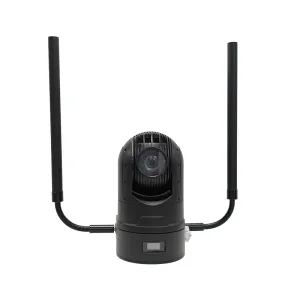
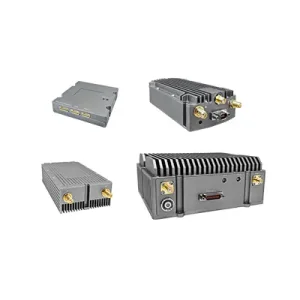
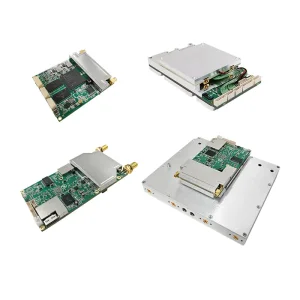
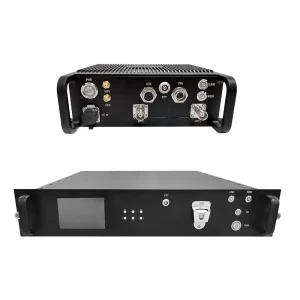
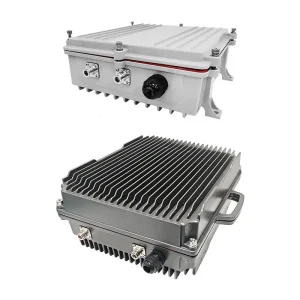
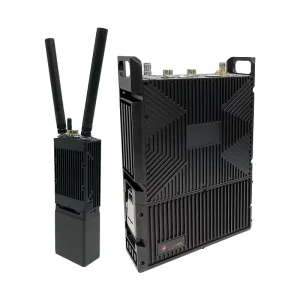
Our hardware is deployed within customized enclosures, vehicle dashboards, and aerodynamic airborne brackets. View our industrial design configurations:
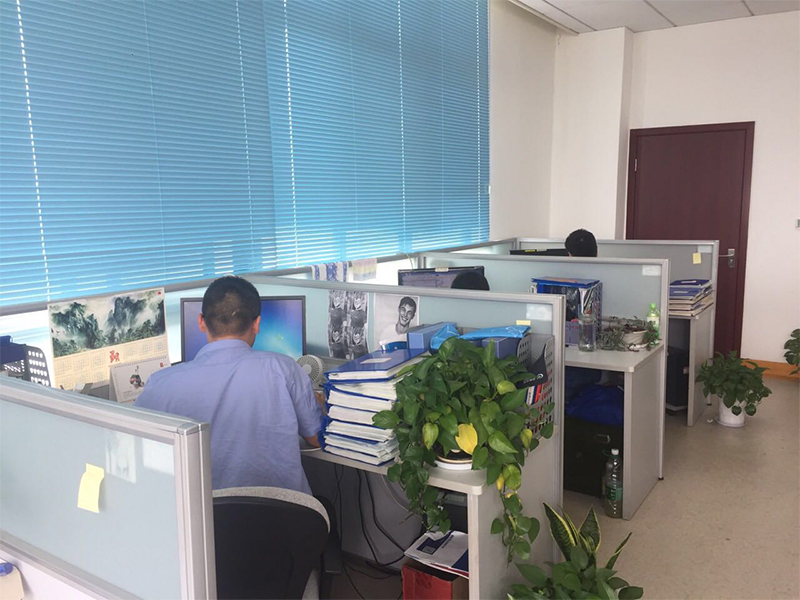
Industrial Data Transmission Assembly Line Unit
MIMOmesh Core Module Component View
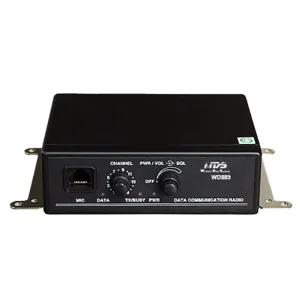
SCADA Digital Data Radio RF Shielding
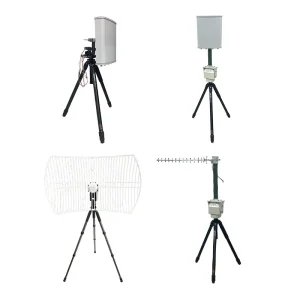
Antenna Automatic Tracking Servo Base
RTK Wireless Data Link Module Visual
Rugged Vehicular Transceiver Shell Unit

Expert Procurement Technical Q&A

Direct answers from our senior RF design engineers and global procurement coordinators concerning industrial Digital Link deployment.

What is the maximum achievable transmission distance for your DDLmesh Airborne and Vehicular Series?
For line-of-sight (LOS) scenarios, particularly in airborne configurations (UAV-to-ground), our specialized DDLmesh series achieves stable HD video and control signal transmissions exceeding 30 to 50 kilometers. In heavily built urban environments (NLOS - Non-Line-of-Sight), range depends on structural density, but is optimized via dynamic multi-hop routing, allowing signals to bypass physical obstacles by utilizing intermediate node relays.
How do Shenzhen Huaxiasheng Technology products handle severe signal interference and dynamic multipath fading?
We use specialized OFDM (Orthogonal Frequency-Division Multiplexing) and advanced MIMO (Multiple-Input Multiple-Output) antenna schemes, paired with Fast Frequency Hopping Spread Spectrum (FHSS) algorithms. These systems continuously monitor link quality across available spectrum blocks, automatically shifting sub-carrier frequencies in milliseconds to circumvent localized narrow-band interference and cancel out signal reflections caused by metallic infrastructure.
Can the MIMOmesh module series be fully customized under OEM/ODM partnerships?
Yes, absolutely. We offer highly flexible, hardware-level and firmware-level OEM/ODM customization. This includes altering physical form factors, adjusting frequency parameters (e.g., custom military or municipal sub-bands from 300MHz to 5.8GHz), tailoring onboard interface protocols (Ethernet, TTL, RS232, RS485, CAN bus), and modifying transmission output power limits to conform with local international telecommunication regulations.
What protocols and encryption standards are integrated to secure sensitive wireless telemetry data?
Our systems support military-grade end-to-end encryption standards, primarily hardware-accelerated AES-128 and AES-256 encryption. Along with standard dynamic encryption key management, we support proprietary RF air interface handshakes and network node authentication protocols. This prevents raw data interception, spoofing, and malicious remote takeover attempts in critical infrastructure networks.
How do you ensure GNSS/RTK Wireless Data Links maintain millimetric accuracy in agricultural and survey equipment?
Our specialized GNSS/RTK Wireless Data Links are engineered with high-stability local oscillators and ultra-low phase noise RF front-ends. This design minimizes packet loss and maintains high throughput for differential correction data streams (such as RTCM formats). It ensures that mobile field units receive correction signals with microsecond latency, preserving centimeter-level and millimeter-level RTK positioning accuracy over vast spatial grids.