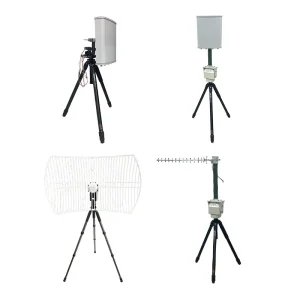
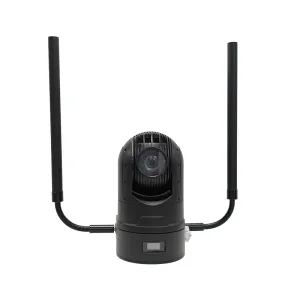
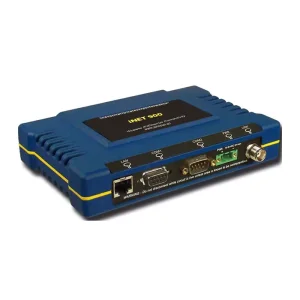
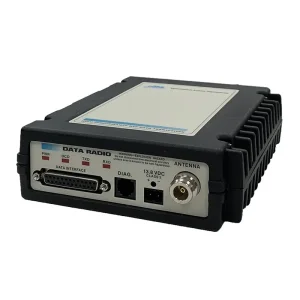
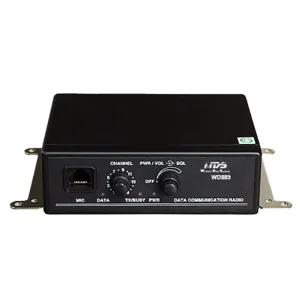
High-performance hardware optimized for long-range, anti-interference, and harsh environments.
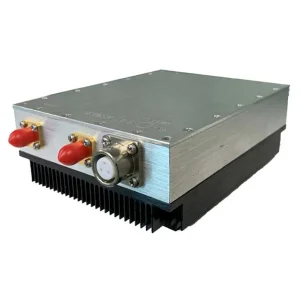
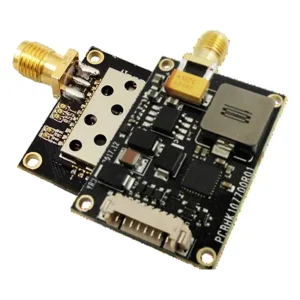
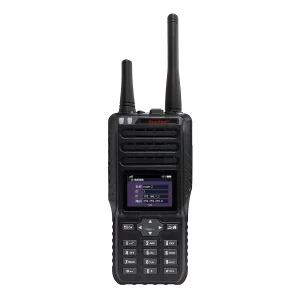
Developing network infrastructure in Timor-Leste (East Timor) presents a unique set of geographic, climatic, and structural hurdles. With rugged topography stretching from the mountainous central highlands—culminating at Mount Ramelau—to the vast marine expanses of the Ombai Strait and Timor Sea, wired backhaul options like optical fiber are exceptionally difficult and costly to deploy. Consequently, the country depends heavily on high-availability, long-range wireless links for industrial telemetry, smart utility management, maritime surveillance, and emergency response operations.
To bridge this divide, system integrators, government entities, and private enterprises require commercial off-the-shelf (COTS) and highly customized wireless solutions. Key operating bands such as VHF, UHF, L-band, S-band, and C-band must be carefully managed to satisfy local regulations established by the Autoridade Nacional de Comunicações (ANC), while providing robust resilience against heavy seasonal monsoons and high levels of atmospheric humidity. Sourcing systems that feature Frequency Hopping Spread Spectrum (FHSS) and MIMO-based Mobile Ad-Hoc Networks (MANET) ensures high-speed, anti-interference performance even in the most remote areas.
For applications in mining, offshore petroleum extraction, coastal defense, and civil utilities in Timor-Leste, wireless links must support:
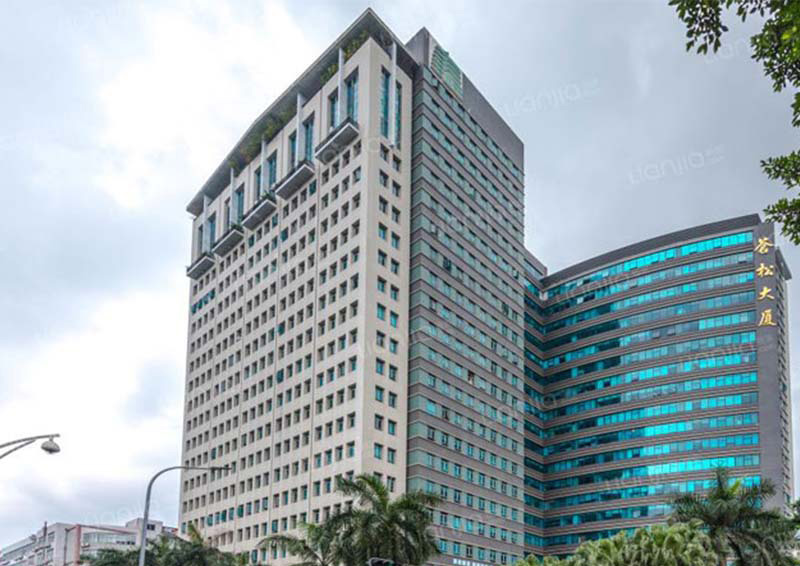
Shenzhen Huaxiasheng Technology Co., Ltd. has been at the forefront of wireless data transmission engineering, product development, and systems deployment since 1996. For nearly three decades, we have continuously innovated by leveraging partnerships with top-tier domestic universities and research institutions to design and manufacture industry-leading hardware tailored to complex global environments.
We operate as a premium provider of communication products in the MESH self-organizing network (AD-HOC) space. Our products are recognized for their extensive transmission range, high throughput rates, exceptional anti-interference capabilities, and physical robustness. By controlling the entire development cycle—from board layout to firmware optimization—we deliver both high-volume OEM/ODM manufacturing and bespoke custom builds for specific field challenges.
Our Shenzhen factory is equipped with advanced automated SMT production lines, high-precision RF analysis arrays, and comprehensive environmental simulation chambers to guarantee product reliability under the toughest conditions.
We provide full link budget calculation, path analysis, frequency planning assistance, and post-installation tuning. This ensures your wireless systems operate safely and correctly from day one.
Our focus is to deliver reliable wireless data solutions that streamline automation. By optimizing manufacturing efficiencies in China, we offer exceptionally priced equipment to systems integrators worldwide.
Self-organizing, long-range IP networks designed to maintain connectivity in dynamic situations.
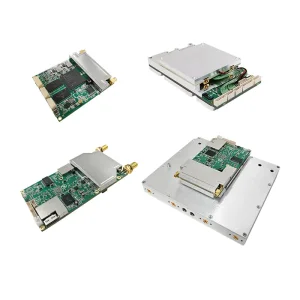
In telemetry and digital data transmission, selecting the right frequency and modulation technique is critical to overcoming path loss and signal fading. For tropical environments like Timor-Leste, several technical factors must be considered during link design:
| Technology Type | Frequency Bands | Key Advantages | Primary Use Case in Timor-Leste |
|---|---|---|---|
| Frequency Hopping (FHSS) | 902–928 MHz / 2.4 GHz | Outstanding immunity to multi-path interference; high security. | Remote SCADA systems and RTK surveying in mountainous terrain. |
| Broadband MANET Mesh | UHF / L-Band / S-Band | Self-forming, self-healing routing algorithms; no fixed base station needed. | Tactical military communications, emergency services, and mobile robotics. |
| LoRa Low-Speed Links | 433 / 868 / 915 MHz | High link budget; low power requirements; great range. | Agricultural monitoring and utility sensors in rural districts. |
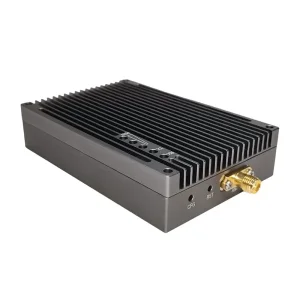
| High-Power BiAMPs | VHF to C-Band | Boosts transceiver output power; improves overall signal margin. | Long-distance maritime telemetry and offshore oil platform linking. |
By operating our primary manufacturing facilities in Shenzhen, China, Shenzhen Huaxiasheng Technology Co., Ltd. bridges the gap between high-level technology and cost efficiency. Our production process utilizes high-speed Yamaha and Samsung SMT placement lines to ensure absolute precision for dense RF component layouts. Following assembly, each module undergoes rigorous testing, including burn-in cycles in environmental chambers and comprehensive testing on Keysight vector network analyzers. This systematic quality control allows us to offer rugged, reliable telecommunications hardware to operators in developing markets like Timor-Leste at a fraction of the cost of western alternatives.
How our systems solve real-world communication challenges in Timor-Leste's key industries.
Deploying high-power BiAMP bi-directional RF amplifiers and tracking antennas ensures reliable, high-speed connections between offshore platforms, drilling rigs (such as those in the Greater Sunrise field), and onshore processing facilities in Suai.
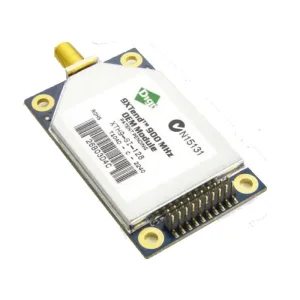
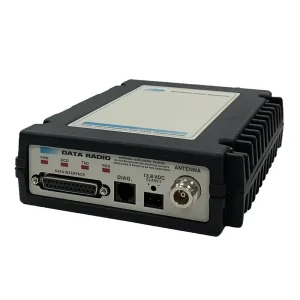
Using 900MHz FHSS digital data radios like the FGR2 or SCADA modules allows telemetry systems to maintain stable connections despite the non-line-of-sight conditions caused by Timor-Leste's rugged central mountain ranges.
During monsoons or earthquakes, our MANET broadband mesh handheld radios and quick-deploy mesh cameras allow civil defense teams in Dili and Baucau to quickly establish self-healing communication networks without relying on traditional cellular infrastructure.
A look inside our advanced manufacturing, testing, and system development facilities.
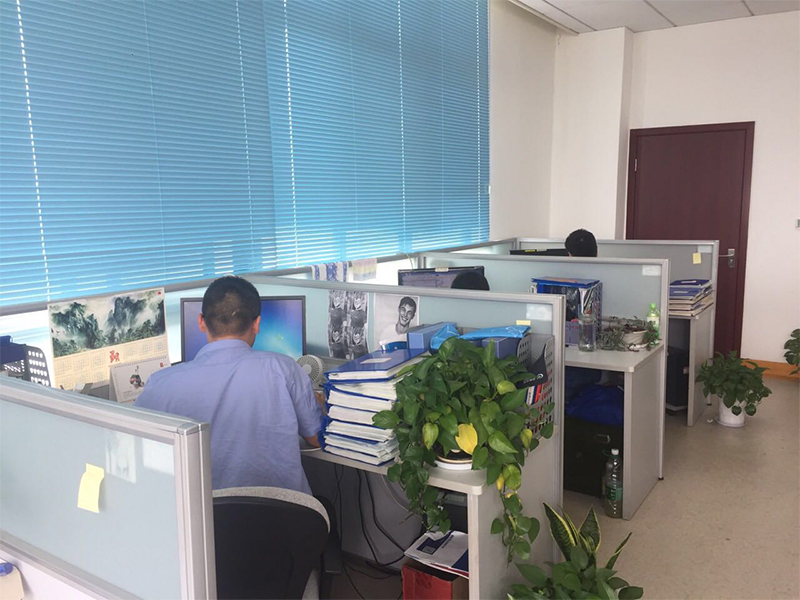
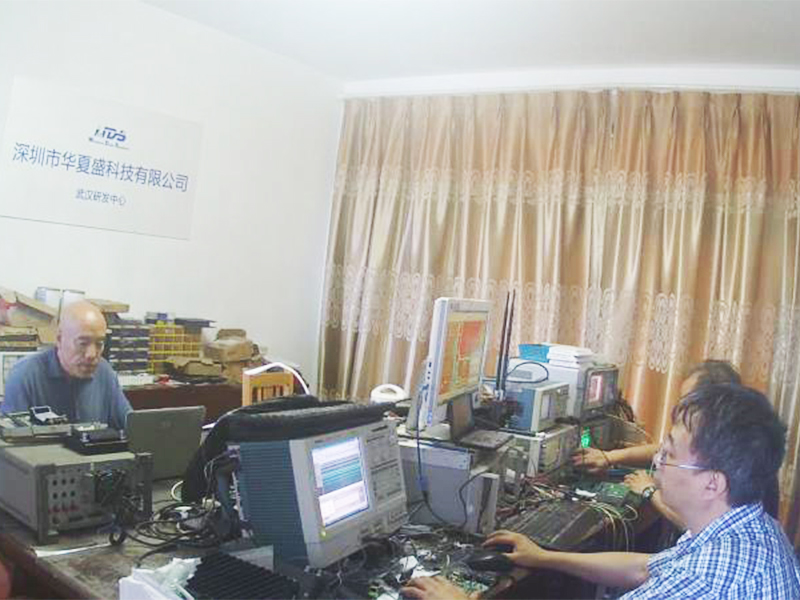
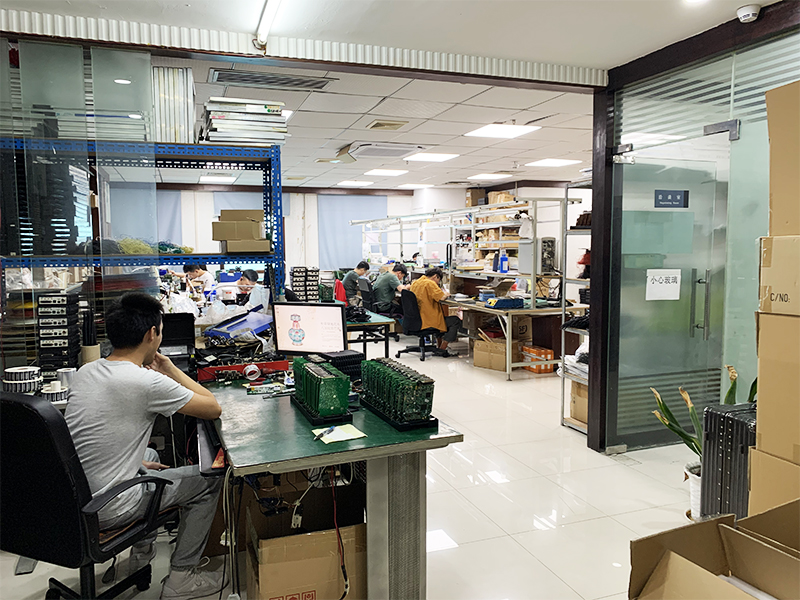
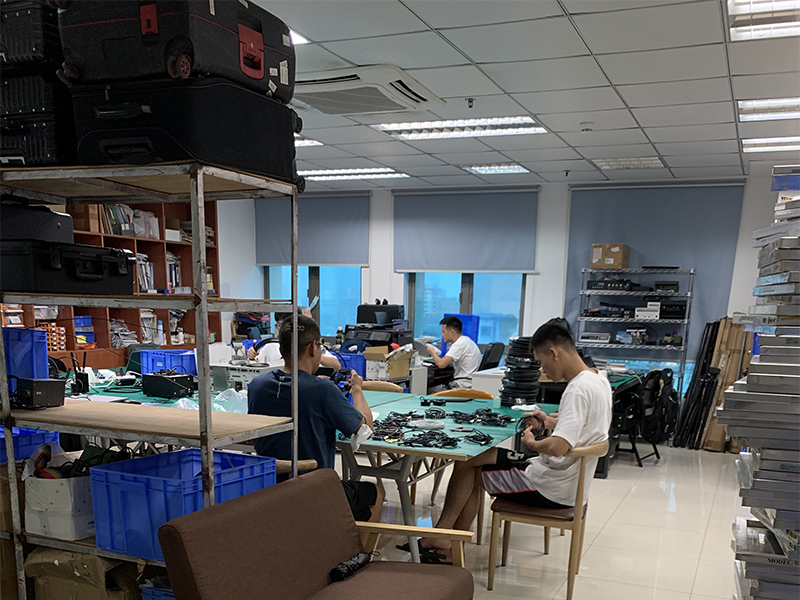
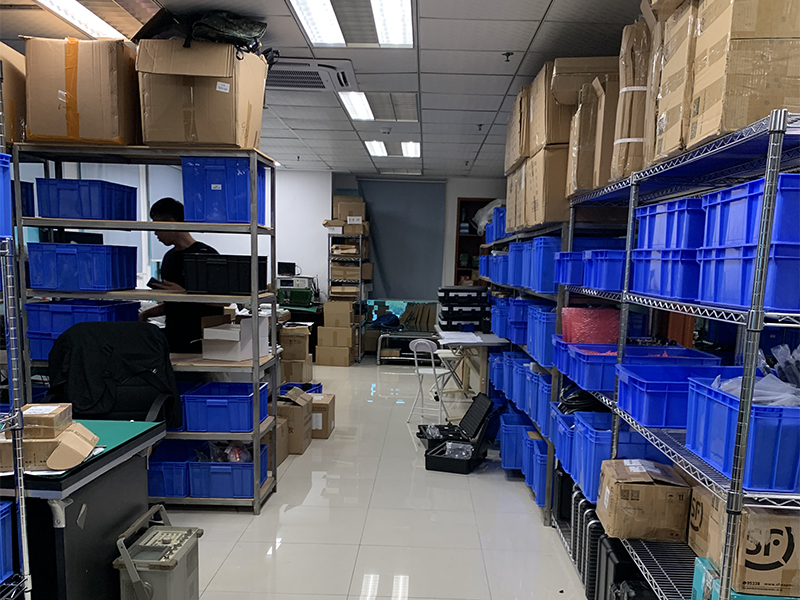
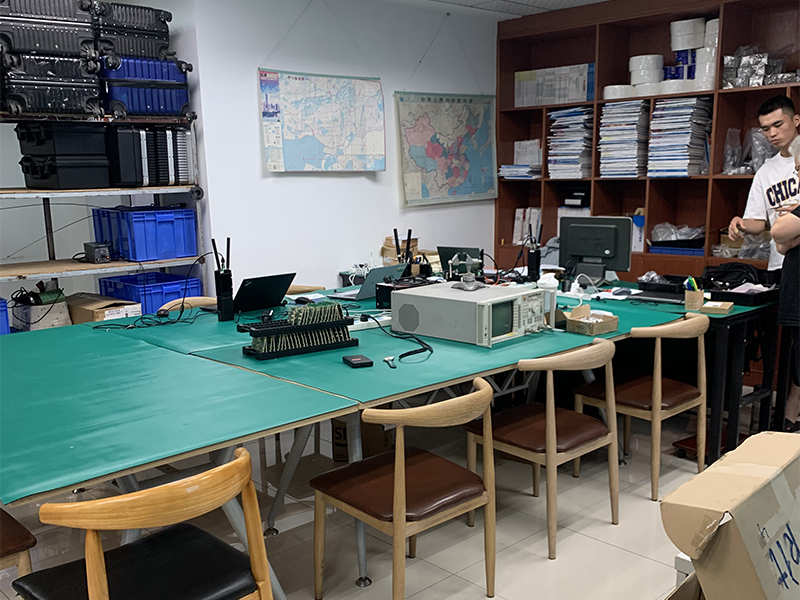
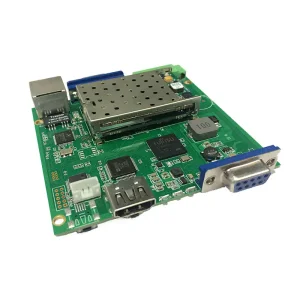
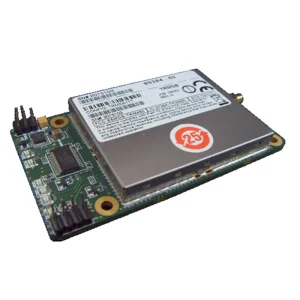
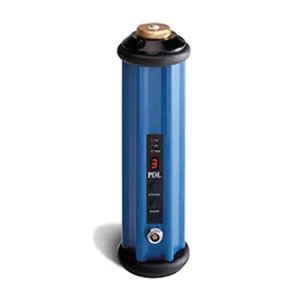
At present, Shenzhen Huaxiasheng Technology Co., Ltd. develops and produces a comprehensive range of advanced digital communication products. Our technology catalog includes high-performance digital data transmission radios, intelligent transceiver modules, high-speed frequency hopping systems, industrial wireless Ethernet modems, high-definition network video links, AD-HOC/MESH self-organizing networks, GNSS/RTK wireless data links, industrial wireless remote I/O terminals, rugged handheld voice transceivers, bi-directional RF power amplifiers, hardware voice codecs, and multi-port serial converters.
These products are widely deployed across the following fields:
Find answers to key technical, logistical, and custom engineering questions.
Timor-Leste experiences heavy rainfall during the wet season, which can cause signal attenuation, particularly on frequencies above 10 GHz. For long-distance connections, we recommend using lower frequencies, such as VHF, UHF, or sub-GHz bands (such as 900 MHz). Additionally, using our bi-directional RF power amplifiers (BiAMP series) increases your link budget margin, helping to ensure stable connection reliability during severe storms.
Yes. Our digital transceivers and SCADA modems support flexible frequency tuning via software commands. We configure our hardware to comply with local frequency allocations specified by the Autoridade Nacional de Comunicações (ANC), including standard unlicensed bands (such as 915 MHz or 2.4 GHz) and licensed VHF/UHF industrial ranges.
Our BEAMmesh and MIMOmesh series utilize advanced Mobile Ad-Hoc Network (MANET) protocols. Every station or handheld device acts as an intelligent repeater node. If a direct path is blocked by a mountain ridge or dense forest, the network automatically and dynamically reroutes data through adjacent nodes. This self-healing architecture maintains reliable connection pathways without relying on fixed cellular towers.
Yes. We offer rugged, weather-sealed enclosures designed for high-humidity, marine, and offshore environments. Our antenna tracking platforms can automatically align directional antennas on support ships and floating production storage and offloading (FPSO) units in the Timor Sea, ensuring stable high-speed connections despite waves and movement.
Frequency Hopping Spread Spectrum (FHSS) continuously switches carrier frequencies within a designated band at millisecond speeds. This provides outstanding protection against deliberate jamming, unauthorized interception, and multi-path interference commonly caused by steel structures in industrial ports and urban environments like Dili.
We provide extensive engineering customization, including adjustments to operational frequencies, custom RF output power levels, board layouts for tight physical enclosures, specialized connection interfaces (e.g., RS232, RS485, Ethernet, TTL), and customized firmware protocols designed to match existing legacy SCADA systems.
Our facilities are certified under ISO9001 quality management standards. Every production run undergoes automated optical inspection (AOI), multi-stage RF spectrum validation, and physical environmental stress testing (including high-temperature operation and vibration tests). This process ensures that every transceiver shipped meets strict industrial standards.
We coordinate air and sea freight logistics directly from Shenzhen and Hong Kong to Dili (via Dili Port or Nicolau Lobato International Airport). Typical air cargo delivery takes 7 to 12 business days, while bulk sea freight options are available for larger system deployments.
Select from our certified industrial communication catalog. Custom frequencies and parameters available on demand.
 Sinosun Tech