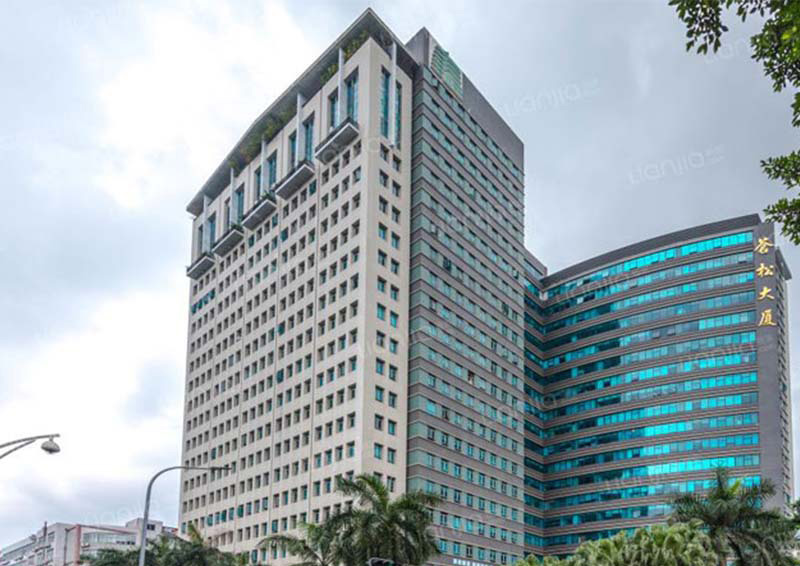
Established in 1996, Shenzhen Huaxiasheng Technology Co., Ltd. has stood at the absolute vanguard of the wireless data transmission research and development landscape for nearly three decades. As an elite developer and high-capacity manufacturing factory in the global wireless communications industry, the company has dedicated itself to pioneering RF engineering innovations, network hardware design, and complex application topologies.
Over the years, utilizing key theoretical and practical frameworks in collaboration with elite domestic universities and specialized aerospace and national telecommunications research institutes, we have built a powerful portfolio of high-performance wireless transmission equipment. By engineering solutions according to the rigorous structural demands and environmental characteristics of diverse operating sectors, we deliver robust systems optimized for high data throughput, dynamic anti-jamming capabilities, and long-range connectivity.
In the contemporary global landscape, industrial systems are transitioning rapidly toward autonomous operations, ubiquitous sensing networks, and high-fidelity real-time telemetry. Key technologies, such as Edge Computing, Industrial IoT (IIoT), and Unmanned Systems, are placing unprecedented pressure on underlying transport layer communication infrastructure. Legacy copper installations and standardized consumer Wi-Fi networks fail to meet the harsh, dynamic, and mission-critical requirements of large-scale operations.
A prominent megatrend across global communications engineering is the absolute necessity for decentralized, ad-hoc topology structures. traditional star networks rely heavily on a centralized base station. However, in active deployment sectors such as disaster response, tactical defense operations, underground mining, or automated container terminals, centralized infrastructures are highly vulnerable to physical obstruction, signal blockages, and single-point failures.
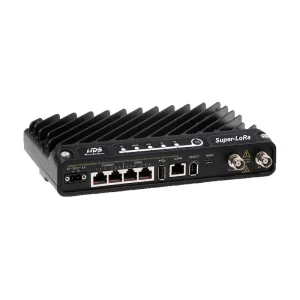
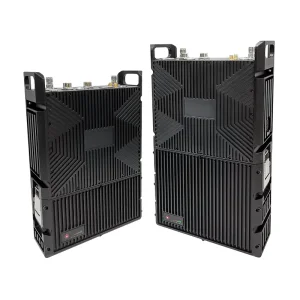
To mitigate these critical vulnerabilities, high-quality Mobile Ad-Hoc Networks (MANET) and broadband MESH solutions have emerged. These protocols allow every radio node to dynamically participate in routing processes, automatically calculating paths using advanced packet routing algorithms. Our proprietary DDLmesh and MIMOmesh systems utilize multi-channel spatial multiplexing and orthogonal frequency-division multiplexing (OFDM) schemes, ensuring reliable, low-latency, and highly secure bidirectional link performance even under severe multipath fading environments.
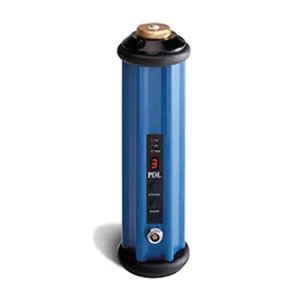
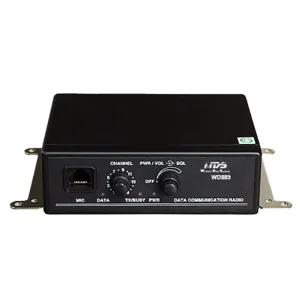
In global agricultural, geodetic surveying, and structural monitoring fields, precision centimeter-level localization is no longer an optional luxury—it is an absolute operational baseline. Real-Time Kinematic (RTK) positioning systems require continuous, uninterrupted differential correction broadcasts from base stations to mobile rovers. Our tailored Custom GNSS/RTK Wireless Data Links solve this precise bottleneck. By delivering ultra-high-frequency stability, narrow-band resilience, and exceptional carrier phase consistency, these radios ensure telemetry integrity over vast areas, shielding operations from signal dropouts caused by dense foliage, changing topography, or heavy industrial interference.
Shenzhen Huaxiasheng Technology Co., Ltd. is globally recognized as a premier communication hardware engineer in the MESH self-organizing network space. We control the complete design-to-assembly vertical process, allowing us to implement strict manufacturing standards. This yields robust, highly interference-resistant hardware characterized by extended ranges, high data transmission throughput, and rugged IP-rated protective designs.
Beyond our raw manufacturing capabilities, we back our systems with highly responsive engineering support. From pre-sales RF network analysis and propagation path modeling to post-deployment debugging and hardware firmware upgrades, our engineering team ensures that client installations deliver precise, dependable, and highly secure system integrations across even the most demanding technical environments.
Our core operational ethos centers on delivering top-tier performance, optimized total-cost-of-ownership (TCO), and unparalleled product stability. Driven by a spirit of active pioneering, we continue to engineer next-generation communications platforms that enhance automation efficiency, optimize industrial process control, and secure critical infrastructure networks worldwide.
To successfully navigate the evolving demands of autonomous operations, Huaxiasheng Technology relies on a robust multi-layered system roadmap. The design foundation focuses on several critical vectors:
By leveraging dynamic spectrum access (DSA) and cognitive radio paradigms, our next-generation systems actively monitor the noise floor, automatically hopping away from congested frequencies. This is vital in dense urban environments or heavy chemical processing plants, where industrial welding, high-voltage transmission lines, and overlapping Wi-Fi signals pollute standard radio bands. Dynamic shifting between VHF, UHF, L-Band, S-Band, and C-Band frequencies ensures that critical commands always reach their destination.
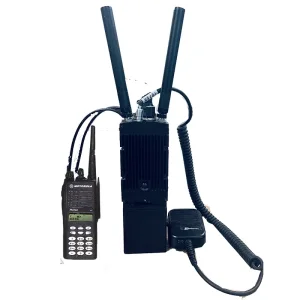
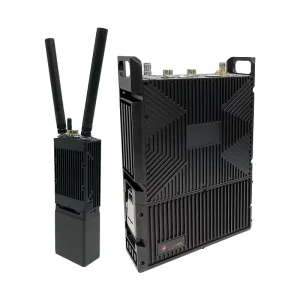
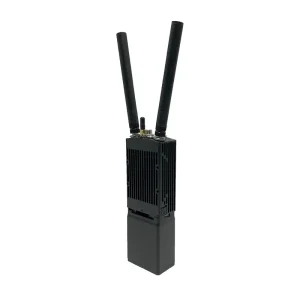
Our flagship MIMOmesh series deploys multiple antennas to establish parallel data streams, effectively multiplying link capacity without requiring extra bandwidth. This spatial diversity dramatically reduces packet loss and increases reliability in severe multipath environments, making it the perfect solution for mobile backpack networks, remote security forces, and deep forest exploration operations.
The integration of the H.265 compression algorithm, tailored protocol stacks, and Orthogonal Frequency Division Multiplexing (OFDM) in our DDLmesh series allows for sub-millisecond latency. Whether controlling a deep-sea UAV, operating remote oil derricks, or conducting high-speed geological mapping via robotic rovers, our low-latency data pathways facilitate instant real-time manual control and automated edge actions.
At Shenzhen Huaxiasheng Technology, we understand that raw hardware specifications only solve half the equation. The true challenge lies in adapting these technologies to function flawlessly under specialized sectoral constraints. Currently, our products are globally integrated into several vital macro-industry environments:
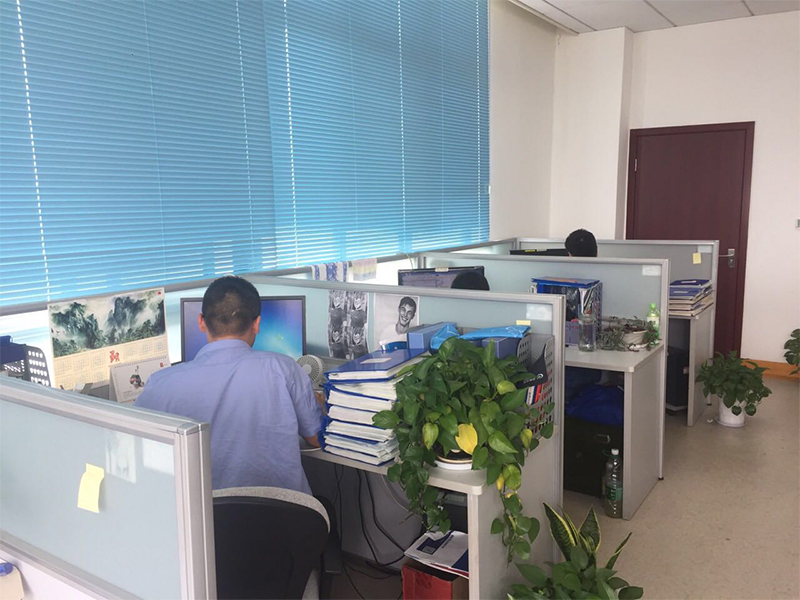
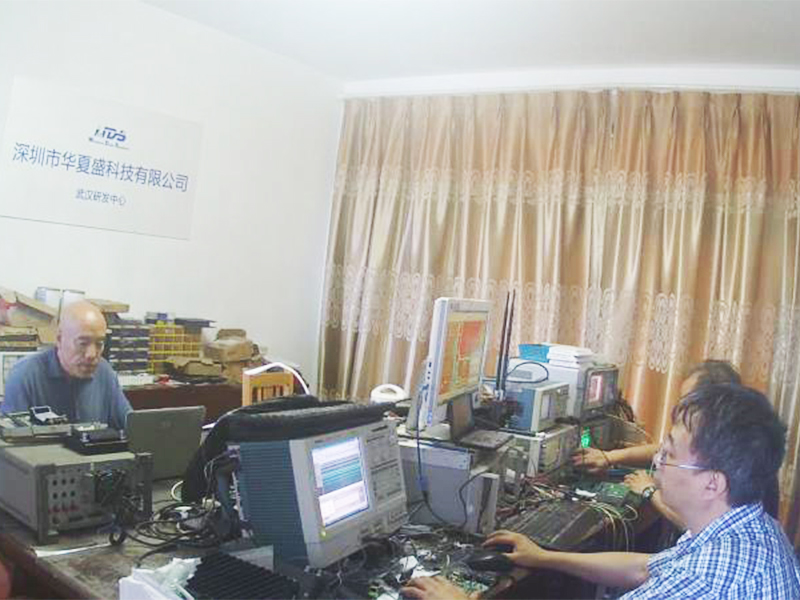
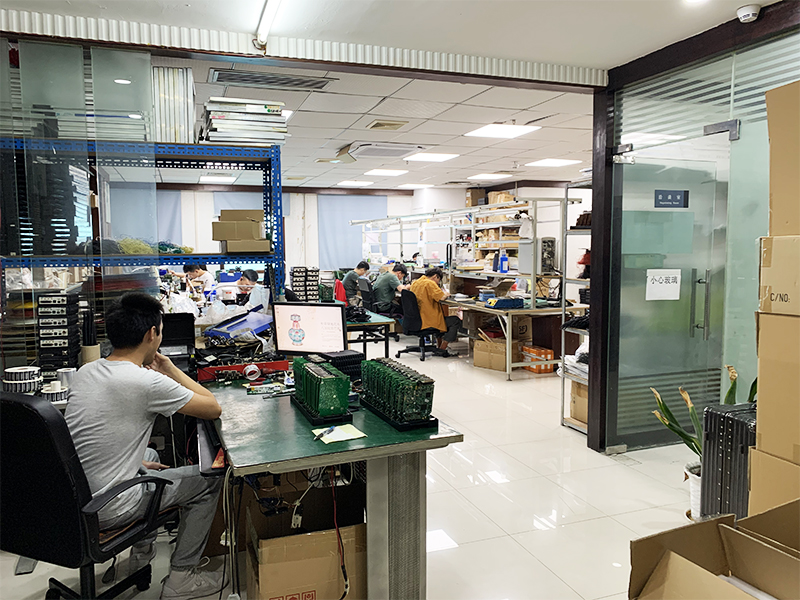
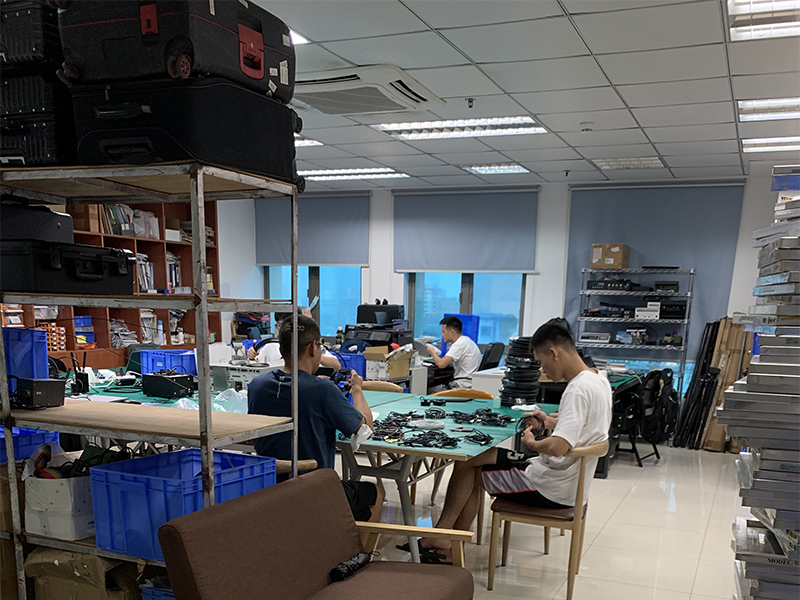
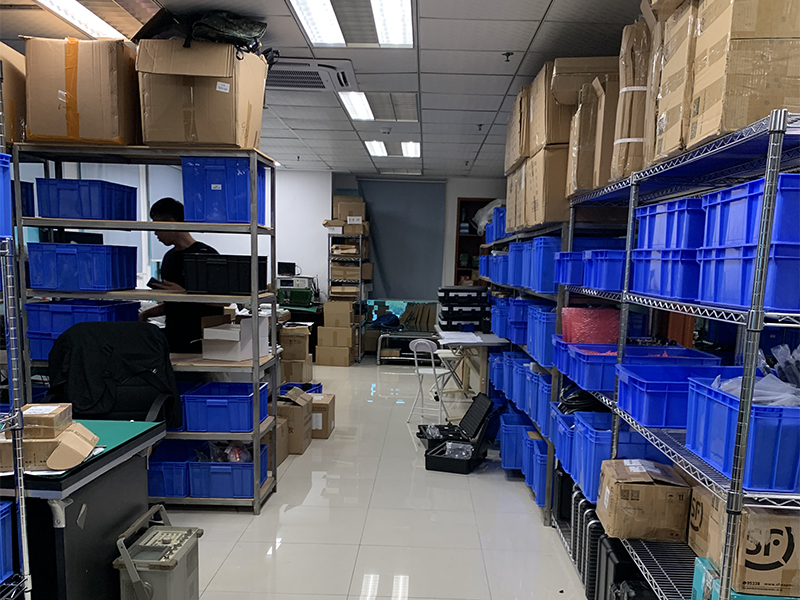
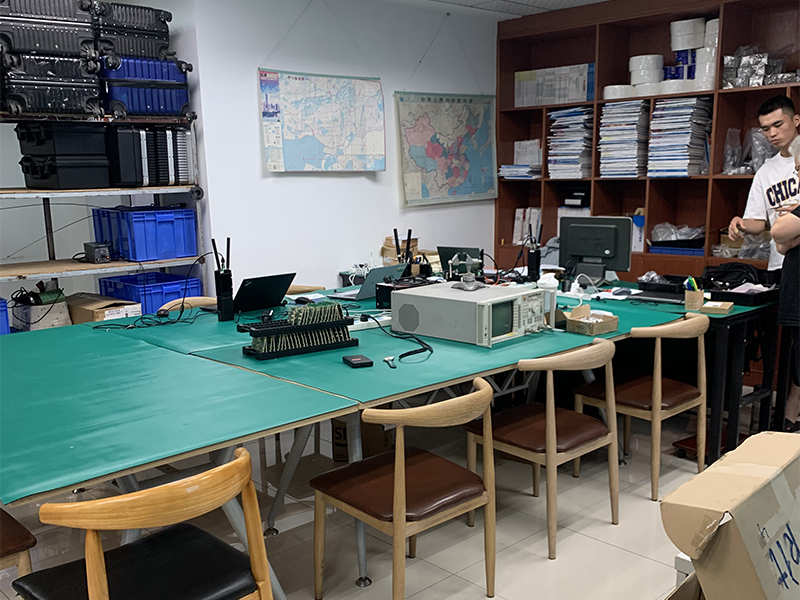
Below are official captures highlighting our actual system integration environments, hardware configurations, and production testing operations. We stand behind our quality with rigorous certification protocols and field-tested validations.
A MANET is a self-configuring, infrastructure-less network of mobile devices connected wirelessly. Unlike static, hub-and-spoke systems, every node in a MANET dynamically participates in packet forwarding and routing. If one node is blocked, packets are instantly rerouted through alternative active nodes. This delivers resilient and dependable real-time communications in dynamic environments like tactical deployments, mining fields, or emergency response zones.
We use robust technologies like Frequency-Hopping Spread Spectrum (FHSS), Orthogonal Frequency Division Multiplexing (OFDM), and spatial diversity (MIMO). Additionally, our products use software-defined cognitive radio algorithms that actively monitor spectrum noise floors. These dynamically adjust transmit power, modulation schemes, and operational frequencies to preserve link integrity, even near high-voltage installations or heavy manufacturing equipment.
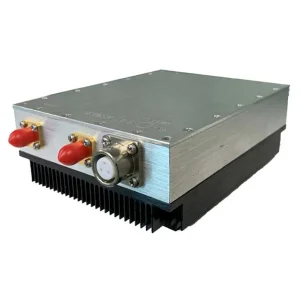
Depending on configuration, operating frequency, output power, antenna gain, and topography, our hardware can establish Line-of-Sight (LoS) links spanning from 10 kilometers to over 50 kilometers. By integrating our high-gain bi-directional RF power amplifiers (ranging from VHF/UHF to C-Band), we can successfully boost telemetry signals to maintain link budgets across extremely challenging conditions.
Key factors include: base-to-rover distance, local topography, environmental obstructions, required packet update frequency, and radio power availability. For precision agriculture or topographic mapping, narrow-band, low-latency, and phase-consistent transmitters are essential to maintain stable correction data streams (such as RTCM v3 format) for centimeter-level accuracy.
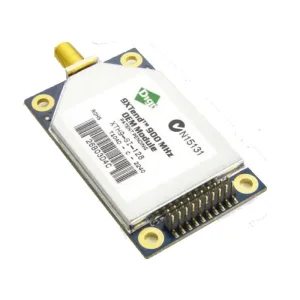
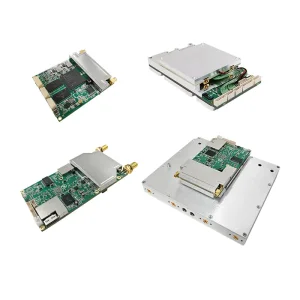
Yes, absolutely. We offer specialized OEM/ODM board-level modules (such as our DDLmesh module series) that system integrators can embed directly into customized unmanned aircraft (UAVs), ground stations, dynamic robotic control frames, and handheld communication terminals. We can adjust frequency configurations, output power limits, and physical interface standards to meet unique customer specifications.
Once product specifications are finalized, we conduct automated bench validation, temperature chamber stress testing, and real-world range testing on each product batch. All hardware comes with testing documentation. Our logistics team handles international air, sea, and land transport customs clearances, delivering ready-to-run systems straight to your facility.
 Sinosun Tech