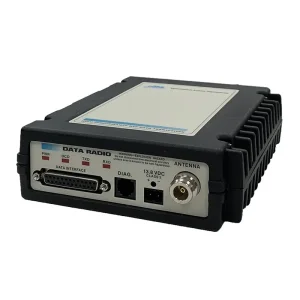
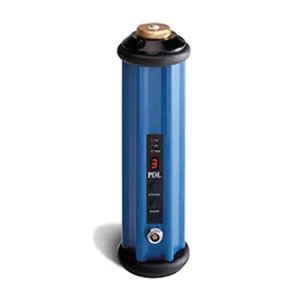
In modern industrial process automation, military defense operations, and autonomous drone fleet control, traditional cellular or fixed point-to-point infrastructure falls short. The mandate for continuous operational intelligence demands self-healing, ultra-low latency, and high-bandwidth Vehicle Mesh Networks.
A Vehicle Mesh Network (or Vehicular Ad-Hoc Network, VANET) functions dynamically without reliance on centralized cellular base stations. Every vehicle, airborne drone, base station, and handheld unit operates as a node that not only originates data but also serves as an active routing relay. By leveraging multi-hop routing, orthogonal frequency-division multiplexing (OFDM), and Multiple-Input Multiple-Output (MIMO) antenna arrays, our robust hardware creates an unbreakable connection matrix in highly cluttered, non-line-of-sight (NLOS) environments.
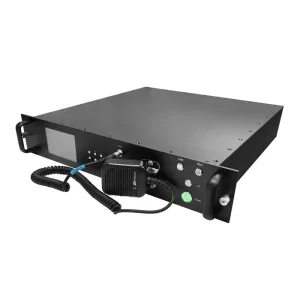
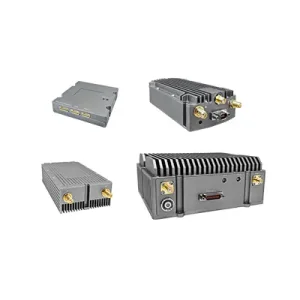
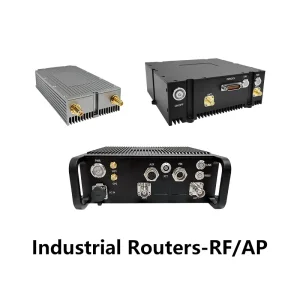
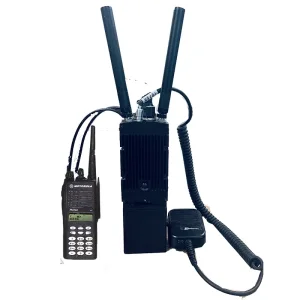
Shenzhen Huaxiasheng Technology Co., Ltd. remains at the forefront of this digital revolution, designing modular OEM/ODM nodes, rugged vehicle-mounted rack radios, lightweight airborne transmitters, and heterogeneous IP gateways tailored for critical applications.
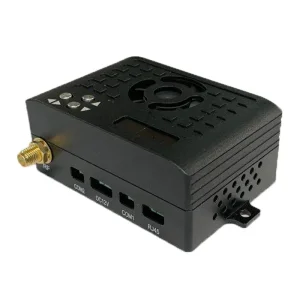
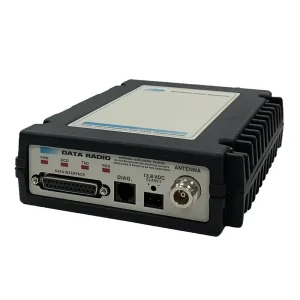
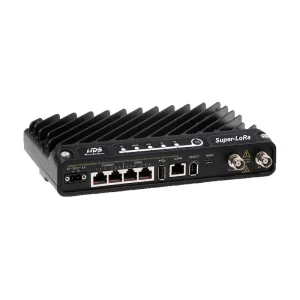
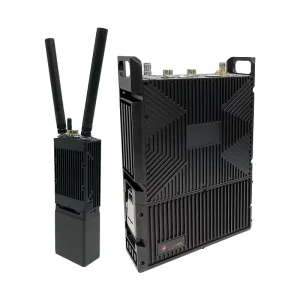
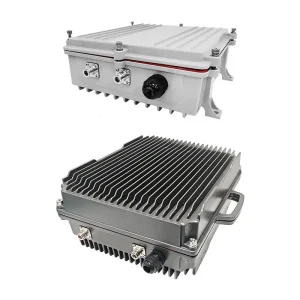
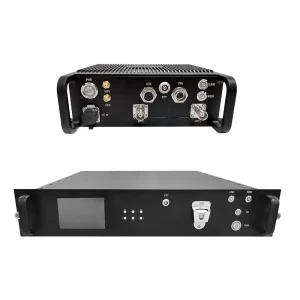
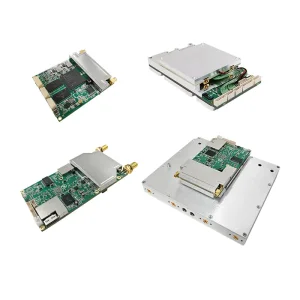
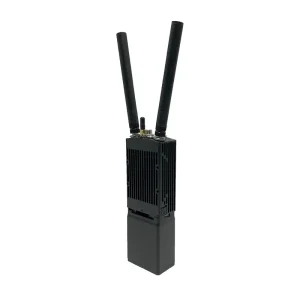
Explore our top-tier industrial transceivers, airborne modems, and modular Ad-Hoc systems engineered for maximum reliability and extreme range.
Since 1996, Shenzhen Huaxiasheng Technology Co., Ltd. has stood as a pioneer and deep technology leader in the global wireless data transmission and network engineering services industry. Over the past several decades, we have dedicated ourselves to the independent design, manufacture, and validation of rugged wireless communication links designed to withstand extreme harsh environmental situations.
By leveraging rich technical insights from famous domestic academic universities and research institutes, we produce highly complex AD-HOC/MESH self-organizing networks, intelligent digital modems, long-distance video transceivers, GNSS/RTK links, and multi-channel systems. This enables bulletproof RF communication lines for unmanned aerial vehicles (UAVs), tactical forces, autonomous utility networks, smart grids, and oil/gas fields.
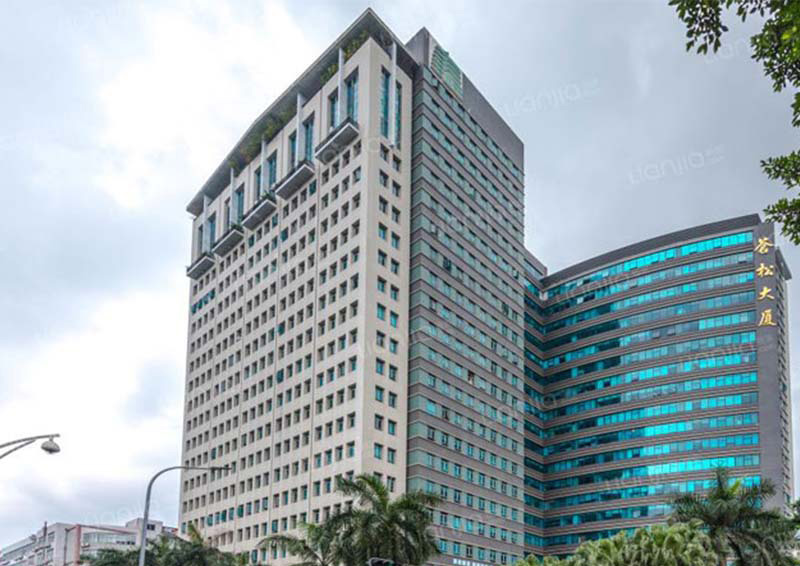
Recognized as a premier developer in the MESH self-organizing network sector. We maintain an extensive hardware portfolio featuring ultra-long ranges, leading dynamic throughput rates, and advanced frequency-hopping anti-jamming architectures.
We combine manufacturing expertise with expert pre-sales planning and after-sales engineering. Our technical support guarantees that field deployments remain secure, high-performing, and fully compliant with system parameters.
Dedicated to delivering state-of-the-art wireless capabilities at rational price points. We strive to be the constant driver behind modern control automation, industrial IoT integration, and reliable tactical field communications.
Broad Application Spectrum: Today, our independently developed product ecosystem includes robust digital transceivers, smart industrial ethernet bridges, advanced frequency-hopping systems, GNSS/RTK telemetry data links, voice intercoms, RF power amplifiers, and multi-protocol composite links. These are successfully implemented globally in oil & gas exploration, thermal heating grids, water supply management, seismic telemetry monitoring, drone fleet operations, unmanned vessels (USVs), land robots, and automated metallurgy factories.
Proven engineering numbers that define the high reliability, bandwidth capacity, and environmental resilience of our industrial wireless products.
The technological trajectory of Vehicle Mesh Networks is closely tied to the requirements of dynamic software-defined topologies. As heavy industrial and tactical deployments shift from simple telemetry data transmission to high-definition spatial map synchronization, raw spectral efficiency becomes paramount.
Frequency Agility & Cognitive Radio: Our upcoming systems integrate real-time cognitive radio frequency control. Standard fixed-band systems struggle in congested bands (such as ISM 2.4GHz/5.8GHz) due to interference. Our smart node algorithms continuously scan the electromagnetic spectrum, executing dynamic sub-carrier allocation and rapid frequency hopping to shift communications away from jammed frequencies within microseconds.
MIMO & Smart Beamforming: Next-generation vehicle systems leverage multi-polarized 2x2 and 4x4 Multiple-Input Multiple-Output (MIMO) antenna topologies. These systems use spatial multiplexing to isolate reflection paths in severe multipath propagation environments—such as urban street canyons, dense underground mines, or heavy metal petrochemical plants. Smart beamforming dynamically directs the RF energy toward active neighbor nodes, maximizing range and link stability without exceeding regulatory EIRP limits.
Modern industries require specialized solutions. Fixed infrastructure is often too expensive or physically impossible to build. Our product lines solve this challenge across several key sectors:
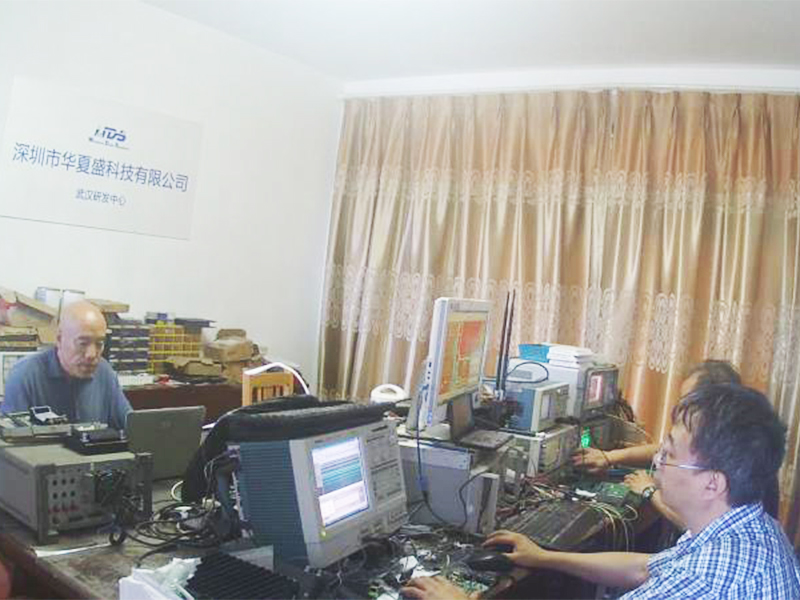
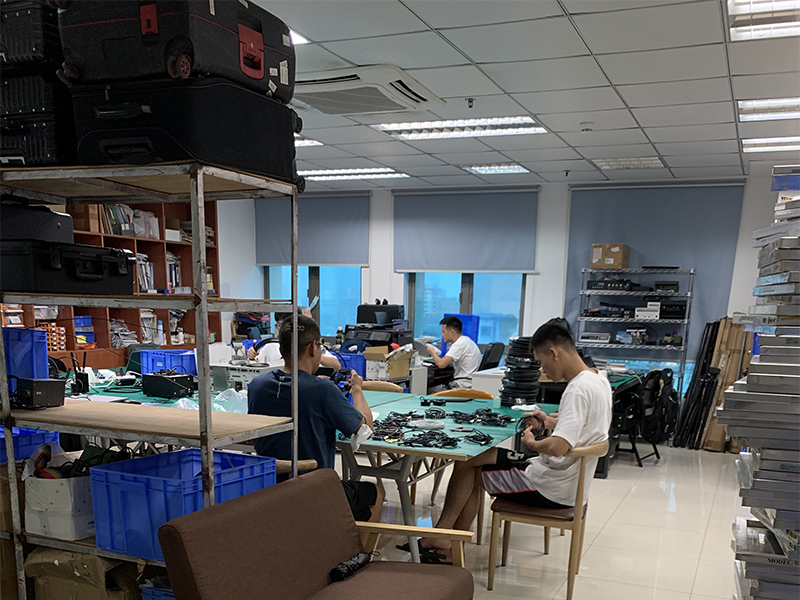
Operating out of Shenzhen, the hub of global hardware manufacturing, Shenzhen Huaxiasheng Technology Co., Ltd. leverages a sophisticated Factory 4.0 infrastructure. This capability allows us to balance rapid prototype development with scaled manufacturing, maintaining cost-efficiency without compromising quality.
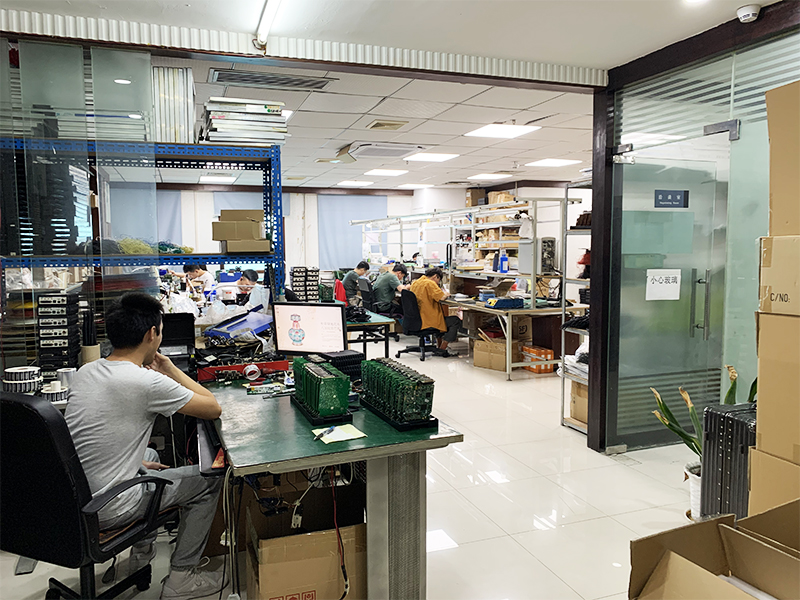
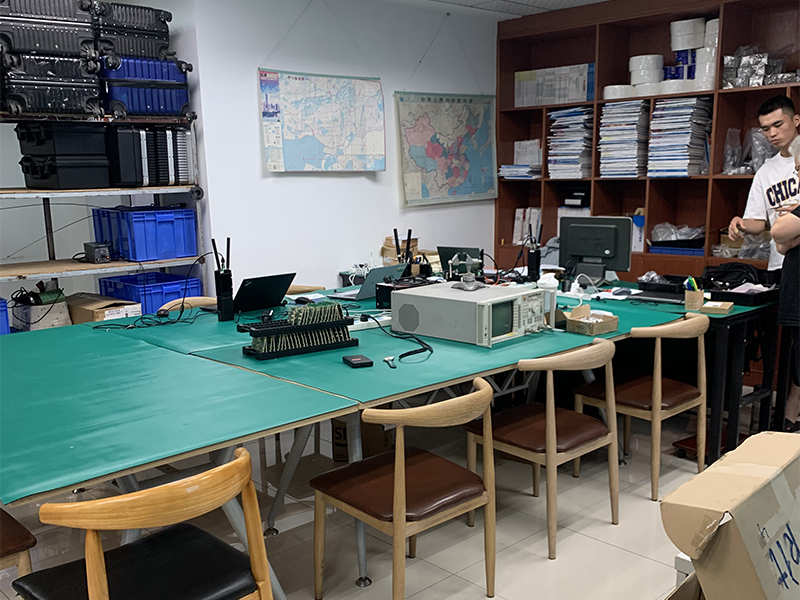
Advanced Manufacturing & Quality Control: Our automated assembly lines use high-speed surface mount technology (SMT) alongside X-ray inspection systems to ensure clean solder joints on multi-layer PCBs. Each transceiver undergoes automated optical inspection (AOI) followed by temperature chamber stress testing, vibration analysis, and individual RF calibration. This rigorous testing ensures stable power output and excellent receiver sensitivity under extreme operational stresses.
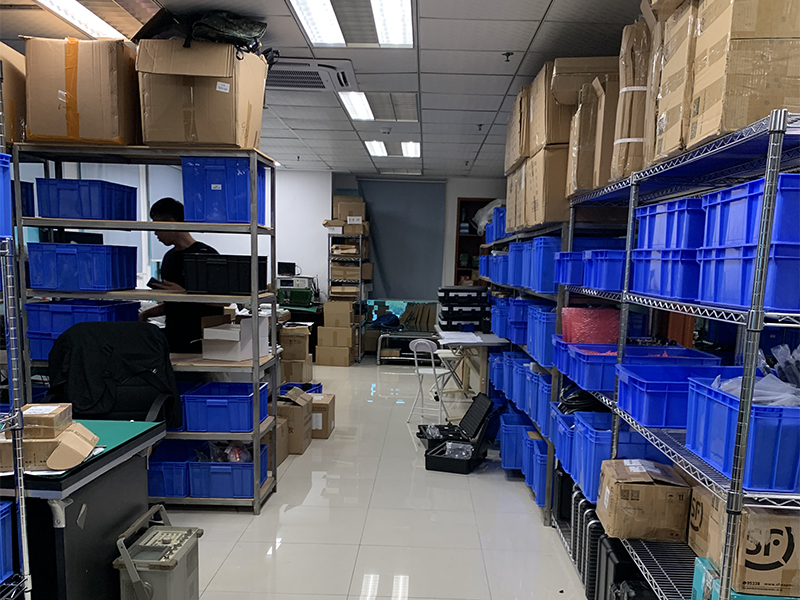
Supply Chain Resilience: Because we develop both hardware and software protocols in-house, we are highly resilient against global semiconductor shortages. Our engineering team can adapt firmware to support alternate chipsets without impacting performance, ensuring consistent lead times and reliable project delivery schedules.
Industrial wireless communication is subject to strict regional regulations. Ensuring your equipment aligns with local spectrum policies and safety standards is critical for legal operation and reliability.
Global RF Compliance: Our engineering process is built to meet international regulatory standards. We produce systems tailored to FCC (North America), CE RED (Europe), SRRC (China), and other region-specific wireless regulations. Our dynamic frequency capability allows you to adjust operating channels and output power to stay within legal EIRP limits worldwide.
Localized Engineering Integration Support: We do more than ship standard products. We support system integrators with direct engineering access, offering localized firmware configurations, antenna path analysis, and API documentation for ROS (Robot Operating System) and common industrial protocols.
For global procurement teams, sourcing wireless hardware requires balancing performance with supply chain reliability. Key considerations include:
Get answers to the most common technical questions regarding deployment, integration, and operational parameters of our Vehicle Mesh Networks.
Explore our highly integrated modules, vehicular rack-mounted transceivers, and rugged outdoor nodes designed to survive harsh weather and physical stresses.
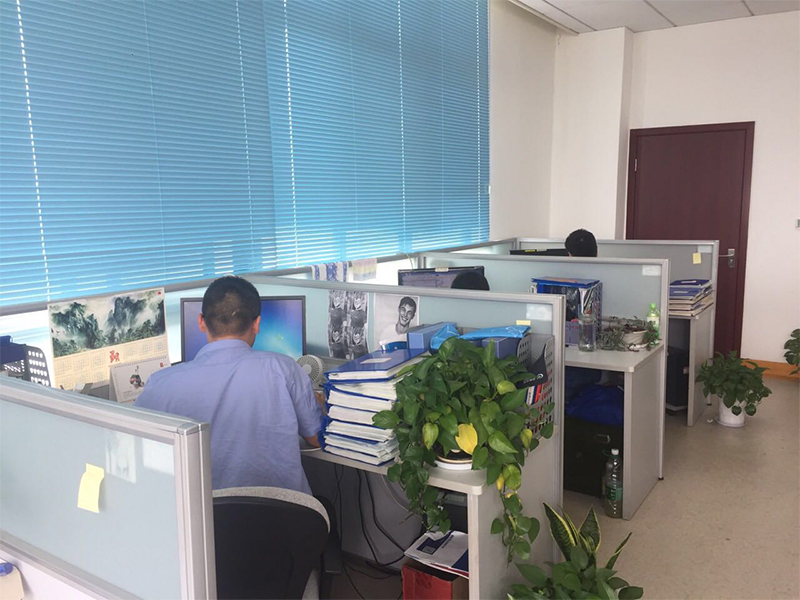
 Sinosun Tech