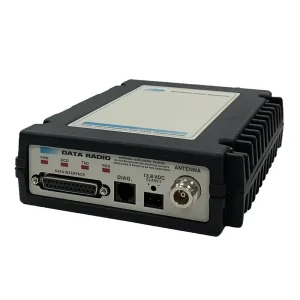
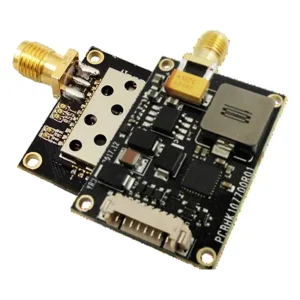
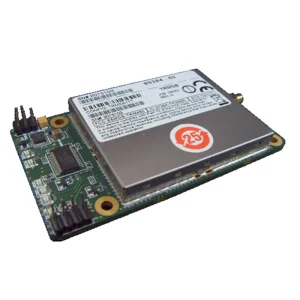
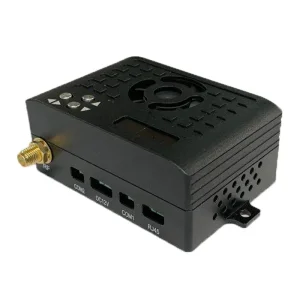
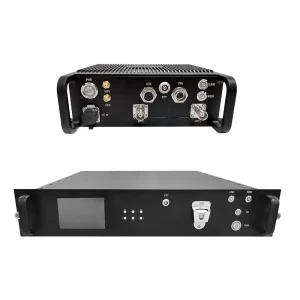
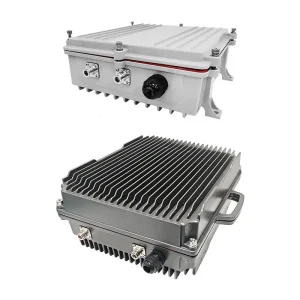
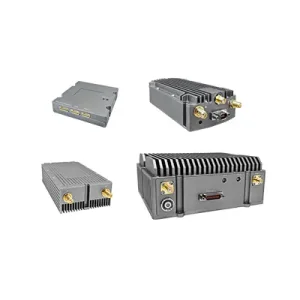
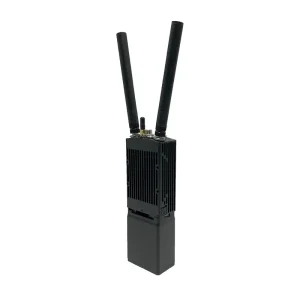
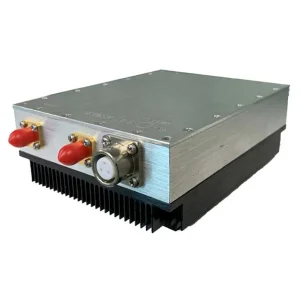
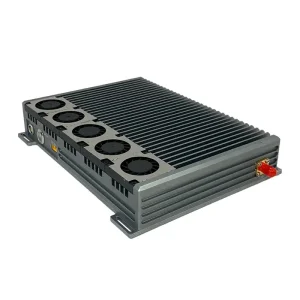
In the modern landscape of unmanned operations, real-time industrial telemetry, and high-stakes surveillance, the transmission of reliable, high-definition video over extreme ranges stands as a major technical hurdle. The pMDDL (Micro Mobile Digital Data Link) series represents the absolute pinnacle of high-throughput wireless engineering. Leveraging multi-carrier orthogonal modulation alongside adaptive spatial multiplexing, pMDDL systems deliver unprecedented spectral efficiency, latency characteristics, and hardware reliability.
Unlike traditional proprietary Wi-Fi implementations or basic point-to-point analog systems, our pMDDL series employs advanced COFDM (Coded Orthogonal Frequency Division Multiplexing) technologies. COFDM splits a single high-rate data stream across hundreds of closely spaced orthogonal sub-carriers. By applying convolutional error-correction coding and guard intervals, the pMDDL system completely mitigates multipath fading and signal cancellation typical in heavily obstructed urban environments or dynamic marine settings.
For systems integrators globally, this means maintaining a consistent 1080p Full HD video transmission feed even under extreme conditions. Real-time operation is powered by H.265/HEVC hardware acceleration codecs embedded directly into the silicon, compressing video packets with minimal processing overhead to maintain glass-to-glass latency scales below 30ms.
Across defense, smart logistics, mining, and autonomous surveying, procurement profiles are undergoing a rapid evolution. Industrial clients are shifting away from static channel wireless transceivers towards decentralized, self-healing AD-HOC MESH topologies. The capability of a single radio unit to dynamically act as a transceiver, relay point, and routing node reduces overall capital expenditure (CAPEX) while drastically expanding operational horizons.
Global buyers specify demanding performance parameters, typically requiring modules to support:
A summary of technical parameters mandated by industrial buyers and supported by our pMDDL series:
| Parameter | Industrial Standard | pMDDL Capability |
|---|---|---|
| Max Range | 15 - 30 km | 50+ km (LOS) |
| Modulation | OFDM / FSK | COFDM & MIMO |
| Video Bitrate | 2 - 8 Mbps | Up to 30 Mbps |
| Sensitivity | -95 dBm | -103 dBm |
| Op Temp | -20°C to +60°C | -40°C to +85°C |
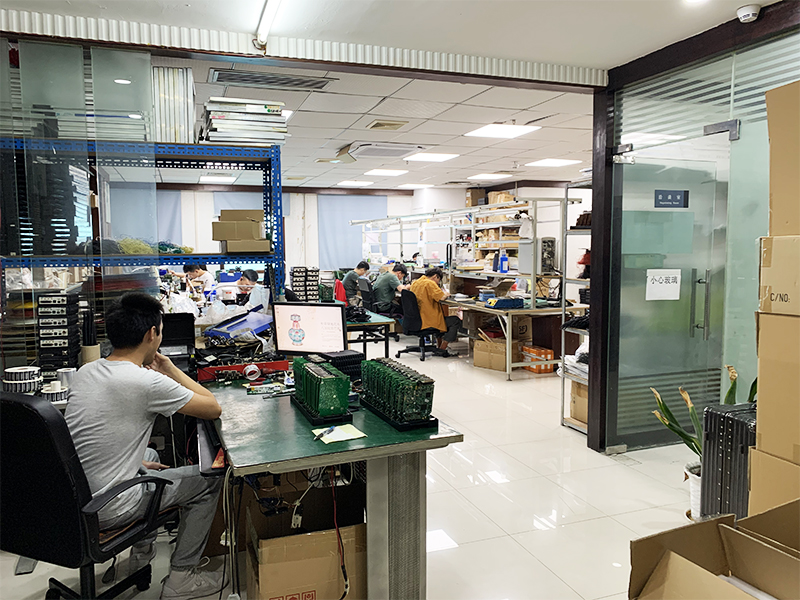
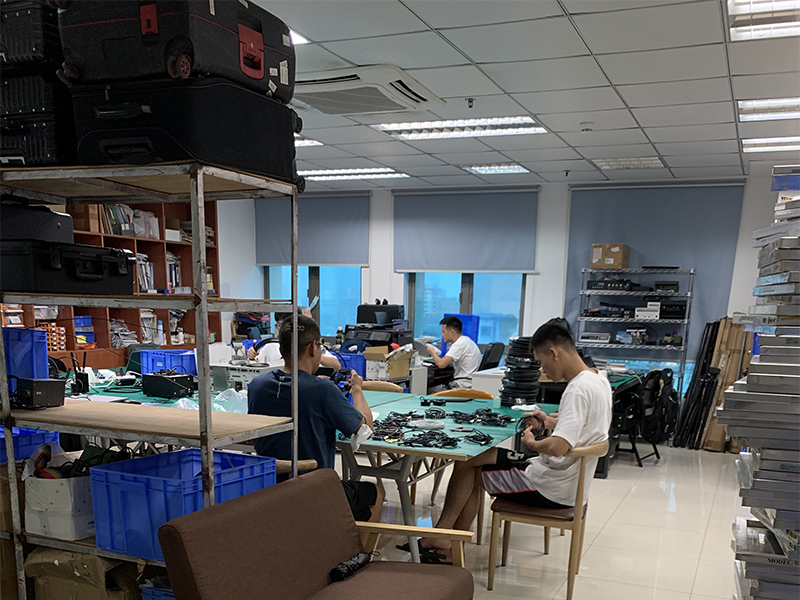
The strength of a technological solution is inextricably linked to the resilience of its manufacturing foundation. Our specialized facilities deploy Industry 4.0 standards, fusing automated assembly lines with advanced RF diagnostics to deliver high-yield consistency.
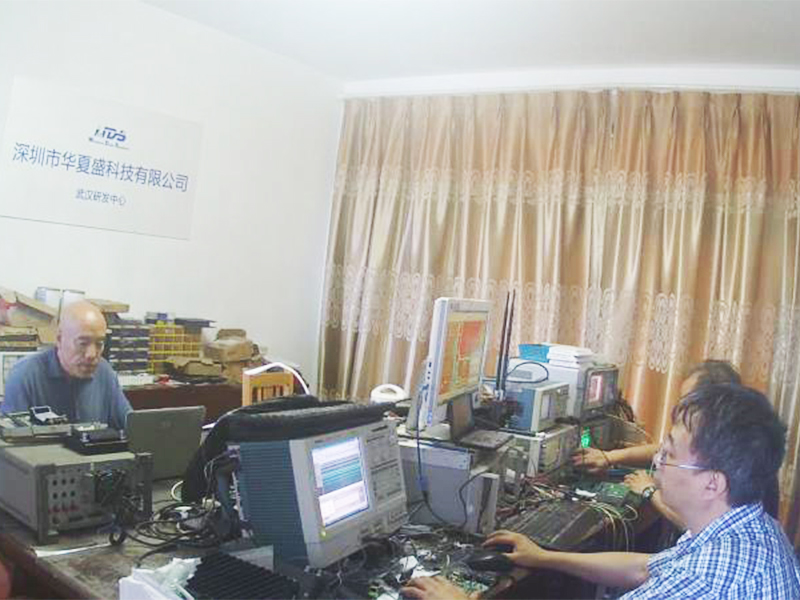
Since 1996, we have maintained dedicated engineering pipelines spanning RF design, baseband firmware programming, FPGA coding, and thermal mechanics. This ensures total design control and the agility to rapidly customize modules for specific client operations.
Equipped with state-of-the-art high-speed surface mount technology (SMT) equipment, automatic optical inspection (AOI), and multi-zone reflow ovens, we guarantee high solder-joint reliability on multi-layer dense PCB micro-circuits.
Every pMDDL module undergoes rigorous testing before shipment, including thermal cycling chambers (-40°C to +85°C), vibration tables simulating airborne/vehicular operations, and high-humidity test benches.
Our wireless digital data links and high-speed frequency-hopping transceivers are field-proven across dozens of dynamic environments globally, showing outstanding performance in challenging, high-interference applications.
For military reconnaissance, environmental mapping, and long-range logistics, our lightweight, low-power airborne transceivers enable dual-stream HD video alongside telemetry controls over 30-50 km distances. Operating in the L or S-bands, they prevent interference from civilian communication systems, providing reliable, secure operation.
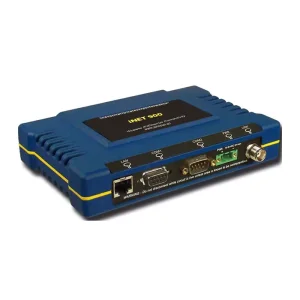
In massive industrial process automations, laying physical fiber optics is cost-prohibitive. High-power pMDDL and iNET network transceivers allow for remote valves, RTUs, and CCTV feeds to be linked to a central control station tens of kilometers away, optimizing resource allocation.
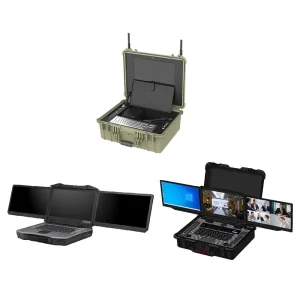
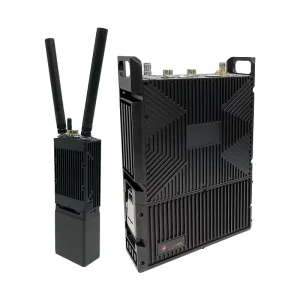
Using our Custom MESH Portable Command Box and Vehicular high-power modules, rescue agencies can deploy temporary emergency communications nets in natural disaster zones. These self-healing links relay critical voice, data, and live HD video without relying on standard telecommunication towers.
For surveying and automated farming vehicles, maintaining millisecond-level RTK data stream updates is critical. Our specialized GNSS RTK data links guarantee ultra-low latency differential corrections, enabling precision autonomous machinery control in remote farmlands.
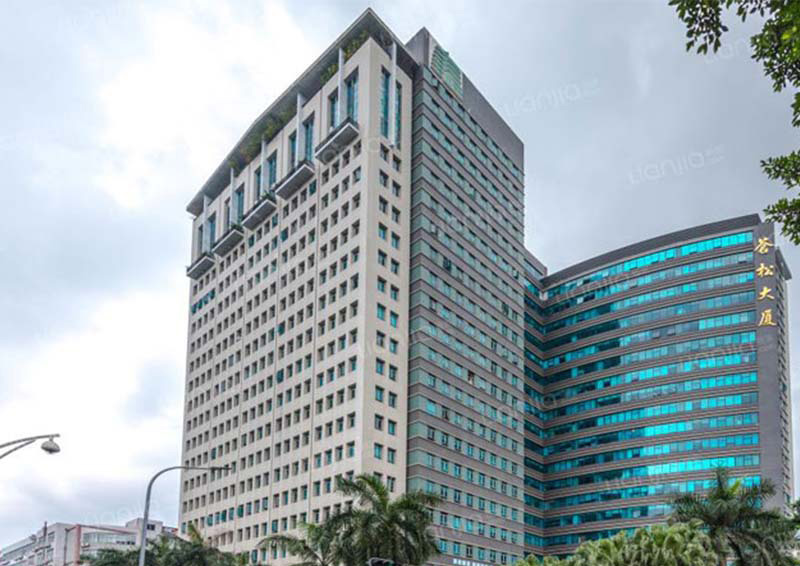
Shenzhen Huaxiasheng Technology Co., Ltd. has been at the forefront of wireless data transmission product development, systems integration, and network engineering since 1996. Over nearly three decades, we have independently engineered world-class telemetry solutions tailored to specialized sectors.
Through strategic partnerships with renowned domestic academic institutions and a dedicated core R&D team, we continuously push the limits of wireless transmission range, speed, and signal robustness.
We specialize in designing and manufacturing top-tier equipment including:
A top-tier equipment manufacturer in the self-organizing MESH network sector, delivering long-range, high-throughput, anti-jamming communication systems.
Commitment to industry-leading technical pre-sales planning and after-sales support to ensure our equipment operates securely and effectively in the field.
Pioneering industry development with reliable, competitively-priced wireless technologies and advanced designs to drive automated controls forward.
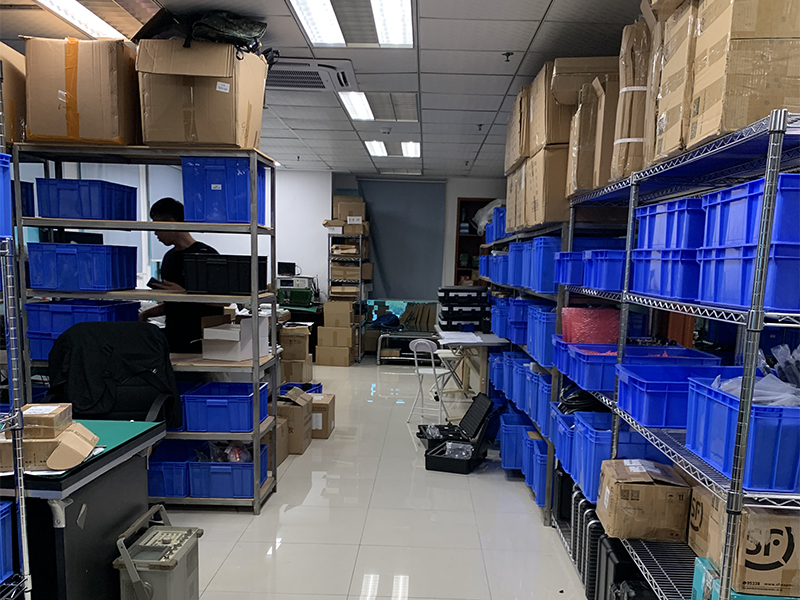
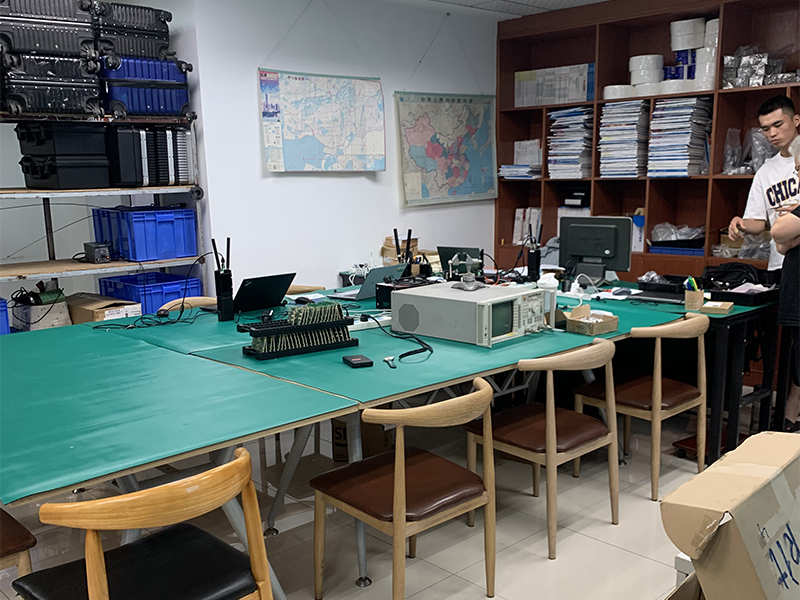
Technical inquiries analyzed by our system architects to guide your hardware evaluation and project integration.
 Sinosun Tech