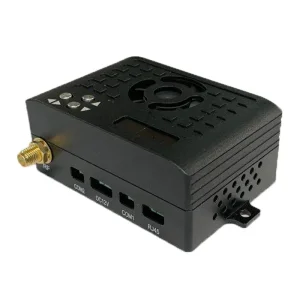
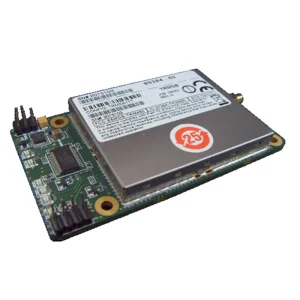
Explore our high-performance, long-range, and low-latency communication modules engineered for mission-critical industrial applications.
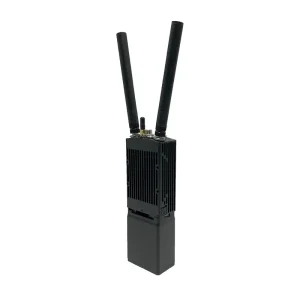
In the era of Industry 4.0 and autonomous systems, the demand for robust, high-bandwidth, and ultra-reliable communication links has transcended traditional cellular and standard Wi-Fi capabilities. Today's industrial environments—ranging from deep open-pit mines and offshore oil platforms to dense urban tactical zones—require IoT Wireless Frameworks that operate seamlessly under extreme multipath fading, high interference, and dynamic topology changes.
Self-healing, decentralized networks that dynamically route data through optimal nodes, ensuring zero-point-of-failure operations in highly mobile environments.
Multiple-Input Multiple-Output antenna systems that leverage environmental reflections to increase throughput and link stability in non-line-of-sight (NLOS) conditions.
Advanced FHSS algorithms that continuously scan the RF spectrum and hop away from jammed or congested frequencies in milliseconds to maintain link integrity.
The global market for industrial-grade wireless frameworks is undergoing exponential growth. As unmanned aerial vehicles (UAVs), unmanned ground vehicles (UGVs), and robotic automation systems become standard operational tools, the underlying communication infrastructure must evolve. Standard commercial wireless solutions fail to meet the stringent latency, range, and security requirements of these mission-critical systems. Consequently, global enterprises are turning to specialized manufacturers capable of delivering custom RF solutions tailored to specific frequency bands, power outputs, and form factors.
"Modern industrial automation does not just require connectivity; it demands deterministic, low-latency, and highly secure wireless pipelines capable of transmitting high-definition video and real-time telemetry simultaneously over vast distances."
The future of IoT wireless frameworks lies in the convergence of software-defined radio (SDR) architectures, edge computing, and AI-driven spectrum management. By utilizing SDR platforms, hardware can be updated in the field to support new modulation schemes, encryption standards, or frequency allocations without requiring physical replacement. Furthermore, integrating machine learning algorithms directly into the transceiver firmware allows the system to predict RF interference patterns and proactively adjust transmission parameters, maximizing throughput and link range.
Established in 1996 — Over 28 Years of RF Engineering Excellence
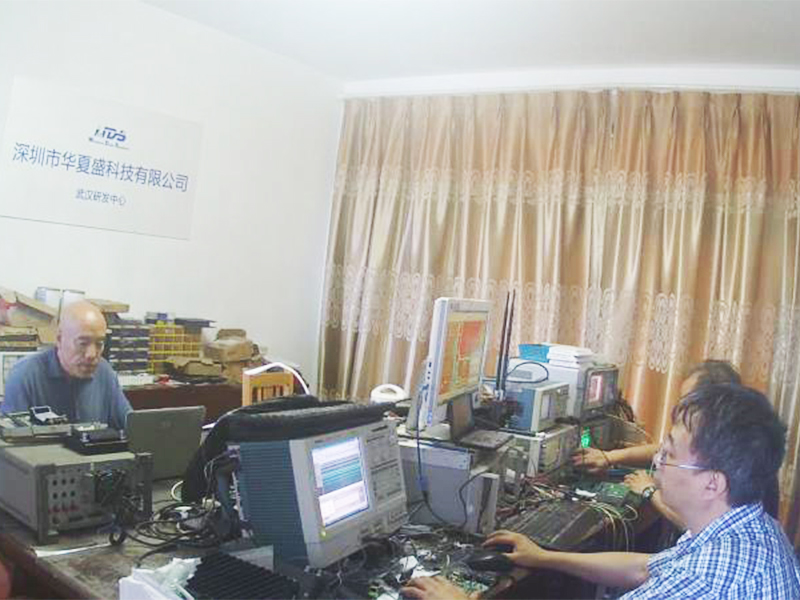
Shenzhen Huaxiasheng Technology Co., Ltd. has been at the forefront of the wireless data transmission industry since 1996. Over the past nearly three decades, we have dedicated our resources to the independent development, application, and network engineering of world-class wireless communication hardware. By collaborating closely with prestigious domestic universities and research institutes, we have engineered a comprehensive portfolio of proprietary wireless solutions designed for the most demanding environments on Earth.
As a premier developer and producer in the MESH self-organizing network industry, our products are characterized by their rich variety, leading performance metrics, ultra-long transmission distances, high throughput rates, and robust anti-interference capabilities. We do not merely manufacture hardware; we deliver end-to-end communication architectures that empower industrial automation, public safety, and autonomous exploration.
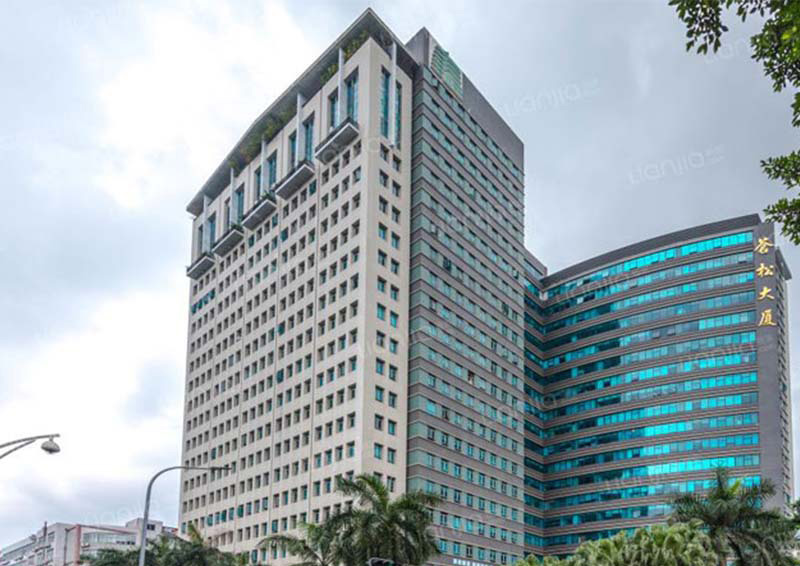
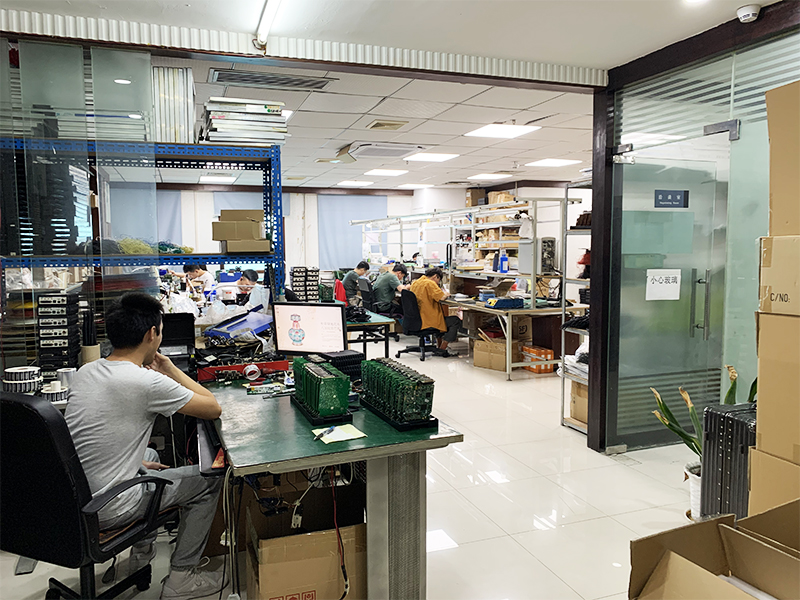
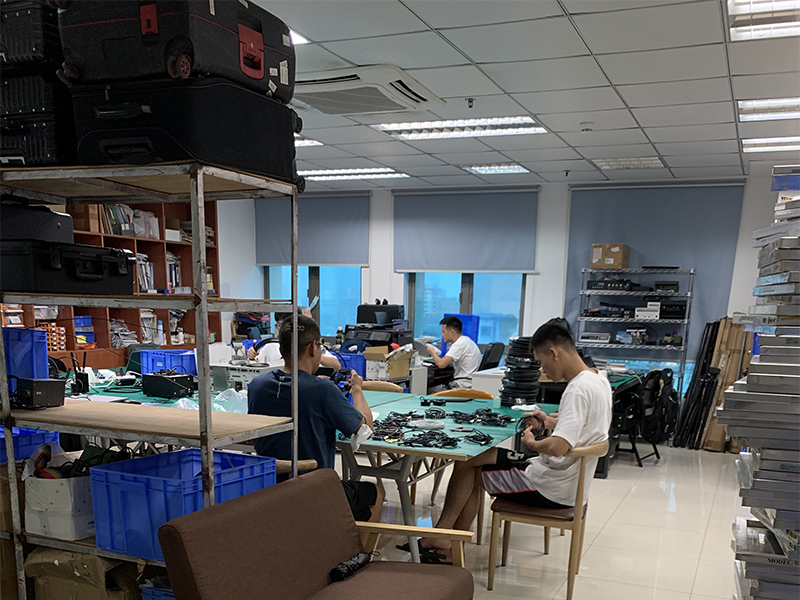
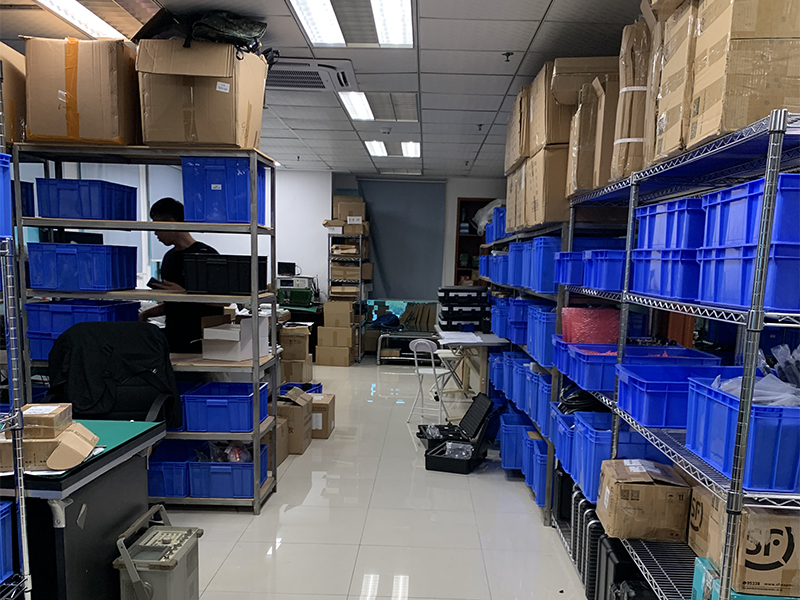
We maintain complete control over our manufacturing and R&D pipelines. This ensures that every digital data radio, MESH command box, and transceiver module leaving our factory meets rigorous quality control standards and is optimized for continuous operation in harsh environments.
Our commitment to our clients extends far beyond hardware sales. We provide comprehensive pre-sales RF path planning, link budget calculations, and customized antenna configuration services, alongside dedicated post-deployment technical support to guarantee operational success.
Our core mission is to bridge the gap between advanced RF technology and practical industrial automation. We continuously innovate to deliver highly reliable, reasonably priced wireless data transmission systems that drive efficiency and safety across global industries.
Our advanced wireless communication modules and systems are engineered to serve as the backbone for a wide range of critical industrial and commercial applications globally. By providing robust, long-range data links, we enable automation and real-time monitoring in environments where traditional networks cannot survive.
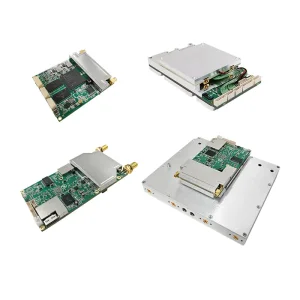
Our low-latency HD video codec boards and multi-channel data links are specifically optimized for UAVs (drones), UGVs (unmanned ground vehicles), unmanned surface vessels (USVs), and robotic systems. These modules deliver bidirectional control data and real-time 1080P video streams over ultra-long distances, ensuring precise control and situational awareness during critical operations.
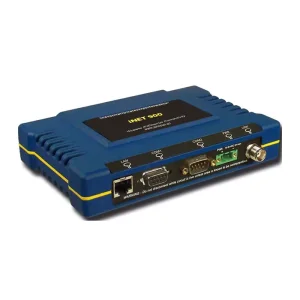
In large-scale industrial facilities, oil/gas fields, and water treatment plants, our digital data radios provide the reliable telemetry links required for SCADA (Supervisory Control and Data Acquisition) systems. These frameworks ensure continuous, real-time monitoring of remote sensors, valves, and actuators, preventing costly downtime and ensuring operational safety.
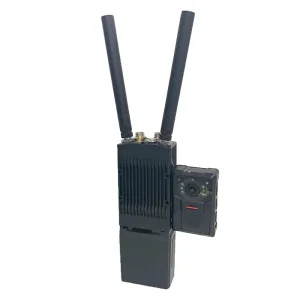
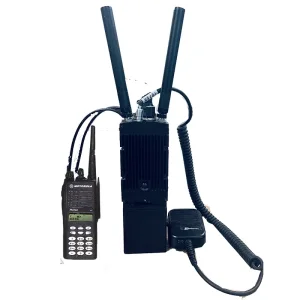
During natural disasters, search and rescue operations, or tactical deployments, public cellular networks are often compromised. Our MESH Portable Command Boxes and Multimode Handhelds allow rapid deployment of localized, self-organizing communication networks. These systems support simultaneous voice, data, and video transmission among field personnel and command centers.
By integrating our high-speed frequency hopping radios and GNSS/RTK wireless data links, surveying and agricultural machinery can achieve centimeter-level positioning accuracy. This enables automated tractor guidance, precise crop spraying, and highly accurate geographical mapping over vast agricultural fields.

Get answers to common engineering questions regarding the deployment, optimization, and integration of industrial wireless frameworks.
Standard Wi-Fi relies heavily on direct line-of-sight (LOS) paths and suffers severe degradation in high-multipath environments due to signal reflections. MIMOmesh (Multiple-Input Multiple-Output Mesh) technology utilizes advanced spatial multiplexing and diversity algorithms to turn environmental reflections into constructive signals. This dramatically increases link reliability, throughput, and range in non-line-of-sight (NLOS) conditions typical of industrial plants, mines, and urban areas.
Our Frequency Hopping Spread Spectrum (FHSS) transceivers rapidly switch their carrier frequency among many distinct channels within a designated band. The hopping pattern is pseudo-random and synchronized between the transmitter and receiver. If a specific frequency experiences interference or jamming, the system only loses a fraction of a second of data, which is quickly corrected via forward error correction (FEC) and automatic packet retransmission, ensuring uninterrupted data flow.
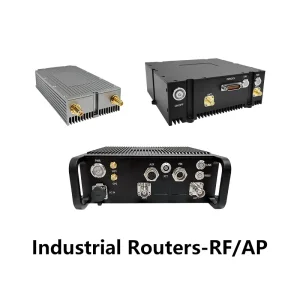
Yes. Our SCADA series of digital data radios and industrial routers support standard industrial protocols, including Modbus RTU/TCP, DNP3, and Profibus. They feature standard physical interfaces such as RS-232, RS-485, and Ethernet, making them drop-in replacements or upgrades for legacy wired or wireless telemetry links without requiring modifications to your existing PLC or RTU hardware.
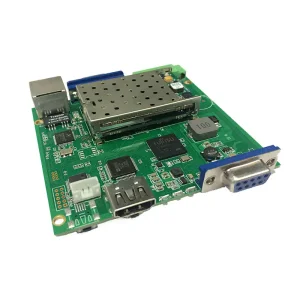
Our custom low-latency network HD video codec boards are engineered specifically for real-time piloting and control applications. By utilizing optimized H.264/H.265 compression algorithms and tightly integrating the encoder with the RF transmission physical layer, we achieve glass-to-glass latencies as low as 50ms to 80ms. This ensures that operators of UAVs, UGVs, and robots can react instantly to dynamic environmental changes.
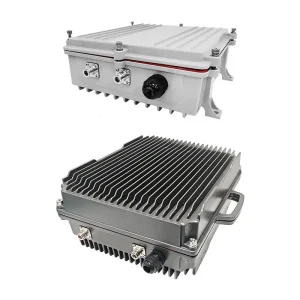
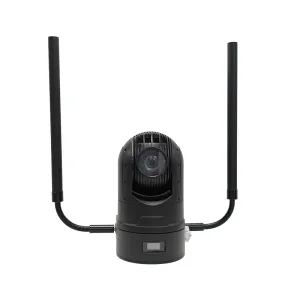
Our outdoor series transceivers and MESH deployment cameras are housed in ruggedized, IP66 or IP67-rated aluminum alloy enclosures. They are designed to withstand extreme temperatures ranging from -40°C to +85°C, high humidity, salt spray, and intense mechanical vibration. This makes them ideal for permanent outdoor installations in coastal areas, deserts, and heavy industrial plants.
Discover our specialized transceivers, codec boards, and industrial routers designed to solve complex communication challenges.
 Sinosun Tech