Explore our top-performing industrial-grade and tactical communication systems.
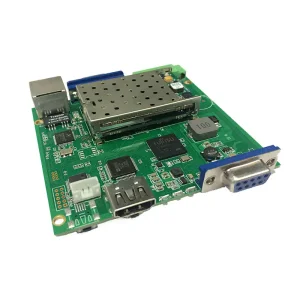
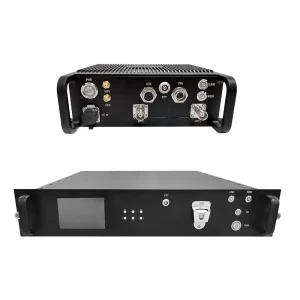
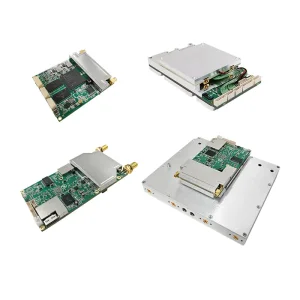
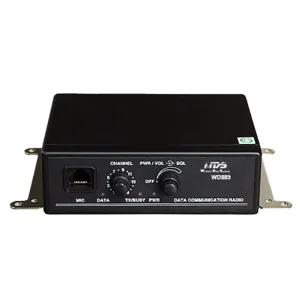
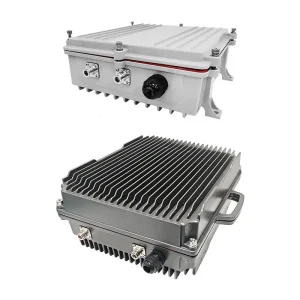
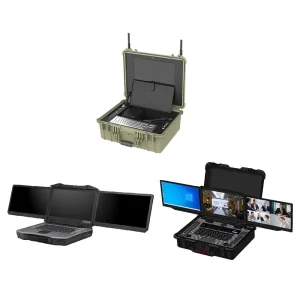
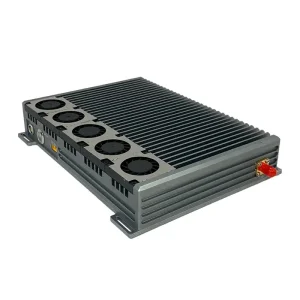
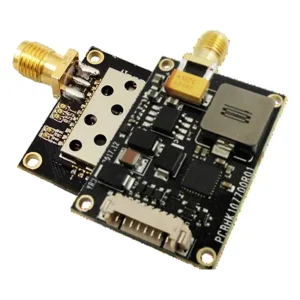
Founded in 1996, Shenzhen Huaxiasheng Technology Co., Ltd. has established itself at the forefront of the wireless data transmission development, application engineering, and industrial network sector. For over two decades, our research directives have produced state-of-the-art communication technologies engineered to survive the most complex and hostile signal environments.
By merging global communication concepts with robust domestic academic partnerships, we provide highly integrated systems tailored for long-distance, high-rate, and multi-channel telemetry operations. Our focus remains clear: designing wireless bridges that ensure system survival when traditional commercial networks degrade or fail.
Developing MESH self-organizing networks with rich custom module variety, premium RF sensitivity, and superior immunity to co-channel interference.
Dedicated field application engineers (FAE) delivering system integration guides, pre-sales path analysis, and responsive post-sales deployment reviews.
Delivering cutting-edge, mission-critical RF transceivers, network modems, and software-defined platforms at rational industrial scales.
A Deep-Dive Technical Examination of FHSS Technologies for Tactical and Industrial Networking
In modern spectral warfare and heavily congested industrial bands, the viability of line-of-sight and non-line-of-sight communication depends on spectral agility. Traditional static-frequency allocations are susceptible to localized narrowband jamming, multi-path fading, and interception. High-Speed Frequency-Hopping Spread Spectrum (FHSS) technology offers a robust defense against these threats.
High-Speed Frequency-Hopping (HS-FHSS) functions by periodically shifting the carrier frequency of a transmission signal across a broad bandwidth. The shifting sequence is controlled by a pseudo-random noise (PRN) code known only to the transmitter and receiver. By synchronizing these state machines, both nodes transition through a pre-calculated pattern of frequencies at speeds up to thousands of hops per second.
The processing gain ($PG$) of an FHSS system is represented mathematically by the relationship between the total hopping bandwidth ($W_{ss}$) and the channel bandwidth of the individual signal ($B$):
This Processing Gain dictates the system's anti-jamming margin. When a high-speed jammer concentrates energy on a specific band segment, the FHSS transceiver remains unaffected for the majority of the hopping cycle. If a particular frequency bin is blocked, error-correcting codes (FEC) coupled with interleaving algorithms reconstruct the missing data packet seamlessly at the receiver interface.
Standard FHSS cycles blindly through a pre-determined table. However, modern systems manufactured by Huaxiasheng integrate Adaptive Frequency Hopping (AFH). The system continuously evaluates the channel characteristics of the radio frequency (RF) environment. If the receiver identifies high packet loss or an elevated noise floor on specific channels (such as localized industrial Wi-Fi interference), those coordinates are dynamically flagged and removed from the active hopping map.
This dynamic avoidance strategy, driven by edge-level Software Defined Radio (SDR) DSP layers, ensures that transmission efficiency remains near peak rates even in highly contested, spectrum-dense industrial zones.
In telemetry configurations for unmanned systems, latency is a critical performance parameter. The transition from one frequency carrier to another requires phase lock loop (PLL) synthesizers to settle rapidly. Legacy systems suffered from settling times that degraded throughput. Our modern FGR2 & NANO series utilize hybrid direct digital synthesis (DDS) architectures to achieve sub-microsecond settling times, maintaining robust data rates and low latency for real-time HD video streams and telemetry.
Next-generation R&D directives advancing tactical RF capabilities
Integrating adaptive beamforming algorithms with deep neural networks on the FPGA level to steer nulls toward jamming sources while focusing peak power toward the target node dynamically.
Transitioning from 1,000 hops per second to over 10,000 hops per second using next-generation direct RF sampling ADCs, virtually eliminating detection by traditional signal intelligence receivers.
Hybrid aerial mesh nodes that seamlessly transition between terrestrial ad-hoc links and Non-Terrestrial Network (NTN) LEO satellite relays when local line-of-sight is obstructed by terrain.
Engineered for mission-critical infrastructure, defense, and complex industrial systems
In autonomous operations, communication loss can lead to asset failure. The combination of our Low-latency video codec board and the DDLmesh module series provides a redundant link containing real-time command, control (C2), telemetry, and 1080P high-definition video feeds. Utilizing MIMO-based multipath adaptation, these systems operate reliably in challenging NLOS environments, such as urban canyons and dense forests.
For critical infrastructure monitoring, data integrity is paramount. In geographical expanses spanning thousands of square kilometers, cellular signals are often unavailable. Our SCADA digital data radios offer robust long-range connectivity, linking remote wellheads, pipelines, and pumping stations with central command offices. Built-in frequency-hopping ensures the system remains resilient against environmental interference and spoofing attacks.
High-voltage switchgear installations and electric railways generate significant electromagnetic interference (EMI). Standard consumer-grade transceivers cannot operate reliably in these environments. Our industrial-grade HX Series wireless routers and multi-channel transceivers are built with high galvanic isolation and robust shielding to ensure continuous operation in high-EMI railway corridors and sub-stations.

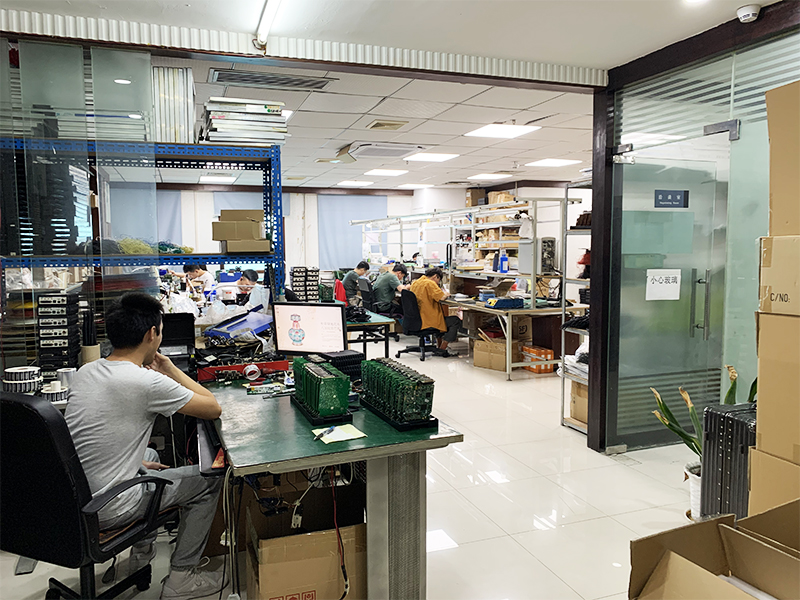
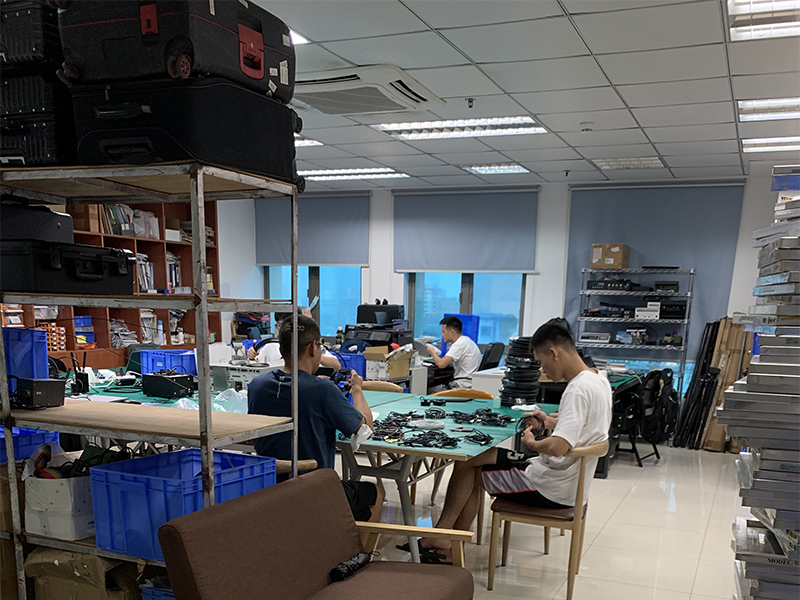
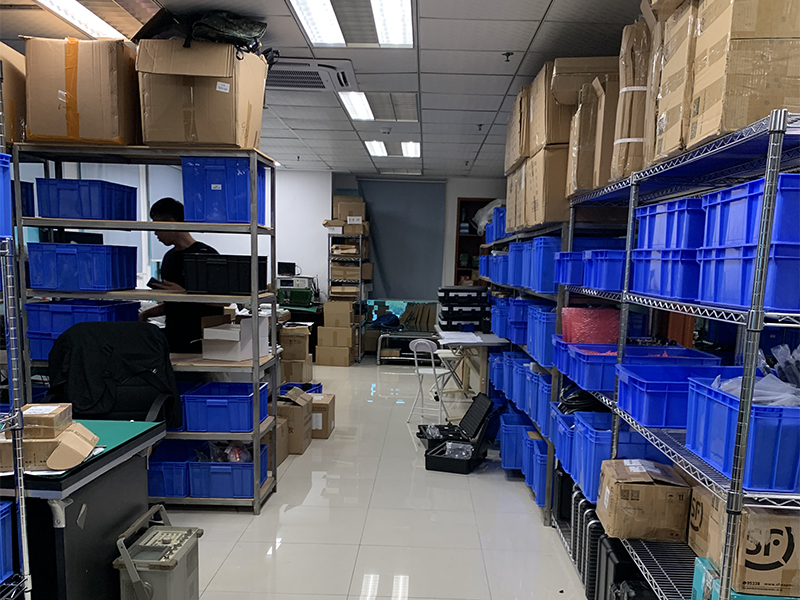
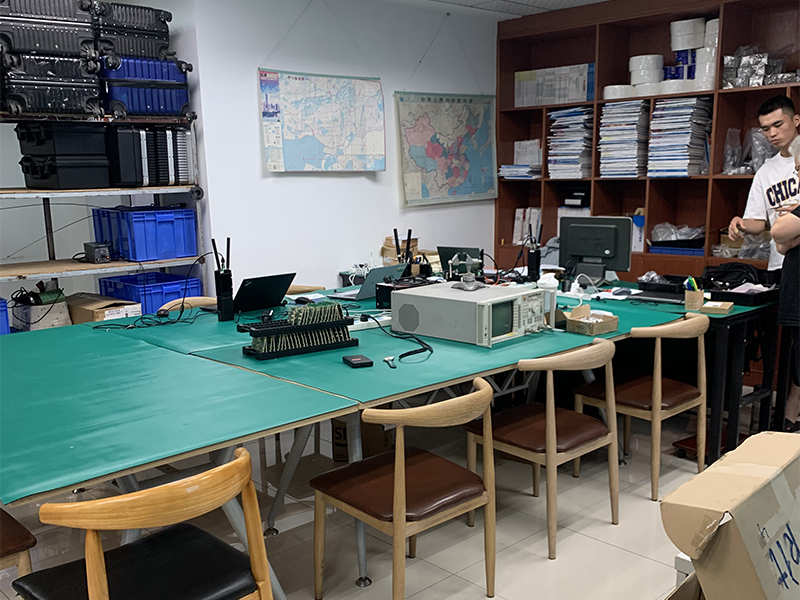
Operating from Shenzhen, the hub of global hardware development, Huaxiasheng's production facility implements Factory 4.0 methodologies. Our manufacturing facility features high-speed SMT assembly, inline automated optical inspection (AOI), X-ray component validation, and automated RF tuning. Every transceiver undergoes environmental stress testing, operating continuously across temperature ranges from -40°C to +85°C to guarantee reliability in field conditions.
Navigating global RF spectrum regulations requires expert support. Our systems are engineered to comply with FCC Part 15 and Part 90 (North America), CE RED (Europe), and various local spectrum allocations in Latin America and the Asia-Pacific. We offer factory pre-configuration services for frequency bands, TX power limitations, and channel step sizes to match local requirements, avoiding regulatory non-compliance during deployment.
A procurement guide for evaluating industrial-grade radio frequency contracts
When selecting wireless components, technical procurement officers look beyond basic parameters to assess overall cost of ownership, long-term stability, and ease of integration. Our systems address these requirements directly:
Designed with high-reliability semiconductor components and military-grade heat dissipation, our modules achieve an MTBF exceeding 100,000 hours under extreme environmental conditions.
We support system integrators by offering clear developer API guides, serial configurations, and standard network routing protocols for fast integration with Linux and ROS platforms.
Whether modifying board footprints, creating custom weatherproof enclosures, or programming unique hopping tables, our R&D team provides customized services for complex application designs.
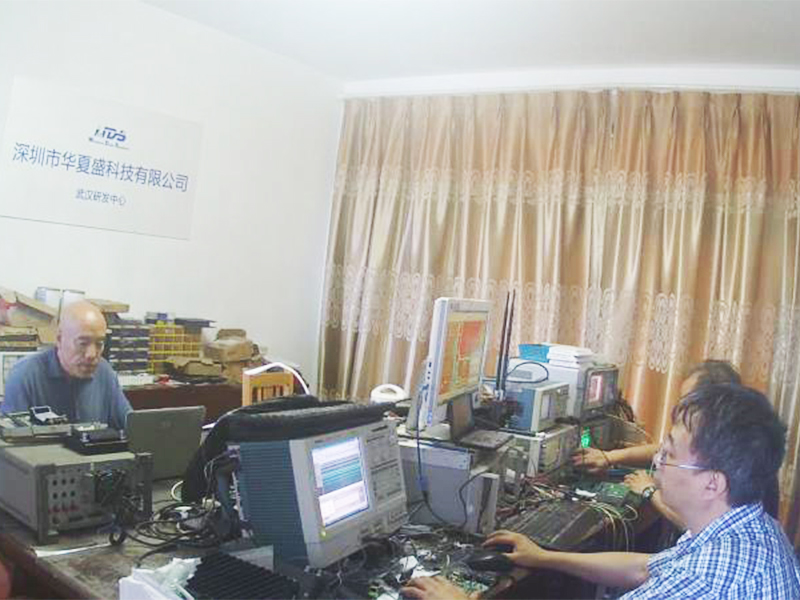
A transparent look at our advanced manufacturing, assembly, and testing phases
Detailed technical responses to common questions from integration engineers
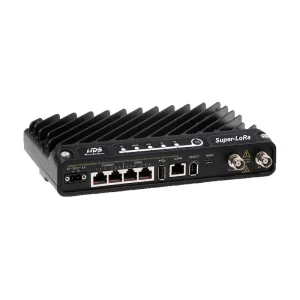
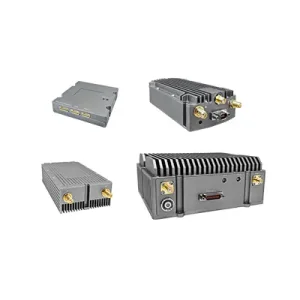
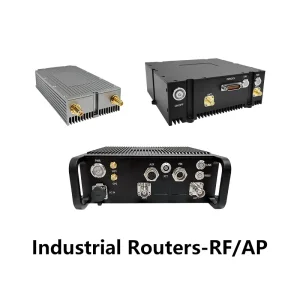
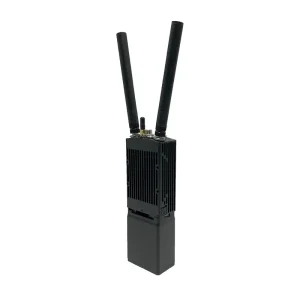
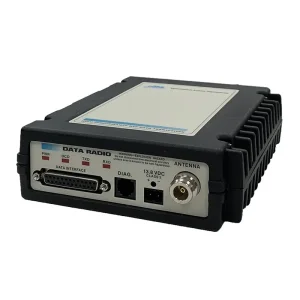
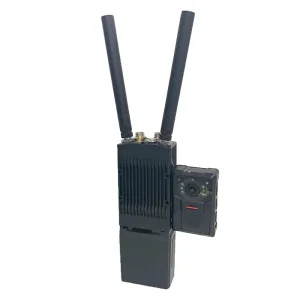
Select models suited for deep integration, remote telemetry, and tactical networking operations.
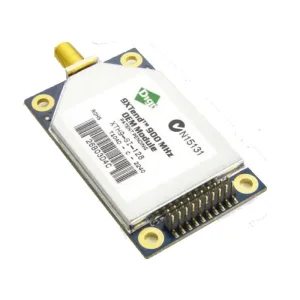
 Sinosun Tech