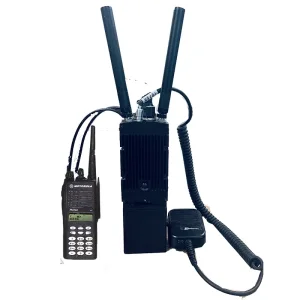
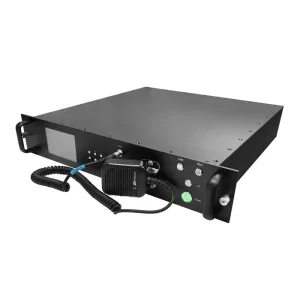
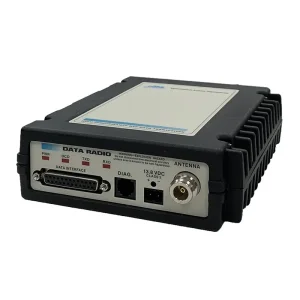
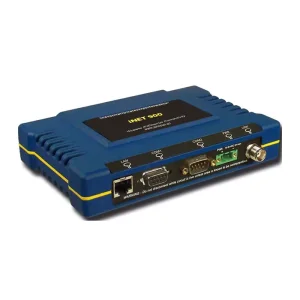
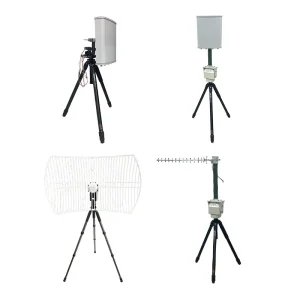
Industrial-grade software-defined radios featuring ultra-low latency, multi-frequency configurations, and advanced COFDM MESH networking topologies.
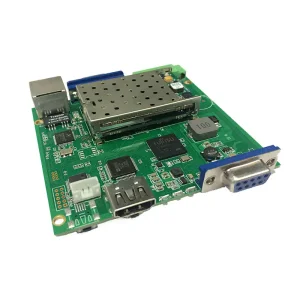
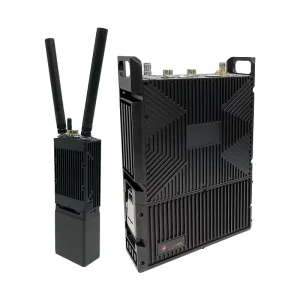
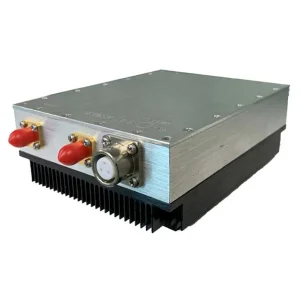
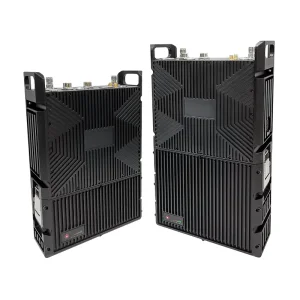
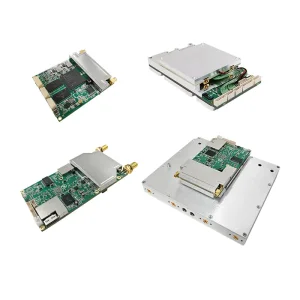
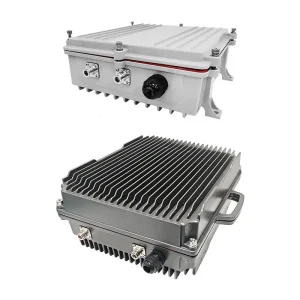
Overcoming spectrum congestion and RF interference using advanced cognitive Frequency Hopping Spread Spectrum (FHSS) architectures.
Modern wireless environments are saturated with EM noise, dynamic obstructions, and deliberate signal disruptions. Standard fixed-frequency radios suffer from link degradations, multipath fading, and intercept vulnerabilities. Our High-Speed Frequency Hopping (FHSS) Digital Radios mitigate these risks by dynamically shifting carrier frequencies hundreds of times per second across a broad spectrum band.
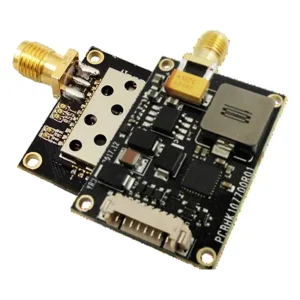
By integrating Software-Defined Radio (SDR) front-ends with robust digital signal processing, our transceivers ensure continuous telemetry and high-definition video feeds. Whether deployed on long-endurance unmanned aerial vehicles (UAVs) or remote SCADA networks, this technology offers superior link margins and dynamic collision avoidance protocols to maintain critical data tunnels where conventional links fail.
Key architectural highlights include adaptive power control, real-time RF environment profiling, and hardware-accelerated AES-256 encryption. Our proprietary FHSS algorithms permit high spectral density deployments without mutual co-location interference.
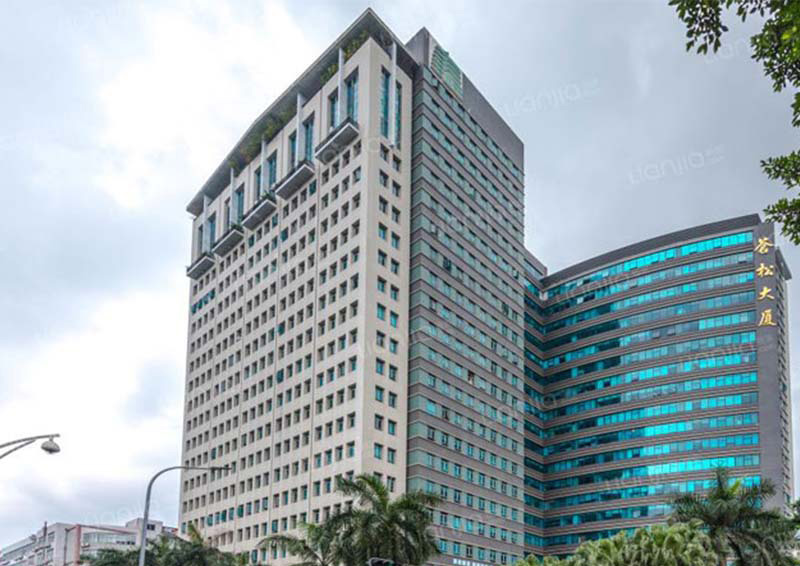
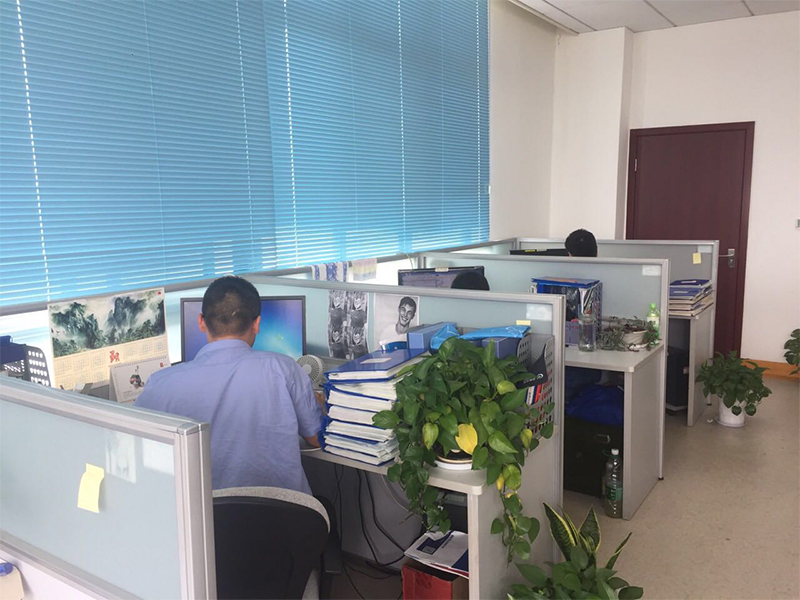
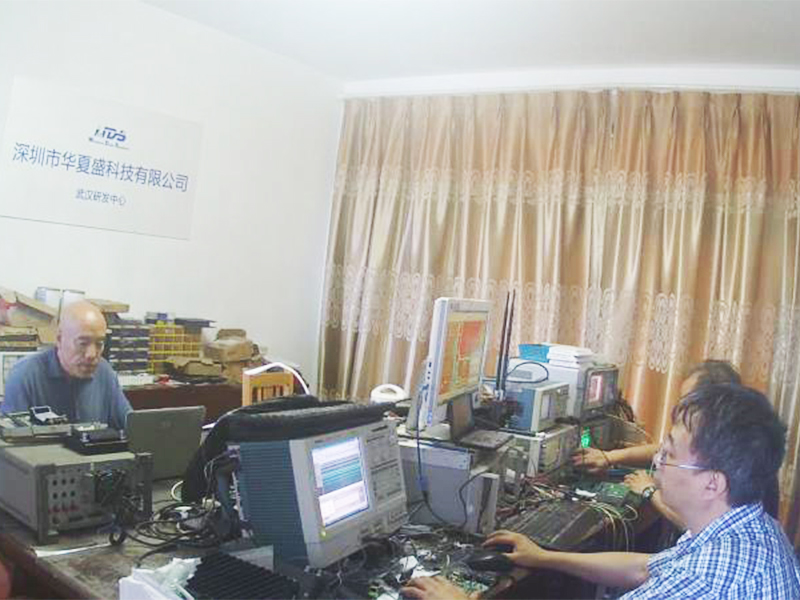
Since 1996, Shenzhen Huaxiasheng Technology Co., Ltd. has stood at the forefront of wireless data transmission product development, application support, and systems engineering. For over two decades, the company has engineered state-of-the-art wireless modules, transceivers, and comprehensive network solutions by leveraging top-tier domestic universities, elite research institutes, and deep practical application insights.
Our focus resides in crafting industrial and commercial-grade communication systems optimized for harsh environments. At present, Huaxiasheng develops and produces the most advanced digital data transmission radio, intelligent data transmission radio, digital data module, high-speed frequency hopping radio, industrial wireless Ethernet, network high-definition image transmission radio/module, AD-HOC/MESH self-organizing network, GNSS/RTK wireless data link, industrial wireless remote I/O, handheld mobile data transmission voice transceiver, two-way RF power amplifier, voice codec, multi-serial port composite connection, and point-to-multipoint address coding modules.
As a premier developer and producer in the MESH self-organizing network space, we deliver rich product varieties, leading performance envelopes, extended transmission reach, and highly resilient anti-interference profiles.
Our commitment extends beyond engineering to encompass elite pre-sales design consultations and dedicated post-sales deployment services. We guarantee safe, accurate, and optimized network behavior for every project.
Delivering high-performance, cost-effective industrial wireless systems underpins our business model. We strive continuously to bring advanced technology, reliable operations, and sensible pricing structures to process control and factory automation.
Combining structural cost efficiencies with rapid iterative R&D for high-end radio systems.
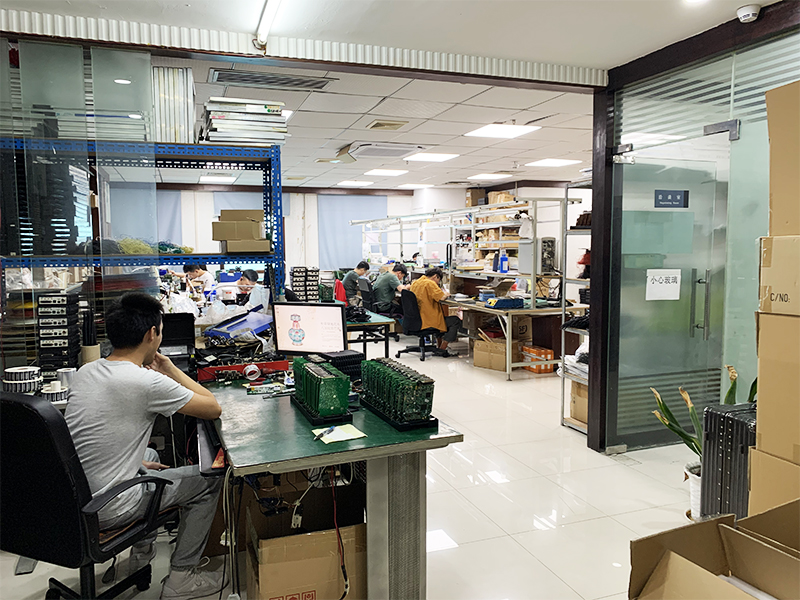
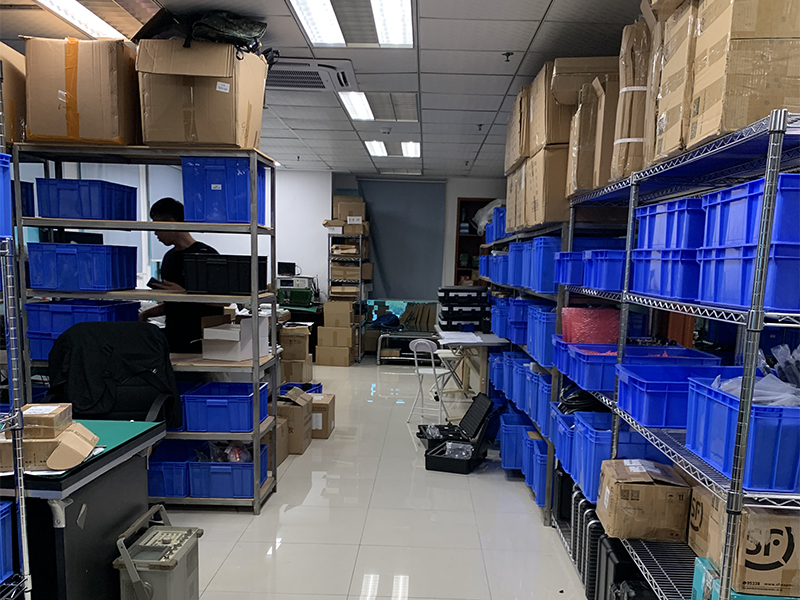
Operating out of the global electronics capital, Shenzhen, gives Huaxiasheng Technology an unparalleled speed-to-market advantage. Our facility benefits from instantaneous access to raw silicon, high-Q passive components, RF shielded enclosures, multi-layer high-frequency PCB fabricators, and high-speed surface mount assembly (SMT) lines. This tight proximity minimizes material logistics lags, allowing us to implement design changes, prototype new layouts, and run full compliance evaluations in days rather than months.
Furthermore, our scale and vertical integration ensure robust pricing structures. We procure critical RF components directly from verified tier-one silicon providers, keeping overhead low. Global system integrators and distributors leverage this advantage to gain high-spec military and industrial-grade frequency hopping transceivers at pricing structures that sustain competitive product margins.
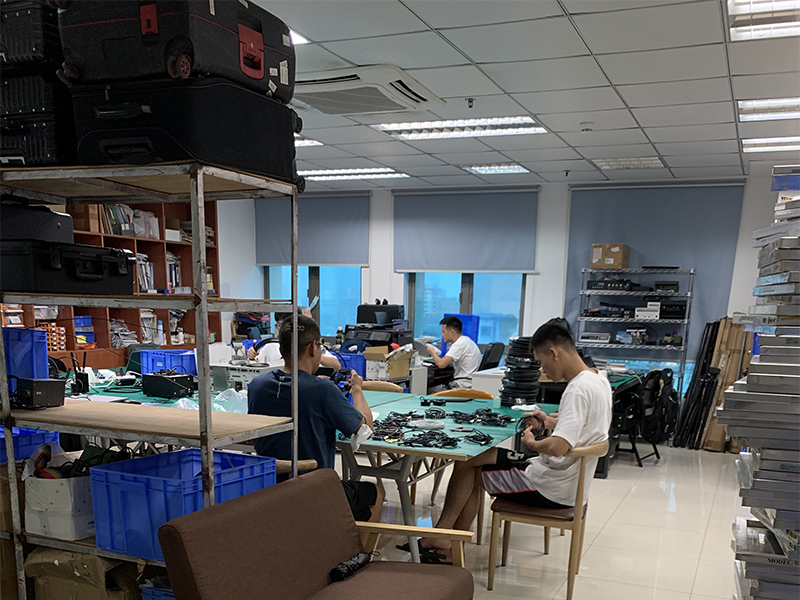
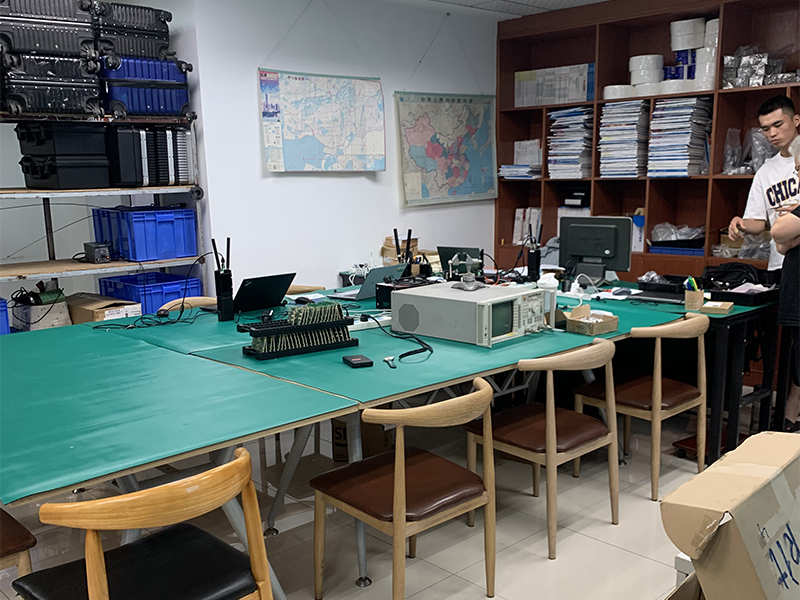
By pairing this local component access with rigorous QA pipelines (including automatic optical inspection, environmental testing chambers, and precision network analyzers), we ensure that every transceiver module departing our factory floor satisfies extreme operational thresholds.
Navigating international spectrum allocations, licensing rules, and operational parameters.
Our FHSS systems can be dynamically programmed to operate in key regional bands (902–928 MHz, 1.4 GHz, 2.4 GHz, and 5.8 GHz). We configure the hopping dwell times, guard bands, and RF output power parameters to ensure alignment with localized spectrum authorities.
We work systematically with engineering partners globally to meet compliance criteria under FCC Part 15, ETSI EN 300 328, and China’s SRRC. This certification compatibility guarantees trouble-free custom integration inside commercial, agricultural, and safety systems.
Understanding that local RF conditions differ, we provide remote link simulations, localized antenna matching designs, and firmware variations to support signal path stability in highly dense, congested, or mountainous field sites.
Securing link paths in critical oil field telemetry, maritime robotics, urban drone operations, and factory control automation.
Across these environments, our equipment works seamlessly. In BVLOS (Beyond Visual Line of Sight) operations, maintaining link integrity is paramount for flight safety. The high-speed hopping patterns avoid jamming interference common to close-to-ground flights. In industrial SCADA operations, such as water treatment, electrical utility distribution, and oil wellhead monitoring, our digital transceivers link hundreds of remote outstations back to a central master terminal station over distances exceeding 50 kilometers. By utilizing point-to-multipoint address coding and low power modes, these sites remain connected under minimum power footprints.
Where frequency hopping and cognitive MESH systems are heading in the next five years.
Future radio terminals rely on Cognitive Radio (CR) architectures. Rather than executing a predefined hopping sequence, the radios sense the spectrum envelope, identify active interferers, and adaptively drop contaminated channels from the active hop-table.
Combining Multiple-Input Multiple-Output (MIMO) antenna architectures with high-speed frequency hopping permits both spatial multiplexing and frequency diversity, enhancing throughput in complex urban multipath conditions.
As IoT networks face escalating hacking risks, the requirement for hardware-implemented, zero-overhead encryption is soaring. Modern FHSS links integrate direct FPGA-level cipher processors, securing networks at layer 2.
Deep-dive engineering answers addressing key design, range, and operation metrics.
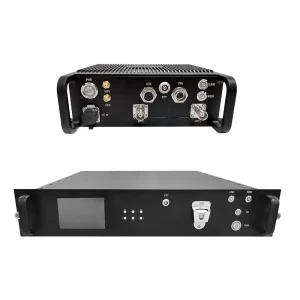
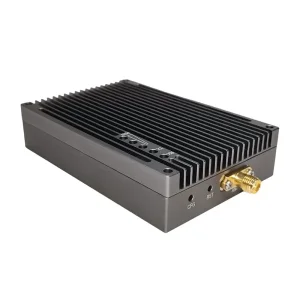
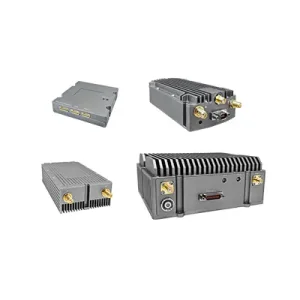
Explore our extensive portfolio of high-frequency amplifiers, SCADA links, and micro-mesh node integrations.
 Sinosun Tech