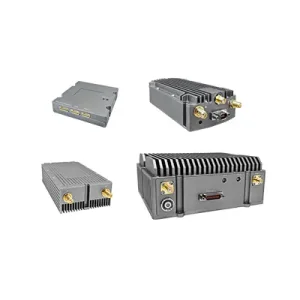
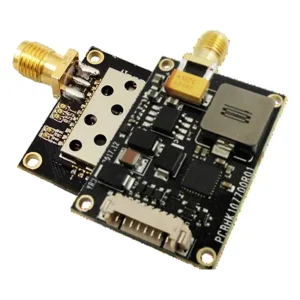
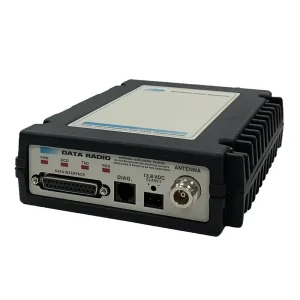
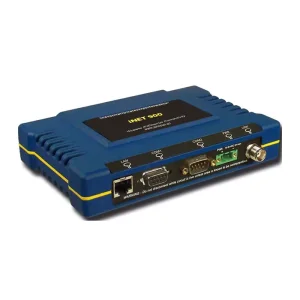
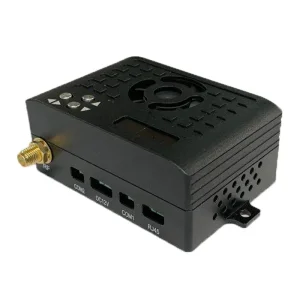
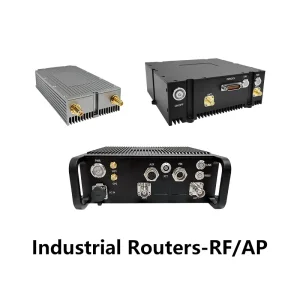
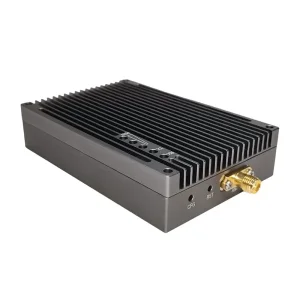
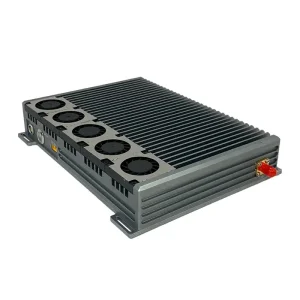
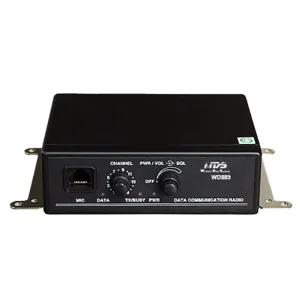
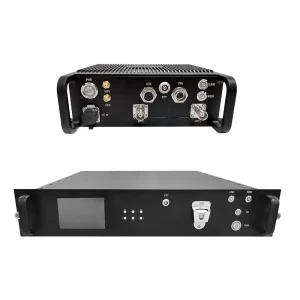
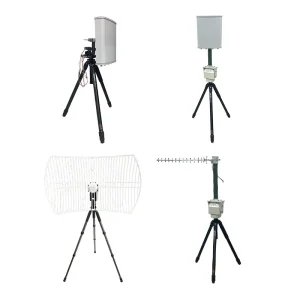
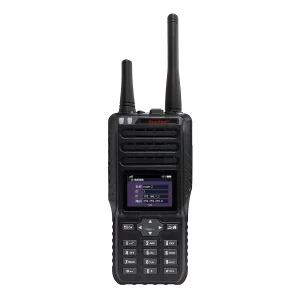
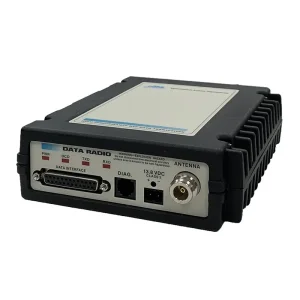
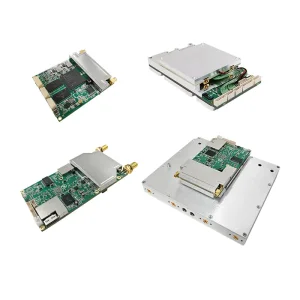
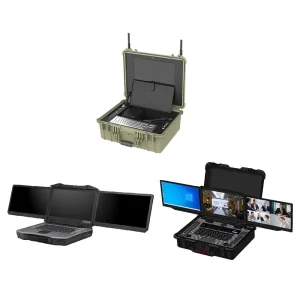
Discover our highly resilient airborne, frequency-hopping, and network-enabled wireless transceiver hardware designs.
In the rapidly transforming landscape of global industrial telecommunications, the Coder-Decoder (codec) system represents the critical junction where raw physical signals are converted into transmission-ready data streams. At its core, the engineering process involves encoding—compressing and formatting digital data or analog information for secure, reliable transmission—and decoding, where received waveforms are reconstructed into their native format. The efficiency of this exchange directly determines the latency, noise resilience, and operational distance of the communication network.
Historically, early telemetric nodes operated on simplistic analog channels highly vulnerable to environmental factors like thermal noise and atmospheric interference. Today, with the advent of high-speed digital processing and advanced COFDM (Coded Orthogonal Frequency Division Multiplexing) methodologies, modern coder-decoders process multiple data streams simultaneously. By integrating robust digital signal processors (DSPs) with system-on-chip (SoC) architectures, high-performance codecs enable features such as dynamic error correction, cryptographic layering, and multi-channel telemetry integration.
For operations involving Unmanned Aerial Vehicles (UAVs), tactical MESH networks, and real-time remote process automation, a high-quality coder-decoder represents the foundational hardware backbone. Without state-of-the-art compression algorithms and highly tuned RF front-ends, long-distance video and voice links would inevitably suffer from packet loss, dropouts, and signal degradation.
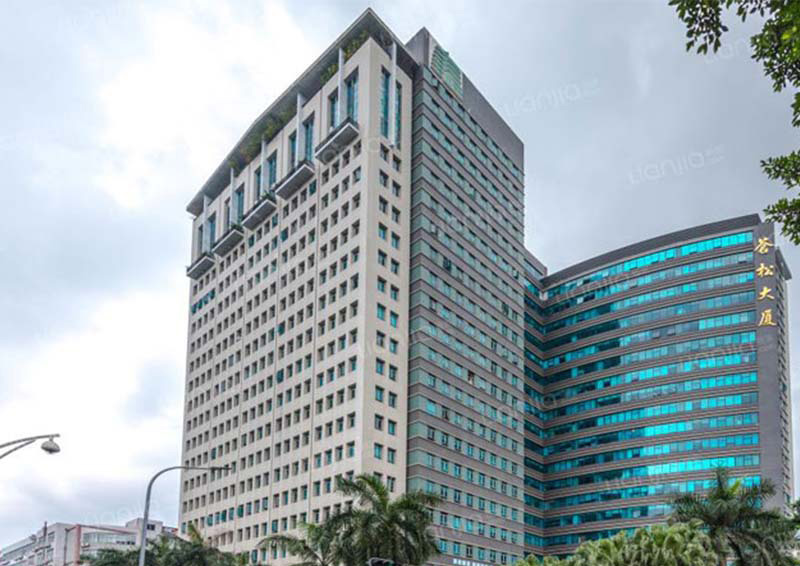
Established in 1996, Shenzhen Huaxiasheng Technology Co., Ltd. has established a formidable presence at the intersection of wireless data transmission engineering and system integration. Over the course of nearly three decades, our organization has continuously synthesized international innovations with domestic academic research, engineering reliable hardware tailored to severe operating environments.
Our collaborative pipeline works closely with leading domestic academic institutions and dedicated wireless research labs, allowing us to pioneer developments in Ad-Hoc / MESH self-organizing networks, industrial wireless Ethernets, and advanced digital transceiver modules. By operating as a direct developer, designer, and manufacturing factory, we ensure that every phase of the product lifecycle—from basic PCB trace optimization to final RF compliance testing—aligns with absolute standards of operational reliability.
As a leading hardware developer in the MESH self-organizing network industry, we supply robust data systems characterized by long transmission distances, high-throughput capability, and resilient anti-interference mechanisms.
We provide comprehensive technical assistance from initial RF field analysis and network layout design through to site deployment, integration tuning, and continuous post-sales lifecycle management.
To supply high-performance, cost-effective wireless links and coder-decoder configurations that optimize industrial process automation, oil and gas transport telemetry, and emergency service operations worldwide.
The concentration of advanced electronics production in Shenzhen, China, provides our operations with a distinct structural edge that directly benefits global procurers. This deep supply integration allows us to deliver elite products that are both technically advanced and highly cost-competitive.
With an ecosystem featuring high-speed surface mount technology (SMT) assembly, multi-layer high-frequency PCB fabrication, and high-efficiency RF testing laboratories within a localized geography, our prototyping and transition to mass production runs significantly faster than conventional Western counterparts. This rapid development loop enables us to implement physical design modifications—such as custom shielding, unique heat-sink attachments, or alternative input/output interfaces—in a fraction of the standard industry time.
True hardware reliability is forged through rigorous, continuous testing. Our Shenzhen-based production lines employ advanced automated optical inspection (AOI), x-ray structural checks, temperature-cycle chambers, and dedicated vector network analyzer testing. Every coder-decoder module undergoes comprehensive frequency-stability checks, power output verification, and sensitivity calibration across its target spectrum before shipment. By adhering to international ISO 9001 and CE certifications, we eliminate the variability often associated with generic manufacturing operations.
The coder-decoder and industrial data link sectors are experiencing rapid technological shifts, driven by a growing demand for data throughput, reduced latency, and enhanced operational intelligence.
Delivering high-reliability communication infrastructures across severe industrial, marine, and urban environments.
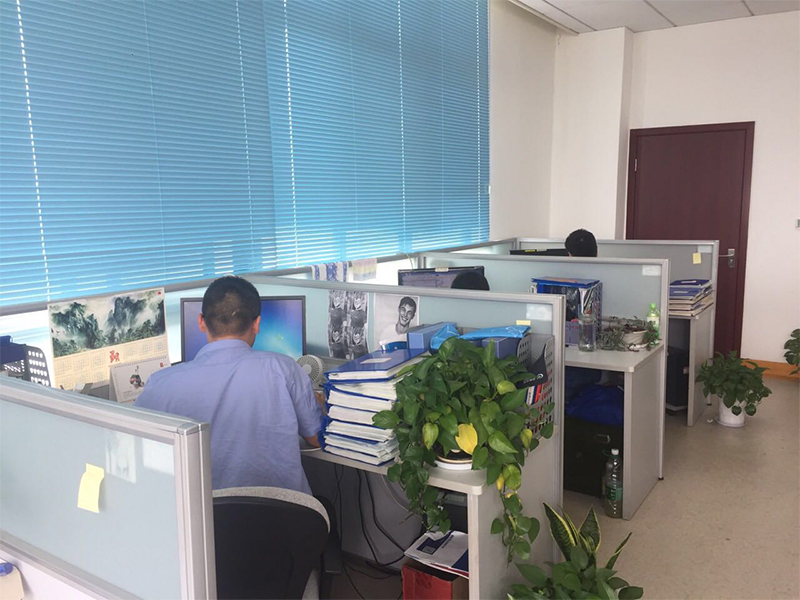
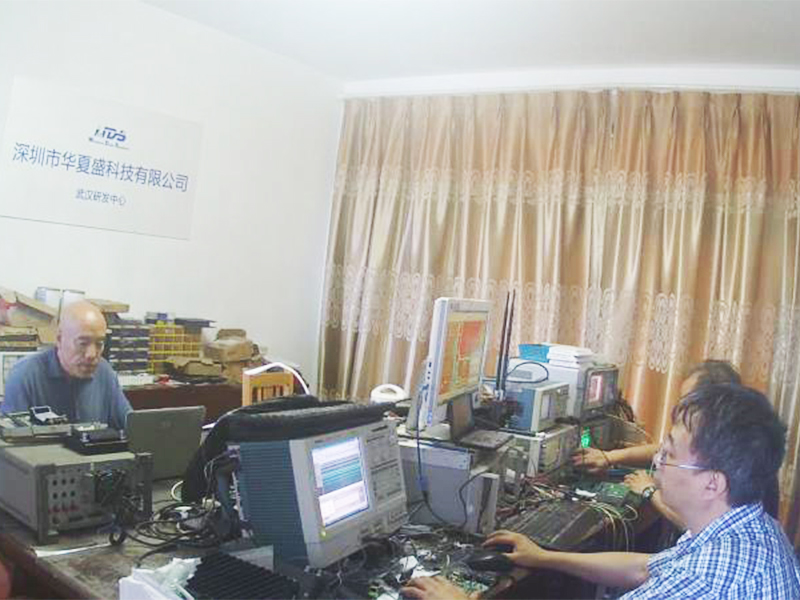


Shenzhen Huaxiasheng Technology's solutions are engineered to support critical functions in diverse modern industries:
Procuring industrial-grade wireless modules requires analyzing several technical trade-offs to ensure compatibility, durability, and system longevity.
Airborne and vehicular installations subject communication components to severe physical stressors, including rapid thermal changes, continuous high-frequency vibrations, and moisture exposure. Enterprise buyers must prioritize IP67-rated enclosures, ruggedized board-to-board connectors, and specialized thermal dissipation profiles (such as integrated cooling channels) to ensure stable long-term field operation.
Since RF frequency bands are strictly regulated across different regions, custom designs must support wide tuning bands (e.g., 900MHz, 1.4GHz, 2.4GHz, or customizable military-grade bands) and software-defined radio (SDR) interfaces. This adaptability enables teams to deploy identical base hardware in multiple international jurisdictions, altering operational parameters solely via software configuration.
To avoid vendor lock-in, systems should offer standard interfaces—such as Ethernet, RS232/RS485, and TTL—alongside support for open-source and industry-standard protocols. Additionally, our MESH systems support robust node scalability, allowing field operators to dynamically expand the network from simple point-to-point links up to 64-node self-organizing topologies without having to restructure the underlying hardware.
Direct, engineering-focused answers to common telemetry, RF, and network questions.
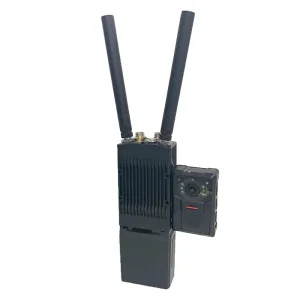
Highly robust modular solutions designed for integration, vehicular mounting, and long-range tactical command.
 Sinosun Tech