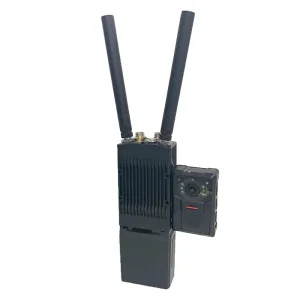
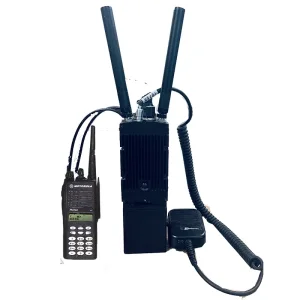
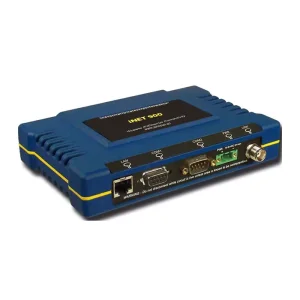
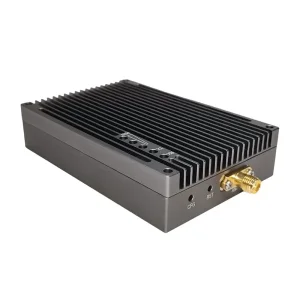
Explore our range of heavy-duty, long-range, and low-latency RF transceivers. Engineered specifically for complex dynamic environments where reliability cannot be compromised.
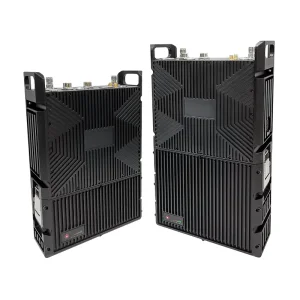
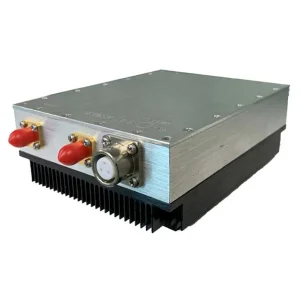
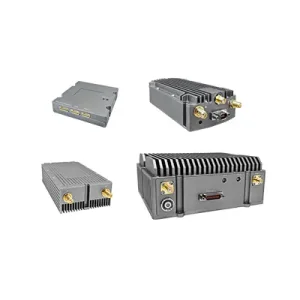
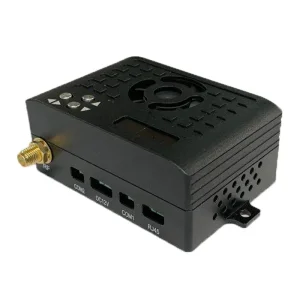
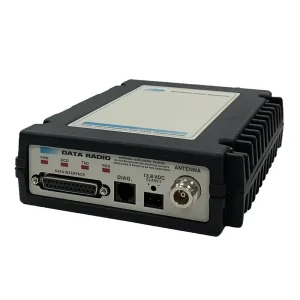
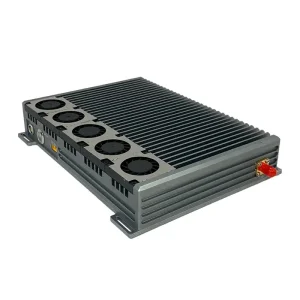
In the modern theater of industrial automation, tactical remote operations, and unmanned system fleets, the requirement for robust, reliable, and high-bandwidth Vehicle Wireless Links has escalated from a premium upgrade to an absolute operational necessity. No longer can vehicle telemetry survive on legacy point-to-point analog systems or consumer-grade cellular solutions. In high-stakes environments, interference, signal shadowing, and long latency profiles are direct pathways to system failure.
As a leading custom vehicle wireless links supplier, we have tracked the dramatic architectural shifts in radio frequency (RF) designs. The global market is transitioning rapidly towards Mobile Ad-Hoc Networks (MANET), where every vehicle, drone, and operator acts as a dynamic node in an intelligent, self-organizing, and self-healing mesh matrix. By implementing advanced OFDM and COFDM technology alongside high-density multi-antenna MIMO systems, our units circumvent traditional line-of-sight (LOS) limitations, enabling consistent multi-channel video and high-rate telemetry transmission even in dense urban canyons, deep mines, and dense forest terrain.
Operating efficiently across VHF, UHF, L-band, S-band, and C-band channels, allowing seamless integration with regional frequency spectrum regulations and military-grade applications.
Engineered with rapid frequency-hopping spread spectrum (FHSS) technology and advanced COFDM modulation algorithms to evade intentional and ambient electronic interference.
Sub-30ms glass-to-glass latency enables real-time teleoperation of unmanned ground vehicles (UGVs) and heavy industrial excavation systems from safe remote stations.
To design an optimal wireless communication system for dynamic ground vehicles, we must solve the physical hurdles of propagation losses, multipath fading, and atmospheric attenuation. Let’s dissect the engineering elements that make our pMDDL, iNET, and MIMOmesh hardware standard equipment for international defense contractors and industrial system integrators.
First, the incorporation of COFDM (Coded Orthogonal Frequency Division Multiplexing) ensures that digital signals are split across hundreds of orthogonal sub-carrier frequencies. This means that if a subset of carriers is absorbed or reflected by metal obstacles or rock faces, the receiver's powerful forward error correction (FEC) codes reconstruct the lost data packets instantly. Unlike commercial Wi-Fi or LTE networks, which fail abruptly under severe multipath conditions, our custom vehicle links gracefully degrade bandwidth while maintaining a steady link connection.
Second, the physical structure of our BiAMP Two-Way RF Amplifiers resolves the classic asymmetric link issue. Drones or lightweight mobile robots operate on limited battery budgets, meaning their transmitters cannot emit high-power RF signals. Our bi-directional amplifiers, featuring Low-Noise Amplifiers (LNAs) and fast automatic gain control (AGC) loops, actively boost weak signals from long-range nodes while optimizing transmission power in real-time, preventing channel saturation while maximizing range.
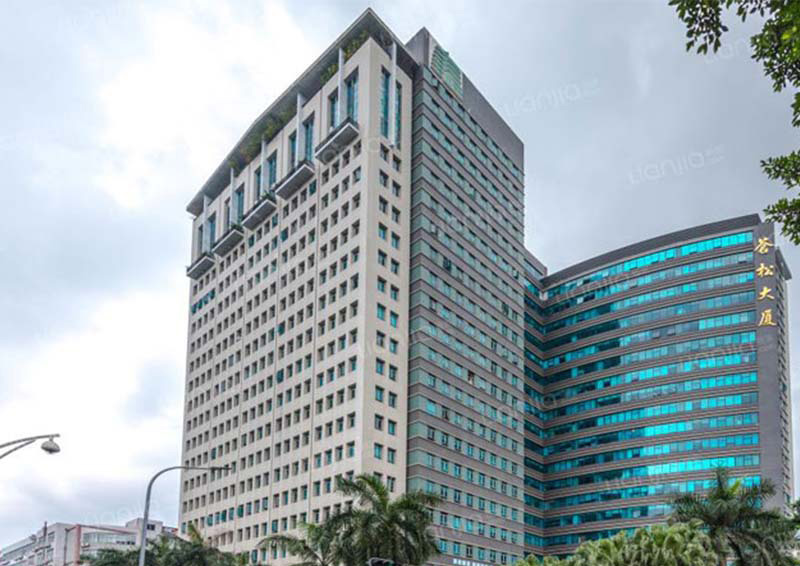
Established in 1996, Shenzhen Huaxiasheng Technology Co., Ltd. has dedicated over two decades to pioneering the service industry of wireless data transmission product development, application, and comprehensive network engineering. Relying on advanced research in collaboration with renowned domestic universities and world-class research institutes, our R&D team has consistently pushed the boundaries of RF engineering.
Our operational purpose is clear: Providing high-quality, reasonably priced products and professional, perfect services is the basis for us to become an industry leader. The spirit of active pioneering and innovation is the driving force of our continuous development. Offering advanced technology, reliable quality, and reasonably priced wireless data transmission products for industrial automation, remote control systems, and military-grade unmanned logistics remains our unchanging direction.
As a leading manufacturer, we provide the most advanced digital data transmission radios, intelligent data modules, frequency-hopping transceivers, industrial wireless Ethernet, network high-definition image transceivers, AD-HOC/MESH self-organizing networks, GNSS/RTK wireless data links, bi-directional RF power amplifiers, and multi-serial port composite connection systems.

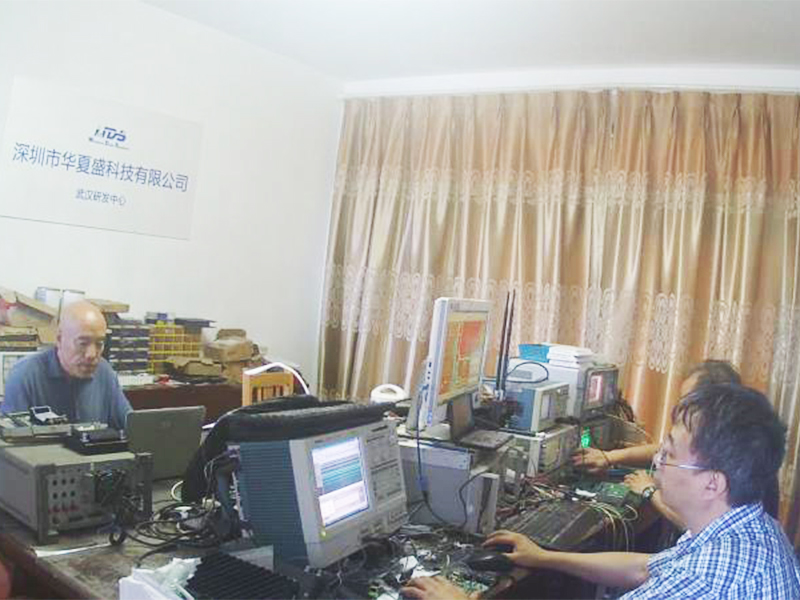
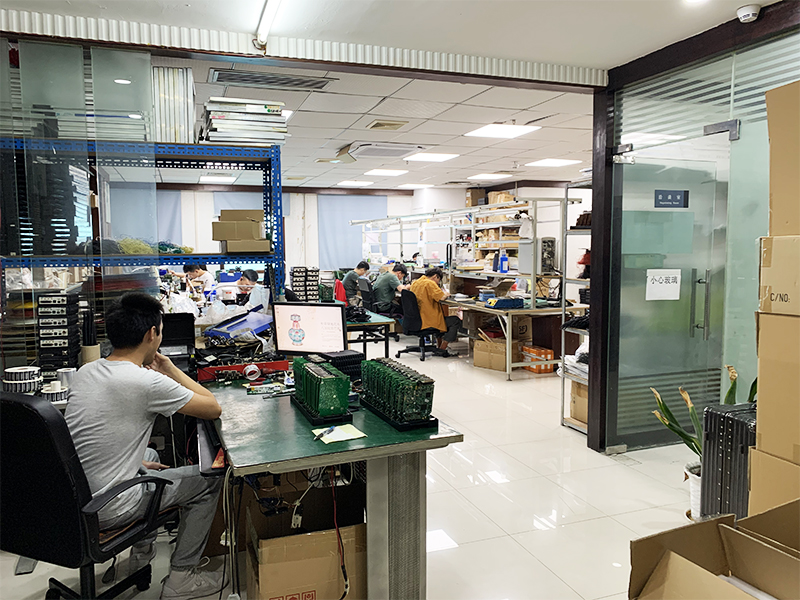
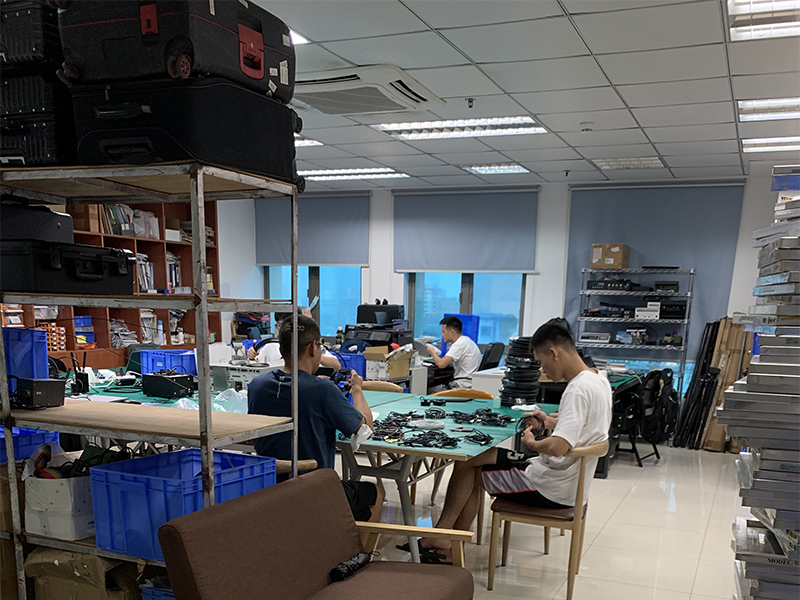
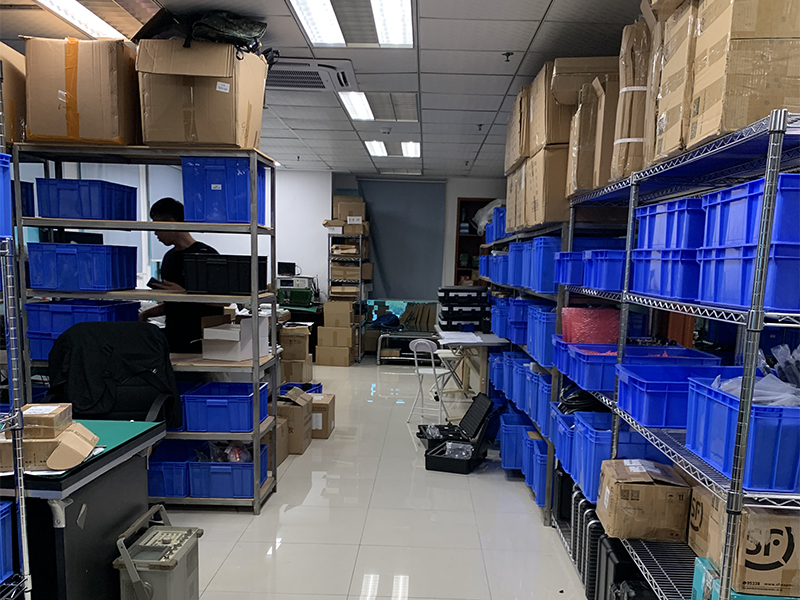
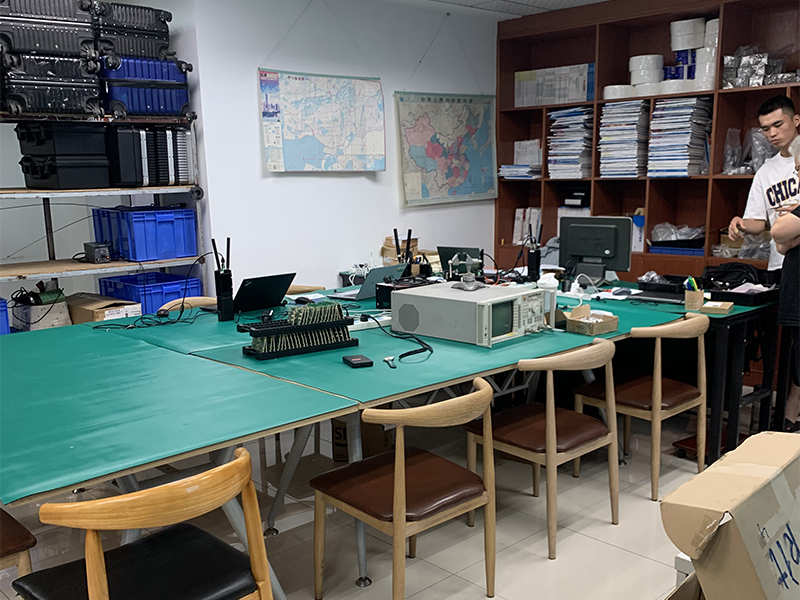
How our Shenzhen-based smart factory leverages modern production paradigms to deliver high-reliability custom wireless links with rapid turnaround times.
Our smart factory in Shenzhen employs state-of-the-art automated Surface Mount Technology (SMT) lines capable of mounting multi-layered high-density RF PCBs with precision down to 0.1mm. High-frequency digital modules and RF amplifiers are assembled under class-10,000 cleanroom environments, preventing microscopic dust from altering impedance or thermal dissipation qualities.
To ensure flawless performance on heavy machinery, drilling rigs, and aircraft, every wireless link and bidirectional amplifier undergoes comprehensive thermal shock cycles (-40°C to +85°C), high-frequency vibration testing, and ingress protection (IP67/IP68) water and dust immersion checks. We build for rough terrains, and our test protocols prove it.
Leveraging Shenzhen's unparalleled electronics supply chain hub, we secure long-term contracts for key RF components, high-performance silicon chips, and CNC aluminum enclosures. This strategic shielding isolates our global customers from raw material spikes or chip shortages, guaranteeing predictable lead times and price stability.
From deep-sea ports in Northern Europe to isolated mining operations in the Australian outback, vehicle wireless links must navigate complex physical barriers. Here is how our custom solutions solve localized telemetry and video transmission challenges.
Autonomous haulage trucks require high-capacity, low-latency links to continuously update their position maps and send raw diagnostic data back to remote processing towers. The MIMOmesh vehicular series handles structural shadow zones and heavy machinery vibration easily, preventing expensive operational stops.
For modern defense and disaster relief, groups of autonomous ground vehicles (UGVs) and airborne platforms must exchange situational maps. Our lightweight Mimomesh Airborne Series provides a reliable high-speed data link in a compact form factor that minimizes impact on aircraft battery life.
Whether controlling subsea robotics or transmitting multi-spectral video from offshore platforms, our COFDM long-distance radios maintain a robust link across the sea surface. This ensures uninterrupted real-time video and data connections despite waves and severe weather.
Detailed technical answers to help system architects and procurement officers select the ideal long-range wireless links for their operations.
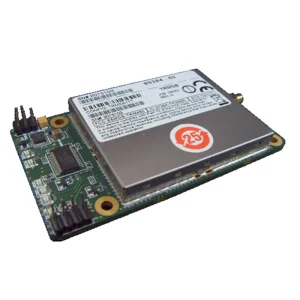
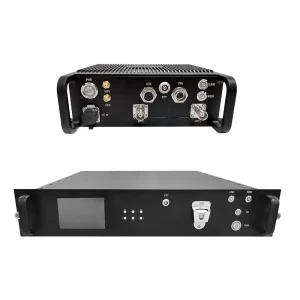
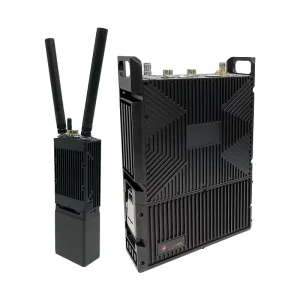
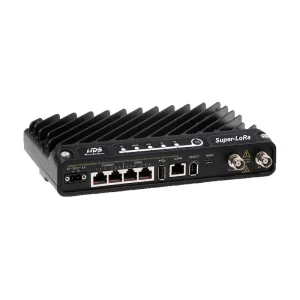
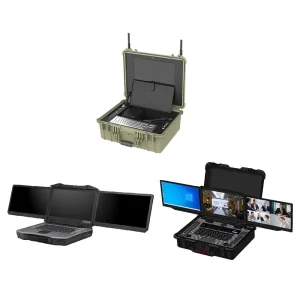
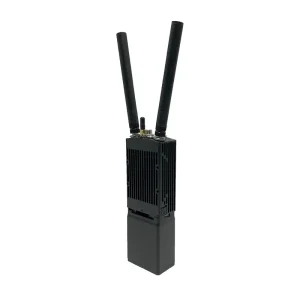
Select from our highly optimized LoRa, iNET network, and portable command systems to build a robust, end-to-end communication network.
 Sinosun Tech