High-performance wireless transceivers, network modems, and ultra-long-range IP data link systems customized for global unmanned systems and rugged environments.
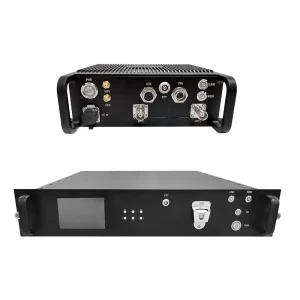
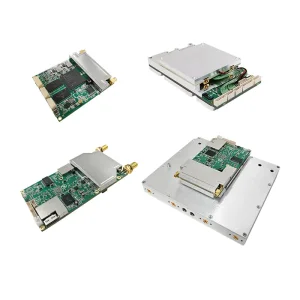
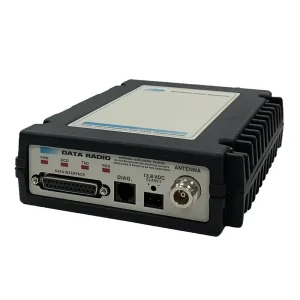
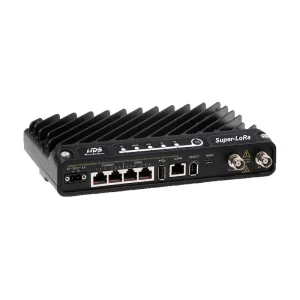
An authoritative analysis of industrial connectivity, self-healing topologies, and operational realities in tactical and autonomous vehicle applications.
In modern industrial automation, defense operations, and autonomous logistics, the Vehicle Communication Unit (VCU) has evolved from a simple telemetry modem into a high-capacity, multi-band, heterogeneous processing hub. Today's commercial, tactical, and industrial vehicles operate under extreme environmental constraints, demanding uninterrupted, high-throughput, and low-latency links. This technical evolution is defined by the intersection of dynamic self-healing wireless MESH architectures, Software-Defined Radio (SDR) versatility, and highly robust physical layer optimizations.
A high-performance vehicle communication unit serves as the physical and logical bridge between onboard vehicle controllers (CAN-Bus, Ethernet, serial interfaces) and the wider distributed network. The design criteria for modern systems focus heavily on several key indicators:
Procurement departments in robotics, aerospace, defense, and oil & gas sectors face intense headwinds when source-selecting communication modules. Standard commercial-grade (COTS) Wi-Fi and cellular equipment fail to meet the rigorous benchmarks of reliability under movement. High-vibration environments, extreme thermal shifts, and NLOS (Non-Line-of-Sight) operational zones call for ruggedized, industrial-grade silicon, customized RF front-ends, and specialized enclosure engineering. Partnering with a long-established, custom manufacturer is not merely an operational convenience; it is a fundamental requirement for risk mitigation and global compliance.
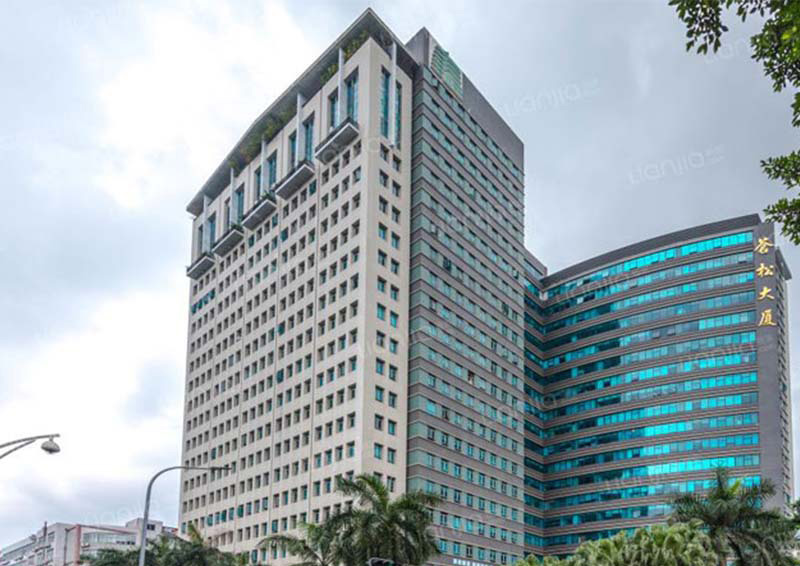
Shenzhen Huaxiasheng Technology Co., Ltd. has been engaged in the professional service industry of wireless data transmission product development, application, and network engineering since 1996. Over the past decades, the company has independently developed wireless data transmission equipment based on the world's leading technology in the wireless data transmission equipment industry, tailoring solutions to the distinct application characteristics of different fields, and relying on the strength of famous domestic universities and research institutes.
At present, Huaxiasheng develops and produces the most advanced digital data transmission radios, intelligent data transmission radios, digital data modules, high-speed frequency hopping radios, industrial wireless Ethernet, network high-definition image transmission radios/modules, AD-HOC/MESH self-organizing networks, GNSS/RTK wireless data links, industrial wireless remote I/O, handheld mobile data transmission voice transceivers, two-way RF power amplifiers, voice codecs, multi-serial port composite connections, and point-to-multipoint address coding modules.
Providing high-quality, reasonably priced products and professional, perfect services is the basis for us to become an industry leader. The spirit of active pioneering and innovation is the driving force of our continuous development. Providing advanced technology, reliable quality, and reasonably priced wireless data transmission products for factory control automation is our unchanging direction.
We combine state-of-the-art wireless architectures with flexible OEM/ODM manufacturing capability to deliver mission-ready hardware.
Shenzhen Huaxiasheng Technology Co., Ltd. is a top-tier communication equipment developer and production provider in the MESH self-organizing network industry, with rich product varieties, leading performance, long transmission distance, high transmission rates, and high anti-interference ability.
We do not only have advantages in hardware design; we maintain the best pre-sales integration consulting and after-sales field support in the industry. We commit to providing deep assistance so that system integrators can deploy our products effectively, accurately, and safely.
Providing high-quality, reasonably priced products and perfect services is the basis for our leading position. Active pioneering spirit and ongoing innovation propel our engineering department forward. Advanced technology for factory control automation remains our unchanging direction.
Our custom VCUs and data modules are field-proven across an array of critical infrastructures and demanding applications worldwide.
Long-range SCADA data radios link remote pipelines, flow meters, wellheads, and water management installations back to central control stations without relying on expensive satellite or cellular links.
Bi-directional data links, MIMOmesh transceivers, and low-latency network codec boards provide concurrent HD video feeds, precision command telemetry, and RTK GPS correction data to autonomous platforms.
Broadband and narrowband self-organizing networks facilitate real-time monitoring of power distribution systems, urban street lighting networks, meteorological sensors, and seismic telemetry nodes.
Industrial wireless Ethernets and point-to-multipoint address-coded transceivers bypass complex cabling demands in modern factories, ensuring zero-packet-loss communication across high-noise factory floors.
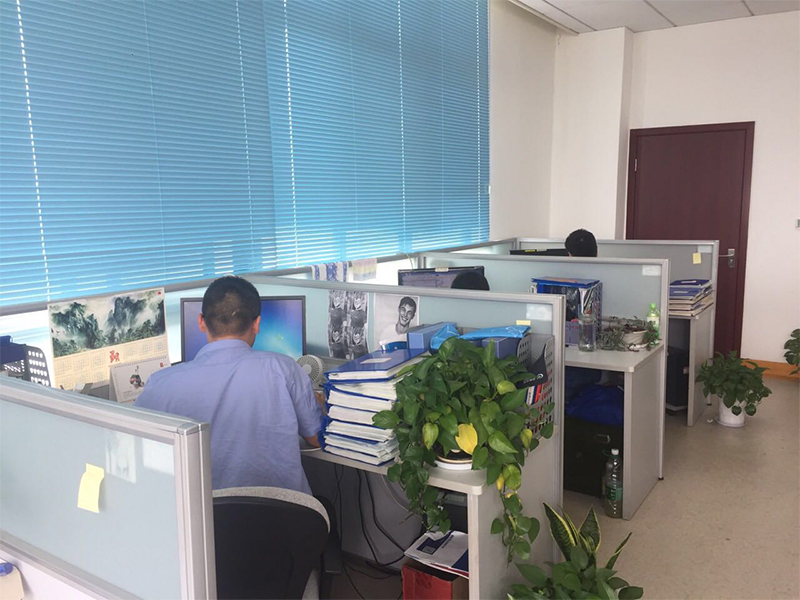
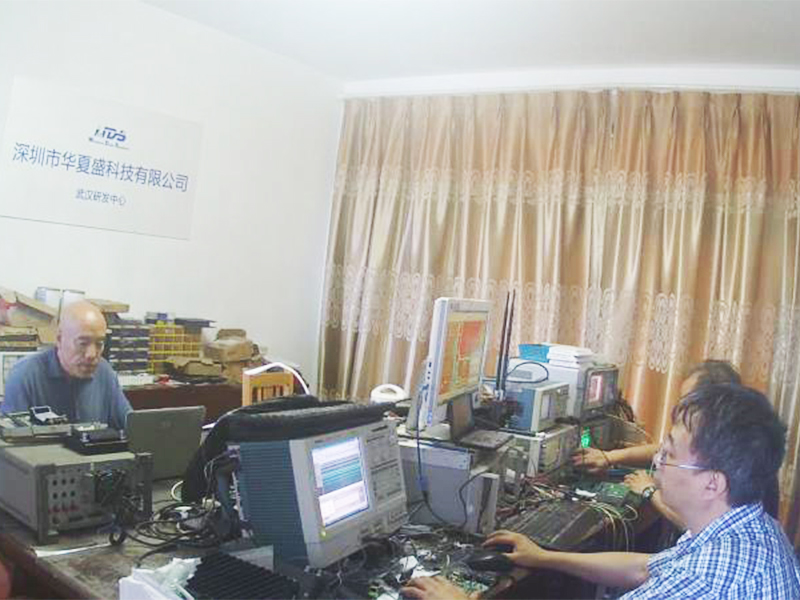
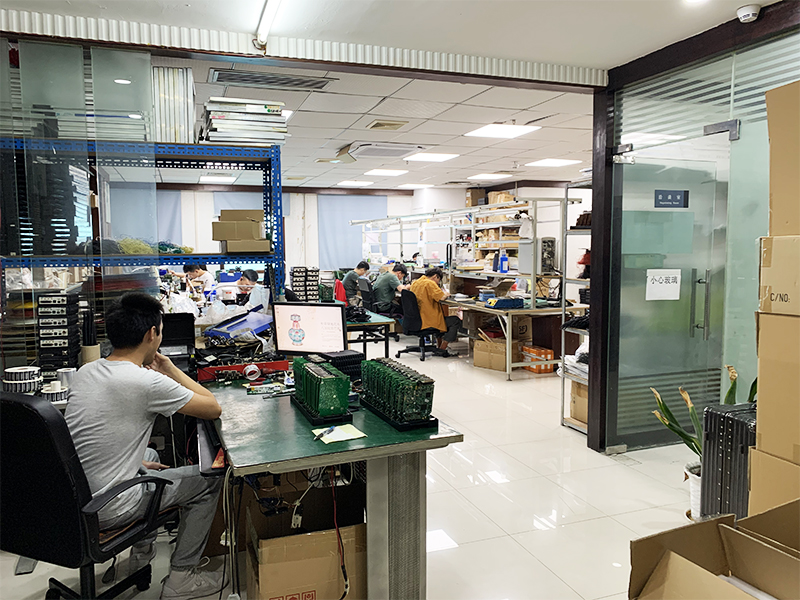
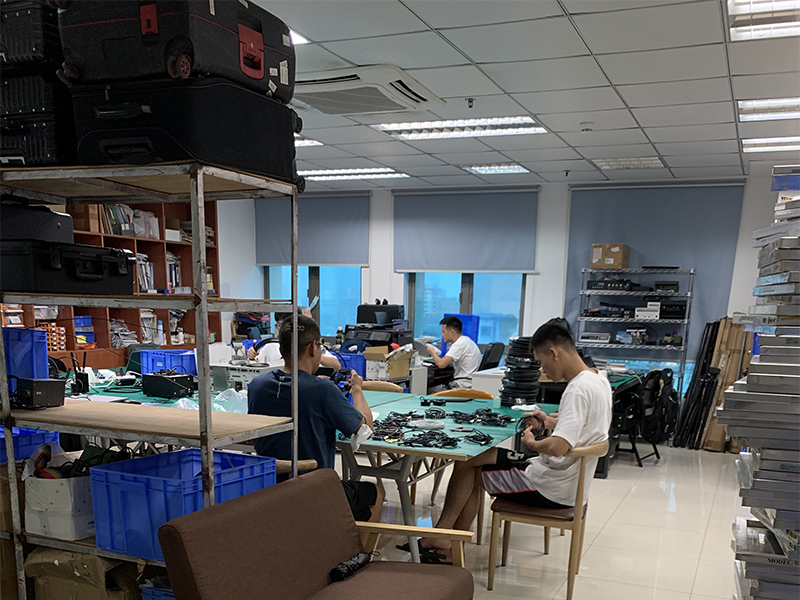
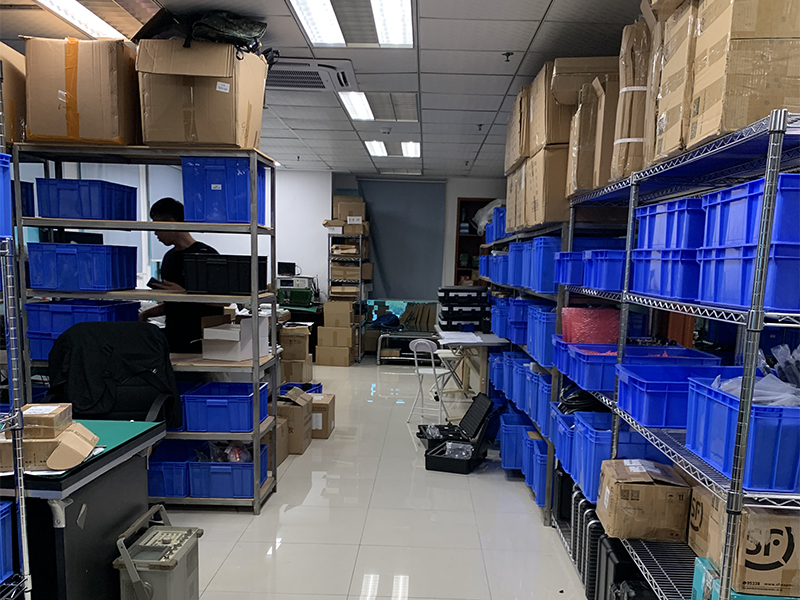
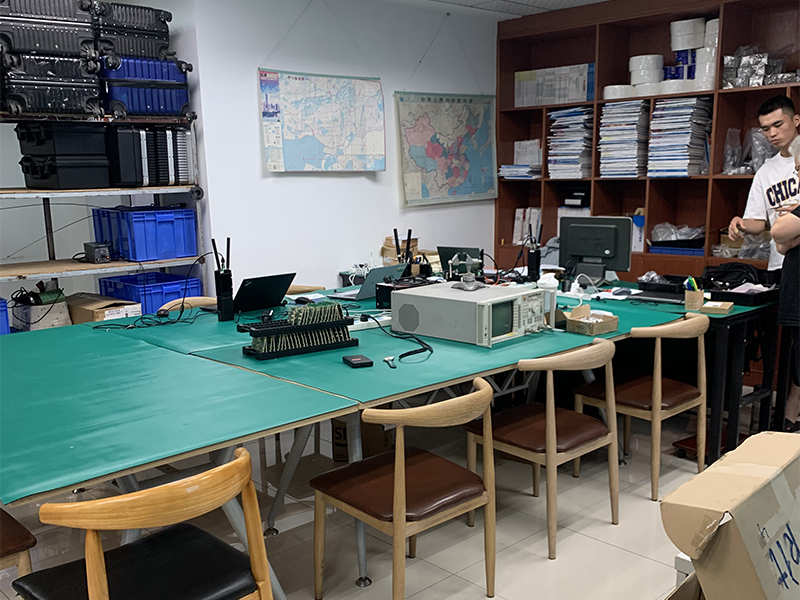
Every Vehicle Communication Unit and transceiver module undergoes strict environmental and RF validation in our modern ISO-compliant manufacturing center.
Navigating the next decade of V2X technology, edge-integrated routing, and stringent global standardizations.
As the vehicular communication landscape shifts toward massive multi-agent systems (e.g., coordinated swarms of drones and highly automated factory AGV fleets), the hardware layer must evolve to support extreme bandwidth density. Huaxiasheng is at the vanguard of this engineering evolution, focusing our core research and development on several major domains:
Traditional fixed-frequency transceivers lack the operational flexibility to adapt to localized spectrum changes. By transitioning our future-generation VCUs to SDR platforms, we enable dynamic waveform reconfiguration. A single vehicle communication unit can shift from high-frequency narrowband hopping protocols (useful in highly congested and hostile RF areas) to wideband MIMO-OFDM layouts (optimized for dense HD video streaming) via a remote software upgrade. This dramatically extends the lifecycle of deployed assets for our global customers.
Deploying heavy machinery, municipal assets, and defense systems requires complete adherence to regional telecommunication and environmental standards. Our product families are engineered to meet and exceed key benchmarks:
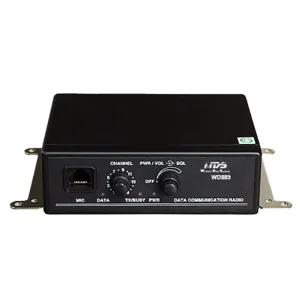
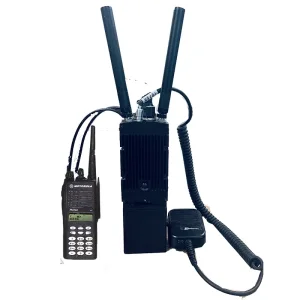
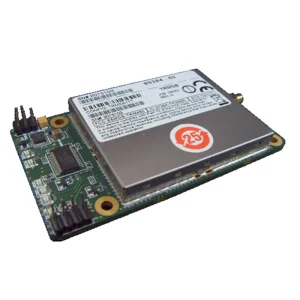
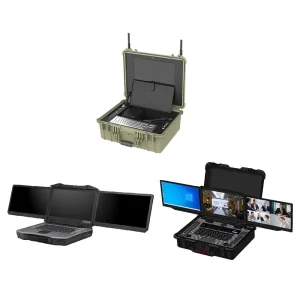
Command consoles, tracking systems, LoRa long-range transceivers, and heterogeneous gateways engineered for rugged networks.
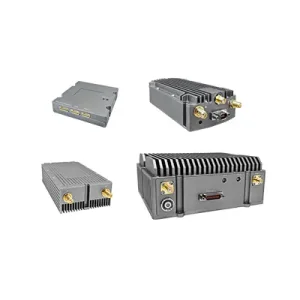
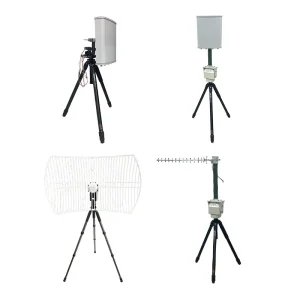
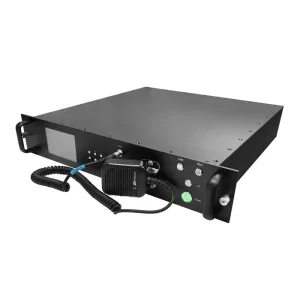
Get authoritative insights regarding spectrum usage, custom design-in services, and system capabilities directly from our senior engineering team.
Our modular hardware architectures support a wide range of frequencies, including standard licensed and unlicensed bands (such as 300MHz to 2.5GHz, and ISM bands like 902-928MHz, 2.4GHz, and 5.8GHz). Because we operate custom research and manufacturing lines, we can tune RF front-ends to specific licensed military, security, or municipal frequencies as requested by our commercial and defense clients.
A P2P link relies on a direct line-of-sight between two nodes. If an obstacle intervenes, the connection drops. In contrast, our AD-HOC self-organizing MESH networks treat every vehicle, drone, and handheld unit as a relay node. The network dynamically maps the most efficient routing paths, automatically bypassing physical obstructions by hopping data through surrounding nodes, resulting in robust self-healing reliability.
We provide comprehensive turnkey OEM/ODM services. This includes PCB physical layout adjustments (for tight integration into drone frames or vehicle dashboards), custom firmware enhancements for specific control protocols (like customized CAN-Bus filters, custom Ethernet protocols, or proprietary telemetry streams), and specialized mechanical enclosure design for unique IP-rated industrial deployment scenarios.
Our FGR2 and NANO series of high-speed FHSS radios continuously hop across a pseudo-random pattern of channels. An intercepting receiver or broad jammer cannot predict which channel our system will use at any given millisecond. This prevents localized interference from shutting down the link, and prevents bad actors from executing man-in-the-middle exploits or signal jamming attempts.
Every product batch must clear a series of hardware verification checkpoints inside our proprietary testing rooms. This includes rigorous thermal cycling inside environmental chambers (-40°C to +85°C), high-vibration tests, multi-channel RF spectral analyzers, and simulated long-range data load sweeps. This guarantees zero-defect deliveries to our industrial partners worldwide.
 Sinosun Tech