 Sinosun Tech
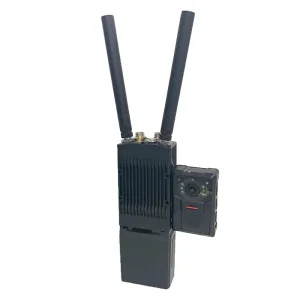
Military-grade self-healing ad-hoc network equipment engineered to bridge communications across extreme maritime distances and harsh tropical environments.
Kiribati, an archipelagic nation consisting of 33 low-lying atolls and reef islands dispersed over 3.5 million square kilometers of the central Pacific Ocean, presents one of the most demanding telecommunications environments globally. With vast oceanic distances isolating communities in the Gilbert, Line, and Phoenix Island groups, building conventional land-based telecom infrastructure is economically and physically challenging.
Additionally, Kiribati faces heightened vulnerability to climate change, rising sea levels, and tropical weather extremes. In this context, relying solely on commercial satellite services or fragile cellular towers is insufficient for mission-critical operations. The introduction of tactical-grade Broadband and Narrowband MESH network technology provides a self-healing, independent, and rapidly deployable solution that operates without base stations or cellular towers.
Our MESH networks are specifically tailored to survive maritime corrosion, support long-range NLOS (Non-Line-of-Sight) links over seawater, and supply immediate voice, data, and video communications during disaster response efforts, environmental monitoring, and local industrial activities.
By integrating both broadband and narrowband technologies, our hardware establishes a resilient, multi-tiered communications grid that aligns with the constraints of the Kiribati spectrum and maritime geography.
Operating on advanced COFDM (Coded Orthogonal Frequency Division Multiplexing) wave propagation and Multiple-Input Multiple-Output (MIMO) antenna configurations, our broadband solutions achieve high throughput (up to 80+ Mbps) over extended dynamic topologies. This architecture is vital for:
When communication distance, power consumption, and signal penetration are prioritized over throughput, narrowband MESH networks become essential. Using spectrum bands like Sub-GHz (e.g., 900MHz, 400MHz), these devices offer:
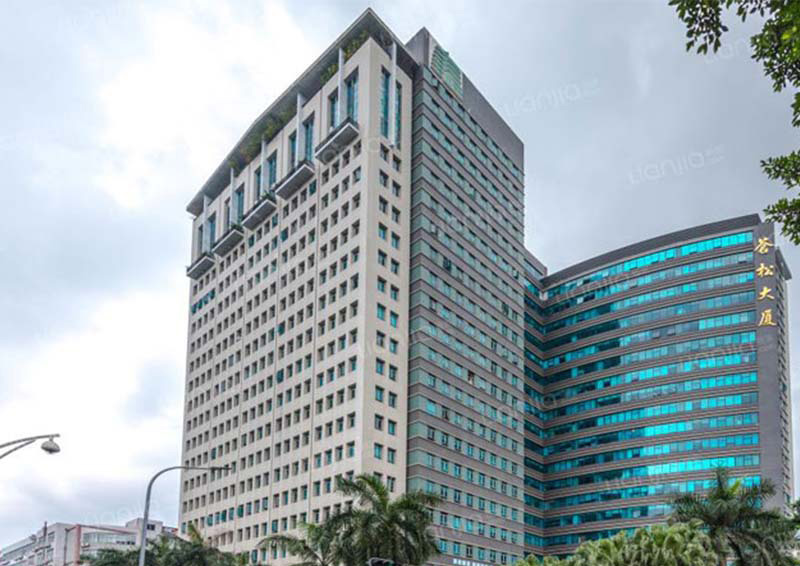
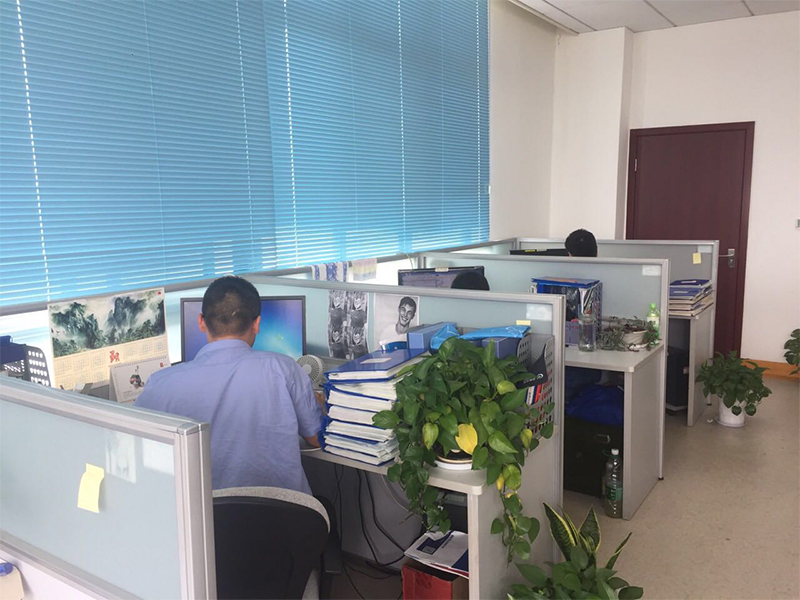
As a global pioneer in self-organizing ad-hoc networks (MANET), Shenzhen Huaxiasheng Technology Co., Ltd. has developed communication equipment serving industrial automation, remote asset monitoring, emergency services, and unmanned vehicle control systems since 1996.
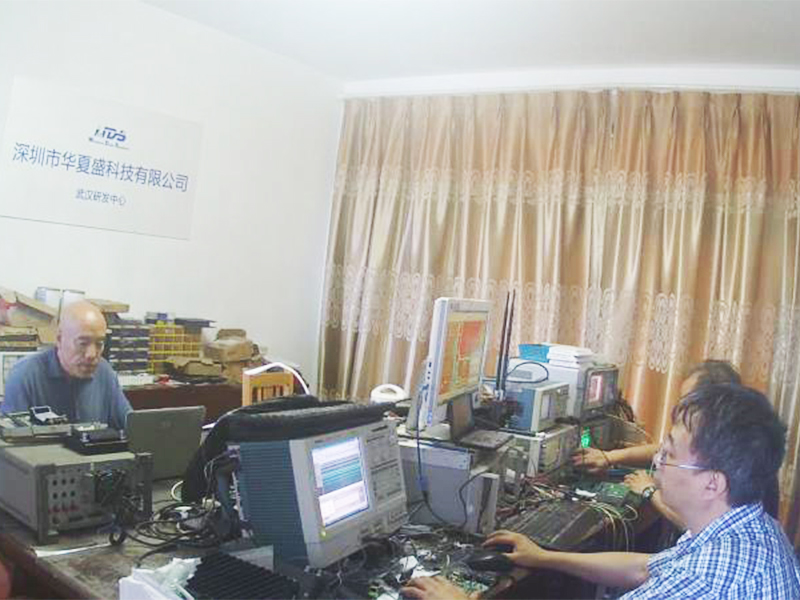
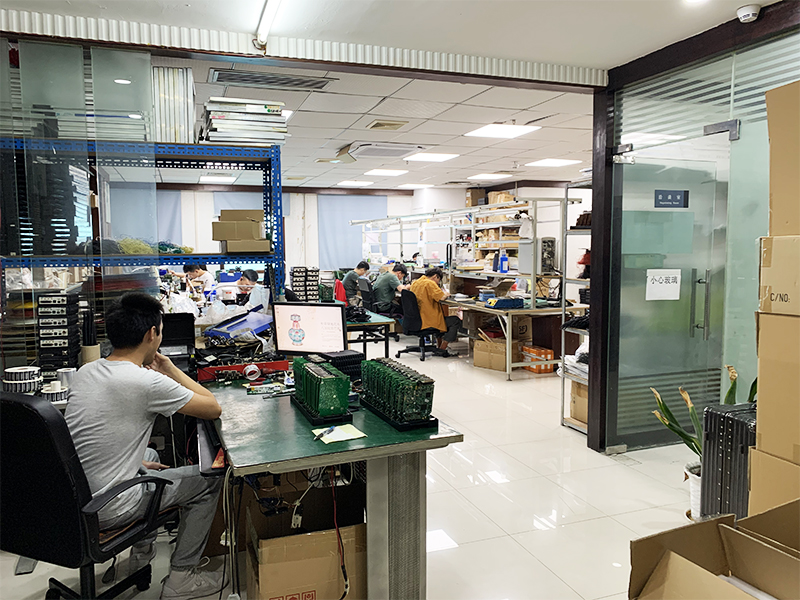
Leveraging continuous R&D since 1996, we manufacture advanced digital data transmission radios, high-speed frequency hoppers, and intelligent AD-HOC/MESH units deployed in harsh environments globally.
We supply comprehensive pre-sales modeling, coverage assessments, and after-sales support to ensure field technicians and local operators implement our systems effectively, accurately, and safely.
Providing high-performance, reasonably priced hardware paired with reliable tech support. We drive innovation in wireless data links to secure critical control, telemetry, and communications.
Our MESH infrastructure is designed to solve specific geographical, economic, and logistical communication problems unique to the Kiribati region.
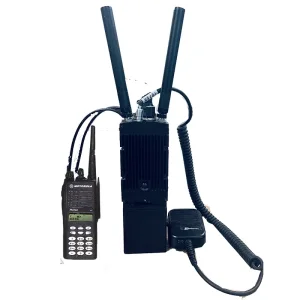
During search and rescue (SAR) missions or severe weather, communication between atolls (such as Tarawa, Kiritimati, or Tabuaeran) and small craft can fail entirely. Our airborne lightweight MESH transceivers can be mounted on patrol aircraft or drones, creating a temporary sky-to-sea link. Combined with handheld MESH radios, search teams maintain continuous voice and GPS tracking with the command center even when satellite links are degraded.
As Kiribati transitions towards sustainable energy with microgrid solar installations across its outer islands, reliable data transmission is required to monitor system health. Our low-cost, micro-volume Mesh900 modules integrate directly into solar inverters, battery management systems, and smart meters. This establishes a self-healing local telemetry network that forwards data back to a central satellite-linked gateway in South Tarawa.
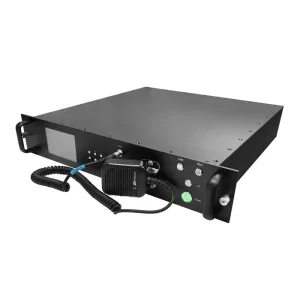
Securing Kiribati’s massive maritime boundary against illegal fishing is critical. By installing high-power rack-mounted MIMOmesh base stations on patrol vessels and placing stable outdoor series nodes at harbor facilities, the Kiribati Police Maritime Unit can stream high-definition video and radar data. Our dynamic routing protocols dynamically adjust links as patrol ships move, preserving secure, high-bandwidth connections.
Radio propagation over seawater is subject to severe multipath fading caused by sea surface reflections and tide fluctuations. Our systems implement advanced spatial diversity algorithms alongside COFDM modulation to mitigate signal phase cancellations, ensuring reliable links even across choppy open waters.
Operating in equatorial Pacific environments demands specialized engineering safeguards. Our equipment undergoes rigorous testing to meet the demands of tropical deployments.
Kiribati's coastal air is saturated with moisture and highly corrosive salt mist, which can degrade electronics in months. All our external hardware, including the stable outdoor series and deployment cameras, is housed in marine-grade aluminum alloy enclosures with specialized anti-corrosion powder coatings. Connectors and RF ports are sealed to IP67 or IP68 standards, keeping water out under pressure.
We collaborate with local integration partners to ensure our products align with the spectrum allocations overseen by the Communications Commission of Kiribati (CCK). Our software-defined radios (SDR) enable fine-tuning of center frequencies and channel bandwidths to avoid interference with existing cellular services, maritime VHF channels, or commercial satellite bands.
Our systems provide dependable data links across diverse applications, including UAV communication, maritime vessels, emergency command setups, and remote industrial facilities.
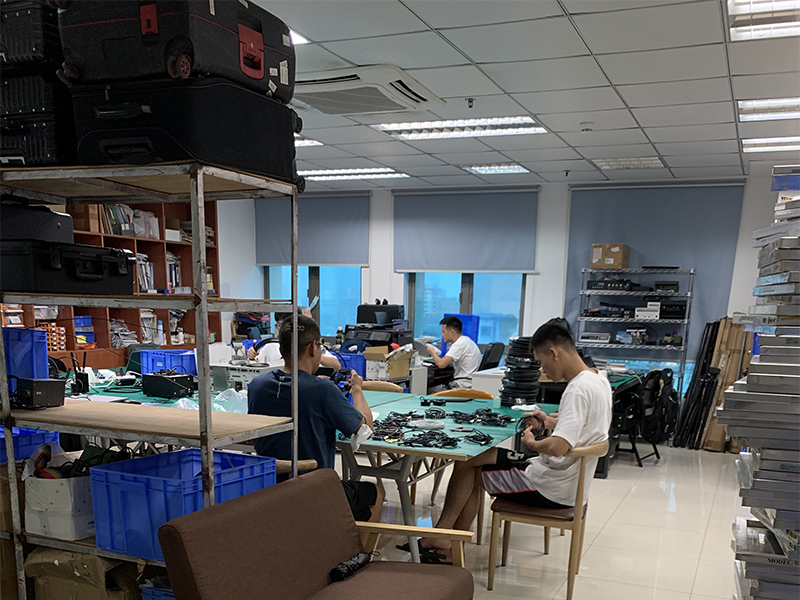
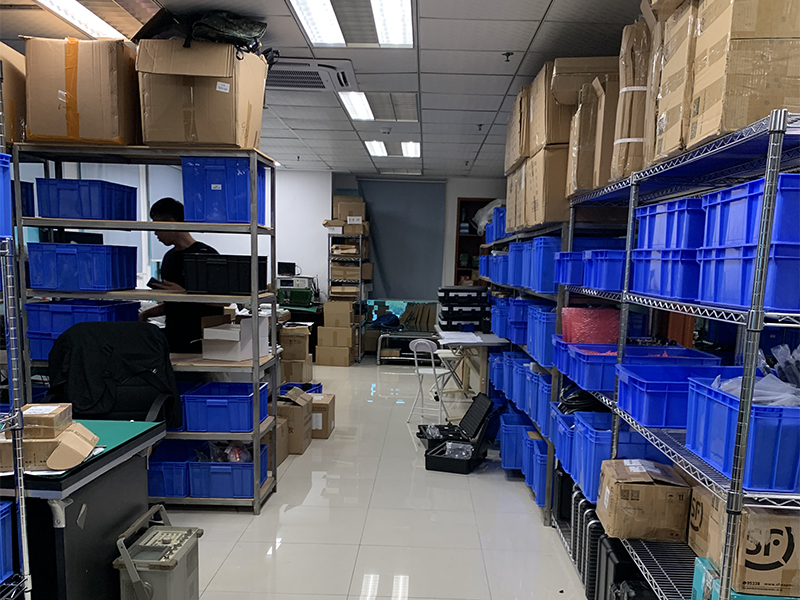
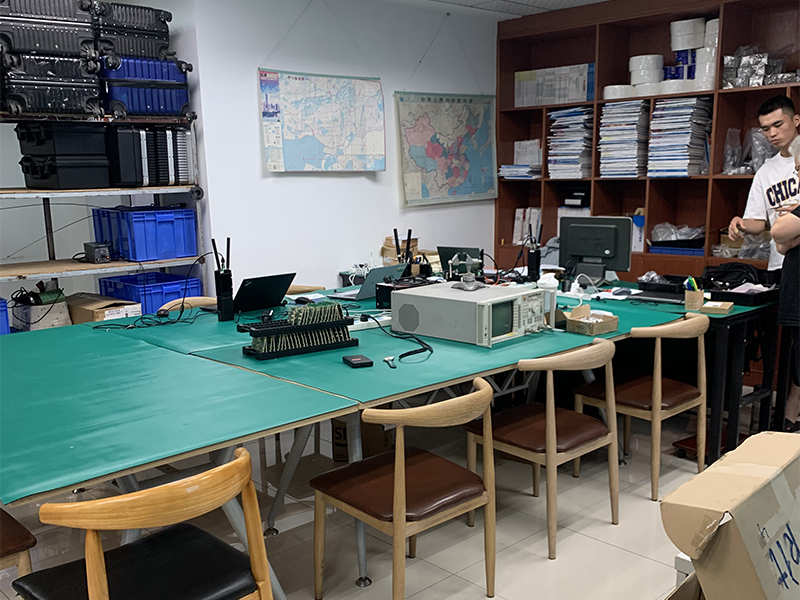
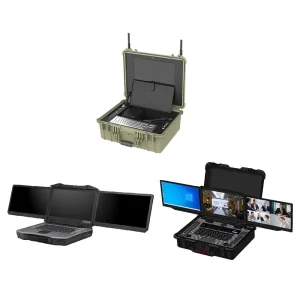
Review our full range of MESH communication systems, modules, and cameras optimized for integration with marine vessels, aerial drones, field vehicles, and fixed outdoor facilities.
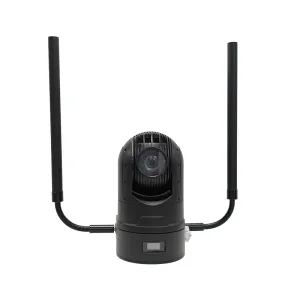
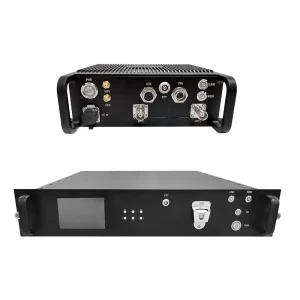
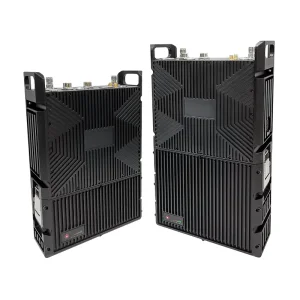
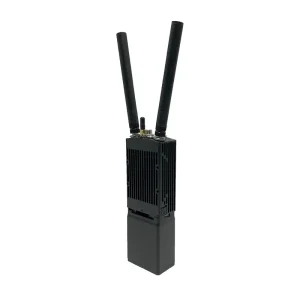
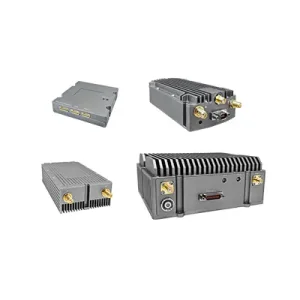
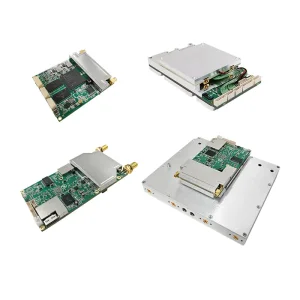
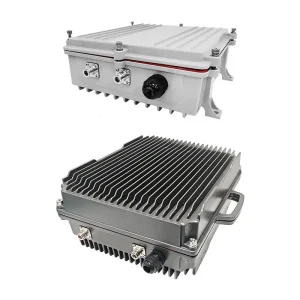
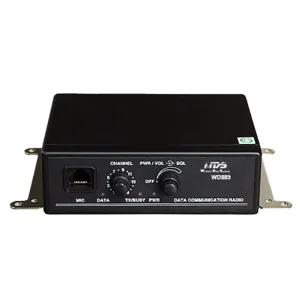
Explore solutions to typical engineering challenges encountered when deploying wireless broadband and narrowband MESH networks in Pacific island countries.
Our systems utilize multi-hop dynamic routing algorithms. Each node in the network acts as a smart transceiver and relay. If Island Node A cannot reach Command Node C directly, the system routes the encrypted signal through Node B autonomously. In addition, by integrating with local LEO (Low Earth Orbit) satellite gateways, we bridge distant islands back to the primary administrative hub in South Tarawa.
We build our outdoor and vehicle-mounted hardware using marine-grade, powder-coated aluminum alloys that resist oxidation and corrosion. All connection ports, internal seals, and ventilation membranes conform to IP67 or IP68 ingress protection standards, shielding delicate components from high humidity, salinity, and rainfall.
No. Our MESH networks are completely autonomous and establish decentralized, localized grids (ad-hoc) without base stations, cellular networks, or satellite connections. They are designed for independent communication during emergency operations, offshore security patrols, and remote research deployments.
For long-distance, non-line-of-sight communication over sea surfaces and dense foliage, we suggest Sub-GHz (e.g., 900MHz or 400MHz) narrowband radios. For local high-bandwidth video feed monitoring or command posts, our COFDM 1.4GHz or 2.4GHz broadband networks deliver higher data rates. Our software-defined radios allow for custom tuning to adhere to CCK frequency compliance guidelines.
Yes. We offer lightweight airborne series transceivers and OEM/ODM modules designed for simple physical and software integration. They support standard Ethernet and serial protocols (RS232/RS485/TTL), enabling seamless integration into remote sensors, UAV autopilots, and maritime navigation systems.
Contact our technical sales team for comprehensive link budget assessments, frequency modeling, and project quotes tailored for your operations in Kiribati.
Send Inquiry Now