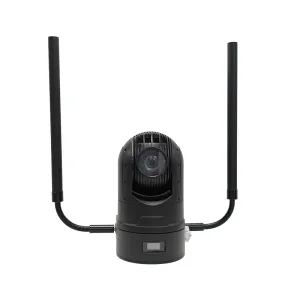
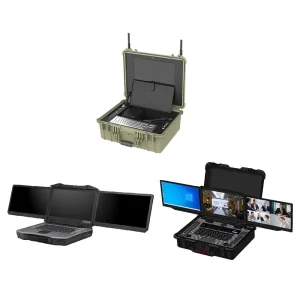
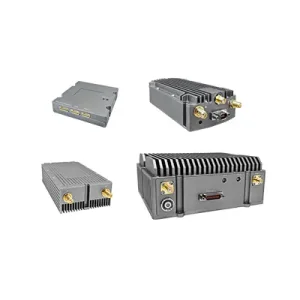
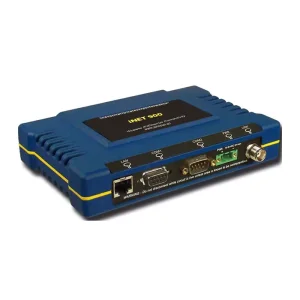
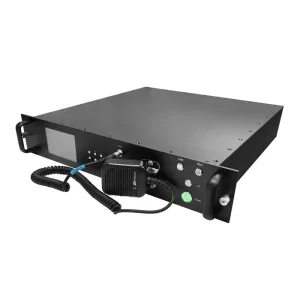
Explore our advanced spectrum radios, handheld tactical devices, airborne transmitters, and rugged OEM modules.
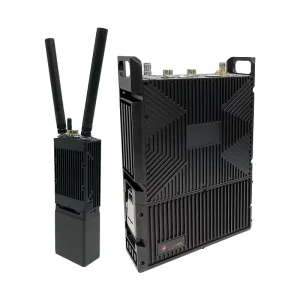
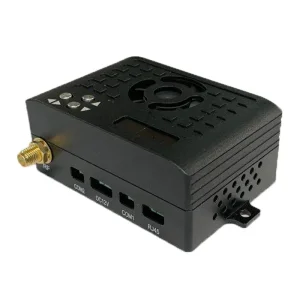
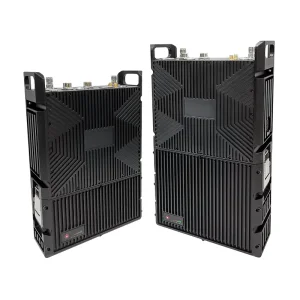
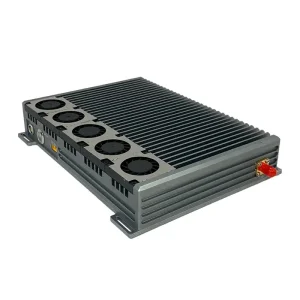
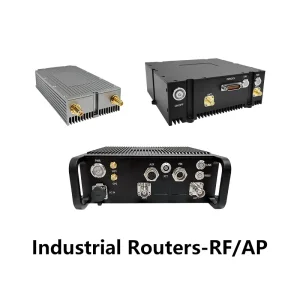
Analyzing the evolution of rugged digital infrastructure, spectrum modernization, and the vital role of Shenzhen Huaxiasheng Technology in the global industrial sector.
In the modern era of the Industrial Internet of Things (IIoT), robust and secure wireless communication stands as the absolute foundation of structural automation. In harsh environments like deep ocean offshore drilling rigs, subterranean tunnels, automated container ports, and volatile petrochemical plants, deploying copper wires or fiber optics is either structurally unviable, highly vulnerable to structural degradation, or prohibitively costly. This is where Wireless Industrial Link systems assume a vital role.
The global wireless communication and telemetry hardware market is experiencing a profound architectural shift. Legacy cellular-only approaches are being replaced by highly resilient private ad-hoc networks, non-line-of-sight (NLOS) multi-carrier configurations, and cognitive frequency-hopping topologies. To assure steady, deterministic telemetry, modern control loops demand latency values of under 30 milliseconds, high anti-interference thresholds, and continuous uptime under temperatures ranging from -40°C to +85°C.
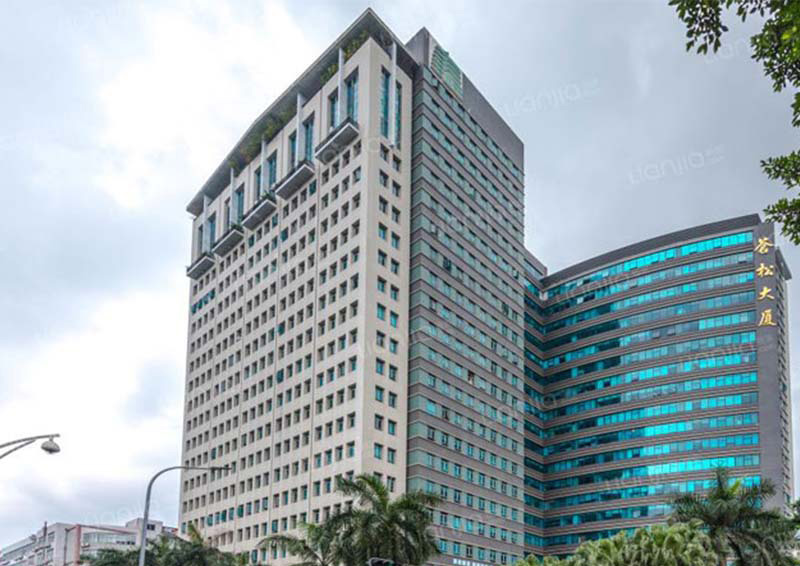
A deep history of innovation, academic collaboration, and robust quality control standardizing modern industrial data links.
Founded in 1996, Shenzhen Huaxiasheng Technology Co., Ltd. (HXSmodule) has spearheaded the advancement of industrial wireless data transmission systems, remote application development, and intricate network engineering solutions. Over the past three decades, Huaxiasheng has established its reputation as a globally recognized manufacturer and supplier of advanced digital transmission radios, proprietary MESH ad-hoc architectures, and multi-channel telemetry systems.
Our development roadmap is fueled by strategic collaborations with highly acclaimed universities and national-tier research laboratories. By combining core academic theory with practical application engineering, we ensure that every transceiver, module, or RF power amplifier we produce delivers peak performance in intense mechanical stress and high-interference RF environments.
We pride ourselves on offering complete, integrated manufacturing capabilities. With automated SMT assembly lines, cleanrooms, and testing facilities located in Shenzhen, China, we guarantee that every module—from our high-performance DDLmesh Series to our high-speed frequency-hopping modules (FGR2/NANO series)—undergoes stringent multi-stage climate chamber, vibration, and RF analyzer testing. This rigorous engineering and validation framework ensures our systems deliver reliable uptime in hazardous industrial fields worldwide.
Over 28 years of dedicated focus on wireless industrial networks. We design and build our own RF transceivers, network layer protocols, and hardware architectures to ensure total reliability.
We supply more than off-the-shelf modules. Our expert network engineers provide link budget calculations, path-profile mapping, and site audits to guarantee a safe, operational system.
Our goal is to build reliable, high-performing communication solutions at competitive price points. Continuous innovation drives our R&D team to support global smart factory standards.
Exploring the core science behind COFDM, MESH, MIMO, and FHSS transmission methods engineered by Huaxiasheng.
| Technology Platform | Operational Spectrum | Latency (Round Trip) | Anti-Interference Class | Ideal Application Profiles |
|---|---|---|---|---|
| DDLmesh (Dynamic Data Link) | Sub-1GHz & 2.4GHz / 5.8GHz | <15ms to 30ms | Grade A++ (Cognitive Carrier Detection) | UGV/UAV control swarm, heavy automated equipment, deep excavation |
| MIMOmesh (Multiple-In Multiple-Out) | 1.4GHz, 2.4GHz Multi-band | <25ms | Grade A (Multipath Fading Resistant) | Urban NLOS operations, high-definition portable command hubs |
| COFDM Video Transceiver | 300MHz to 1.5GHz (Customizable) | <80ms (H.264/H.265 stream) | Grade A++ (Multipath Fading Resistant) | Long-range real-time HD tactical video link, high-speed UAV reconnaissance |
| FGR2 & NANO (FHSS) | 902 - 928 MHz Frequency Hopping | <10ms (Serial Telemetry) | Grade A+++ (Dynamic Hop Sequence) | GNSS/RTK surveying, high-precision mapping, SCADA RTU polling |
| iNET Series Network Radio | 900MHz / 2.4GHz dual-band | <20ms | Grade A | Industrial wireless Ethernet, smart oilfields, utility infrastructure |
Traditional Single-Carrier modulation struggles in urban spaces and heavy industrial areas because structures reflect radio waves, creating signal echo and interference (multipath fading). Our COFDM (Coded Orthogonal Frequency Division Multiplexing) technology splits the signal across hundreds of closely-spaced sub-carrier frequencies. We also apply advanced forward error correction (FEC). As a result, our transmitters deliver stable, high-definition video feeds through concrete walls, industrial piping, and metallic structures.
In mobile team deployments or multi-robotic swarm environments, maintaining a connection to a central master tower can be a single point of failure. Our MESH Self-Organizing Networks utilize decentralized routing. Every portable backpack unit, vehicle station, or drone module serves as an intelligent relay node. If a node moves out of range or experiences heavy interference, the network dynamically updates its paths in milliseconds, routing data through alternative active nodes to maintain seamless connectivity.
Operating in busy license-free ISM bands requires strong defense against RF interference. The FGR2 & NANO modules utilize advanced FHSS technology. Instead of transmitting on a single static frequency, these radios change carrier frequencies hundreds of times per second using a pseudo-random code. Even if several frequencies are blocked by local Wi-Fi or machinery, the data packets instantly get through on free channels, providing solid, interference-free telemetry.
Autonomous tractors, mining trucks, and high-precision mapping tools need centimeter-level positioning accuracy. To achieve this, real-time kinematic (RTK) base stations must broadcast correction data to rovers with absolute reliability. Our specialized **GNSS/RTK Wireless Data Link** provides high-speed, low-latency transmission for RTCM corrections. This ensures precise positioning across long distances and difficult environments.
Deploying resilient wireless communication architectures to optimize field safety, efficiency, and reliability across modern industries.
Petroleum wells and natural gas processing plants span thousands of square kilometers of demanding outdoor terrain. Installing fiber optic cables across these expanses is financially impractical, while standard cellular networks are often unavailable.
By deploying our iNET Series Network Radios and FGR2 Series Modems, plant operators establish secure, long-range private IP networks. These systems connect remote RTUs, PLCs, safety shutdown valves, and flow meters to the central SCADA terminal. Operating in the licensed 900MHz or 400MHz bands, these links easily bypass large metal storage tanks and complex piping systems, delivering dependable, around-the-clock monitoring.
Autonomous inspections using drones (UAVs) and ground vehicles (UGVs) require high-bandwidth communication for control signals and real-time high-definition video feeds.
Our DDLmesh Airborne & Vehicular Series provides dual-purpose wireless connections. Weighing only a few grams, our OEM modules transmit continuous telemetry and H.265 compressed video over distances exceeding 50 kilometers. By leveraging high-gain antenna tracking systems, operators maintain steady control, enabling long-range utility pipeline surveys and structural infrastructure inspections.
An international underground mining enterprise faced frequent signal loss with their autonomous haulage vehicles due to thick dust and solid rock obstructions.
The Solution: The company installed the **MIMOmesh Backpack Series** and **MESH Deployment Cameras** at key cavern intersections.
The Result: The network achieved continuous, redundant coverage. Telemetry latency remained under 20ms, preventing emergency safety stops and increasing production efficiency by 22%.
Modern agriculture and structural engineering rely on automated, centimeter-accurate machinery. Without real-time corrections, GPS positioning accuracy can drift by several meters, disrupting automated guidance systems.
Our GNSS/RTK Wireless Data Link transmits precise RTK correction data from reference base stations directly to mobile tractors and equipment. These radios are designed to maintain link stability despite high dust levels, heavy rain, and dense crop cover, allowing field machinery to run smoothly and efficiently.
Container terminal yards are complex, high-interference environments dominated by massive steel cranes and moving shipping containers.
To address these challenges, terminal operators deploy our HX Series Wireless Industrial Routers along with ruggedized MIMOmesh vehicular stations. This setup enables real-time coordinates, container ID scans, and safety video feeds to transfer continuously back to the logistics database, ensuring smooth, uninterrupted port operations.
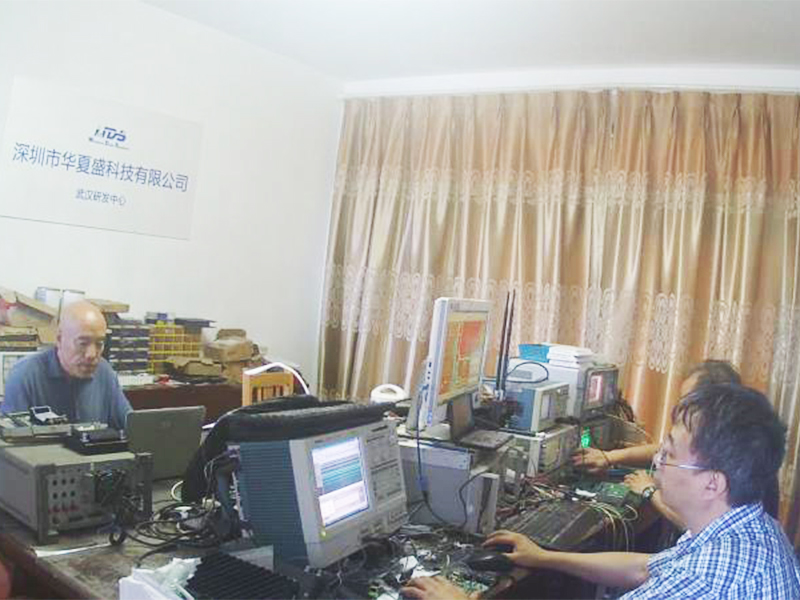
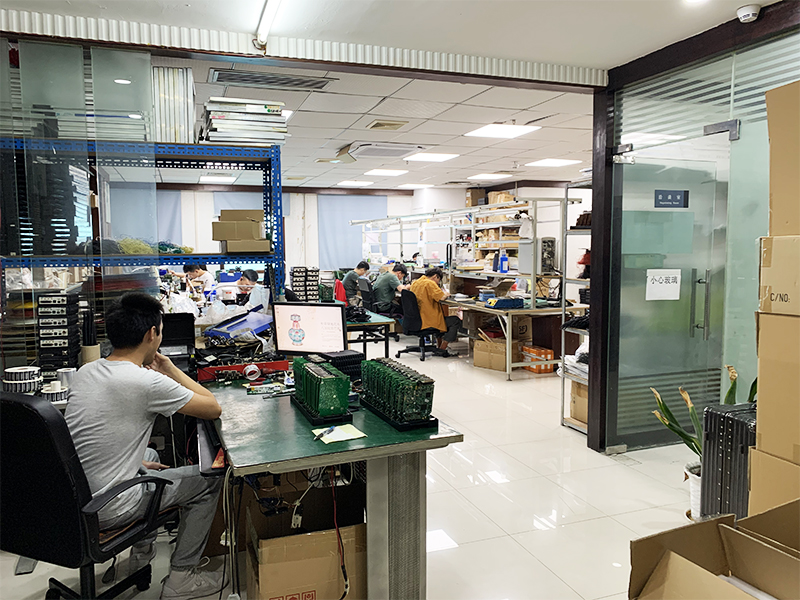
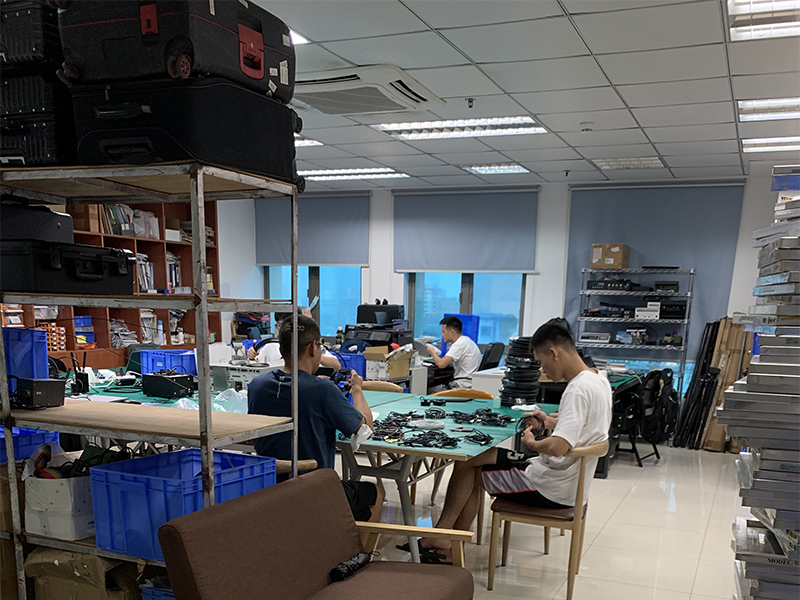
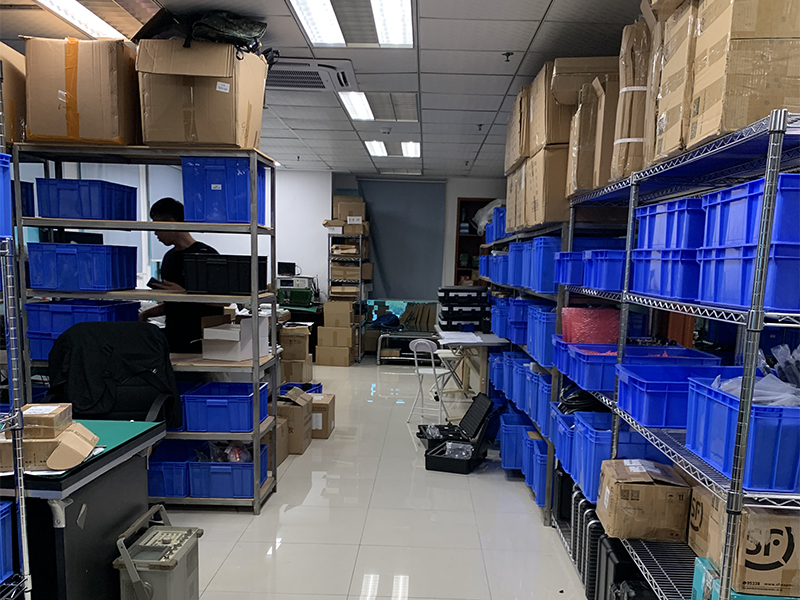
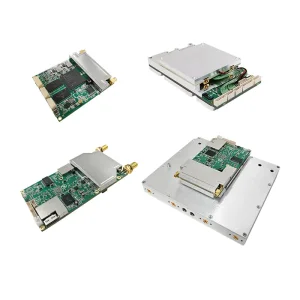
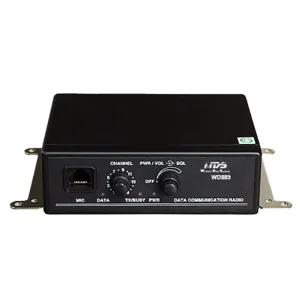
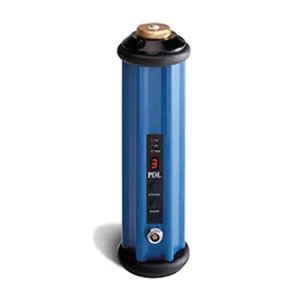
A visual showcase of Shenzhen Huaxiasheng Technology's production assets and specialized testing modules.
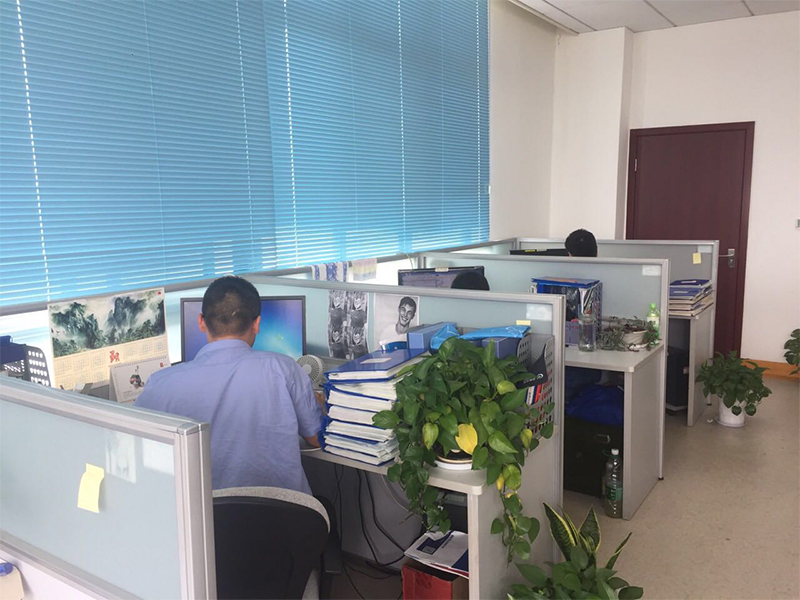
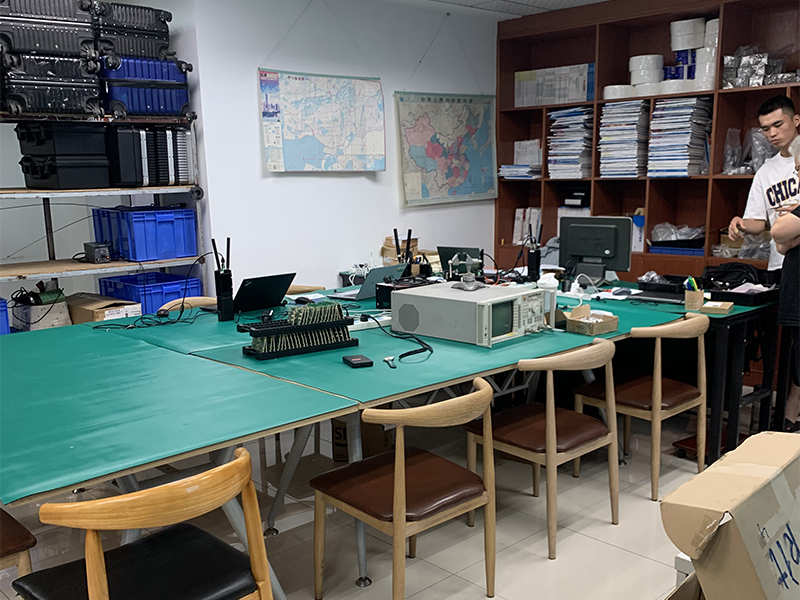
Providing direct, actionable answers to technical questions commonly raised by system engineers and network architects.
Explore our precision tracking platforms, high-performance telemetry transceivers, and rugged OEM network gateways.
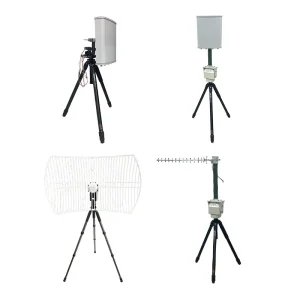
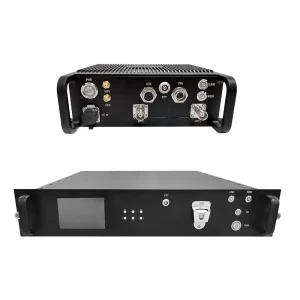
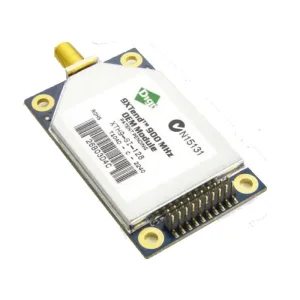
 Sinosun Tech