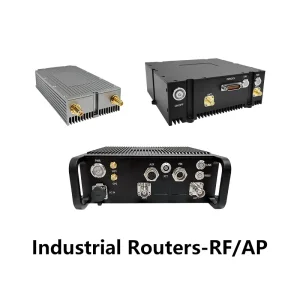
In the rapidly changing framework of industrial digitization, modern manufacturing and field execution infrastructures demand unparalleled communication systems. Traditional, static network architectures are no longer sufficient. Enterprise architectures are pivoting away from complex, fragile physical copper and fiber topologies toward dynamic, self-healing **Industrial Wireless Networks**. These high-capacity networks represent the backbone of **Industry 4.0**, powering automated guided vehicles (AGVs), unmanned aerial systems (UAS), teleoperated heavy machinery, and intelligent sensory arrays in extremely harsh electromagnetic environments.
Currently, three distinct trends shape the industrial communication market:
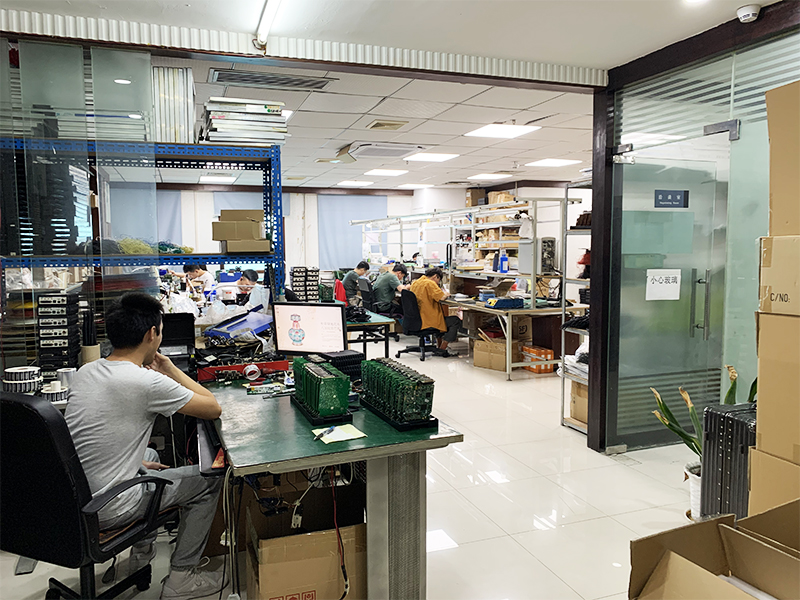
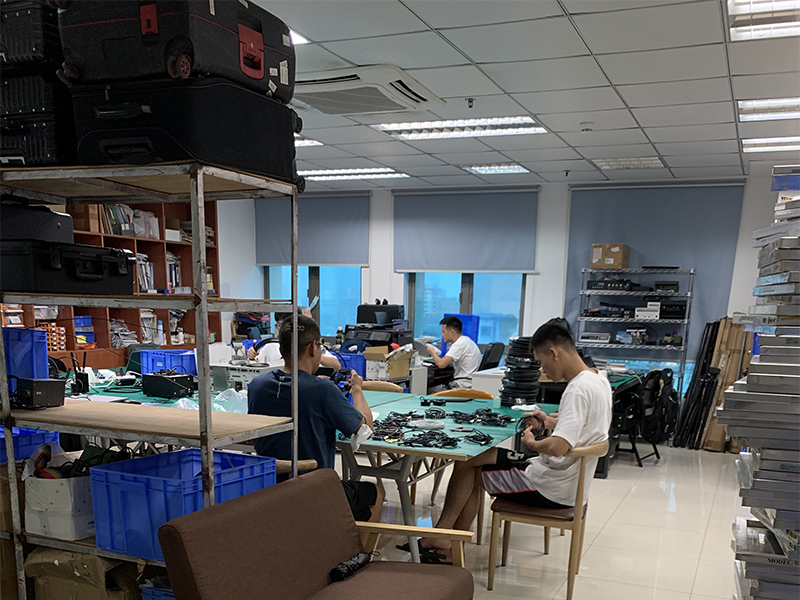
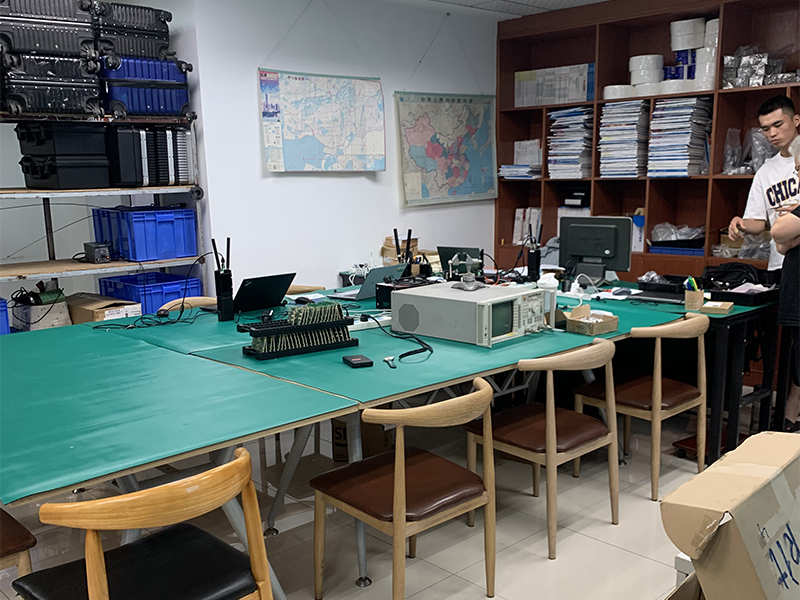
Established in 1996, Shenzhen Huaxiasheng Technology Co., Ltd. has stood at the absolute forefront of wireless data transmission engineering, dynamic network design, and rugged industrial hardware manufacturing for nearly three decades. Our foundational core relies on merging domestic academic engineering research with robust commercial execution, allowing us to pioneer a broad portfolio of proprietary communication technologies.
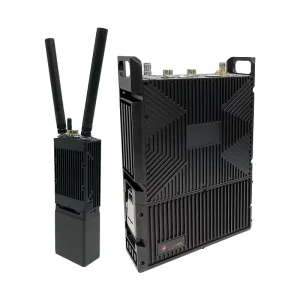
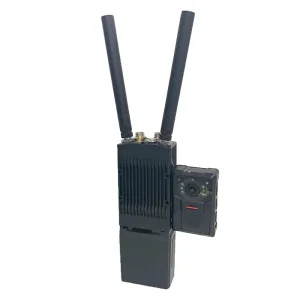
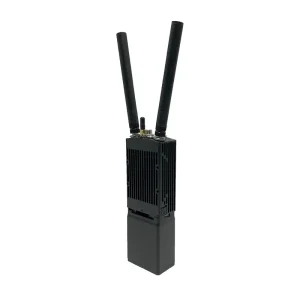
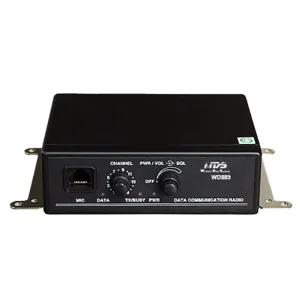
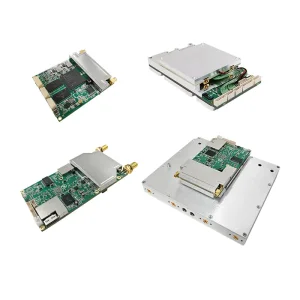
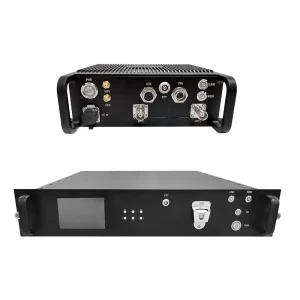
We independently research, develop, and manufacture leading-edge technologies including digital data transmission radios, intelligent multi-channel modems, MESH self-organizing networks, GNSS/RTK data links, high-speed frequency hopping transceivers, and heavy-duty industrial Ethernet solutions. By constantly integrating with advanced research institutes, we guarantee that each deployment complies with rigorous military-grade and commercial standards.
Shenzhen Huaxiasheng Technology Co., Ltd. is a top communication equipment provider in the MESH self-organizing network industry, featuring robust anti-interference, long-range RF links, and dynamic multi-channel bandwidth allocation.
We pride ourselves on offering comprehensive pre-sales system architecture consulting and swift global technical support, ensuring our products are implemented safely and efficiently in mission-critical environments.
Providing high-quality, reasonably priced products and professional, perfect services is the basis for us to become an industry leader. Continuous technological innovation remains our unchanging direction.
Procurement engineers and industrial decision-makers looking to deploy wireless solutions in sectors like petrochemicals, offshore drilling, mining, or automated warehouse logistics face challenging KPIs. Standard consumer or light-enterprise wireless modems fail under structural vibrations, wide temperature fluctuations (-40°C to +85°C), and high radio density. The strategic choice of premium hardware directly optimizes the Total Cost of Ownership (TCO).
When reviewing suppliers, modern procurement executives evaluate several key criteria:
By sourcing products from a specialized, certified manufacturer like Shenzhen Huaxiasheng Technology Co., Ltd., global distributors and system integrators bypass typical supply-chain bottlenecks and receive reliable field devices designed to withstand harsh operational conditions.
China's emergence as an advanced Industry 4.0 powerhouse is defined by its deep vertical manufacturing integration, unparalleled component ecosystems, and rapid technological deployment. Shenzhen Huaxiasheng Technology Co., Ltd. perfectly embodies these strengths. Operating within this vibrant global technology hub allows our R&D and assembly lines to transition from conceptual designs and academic prototypes to rugged field-ready hardware much faster than traditional manufacturers.
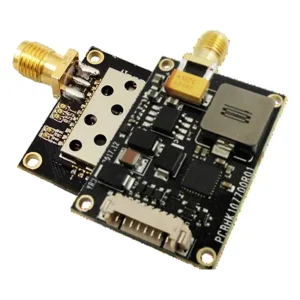
Our comprehensive industrial supply chain guarantees access to premium-grade RF semiconductors, custom aluminum alloy housings, and advanced high-density printed circuit board (PCB) layouts. This localization keeps production schedules highly reliable, shielding international buyers from supply chain shocks.
By combining our local manufacturing efficiencies with deep engineering expertise, we offer:
Our high-performance digital radios, intelligent MESH transceivers, and rugged OEM modules are deployed globally in highly challenging scenarios:
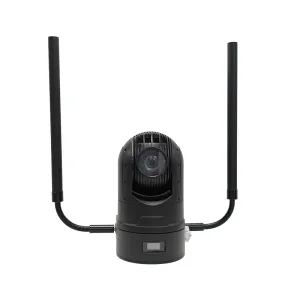
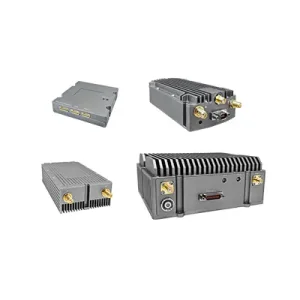
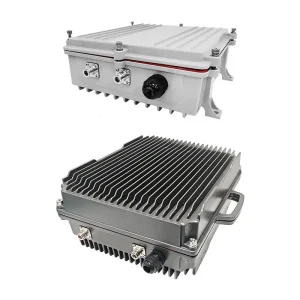
In oil and gas transport, pipelines stretch across hundreds of kilometers of barren terrains. Using the DDLmesh Wireless Mesh Airborne & Vehicular Series, oil companies establish stable, low-latency telemetry chains. This allows for real-time monitoring of pressure, temperature, and valves without the astronomical expense of satellite communications.
Our tailored GNSS/RTK Wireless Data Links act as the central communication link for millimeter-accurate surveying and automated tractor guidance. By providing stable, real-time kinematic correction data over long distances, these radios ensure accurate measurements even in heavily forested or mountainous terrains.
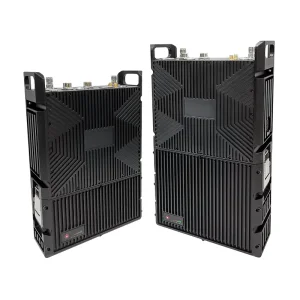
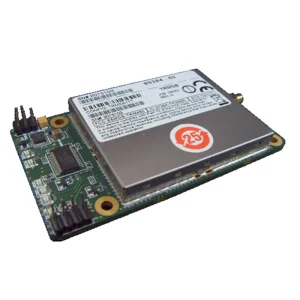
Autonomous dump trucks, drilling robots, and UAV inspection teams in deep open-pit mines require robust, low-latency communication. Our MIMOmesh Stable Outdoor and OEM module series build a dynamic, self-healing network. If an obstacle blocks one path, the signal dynamically reroutes through adjacent mobile nodes, avoiding data loss or link failure.
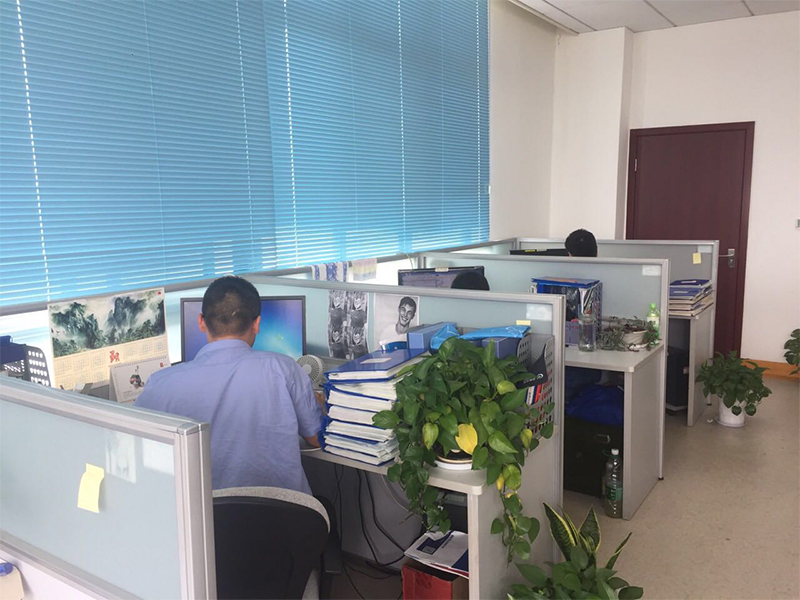
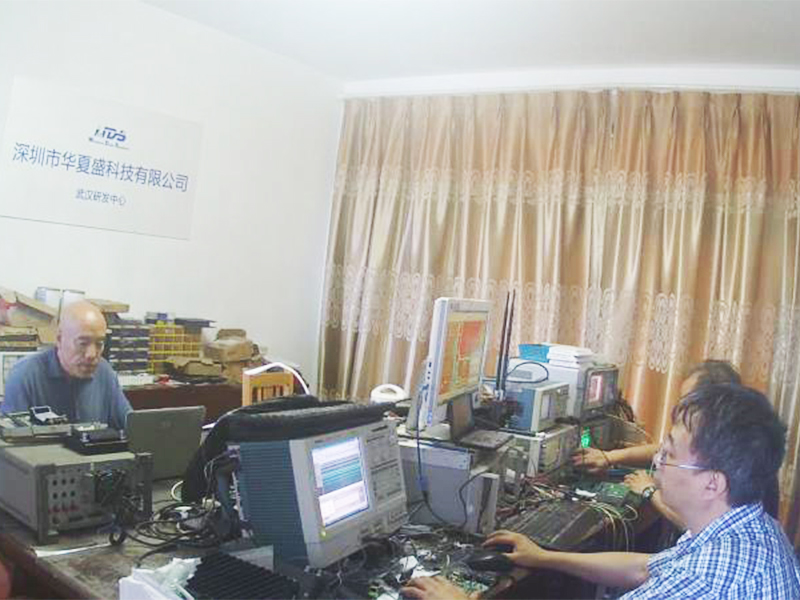
At Shenzhen Huaxiasheng Technology Co., Ltd., we develop communication solutions that deliver superior performance in demanding real-world applications. Our key engineering architectures include:
Traditional single-antenna data links suffer from multipath fading, where RF reflections off metal structures and machinery cancel each other out, leading to signal dropouts. MIMOmesh utilizes multiple antennas to transmit and receive multiple data streams simultaneously. By leveraging advanced spatial multiplexing algorithms, it turns reflection paths into reliable signal boosters. This makes MIMOmesh ideal for metallic manufacturing plants, steel mills, and automated container ports.
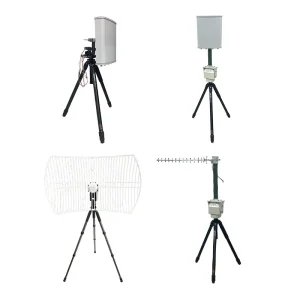
Our Automatic Tracking Antenna Platform integrates a precise servo-control loop with high-frequency GNSS telemetry data. As the remote node (such as a drone or survey vessel) moves, the base platform calculates the real-time vector and continuously steers a high-gain directional antenna toward it. This dynamic alignment overcomes the signal loss common with omnidirectional antennas, enabling stable HD video and telemetry links over distances exceeding 50 kilometers.
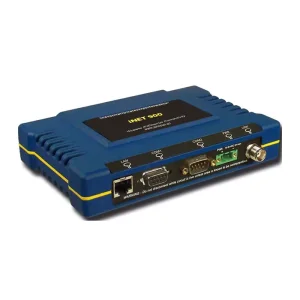
Yes, our hardware is designed with dual-interface compatibility. Our high-performance routers and iNET network radios feature both RJ45 Ethernet ports and multi-serial interfaces (RS232/RS485). This versatility allows system integrators to bridge older Modbus RTU telemetry devices directly onto modern IP-based SCADA systems, saving significant hardware upgrade costs.
FHSS works by rapidly switching the carrier signal among many channels within a broad frequency band at a rate determined by a unique pseudo-random code. If a high-voltage electrical grid or specialized machinery creates intense interference on one specific frequency, our FHSS radios quickly hop to the next clean channel within milliseconds. This rapid transition minimizes data loss and maintains stable communication links in hostile RF environments.
Key factors include data link throughput, modulation stability, and latency. Centimeter-level positioning depends on the continuous, uninterrupted transmission of RTCM correction data. Our GNSS/RTK Wireless Data Links are engineered for very low latency and feature selectable power levels to maintain clean links over long ranges. Their high sensitivity allows them to perform reliably in deep forests, open-pit mines, and dense urban canyons.
 Sinosun Tech