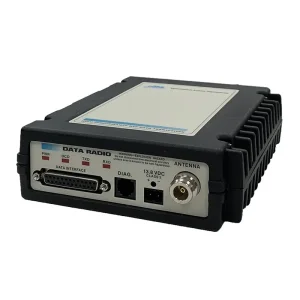
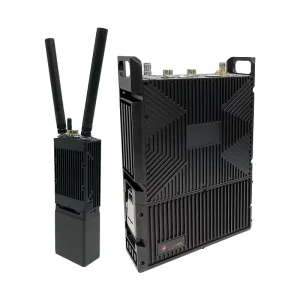
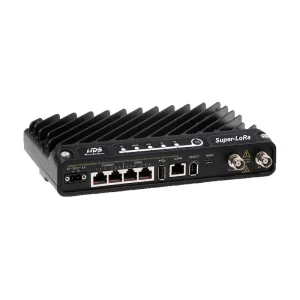
Explore our elite series of customized transceivers, directional tracking platforms, and long-range airborne data terminals engineered for mission-critical industrial connectivity.
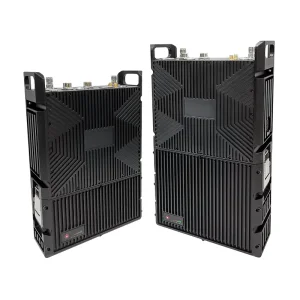
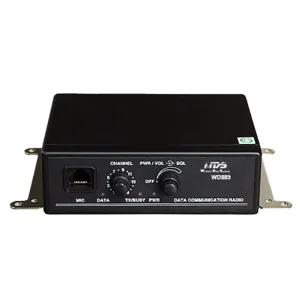
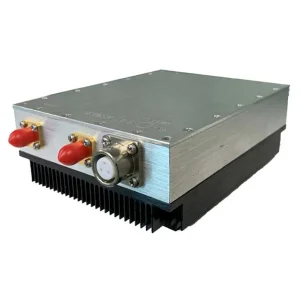
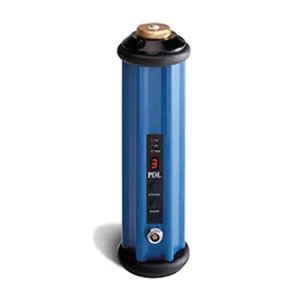
Established in 1996, Shenzhen Huaxiasheng Technology Co., Ltd. has spent over a quarter of a century at the absolute forefront of wireless data transmission engineering, application deployment, and industrial network topology development. While other enterprises chase consumer trends, we have remained strictly committed to building robust, failsafe industrial wireless communication links tailored to high-interference and safety-critical sectors.
Over the past decades, we have continuously driven R&D in high-performance digital telemetry and self-organizing networks (AD-HOC / MESH). Relying on the technical depth of famous domestic universities and top-tier research institutes, Huaxiasheng has established a global reputation for integrating advanced wireless hardware architectures with state-of-the-art software communication stack design.
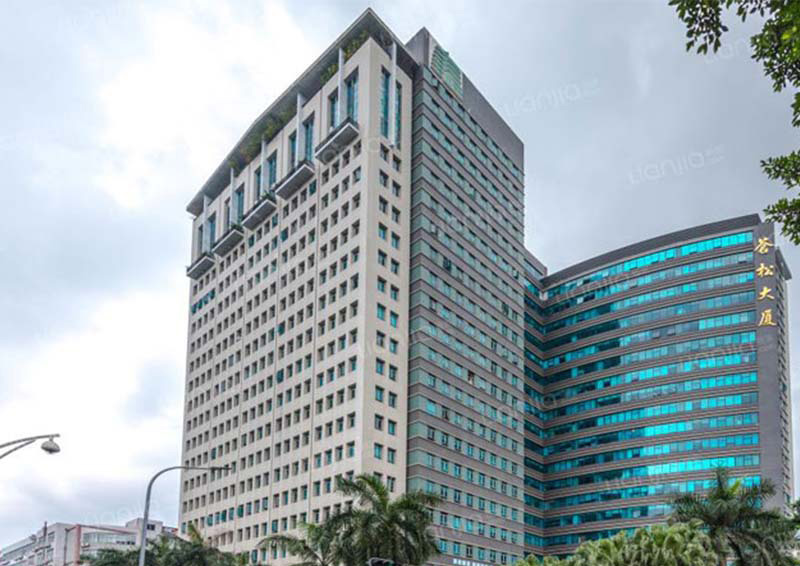
Why elite industrial operators choose Shenzhen Huaxiasheng for critical communication infrastructure.
As a leading communication equipment product development and production provider in the MESH self-organizing network industry, we offer a comprehensive portfolio characterized by industry-leading performance, long transmission ranges, rapid data rates, and unmatched electromagnetic anti-interference capabilities.
We believe high-quality wireless equipment requires professional engineering integration. Our dedicated communication engineers provide comprehensive site testing, channel simulations, and custom frequency design, ensuring customers utilize our systems effectively, accurately, and safely.
Providing high-quality, reasonably priced products alongside expert technical service forms the foundation of our success. Driven by continuous pioneering innovation, we aim to provide reliable, low-latency, and hardened wireless Ethernet systems for automated industrial and unmanned platforms.
An authoritative analysis of modern RF technologies, SCADA architectures, and industrial mesh networking.
Modern industrial sites present highly complex environments for wireless signals. High density metal structures, vibrating heavy machinery, concrete barriers, and massive electrical switchgear create severe multipath interference, signal attenuation, and electromagnetic noise. Legacy radio architectures—which rely on single-frequency point-to-point topologies—fail to deliver the uptime required by modern safety standards.
To overcome these limits, global manufacturing networks are shifting toward hybrid MESH self-organizing topologies. By incorporating MANET (Mobile Ad-Hoc Networks) along with dynamic routing algorithms, nodes automatically find alternative routes if a line-of-sight path becomes obstructed. This ensures near-zero latency variations and robust failover capability, making the network highly resilient.
Procurement teams within global oil, gas, utilities, and robotics sectors face unique challenges. They must select network components that guarantee minimal total cost of ownership (TCO) while offering maximum operational lifespan. Enterprise buyers prioritize three core parameters:
Deploying specialized telemetry networks to solve real-world industrial infrastructure bottlenecks.
For municipal water networks, distributed gas pipelines, and power distribution grids, keeping long-range communication links stable is a critical priority. Our custom digital data transmission modules provide dependable, long-range links across wide territories, facilitating remote valve control, substations monitoring, and system telemetry without the need for expensive cellular or fiber optics networks.
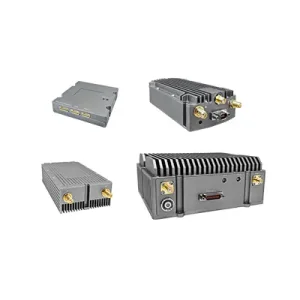
Unmanned Aerial Vehicles (UAVs), Unmanned Ground Vehicles (UGVs), and autonomous harbor vessels demand robust, high-bandwidth links capable of transmitting both real-time telemetry and 1080P HD video. Huaxiasheng’s lightweight airborne DDLmesh units and low-latency video codec boards allow system operators to achieve continuous control over extended ranges, even in demanding non-line-of-sight (NLOS) conditions.
Inside heavy logistics hubs, Automated Guided Vehicles (AGVs) must maintain constant contact with central control servers. Standard Wi-Fi networks suffer from handoff latency and structural dead zones. Our MIMOmesh and BEAMmesh systems create an ad-hoc blanket of coverage, enabling seamless roaming and instantaneous path switching across highly dense metal environments.
To stay ahead of industrial developments, Shenzhen Huaxiasheng is continuously investing in the following technological frontiers:
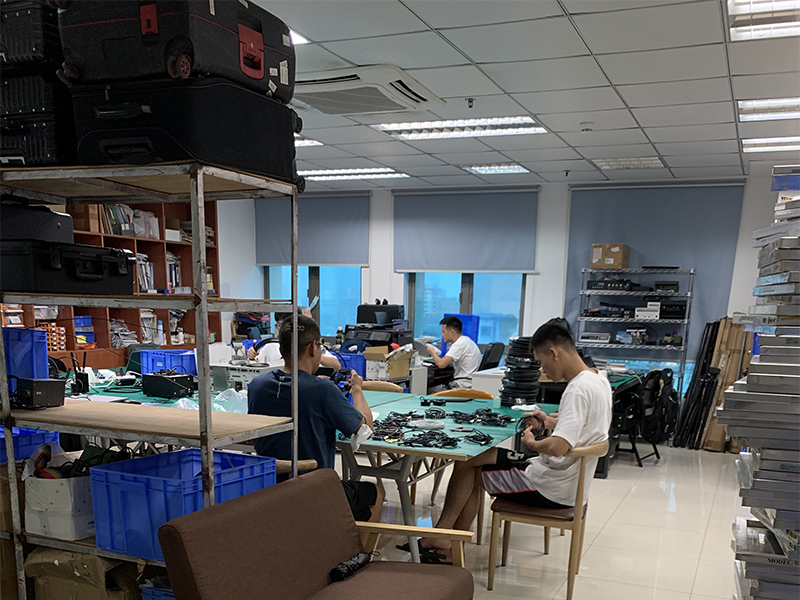
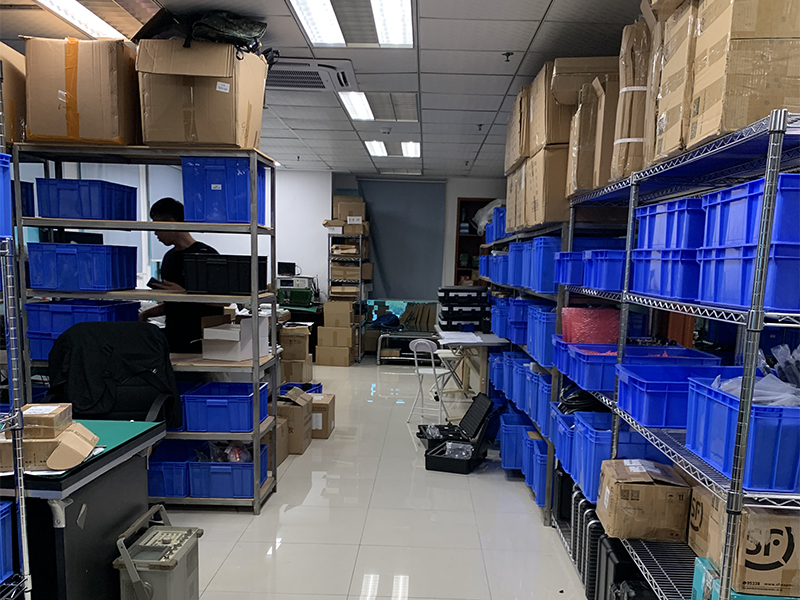
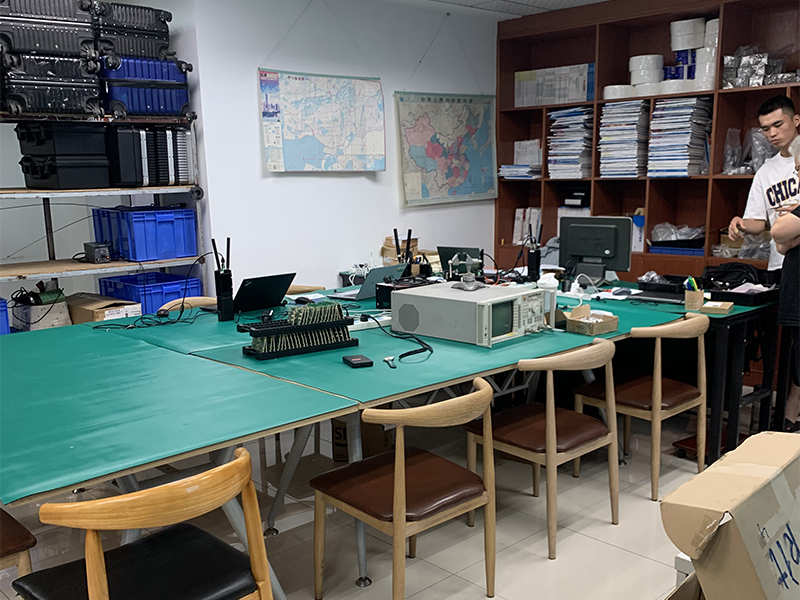
Every single wireless module leaves our factory only after passing exhaustive RF analysis, environmental stress testing, and quality control.
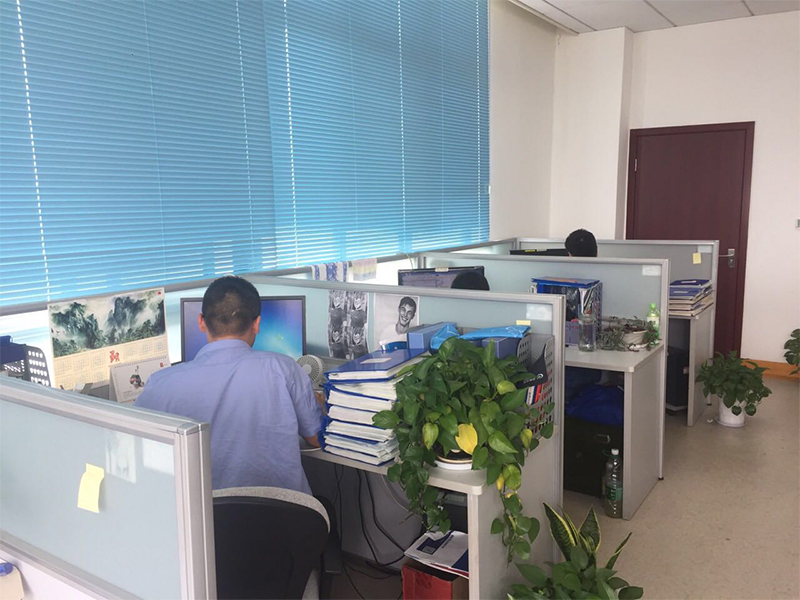
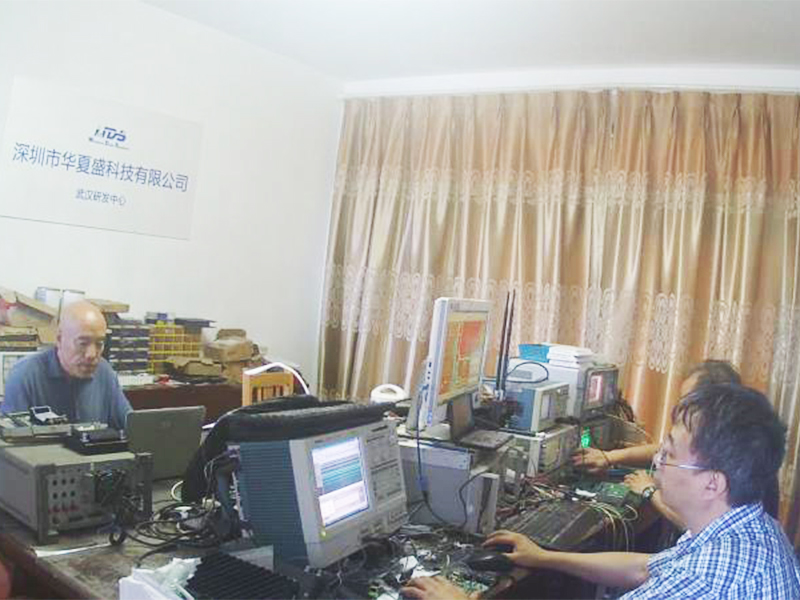
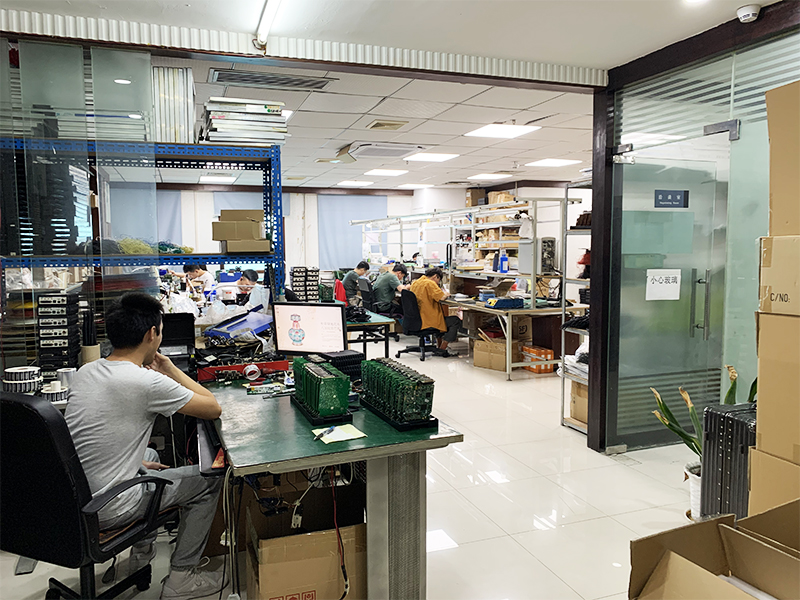
Meeting stringent global regulatory frameworks for telecommunication and industrial safety.
Operating wireless equipment globally requires strict adherence to localized electromagnetic spectrum rules. Shenzhen Huaxiasheng Technology designs and tunes our industrial radios to ensure seamless compliance with FCC (Federal Communications Commission), CE (Conformité Européenne), and RoHS (Restriction of Hazardous Substances) standards.
To assure absolute dependability in high-risk zones, our products undergo dynamic testing in simulated extreme environments. Our modules are validated against structural shocks, extreme thermal cycling, prolonged salt spray, and intense electromagnetic fields. By selecting our hardware, systems integrators avoid complex licensing hurdles, ensure rapid international deployment, and achieve long-term reliable performance.
Technical answers to critical integration, frequency selection, and network topology questions.
Unlike standard Wi-Fi networks that rely on centralized Access Points, AD-HOC MESH systems allow every node to act as an active repeater and router. If a path is blocked by machinery or structures, the network automatically self-heals, routing data through alternative nodes dynamically. This eliminates single-point failures, handles Non-Line-of-Sight (NLOS) conditions, and guarantees continuous connectivity across large areas.
Our High-Speed Frequency Hopping Digital Radios constantly leap between multiple narrow frequency channels at high speeds. If a specific band is jammed by heavy electromagnetic noise, our adaptive algorithm detects the drop in signal quality and dynamically avoids that channel. This ensures uninterrupted data flow even in environments with heavy switchgear and high-voltage machines.
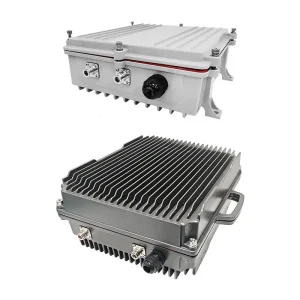
Yes. Our Bi-Directional RF Amplifier (BiAMP series) is engineered to cover key industrial and commercial bands, including VHF, UHF, L-band, S-band, and C-band. These amplifiers feature rapid automatic Rx/Tx switching, low noise figures, and robust thermal management, making them ideal for extending range in long-distance drone systems and ground terminals.
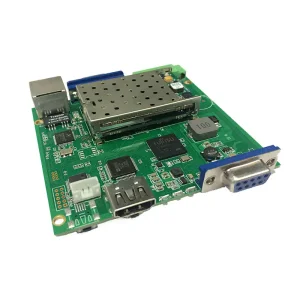
We provide full customization, including custom board designs, specific frequency configurations, custom interfaces (Ethernet, TTL, RS485), and enclosure design. We can customize our core MIMOmesh modules to fit directly onto your proprietary mainboards, significantly reducing your time-to-market.
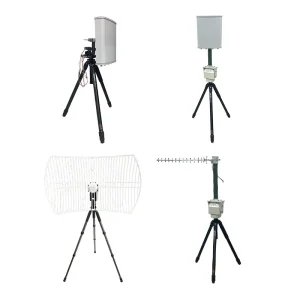
Omnidirectional antennas distribute signal power in all directions, limiting maximum transmission range. Our Automatic Tracking Platform uses GPS/RTK data to steer a highly directional antenna directly toward the target (such as an aircraft or vessel). By focusing the RF energy, we can significantly increase range and data throughput over long distances.
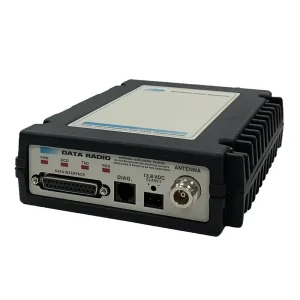
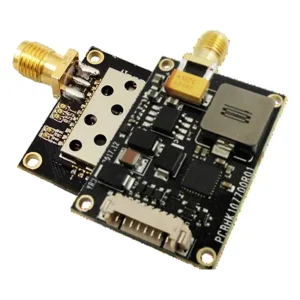
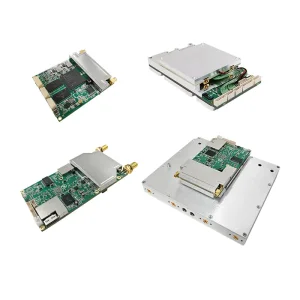
Browse our smart serial modems, high-precision GNSS links, and compact network modules engineered for reliable industrial communication.
 Sinosun Tech