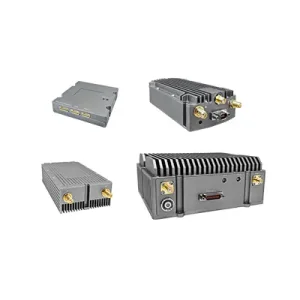
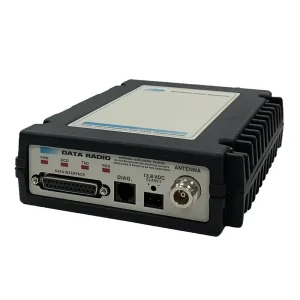
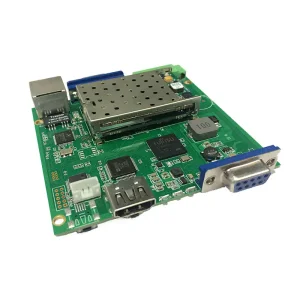
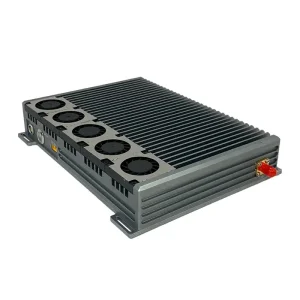
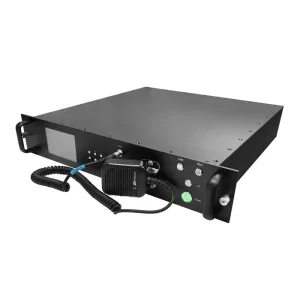
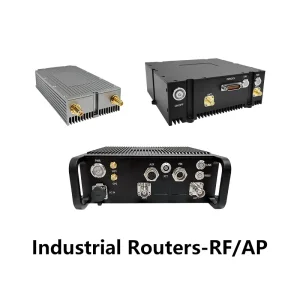
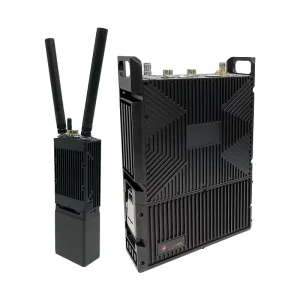
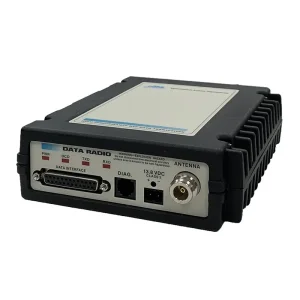
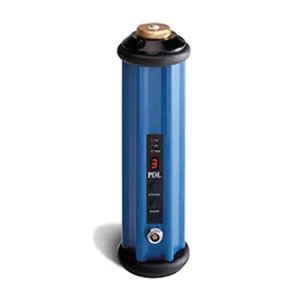
High-Quality Handheld Mesh Units Manufacturer & Factory

Decentralized Tactical Self-Organizing Networks & Resilient Data Links Since 1996

Pioneering Enterprise Wireless Technology

Shenzhen Huaxiasheng Technology Co., Ltd. has established a legacy of wireless innovation since 1996.

For more than two decades, our engineering core has been dedicated to the design, research, and fabrication of industry-defining wireless data transmission systems. By aligning proprietary hardware methodologies with breakthroughs from leading academic and scientific research institutes, we have built a diverse portfolio of ultra-reliable, high-rate, and multi-channel data link equipment.

We pride ourselves on manufacturing top-tier dynamic AD-HOC/MESH self-organizing networks, digital voice/data transceivers, GNSS/RTK systems, and COFDM microwave video links. Our products serve as vital data arteries in critical environments worldwide, from sub-surface tunnel complexes to deep sea robotic structures.
1996
Est. Year
50km+
Airborne Link
30ms
Ultra-Low Latency
Shenzhen Huaxiasheng Technology Co., Ltd. Corporate R&D Center

High-Quality Handheld Mesh Units: A Comprehensive Technical Whitepaper

Architectural principles, tactical real-world deployments, and global supply chain logistics of decentralized tactical AD-HOC networks.

1. The Evolution of Handheld Tactical Mesh Networks: From Hub-Spoke to Ad-Hoc Topology

In modern tactical operations, disaster management, and industrial automation networks, traditional communication infrastructures (such as cellular networks and standard star-topology point-to-point radios) fail to guarantee zero-point failures. In traditional star networks, if the central hub or base station is compromised, obstructed, or suffers a power outage, the entire operational perimeter collapses. This vulnerability highlighted the necessity of decentralized AD-HOC (Autonomous Decentralized Hybrid Operating Communication) architectures, commonly referred to as MESH self-organizing networks.

Handheld mesh units operate as dynamic nodes that actively form a self-configuring, self-healing network without relying on pre-existing base stations. Every handheld unit acts simultaneously as a transmitter, a receiver, and a high-speed router. In a high-mobility operational theater, dynamic multi-hop routing protocols (such as optimized link state routing - OLSR and proactive ad-hoc on-demand distance vector routing - AODV) constantly evaluate path quality across fluctuating RF conditions. If a single operator walks behind a concrete structure, blocking direct sight (NLOS - Non-Line-of-Sight), adjacent nodes dynamically redirect the data packets through intermediate operators, preserving uninterrupted real-time high-definition video, telemetry, and voice streams. This structural resilience forms the foundation of modern handheld mesh deployments.

2. Advanced RF Engineering: The Physics of COFDM, MIMO, and Frequency Hopping

Achieving stable high-bandwidth communications over extended distances requires advanced modulation and transmission protocols. Handheld mesh systems developed by Shenzhen Huaxiasheng Technology Co., Ltd. integrate three pivotal technologies:

  • COFDM (Coded Orthogonal Frequency Division Multiplexing): COFDM splits a high-speed digital data signal across hundreds of closely spaced orthogonal sub-carriers. By applying advanced forward error correction (FEC) coding directly inside the physical layer, COFDM excels at mitigating multipath propagation issues—where signals reflect off buildings or terrain and arrive at the receiver at slightly different times. This makes COFDM crucial for stable video transmission inside tunnels, subterranean facilities, and dense urban environments.
  • MIMO (Multiple-Input Multiple-Output): Utilizing multiple transmitter and receiver antennas, MIMO technology leverages multipath signals rather than fighting them. Through spatial multiplexing, MIMO mesh modules significantly increase data throughput and link reliability without requiring additional spectral bandwidth.
  • Frequency Hopping Spread Spectrum (FHSS): In environments plagued by active jamming or dense spectrum congestion, our frequency-hopping algorithms allow radios to shift operating frequencies hundreds of times per second. This prevents interception, resists external interference, and ensures robust secure lines of data transmission.

3. China Supply Chain Resilience, Industrial Micro-clusters, & In-House QA Engineering

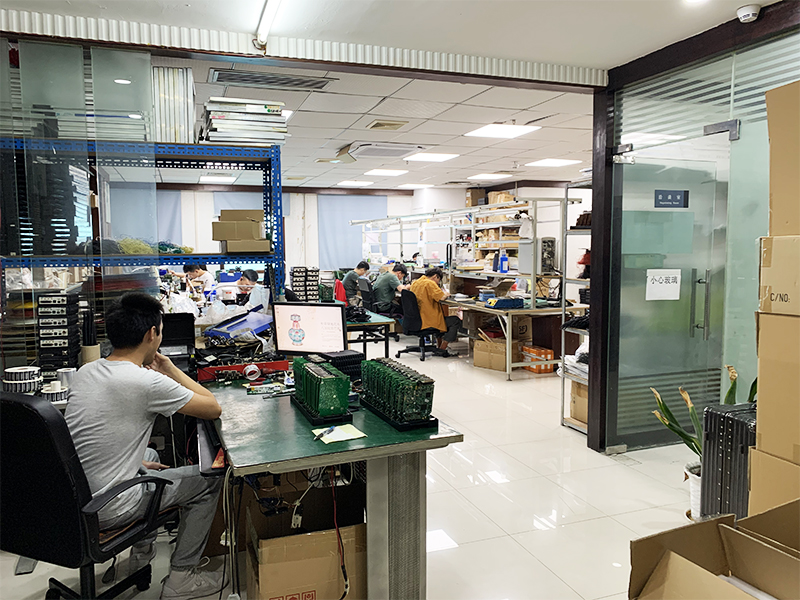
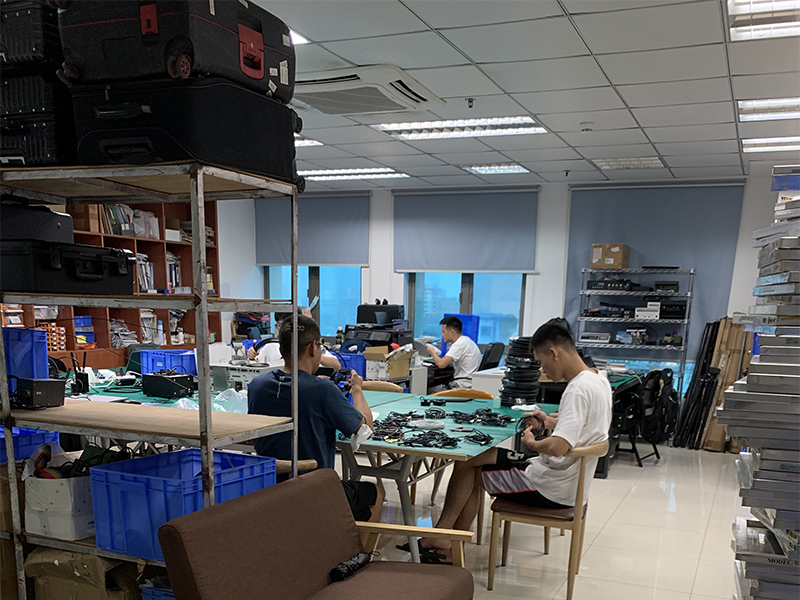
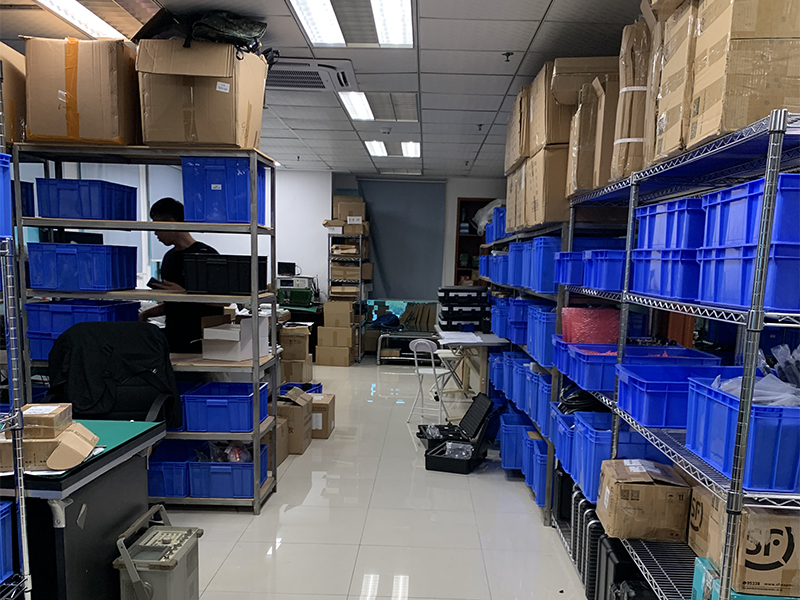
The manufacturing hub of Shenzhen, China, hosts the world’s most integrated hardware ecosystem. Located in this industrial epicentre, Shenzhen Huaxiasheng Technology Co., Ltd. leverages rapid prototyping, raw material sourcing, and specialized PCB fab-assembly lines to achieve unrivaled supply chain resilience. This geographical proximity to advanced component suppliers enables us to transition from client specifications to verified pre-production modules in a fraction of standard lead times.

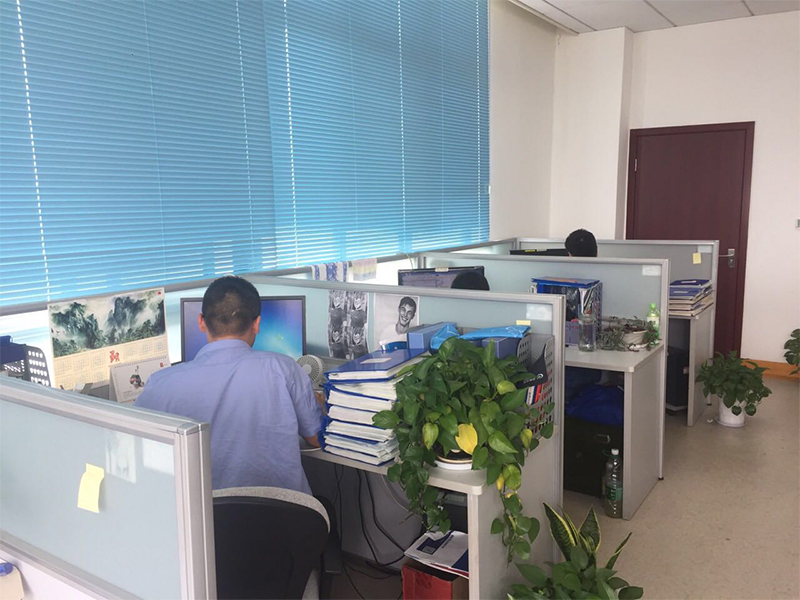
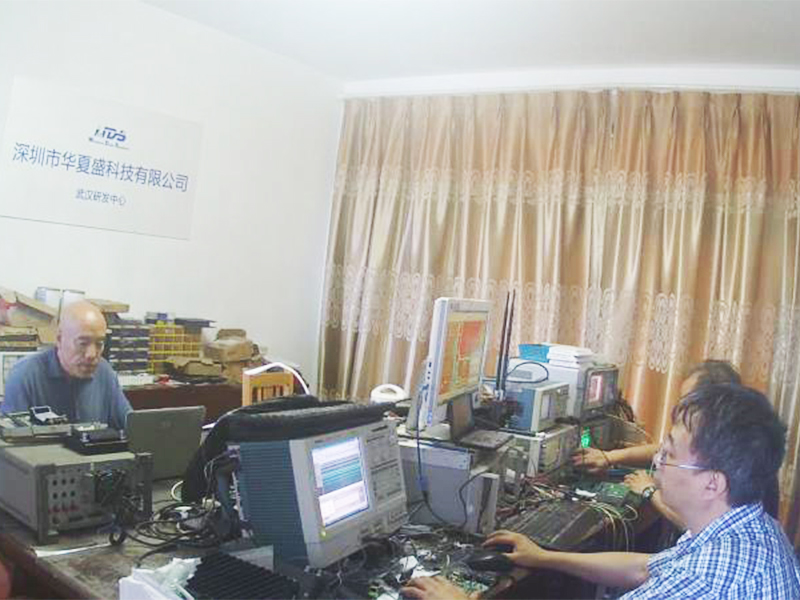
Our quality assurance program is designed to meet strict industrial and defense standards. Every handheld mesh unit undergoing final assembly passes through severe environmental testing, including:
  • Thermal Shock & Extreme Temperature Cycle: Functional testing across a -40°C to +85°C range to guarantee performance in polar and desert climates.
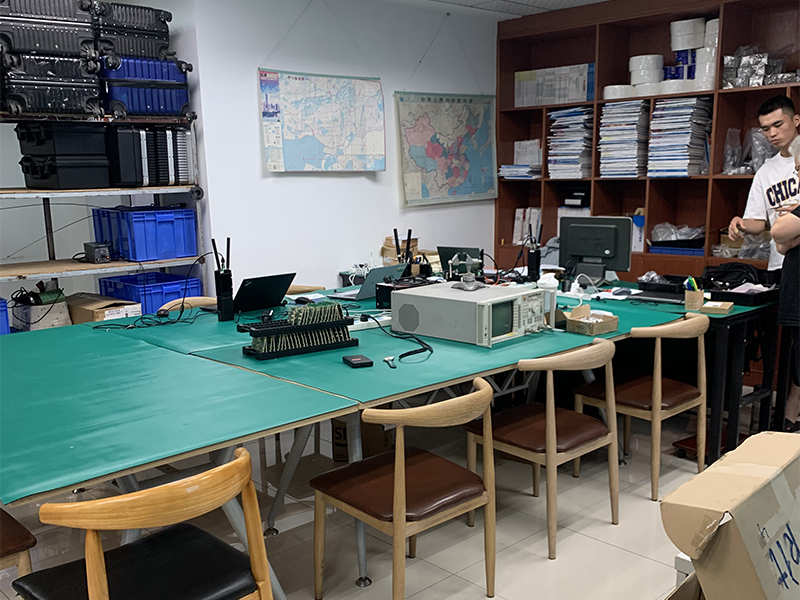
  • Anechoic Chamber RF Validation: Complete profiling of antenna radiation patterns, harmonic output, and adjacent-channel isolation.
  • Vibration and Shock Isolation: Compliance testing to simulate off-road vehicular mounts and tactical drop resilience.

4. Deep-Dive Localization & Cross-Industry Tactical Application Scenarios

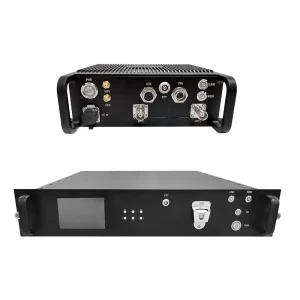
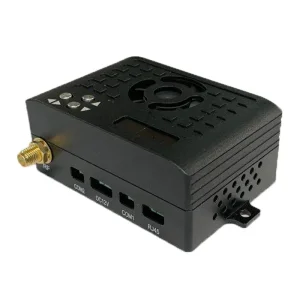
Our handheld and back-pack MESH units are deployed across various global applications, proving their utility in situations where standard networks are unavailable:
  • Urban Emergency Response & Disaster Rescue: During structural collapses or earthquakes, power grids and cellular towers are often offline. First responders equipped with our handheld mesh units can enter damaged basements or underground transit lines, establishing a dynamic communication link back to command vehicles without manual configuration.
  • Unmanned Aerial (UAV) & Ground (UGV) Robotic Swarms: Modern robotic systems depend on continuous bidirectional data transfer. Our low-latency, low-cost video and data link boards transmit 1080P video alongside control telemetry, facilitating precise navigation for autonomous unmanned systems over long distances.
  • GNSS/RTK Land Surveying & Infrastructure Engineering: Centimeter-level precision in surveying demands constant correction streams. Our high-performance GNSS/RTK wireless data link radios are tailored to maintain stable links even in heavily forested or mountainous terrains.
  • Critical Industrial Infrastructure Management: Refineries, offshore oil rigs, and high-voltage power grids require extensive telemetry and video monitoring. Our HX series of industrial wireless routers and SCADA digital data radios allow operators to securely monitor remote I/O points over kilometers of harsh metal and concrete structures.

5. Future Technological Horizons: AI-Driven Cognitive Radio & 5G Integration

The future of handheld mesh systems lies in smart spectral awareness. Modern battlefields and industrial zones are congested with RF noise, necessitating cognitive radio platforms. Shenzhen Huaxiasheng Technology Co., Ltd. is currently researching AI-driven dynamic spectrum access (DSA) engines. By utilizing embedded neural network engines directly on the transceiver PCB, future mesh units will dynamically analyze background noise, predict interference patterns, and switch modulation schemes or carrier frequencies preemptively, minimizing packet loss to near-zero levels.

Furthermore, our development roadmap highlights the fusion of MESH heterogeneous gateways with satellite constellations (LEO) and private 5G networks. This integration ensures that regardless of an operator’s position globally, the handheld mesh network will seamlessly link back to global headquarters through satellite or localized cellular backhauls, achieving absolute communication convergence.

Why Partner With Shenzhen Huaxiasheng Technology?

Decades of proven field experience, robust pre-sales engineering, and reliable supply chain security.

🛡️

Military-Grade Resilience

Our systems utilize advanced frequency hopping and COFDM modulations to resist jamming, high-density physical obstructions, and harsh operational conditions.

🔧

Custom OEM/ODM Integration

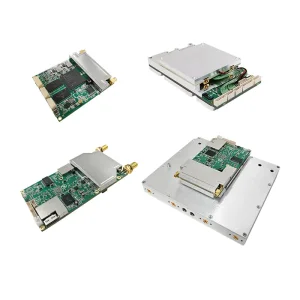
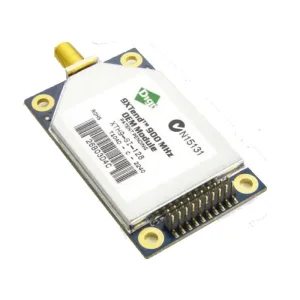
We supply bare-board transceiver modules and high-definition video codec boards, optimized for space-constrained drones, robotics, and handheld devices.

🌐

Global Compliance & Support

All hardware is developed in compliance with international telecom standards, backed by our dedicated field support and pre-sales engineering teams.

Technical & Operations FAQ

Answers to common engineering queries regarding handheld mesh architectures, distance limits, and custom integrations.

What is the maximum line-of-sight (LOS) and non-line-of-sight (NLOS) distance of these handheld mesh units?
Under clear air Line-of-Sight (LOS) conditions with high-gain antennas, our airborne series can maintain robust connections exceeding 50 kilometers. In ground-to-ground tactical urban environments (NLOS), signal penetration depends on building density, but typically spans 1 to 5 kilometers, thanks to multipath mitigation from our COFDM technology.
How do the self-healing and self-configuring properties of the MESH work in practice?
When mesh units are powered on, they scan and handshake with neighboring nodes. The integrated dynamic routing protocol constantly calculates path loss, latency, and packet success rates. If a node drops out or moves out of range, the network automatically and seamlessly reroutes data packets through other available nodes without user intervention or network downtime.
Can these wireless modules be integrated directly into third-party drones (UAV) or terrestrial robots (UGV)?
Yes. We manufacture highly compact OEM/ODM bare-board modules, such as our DDLmesh and MIMOmesh OEM modules. These modules are specifically engineered with standard serial interfaces (TTL, RS232, RS485, and Ethernet) and low power consumption, allowing direct integration into unmanned vehicles, handheld control consoles, and robotics.
What encryption standards are supported to ensure secure tactical data links?
Our systems support standard robust AES-128 and AES-256 hardware encryption options, integrated directly into the FPGA/processor pipeline. This ensures high-definition video, telemetry, and digital voice streams remain secure from interception without introducing latency.
How does the company guarantee supply chain reliability and custom requirements?
Having operated out of Shenzhen since 1996, we have established robust, direct relationships with key component manufacturers. This enables us to maintain inventory of critical chipsets, avoid lead-time delays, and offer customized modifications to frequencies, output power, and housing dimensions for clients globally.