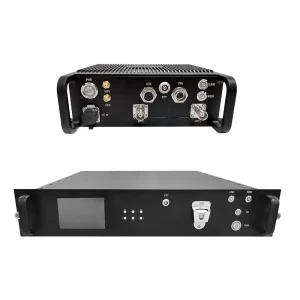
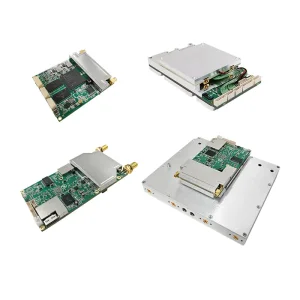
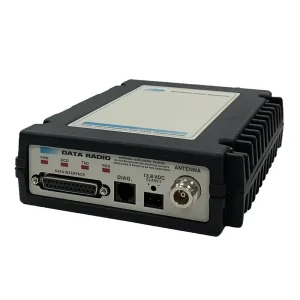
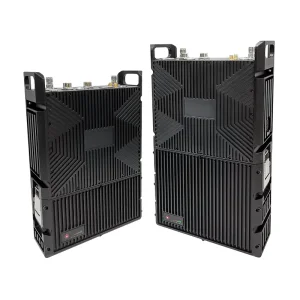
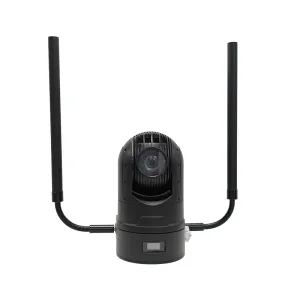
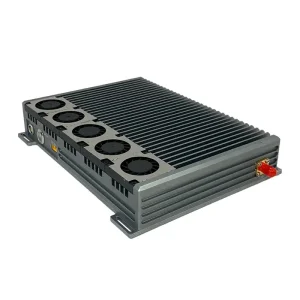
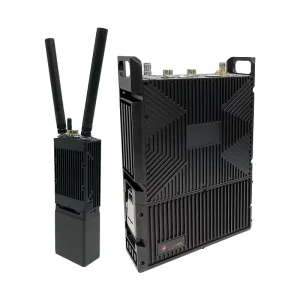
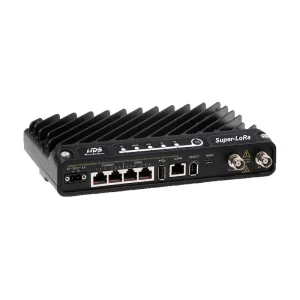
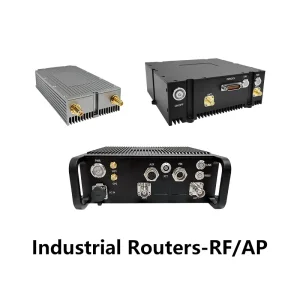
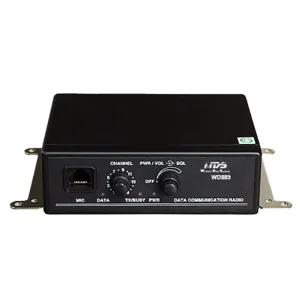
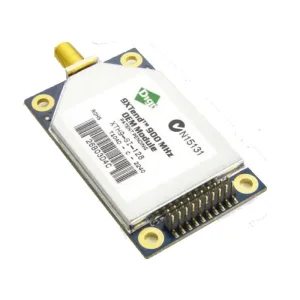
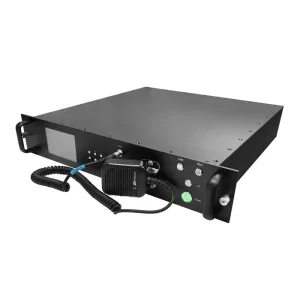
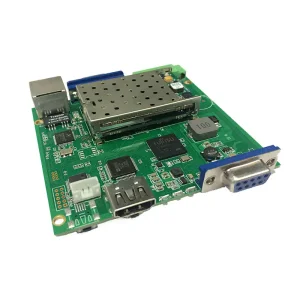
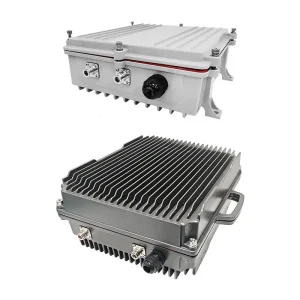
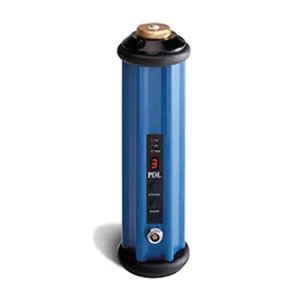
Explore our elite series of specialized multi-channel data links and long-range hardware systems, trusted worldwide.
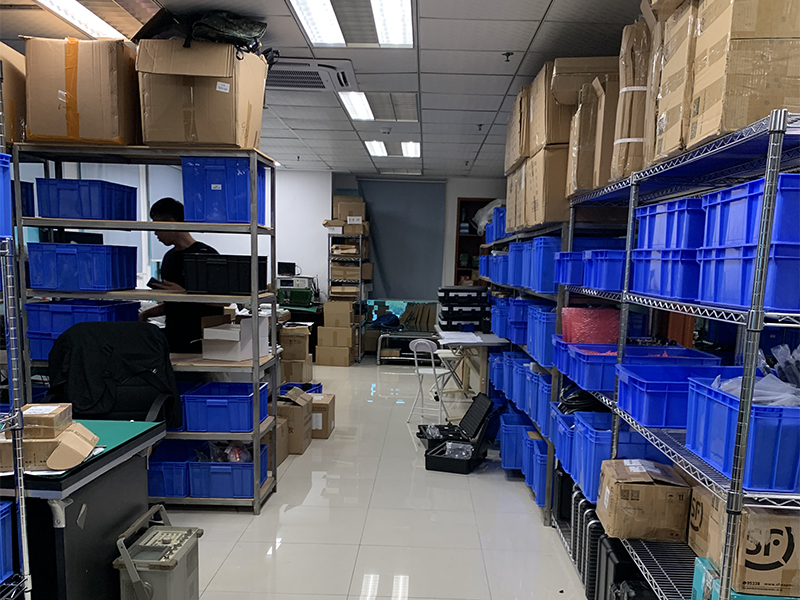
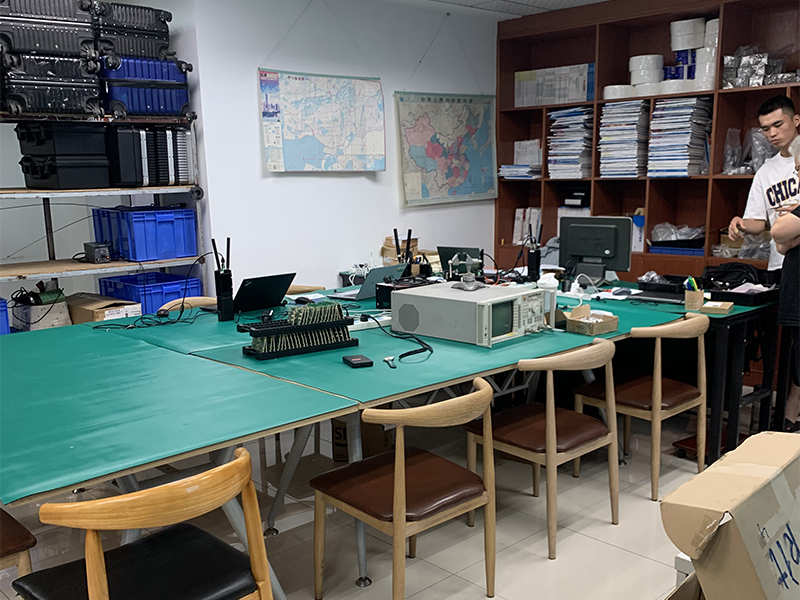
Shenzhen Huaxiasheng Technology Co., Ltd. (Est. 1996)
For nearly three decades, Shenzhen Huaxiasheng Technology Co., Ltd. has stood at the absolute forefront of wireless data transmission engineering, module development, and network infrastructure design. Combining decades of field-proven expertise with active joint-laboratory research at renowned domestic universities, we build radio links capable of defying the limits of range, noise, and environmental challenges.
Our solutions target deep-industrial operations where failure is not an option. From municipal utilities to modern defense networks, we deliver low-latency telemetry, robust frequency-hopping radios, high-definition COFDM dynamic networks, and highly specialized GNSS/RTK data links.
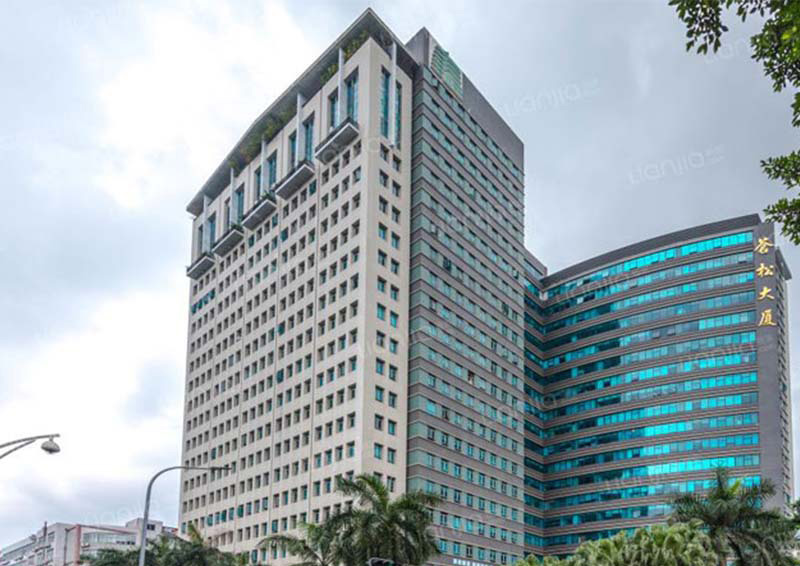
Providing industrial communication systems built on deep engineering expertise, rigorous quality control, and persistent innovation.
Shenzhen Huaxiasheng Technology Co., Ltd. is a premier developer and producer in the MESH self-organizing network field. We offer unparalleled product variety, long-range configurations, fast throughput, and highly reliable anti-jamming frequencies designed for high-density spectrum environments.
Beyond hardware manufacturing, we deliver end-to-end consulting. Our pre-sales network topology planning, spectral site surveys, and direct field engineering ensure that complex custom nodes operate securely and seamlessly inside harsh electromagnetic fields.
Empowering heavy industries with advanced, robust, and cost-effective wireless infrastructure. We are committed to pushing the envelope in industrial automation, delivering systems that handle high bandwidth over long distances with absolute operational safety.
Understanding the evolution of MESH self-organizing networks, COFDM transmission, and low-latency RF architectures in global critical infrastructure.
In modern industrial operations, the request for real-time data has transcended traditional copper and fiber boundaries. High-performance Industrial Radio Data Systems (RDS) and RF data transceivers serve as the fundamental nervous systems for remote networks. Unlike commercial Wi-Fi or cellular networks—which suffer from coverage blind spots, recurring data subscription fees, and structural vulnerabilities during disaster events—dedicated private industrial wireless systems provide complete sovereignty over network capacity, coverage, and security.
Historically, remote telemetry relied on simple, narrow-band VHF/UHF transceivers capable of delivering only 1.2kbps to 9.6kbps of serial data. Today, global markets demand unified links that carry multi-channel data, high-fidelity real-time telemetry (such as GNSS/RTK correction data), and high-definition video over distances exceeding 50 kilometers. Whether it is an offshore oil platform transmitting real-time sensor data back to a mainland operations center, or a fleet of autonomous mining haulers working deep within an open-pit mine, private wireless links provide the physical-layer security and massive throughput required to keep modern enterprises running.
Achieving stable high-bandwidth links in high-multipath or strictly Non-Line-of-Sight (NLOS) environments requires specialized modulation and antenna configurations. Our R&D works directly with three key pillars of modern industrial RF engineering:
Shenzhen Huaxiasheng systems are deployed globally to support critical operational systems, which require rigorous uptime. Real-world applications include:
The industrial wireless landscape is rapidly shifting toward deep convergence. Key trends shaping our future development pipeline include:
Because no two RF deployment terrains are identical, off-the-shelf wireless products often fall short. Working with an direct industrial factory like Shenzhen Huaxiasheng allows customers to customize system parameters including:
Expert technical answers regarding radio data links, MESH self-organizing networks, and custom RF designs.
MESH self-organizing networks do not rely on a single central base station. Each active radio node serves as both a client and a router. If topography, heavy foliage, or a structural barrier blocks a direct line-of-sight path between two nodes, the MESH topology instantly and automatically routes the signal through adjacent nodes, maintaining uninterrupted network connectivity and avoiding critical single-point failures.
COFDM splits high-speed data across hundreds of individual orthogonal sub-carrier frequencies. By pairing this multi-carrier division with advanced forward error correction (FEC), COFDM systems reconstruct data packets even when reflections, terrain blockages, or structures block the main signal, ensuring constant, low-latency video and telemetry delivery in harsh urban or industrial environments.
Yes. As an established manufacturer and supplier with in-house R&D, we offer deep customization across wide spectrum bands. We can customize the physical-layer RF frontend of our DDLmesh, MIMOmesh, and general TRX modules to operate within your region's licensed or license-free regulatory allocations, including 400MHz, 900MHz, 1.4GHz, 2.4GHz, or other custom industrial bands.
GNSS/RTK wireless data links are vital for high-precision surveying, automated agricultural machinery, automated harbor cranes, and autonomous mining fleets. They transmit centimeter-level differential correction data from base stations to mobile rovers in real time, requiring ultra-low latency and absolute packet delivery reliability.
Operating since 1996, we combine decades of field-proven engineering with active collaborations alongside domestic academic institutes. Every system undergoes rigorous environmental testing (temperature extremes, vibration, and dust/water ingress) before shipment, ensuring reliable performance in critical infrastructure, offshore energy fields, and safety-critical unmanned systems.
OEM/ODM transceivers, GNSS RTK links, frequency-hoppers, and smart hardware configurations designed for direct integration.
 Sinosun Tech