Explore our elite series of industrial-grade data transceivers, MIMO links, and low-latency RF amplification systems engineered for tactical edge environments.
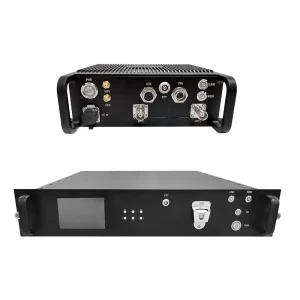
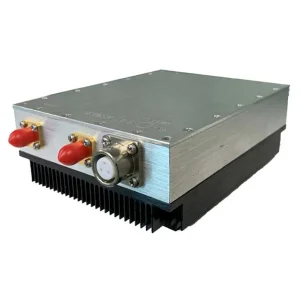
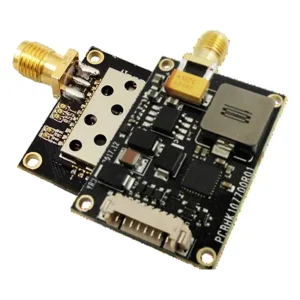
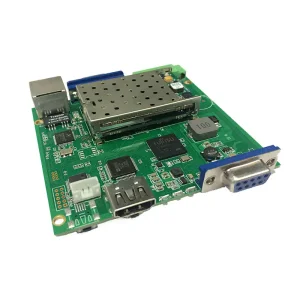
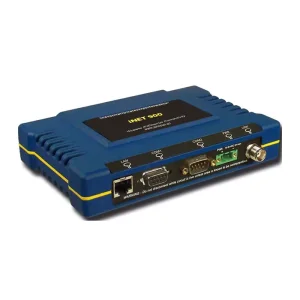
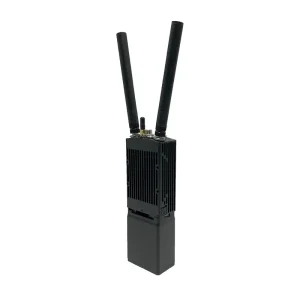
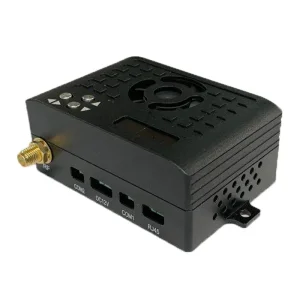
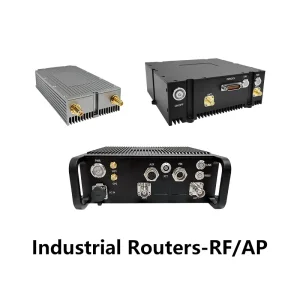
In modern industrial operations, emergency communication infrastructures, and robotics deployment, traditional cellular and point-to-point networks often fail under severe environmental blockages, electronic jamming, or structural disruptions. The transition toward a Custom Mesh Architecture Device framework represents a paradigm shift. Ad-hoc Mobile Ad-Hoc Networks (MANET) allow hardware components to self-organize dynamically into decentralized, non-line-of-sight (NLOS) topologies. Rather than routing data through a central hub, each mesh node serves as both a transmitter and a router, enabling continuous path recalculation.
As global trends migrate toward unmanned systems (UAVs, UGVs, and marine autonomous vessels), the demand for high-reliability, long-range wireless links has grown exponentially. Integrating Multi-Input Multi-Output (MIMO) technology with software-defined radio (SDR) platforms empowers contemporary mesh systems to capitalize on multipath propagation. By doing so, modern systems achieve unparalleled spectral density, robust signal strength, and dynamic spatial multiplexing.
"The core value of custom mesh architectures lies in resilience. If a single node is neutralized or blocked by topography, the network automatically self-heals in milliseconds, maintaining low-latency HD video and critical control telemetry."
Key technological advancements in this field include ultra-high-speed Frequency Hopping Spread Spectrum (FHSS) modules, broadband MANET architectures capable of hundreds of Megabits per second, and custom bi-directional RF power amplifiers spanning VHF, UHF, L-band, S-band, and C-band frequencies. These modules operate in synergy to ensure robust RF links even in complex electronic warfare scenarios or highly reinforced concrete processing complexes.
Decentralized network deployment presents demanding technical requirements. Global integration teams evaluate custom wireless links through these critical parameters.
Global systems operate in strictly monitored RF spectra. Procurement officers require systems configurable across standard commercial, civil, and military bands (from VHF up to C-band). Adapting through custom software settings prevents costly compliance violations and optimizes channel capacity.
For modern aerospace, drone swarms, and remote wearable tracking equipment, Size, Weight, Power, and Cost (SWaP-C) optimization is paramount. Integration teams prioritize micro-dimensioned, low-power-consumption PCB boards that can fit into tightly packed payloads without sacrificing transmission range.
Industrial telemetry demands heavy resistance to multipath interference and high security. Essential requirements include AES-128/256 dynamic encryption schemes, combined with adaptive frequency-hopping protocols that bypass industrial electrical noise, high-power radar installations, and active jamming devices.
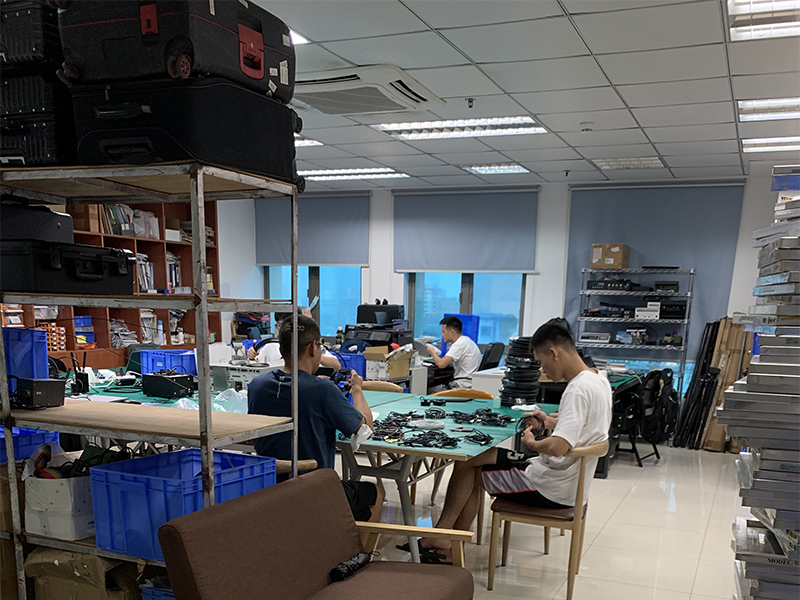
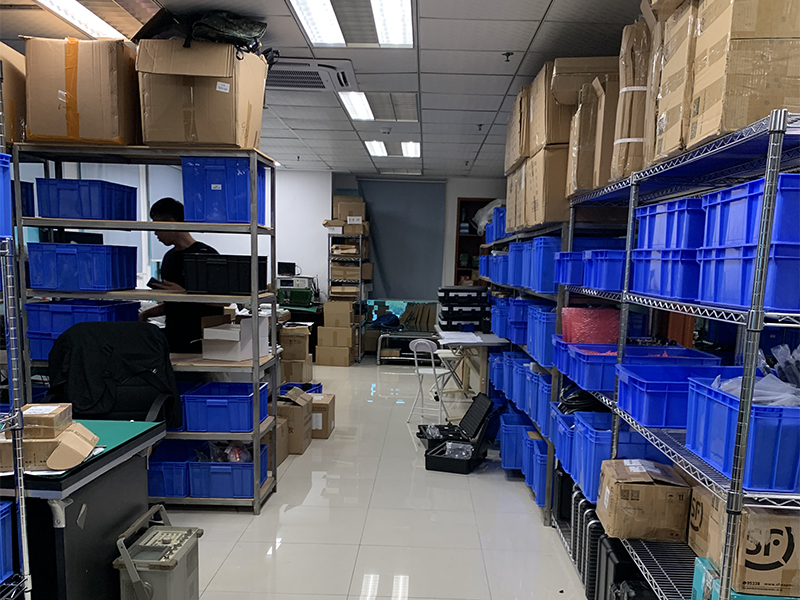
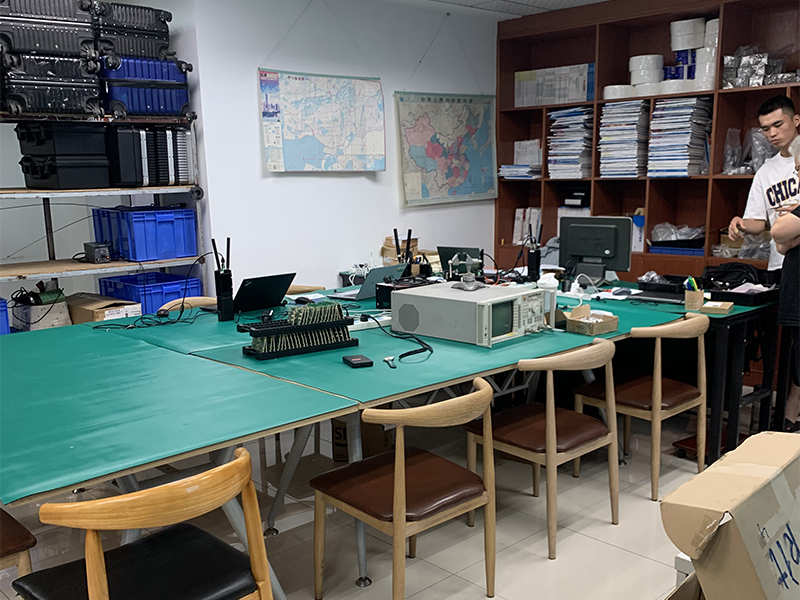
The manufacturing of advanced RF machinery requires more than just assembly—it requires deep vertical integration of high-frequency engineering, state-of-the-art Surface Mount Technology (SMT), and rigorous environmental validation. Shenzhen Huaxiasheng Technology Co., Ltd. stands as a premier supplier that has refined these processes over two decades.
By adopting Factory 4.0 protocols, our manufacturing pipelines utilize automated optical inspection (AOI), X-ray component validation, and multi-axis CNC micro-milling for RF shield enclosures. Furthermore, our specialized cleanrooms and automated calibration bays ensure that every radio transiting from our facility complies with strict VSWR, output spectral purity, and sensitivity standards. This unparalleled manufacturing depth provides substantial cost advantages, absolute batch consistency, and robust supply chain resilience against geopolitical fluctuations.
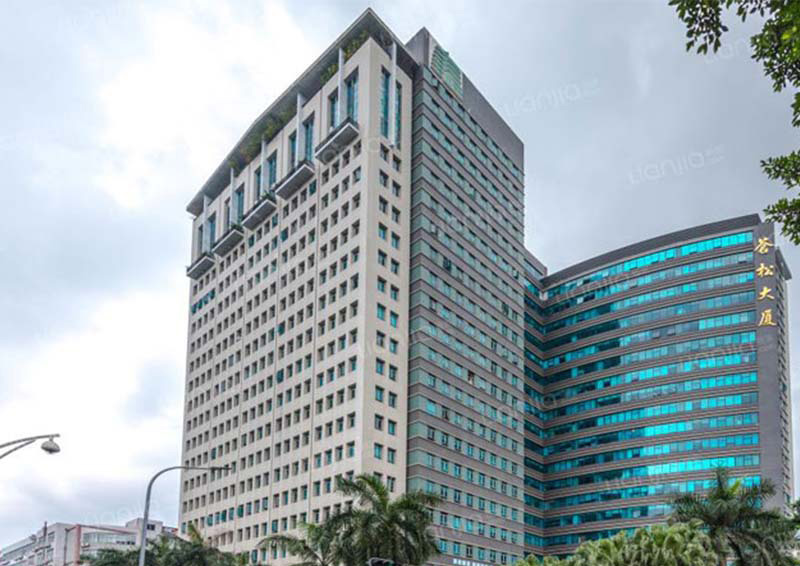
Preserving decades of engineering leadership in wireless data transmission and network engineering since 1996.
Shenzhen Huaxiasheng Technology Co., Ltd. is a top communication equipment product development and production provider in the MESH self-organizing network industry, with rich product varieties, leading performance, long transmission distance, high transmission rate, and strong anti-interference ability.
We not only have advantages in products, but also have the best pre-sales and after-sales services in the industry. We are committed to providing high-quality services to every customer, so that customers can use products effectively, accurately and safely.
Providing high-quality, reasonably priced products and professional, perfect services is the basis for us to become an industry leader. The spirit of active pioneering and innovation is the driving force of our continuous development. Providing advanced technology, reliable quality and reasonably priced wireless data transmission products for factory control automation is our unchanging direction.
Established in 1996, Shenzhen Huaxiasheng Technology Co., Ltd. has spent decades building wireless data transmission systems that redefine standard benchmarks. Relying on the technical strength of famous domestic universities and research institutes, our R&D team has engineered a comprehensive ecosystem of proprietary equipment tailored for the extreme requirements of field deployment.
At present, Huaxiasheng develops and produces the most advanced digital data transmission radio, intelligent data transmission radio, digital data module, high-speed frequency hopping radio, industrial wireless Ethernet, network high-definition image transmission radio/module, AD-HOC/MESH self-organizing network, GNSS/RTK wireless data link, industrial wireless remote I/O, handheld mobile data transmission voice transceiver, two-way RF power amplifier, voice codec, multi-serial port composite connection, and point-to-multipoint address coding modules.
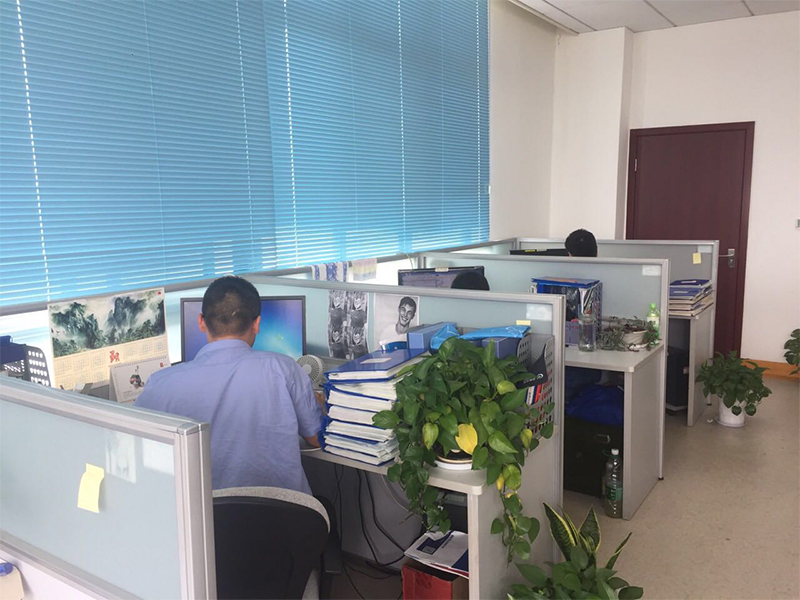
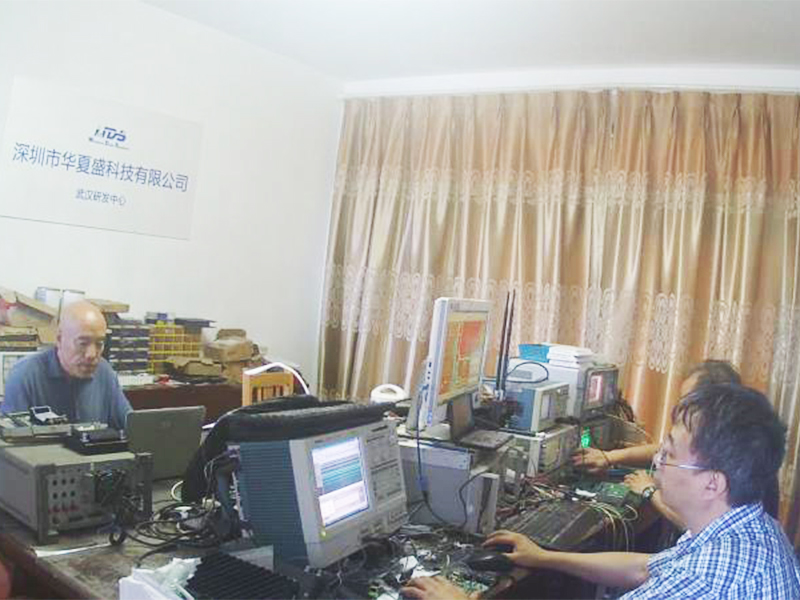
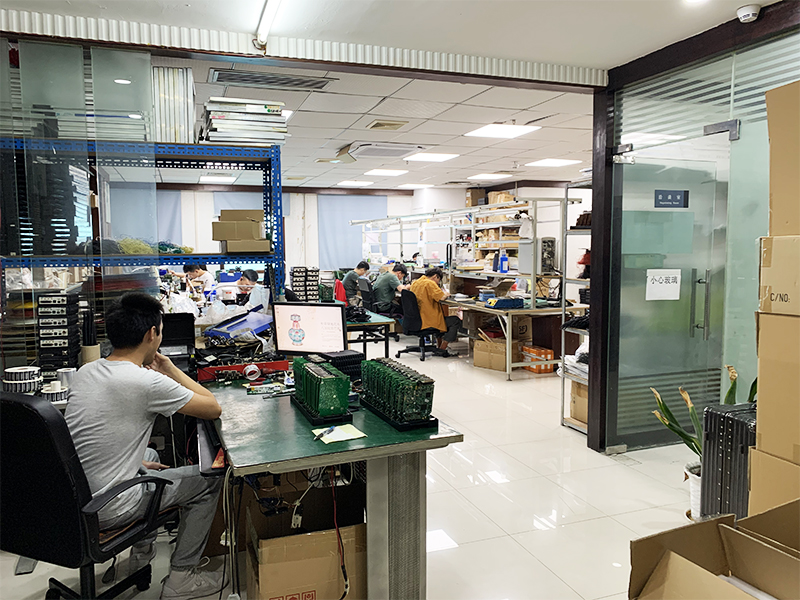
Huaxiasheng's advanced custom mesh architecture devices and RF amplifiers are engineered for high-consequence industries where system failures can lead to operational shutdowns or safety incidents. Our systems are optimized to perform reliably in demanding environments:
This comparative overview highlights the performance metrics of Huaxiasheng's custom wireless systems across different deployment platforms:
| System Class | Frequency Range | Maximum Data Rate | Typical NLOS Range | Primary Industrial Use-Case |
|---|---|---|---|---|
| MIMOmesh Series | UHF / L-Band / S-Band | Up to 80 Mbps | 3 - 8 km (Terrestrial) | Robotic Swarms, Vehicular MANET, Tactical Video |
| DDLmesh Airborne | 800MHz - 2.5GHz (Custom) | 30 Mbps | Over 50 km (Air-to-Ground) | BVLOS UAV Control, Distant HD Video Downlink |
| High-Speed FHSS | VHF / UHF / custom | 115.2 Kbps (Robust Serial) | 20+ km | SCADA, Heavy Industrial Automation, RTK GNSS |
| BEAMmesh MANET | L-Band / C-Band | 100+ Mbps | 2 - 5 km (Dense Urban) | Emergency Handheld, Disaster Rescue, Subterranean Ops |
In-depth answers to critical architectural and integration questions for RF project engineers.
Standard WMN configurations typically rely on static or semi-static router devices that act as base stations, serving local clients. Mobile Ad-Hoc Networks (MANET) allow every single node to be highly dynamic, moving rapidly in three-dimensional space (e.g., UAV flight paths). In a MANET structure, the link parameters are recalculated continuously, and the routing protocol instantly adapts to rapidly shifting path losses and signal fading.
Multipath interference occurs when radio waves bounce off buildings, hills, or metal structures, causing delayed signals to reach the receiver at different intervals. Standard SISO (Single-Input Single-Output) systems experience destructive fading from this phenomenon. MIMO (Multiple-Input Multiple-Output) networks leverage these reflections using space-time coding and multiple antennas. By treating reflections as separate signals, MIMO systems combine them to improve overall spectral efficiency and throughput.
Yes. Our BiAMP series covers VHF, UHF, L-band, S-band, and C-band frequencies. Our experienced R&D team can customize band filters, impedance matching networks, and thermal dissipation systems to align with specific custom military, national security, or commercial sub-carrier frequencies.
Our custom low-latency video codec boards achieve glass-to-glass latencies as low as 40ms to 80ms, depending on the dynamic bit-rate selection, H.264/H.265 compression configurations, and current network packet overheads. This ultra-fast processing speed is essential for real-time remote control of high-speed FPV drones and unmanned ground vehicles.
FHSS offers excellent resistance to localized interference and active jamming. In environments congested with high-power industrial machinery, medical devices, or radar systems, a fixed-frequency signal can be easily disrupted. FHSS systems avoid this by shifting carrier frequencies hundreds of times per second. This keeps telemetry channels clear, secure, and highly reliable.
All outdoor, backpack, and vehicular mesh units undergo rigorous environmental testing inside our specialized thermal simulation chambers. We employ industrial-grade solid-state capacitors, temperature-compensated crystal oscillators (TCXO), and rugged CNC-milled aluminum chassis to prevent frequency drift, mechanical stress failures, and component degradation.
Yes. Our HX Series and iNET modules function as fully transparent Layer 2 Ethernet network bridges. They seamlessly forward standard IP traffic, enabling plug-and-play compatibility with IP cameras, network switches, VoIP terminals, industrial PLCs, and SCADA control stations without needing custom protocol adapters.
Our self-organizing MANET protocols use proactive dynamic path estimation. Every node maintains a real-time topology map of its neighbors. If a node drops out due to distance, terrain, or building interference, the surrounding units dynamically reroute the data packets through the next most optimal path in milliseconds, preventing link dropped states.
We provide full hardware-level customization (PCB trace alterations, dynamic RF filtering adjustment, custom size and weight footprints, specific multi-pin connect interfaces) as well as software adaptation (custom GUI overlays, dynamic encryption modifications, specific routing protocol optimizations).
It allows different sensor networks (e.g., Modbus, RS232, RS485, and CAN-bus telemetry) to run over a single IP mesh link. Operators can simultaneously manage video feeds, drone control links, GPS tracking vectors, and custom sensor outputs through a single integrated radio terminal.
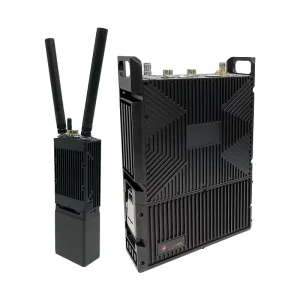
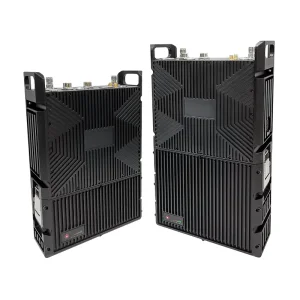
Discover our airborne and long-range backpack platforms built for extended operating lifetimes in challenging environments.
 Sinosun Tech