Explore our professional-grade wireless components, long-range RF modules, and software-defined radio boards custom-configured for industrial network deployment.
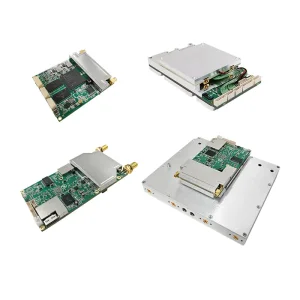
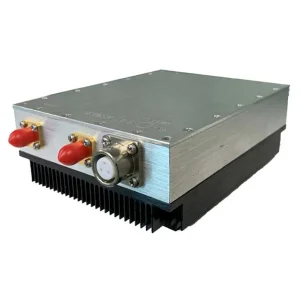
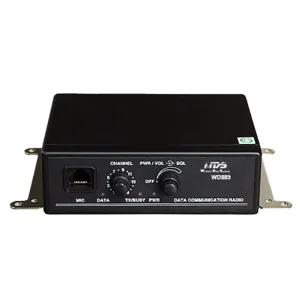
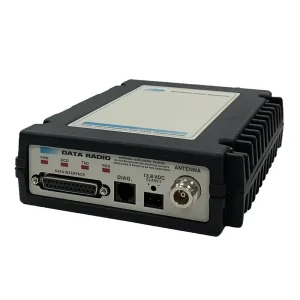
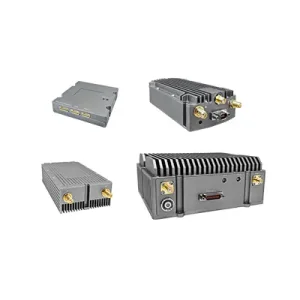
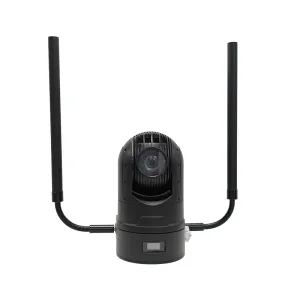
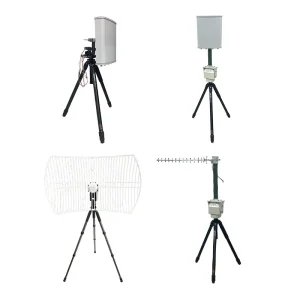
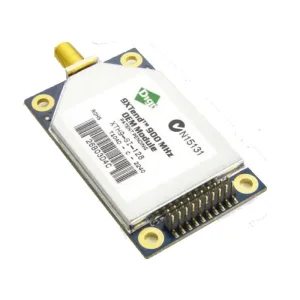
The global industrial ecosystem is undergoing an unprecedented digital transition. Known as Industrial IoT (IIoT) or Industry 4.0, this revolution hinges on the continuous transmission of precise, low-latency telemetry data across challenging physical landscapes. From deep underground mining operations and hazardous chemical facilities to high-altitude unmanned aerial vehicles (UAVs), traditional cellular and consumer-grade wireless architectures fail due to noise, path attenuation, environmental fatigue, and multi-path fading.
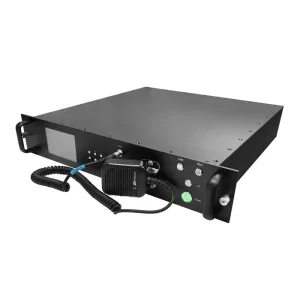
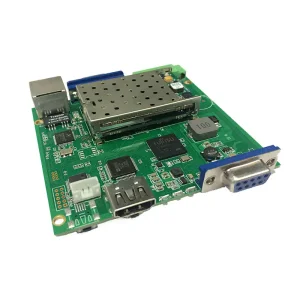
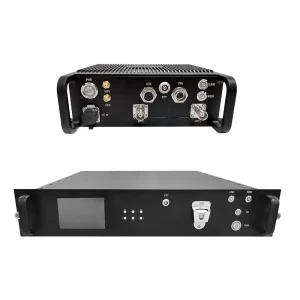
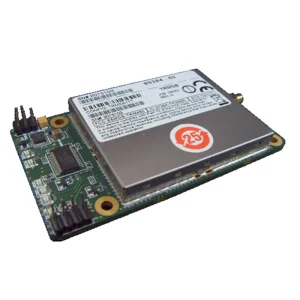
This is where Custom Loradata Enclosed systems establish their superiority. Utilizing the patented LoRa (Long Range) spread spectrum modulation technique developed by Semtech, coupled with custom ruggedized housings (enclosures), our devices achieve unprecedented link budgets exceeding 160dB. Unlike raw PCBs exposed to dust, moisture, and electromagnetic interference (EMI), enclosed LoRa modules isolate vulnerable circuitry, ensuring long-term impedance matching, thermal dissipation, and structural integrity under high vibration levels.
By delivering custom enclosure options, multi-layered RF shields, customized filtering networks, and integrated surge protection, Shenzhen Huaxiasheng Technology Co., Ltd. ensures your telemetry pipelines survive where others break. We bridge the gap between pure chip design and real-world industrial deployment.
To design an RF module capable of surviving thirty years on a desert gas pipeline or riding on a high-vibration off-highway vehicle, structural and electrical engineering must merge seamlessly. The design of our custom Loradata Enclosed series features advanced engineering priorities developed across decades of custom RF prototyping.
To protect internal transceiver units from intense external EMI generated by high-power electric motors, variable frequency drives (VFDs), and heavy machinery, each unit utilizes a secondary internal CNC-milled aluminum cavity shield, reducing cross-talk by up to 55dB.
High transmitter power levels (up to 30dBm / 1W) generate significant heat within sealed housings. Our enclosures feature specialized thermal pad interfaces coupled to external structural heat sinks, keeping junction temperatures within nominal limits even in 85°C desert ambient conditions.
Outdoor industrial deployments expose antennas and interfaces to lighting surges. Each enclosure is engineered with Transient Voltage Suppressors (TVS), gas discharge tubes (GDT), and galvanic isolation protection on data ports (RS-485, RS-232, RJ45) preventing permanent silicon damage.
How our Custom Loradata Enclosed hardware operates as a foundational utility layer in core global industries.
Municipalities deal with thousands of water meters buried in concrete pits below ground level. Standard high-frequency protocols cannot penetrate the wet soil and deep concrete walls. By pairing a custom 433MHz / 868MHz low-power LoRa module within a highly waterproof composite fiberglass enclosure, cities achieve flawless, automated hourly telemetry without requiring continuous maintenance visits.
In oil extraction fields stretching across vast remote geographic regions, cabling is economically unviable. High-gain directional antennas combined with specialized ruggedized radio boxes securely transmit Modbus RTU register data from remote wellheads back to centralized SCADA gateways. Certified ATEX/IECEx compliant enclosures prevent explosions inside hazardous, volatile chemical plant atmospheres.
Weight, power consumption, and drag are critical parameters for unmanned aerial vehicles (UAVs) and unmanned surface vehicles (USVs). Our specialized lightweight aluminum-carbon fiber enclosures integrate directly into the airframe, delivering low-latency, long-range telemetry links for real-time mission controls, command feedback loops, and sub-metric GPS correction coordinate feeds.
The selection of an LPWAN system requires strict adherence to localized regulatory radio spectrum frameworks. Industrial radio frequency allocation varies significantly by continent. While North America operates within the 902–928 MHz band, Europe limits unlicensed sub-GHz transmissions to the 863–870 MHz region. China allocates the 470–510 MHz range for smart utility operations.
Selecting standard, off-the-shelf, non-certified hardware exposes multinational companies to severe legal penalties, operational cease-and-desist orders, and high field replacement overheads. Our customized Loradata products address this risk through dual-channel and multi-band compliance design parameters. Each product can be factory-preconfigured with precise channel frequency masks and power output ceilings conforming directly to local FCC Part 15, CE RED, and SRRC policies.
Furthermore, global commercial operations are experiencing a push toward hybrid architectures. Users no longer rely on a single, isolated network protocol. Modern field projects blend low-speed, high-density LoRa sensor endpoints with high-capacity wideband self-organizing MESH links (such as our MIMOmesh/DDLmesh platforms) to handle heavy video feeds alongside low-bandwidth telemetry. By developing enclosed nodes capable of supporting multiple interfaces, we ensure your commercial network infrastructure remains completely future-proof.
How our wireless technologies are shifting towards the edge to deliver faster processing, deeper analytical insight, and resilient long-distance connectivity.
Moving beyond simple data routing, next-gen Loradata Enclosed platforms incorporate low-power microcontroller units running TinyML models, allowing anomalies to be detected locally without wasting precious RF duty cycles transmitting noise.
To eliminate dead zones in maritime shipping, trans-continental railways, and polar environments, we are integrating Long Range Frequency Hopping Spread Spectrum (LR-FHSS) tech to connect field-deployed enclosures directly with LEO satellites.
Combining sub-GHz LoRa telemetry, 2.4GHz high-speed local control links, and cellular fallback protocols within a single enclosed platform, maximizing uptime regardless of sudden localized RF congestion or weather shifts.
Decades of proven wireless telemetry excellence and global industry authority since 1996.
Established in 1996, Shenzhen Huaxiasheng Technology Co., Ltd. has stood at the absolute forefront of wireless data transmission product development, hardware engineering, and industrial network integration for nearly three decades. Over these years, we have systematically engineered a comprehensive product portfolio tailored to the high-stakes, rugged environments of heavy-duty automation and infrastructure tracking.
Relying on collaboration with elite domestic universities, key national aerospace research institutes, and a core team of top communications engineers, we design and manufacture products that push physical limits. Our technological library includes high-speed digital transceivers, cognitive multi-band self-organizing mesh nodes, intelligent FM modems, bi-directional RF power amplifiers, video codecs, and highly integrated tracking servo positioning platforms.
Our solutions have been widely implemented in oil/gas extraction fields, urban water systems, smart thermal grids, remote environmental monitoring, railway transport automation, and high-performance multi-channel data links for UAVs, autonomous unmanned ships, and multi-joint robots. When data loss means disaster, engineers trust Huaxiasheng.
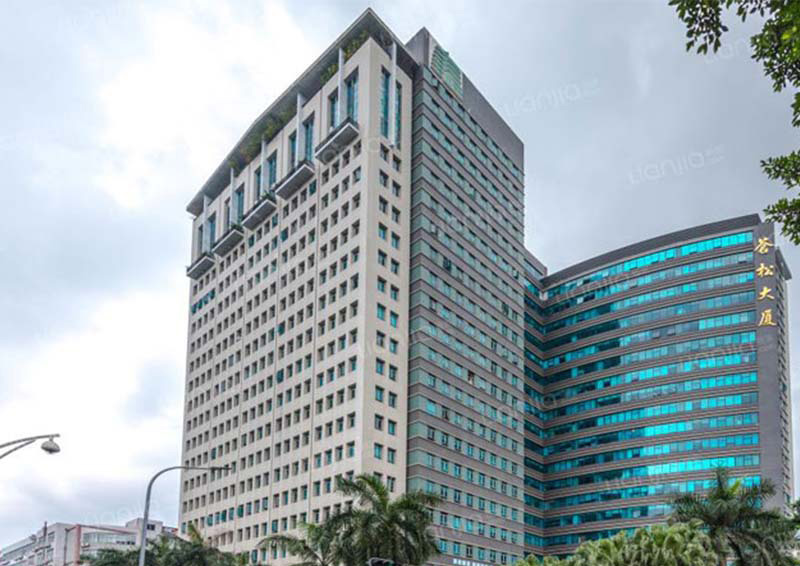
We are a leading developer in the MESH and long-range telemetry industries, delivering high-speed transceivers, multi-channel data links, and modular hardware designs that exhibit leading-edge link budgets and robust anti-interference protection.
We don't just sell components; we configure complete wireless pipelines. Our team provides detailed pre-sales topological link path simulations, site surveys, antenna polarization evaluations, and complete post-deployment troubleshooting.
Our direction remains clear: delivering advanced, cost-effective, and military-grade reliable wireless devices that allow automation teams to construct secure, durable telemetry networks under any operating condition.
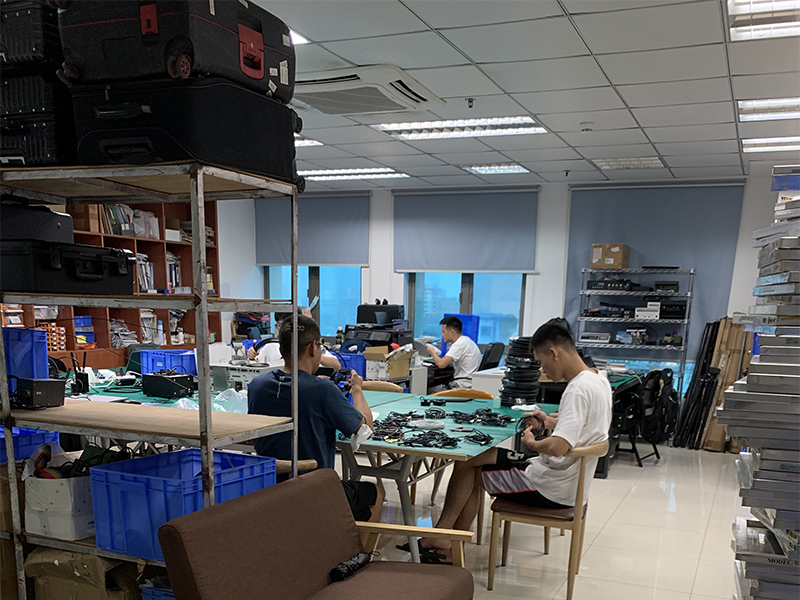
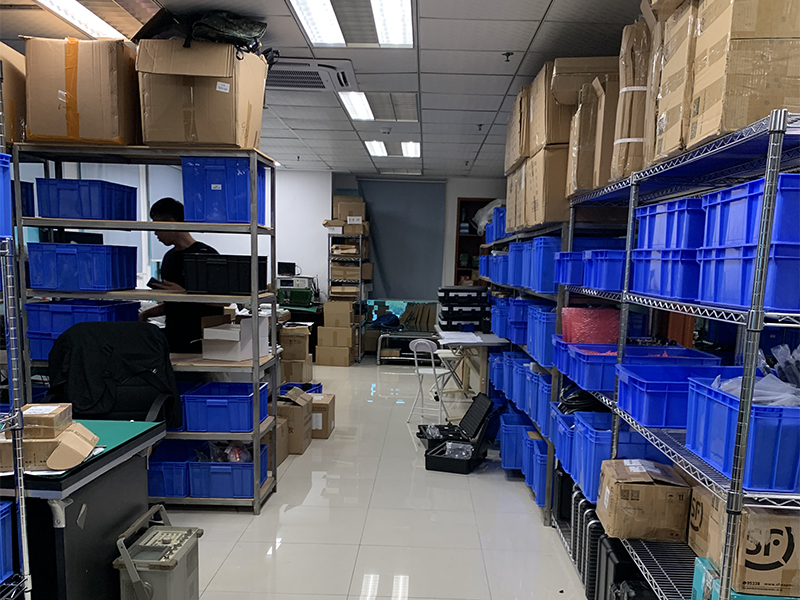
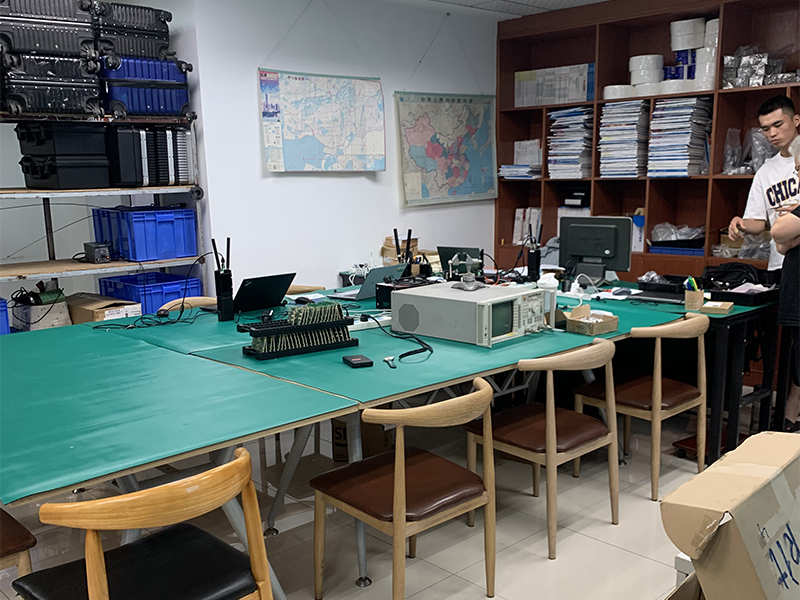
A glimpse into our advanced development laboratory, custom structural materials testing, and high-reliability industrial production systems.
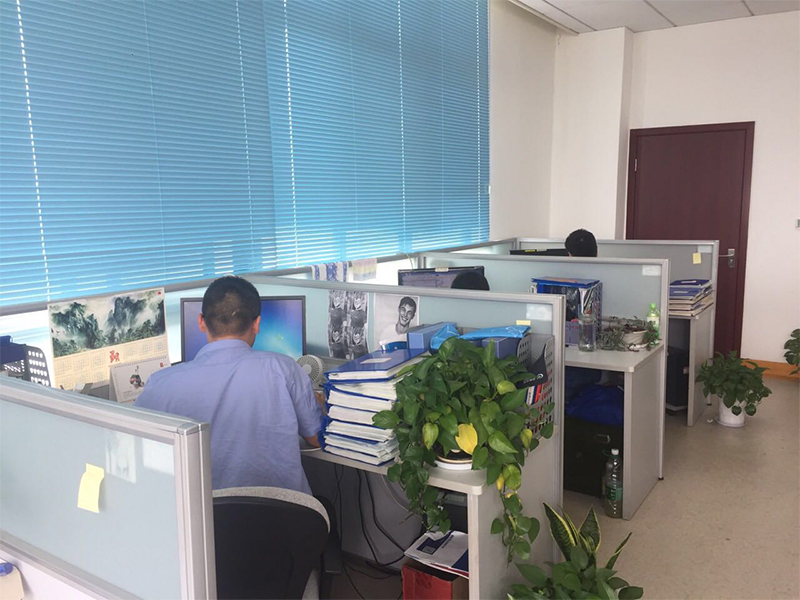
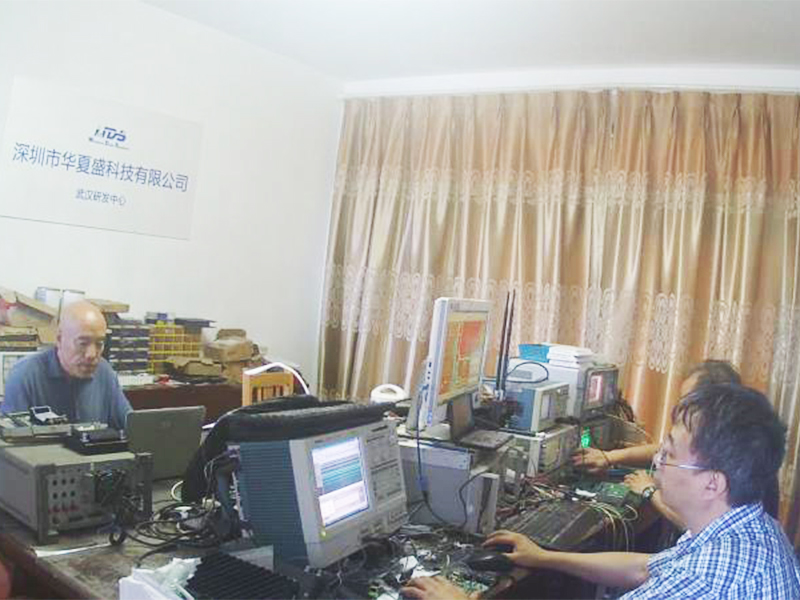
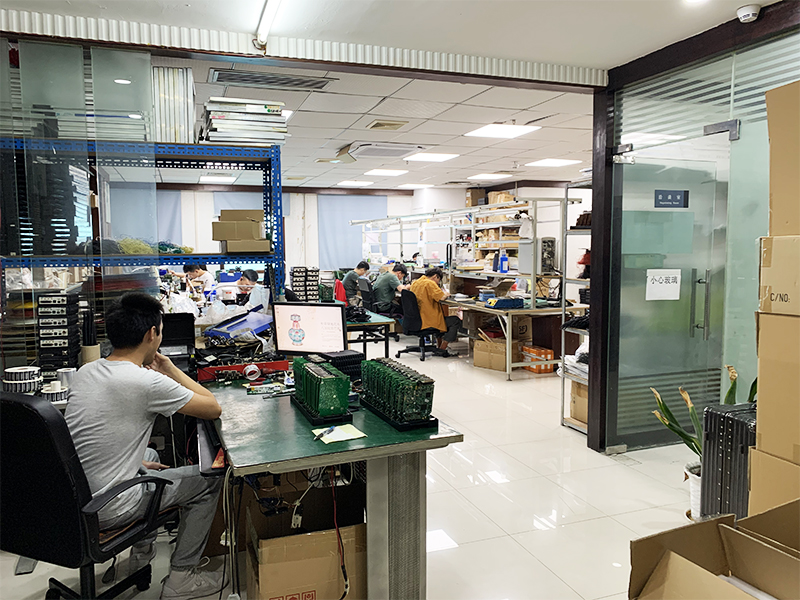
Get answers to the most common engineering, integration, and performance questions regarding custom LoRa telemetry enclosures.
A custom Loradata Enclosed device integrates a high-performance LoRa radio core with customized external structural housings, specialized impedance matching networks, multi-stage transient surge protection, and robust environmental seals. While hobbyist or consumer-grade LoRa boards feature raw, exposed PCBs susceptible to static discharges, humidity, temperature shifts, and chemical oxidation, our enclosed systems are built for thirty-plus years of service. They feature IP67/IP68 dust-and-water protection, customized CNC-milled aluminum or impact-resistant polycarbonate casings, heavy industrial EMI shielding, and tailored interface connectors (such as N-type antenna interfaces and M12 waterproof industrial data connectors).
Wireless propagation is governed by free-space path loss equations. Generally, lower frequencies propagate significantly farther and demonstrate superior structural penetration through obstacles (such as dense forests, metal shelving, masonry walls, and soil). Sub-GHz bands (such as 433MHz, 868MHz, and 915MHz) show far less attenuation compared to high-frequency 2.4GHz or 5.8GHz systems. For example, a 433MHz LoRa signal can penetrate concrete structures and dense foliage easily, allowing links to span 15-20km with a direct line of sight. By contrast, a high-frequency system requires perfect line of sight and undergoes rapid signal loss when passing through physical barriers.
Heavy machinery, high-power induction furnaces, high-frequency switches, and Variable Frequency Drives (VFDs) generate significant electromagnetic noise floor spikes that easily swamp standard RF front-ends. Our custom designs handle this through three robust methods: first, we design specialized multi-stage bandpass filters directly into the RF chain to block off-frequency out-of-band energy; second, the internal electronic assembly is isolated within a secondary, CNC-milled aluminum Faraday shield to prevent noise from entering the analog components; third, the digital processing software employs advanced Forward Error Correction (FEC) algorithms alongside LoRa spread spectrum coding gains, enabling signal recovery even when the noise floor is higher than the signal strength (up to -20dB SNR).
Yes. That is a core design feature of our industrial portfolio. Using our specialized heterogeneous gateway radios (like the MESH Internet Gateway series), engineers can aggregate low-bandwidth, low-power LoRa sensor nodes scattered across a facility, translate their packets into standard IP protocols, and stream the aggregated data load across our high-speed, self-healing wideband MIMOmesh networks. This hybrid design allows your facility to benefit from long battery life on massive sensor grids while preserving high bandwidth pipelines for continuous real-time video, voice communication, and heavy system control feeds.
Shenzhen Huaxiasheng Technology Co., Ltd. provides full end-to-end engineering support. During the pre-planning phase, we use advanced RF simulation software to analyze terrain topologies, model Fresnel zone clearances, and calculate expected link budgets. During the production phase, we customize enclosure materials, connector placements, power supply requirements (e.g., Wide-voltage DC inputs or Power over Ethernet), and localized RF regulatory parameters. Post-sale, our engineers provide complete remote configuration support, firmware customization assistance, and system diagnostic evaluations, ensuring your global network performs flawlessly from day one.
Explore our heavy-duty industrial mesh nodes, high-bandwidth airborne links, and low-latency digital video transmission hardware.
 Sinosun Tech