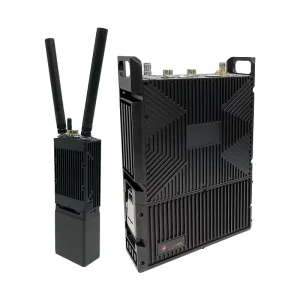
In an era dominated by autonomous driving systems, swarming Unmanned Aerial Vehicles (UAVs), remote industrial machinery, and mission-critical telemetry, the requirement for robust wireless networks has evolved past basic packet routing. Today's architectures demand ultra-low latency, dynamic anti-interference capabilities, and cognitive frequency adaptation.
Reducing absolute network hop-delays to sub-millisecond ranges using customized hardware-accelerated H.264/H.265 codecs and real-time transport protocols over highly optimized RF channels.
Integrating COFDM (Coded Orthogonal Frequency Division Multiplexing) with advanced dynamic frequency hopping (FHSS) to dynamically bypass intentional and environmental RF interference.
Decentralized network configurations that automatically reroute data packets through optimal nodes in real-time when physical topography or path loss interferes with direct communication.
Modern tactical operations, precision agriculture, oil/gas exploration, and remote industrial networks require data links to work perfectly in challenging conditions. The classic point-to-point wireless models are being replaced by dynamic Ad-Hoc networks (MESH). These systems handle continuous changes in position, atmospheric changes, and multipath reflections in urban and marine areas. As a leading custom high-reliability data link factory, our designs focus on solving these issues from the ground up. We use rugged hardware and custom-tailored firmware to ensure robust, long-term performance in the field.
For over two decades, we have partnered with domestic universities and research institutions to build top-tier wireless data transmission technologies.
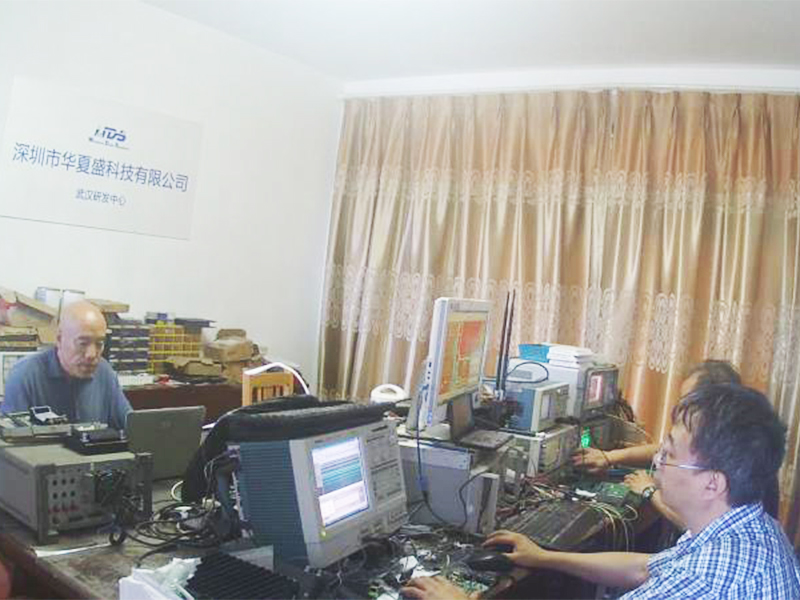
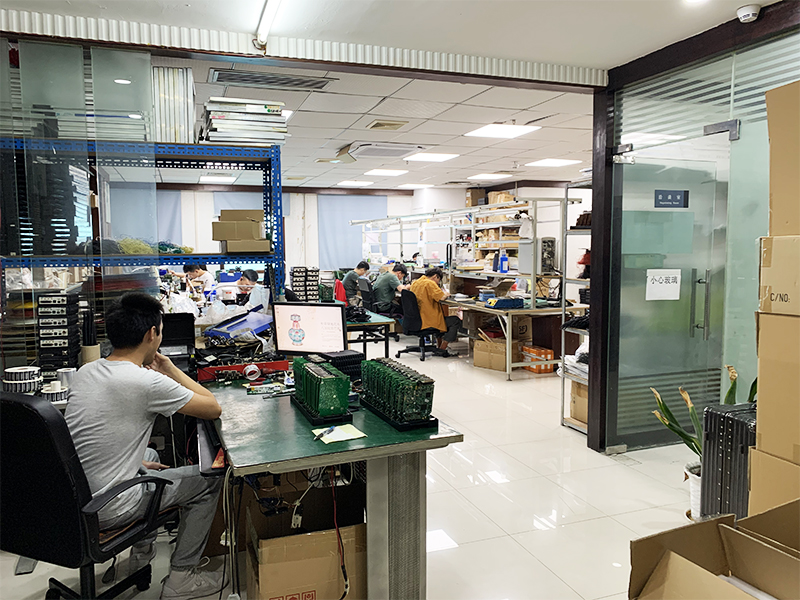
Established in 1996, Shenzhen Huaxiasheng Technology Co., Ltd. has been at the forefront of wireless data transmission development, system integration, and advanced network engineering. We design wireless data systems tailored for harsh environments, using advanced global technologies and strong research collaborations.
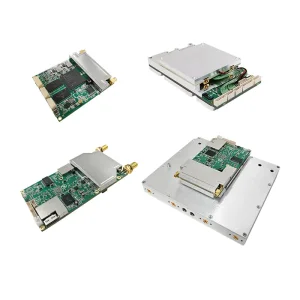
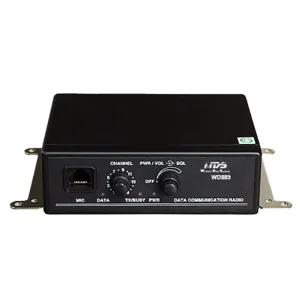
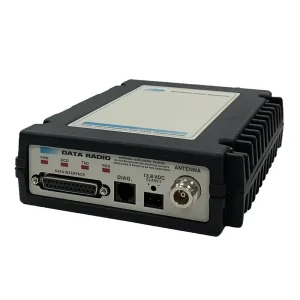
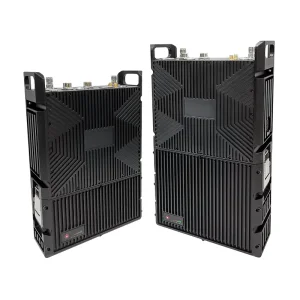
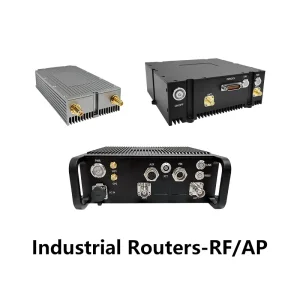
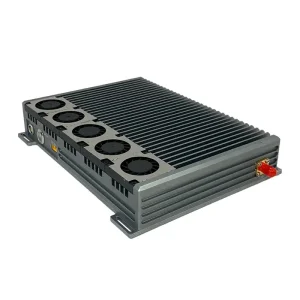
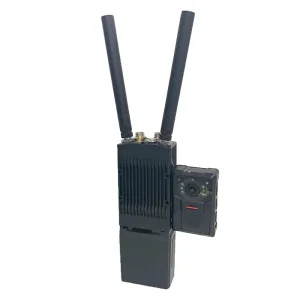
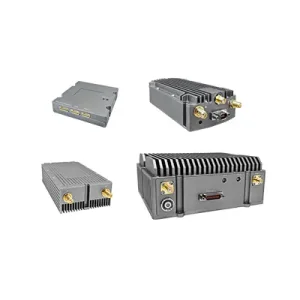
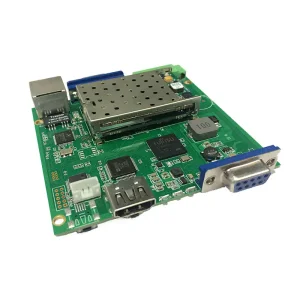
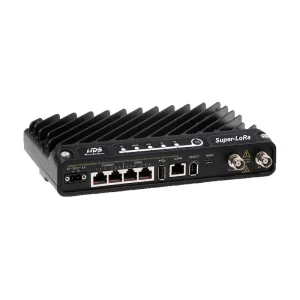
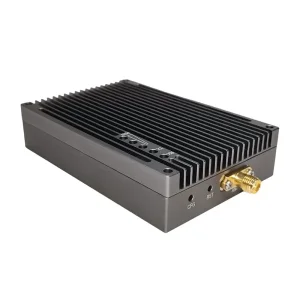
We develop advanced digital data transmission radios, intelligent modems, high-speed frequency-hopping modules, industrial wireless Ethernets, network high-definition image transmitters, AD-HOC/MESH self-organizing networks, GNSS/RTK wireless data links, and two-way RF power amplifiers. Our products provide reliable, long-distance communication with strong anti-interference performance.

We are a leading provider of communication hardware in the MESH self-organizing network industry. Our products offer long transmission distances, high throughput, and reliable anti-interference capabilities to keep systems connected in any environment.
Our commitment goes beyond manufacturing. We provide technical pre-sales analysis, network path planning, custom link simulations, and dedicated after-sales support to ensure safe and effective integration.
We deliver high-quality, reasonably priced products backed by professional support. Our continuous innovation in RF engineering ensures that industrial automation systems operate on reliable, next-generation wireless links.
Our custom high-reliability transceivers, amplifiers, and routers operate across major industrial, scientific, municipal, and tactical infrastructures.
Providing telemetry data links for valves, pipeline monitoring systems, water distribution grids, and heating systems. Long-range links bridge isolated rural equipment back to centralized SCADA systems.
Enabling centimeter-level positioning accuracy for automated agricultural machinery, earthmoving equipment, and geodetic surveying setups through real-time kinematic differential data links.
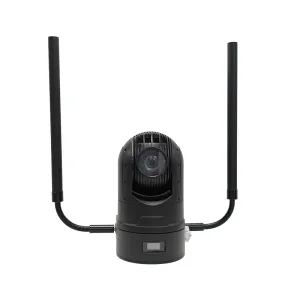
High-speed, low-latency COFDM and MIMO links designed for high-vibration, high-velocity operations, supporting real-time 1080p video feeds and dual-path flight control commands.
Creating wireless local area networks across factory floors. These systems bypass electromagnetic interference from high-power machinery, replacing expensive, high-maintenance cabling.
Global supply chain managers, defense integration specialists, and municipal procurement officers face strict requirements when sourcing mission-critical wireless systems.

Enterprise procurement requires more than off-the-shelf electronic modules; it demands validated industrial certifications, long-term component availability, and customization capabilities.
Operating RF transmitters globally requires strict compliance with international regulatory bodies. Our manufacturing facility and complete product catalog conform to standard compliance architectures, ensuring smooth deployments without legal or operational issues.
Our hardware is certified for FCC Part 15, Part 90, and European RED directives, verifying that our equipment operates within designated bands without generating harmful spurious emissions.
Securing sensitive networks with AES-128/256 hardware-level encryption built directly into our FPGA routing chips, protecting data from unauthorized access or interception.
Environmental management is central to our manufacturing process, using lead-free components and processes that meet global hazardous materials guidelines.
As automation systems become more complex, wireless links must adapt. Our current R&D roadmap focuses on merging software-defined radio (SDR) platforms with artificial intelligence.
Moving toward fully software-defined radio configurations, allowing field updates to adapt to changing RF regulations and protocols without replacing hardware.
Integrating onboard AI processors that dynamically analyze RF environments to switch channels, adjust modulation schemes, and modify power output in real-time.
Connecting long-range terrestrial ad-hoc MESH setups directly with low-earth-orbit (LEO) satellite systems, providing global coverage in isolated locations.
Common technical and integration questions answered by our Principal RF Engineers.
 Sinosun Tech