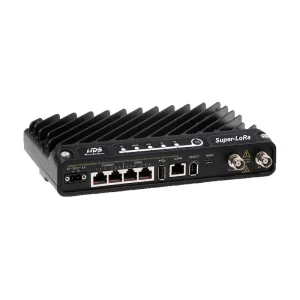
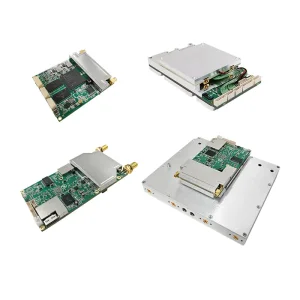
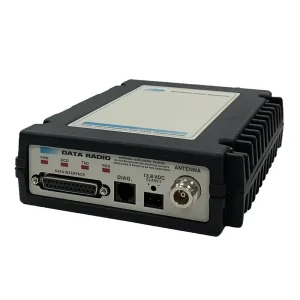
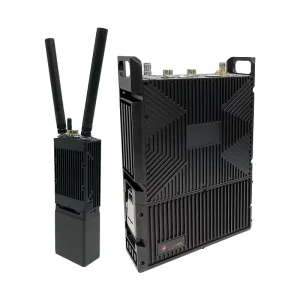
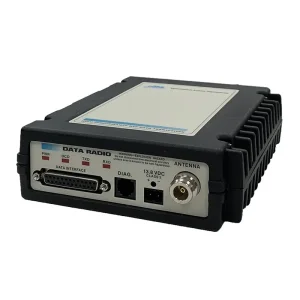
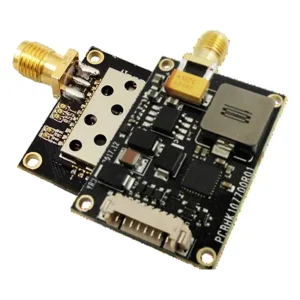
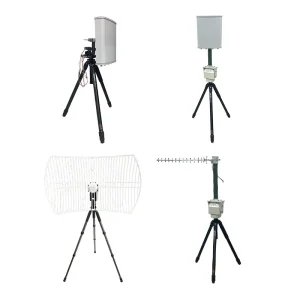
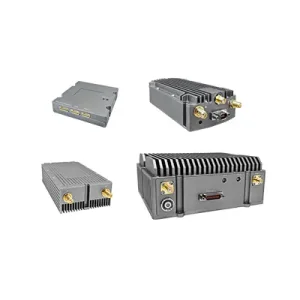
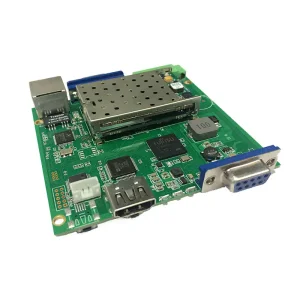
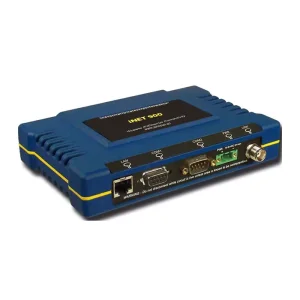
In the modern industrial landscape, raw operational data is the lifeblood of critical infrastructure. Remote monitoring, supervisory control, and data acquisition (SCADA) systems require unwavering communication channels to bridge physical gaps across deserts, mountains, offshore oil platforms, and highly congested urban environments. As a pioneering force in long-range industrial wireless telemetry, Shenzhen Huaxiasheng Technology Co., Ltd. (HXS) has been at the forefront of wireless data transmission engineering since 1996. The advent of Custom Fgr2-Multiports topologies has marked a monumental leap forward in addressing the multifaceted connectivity requirements of high-performance industrial environments.
Standard radio modems often suffer from a critical limitation: the architectural bottleneck of single-port interfaces. In typical deployments, field engineers are faced with the costly and fragile workaround of using external terminal servers, network switches, or serial hubs to link multiple Remote Terminal Units (RTUs), programmable logic controllers (PLCs), and environmental monitoring equipment to a single radio receiver. The Custom Fgr2-Multiports approach circumvents these vulnerabilities by integrating physical multi-port multiplexing directly into a ruggedized, military-grade RF transceiver casing. This technical whitepaper explores the deep-level engineering, integration standards, deployment paradigms, and E-E-A-T foundations that establish Shenzhen Huaxiasheng Technology Co., Ltd. as the global manufacturer of choice for industrial organizations seeking maximum uptime.
At the heart of the Fgr2 technology platform lies a high-performance Frequency Hopping Spread Spectrum (FHSS) transceiver operating within the noise-resistant 900 MHz ISM band (as well as customizable licensed frequencies ranging from 340MHz to 928MHz). FHSS provides exceptional immunity to narrow-band interference and signal jamming. By rapidly shifting the carrier signal among multiple frequency channels according to a pseudorandom algorithm known to both transmitter and receiver, the Fgr2 system achieves superior signal-to-noise ratios (SNR) even in RF-saturated industrial environments.
The "Multiports" expansion enhances this base-level robust RF connection by offering multiple independently configurable communication interfaces:
Deploying wireless links in heavy industry is not a one-size-fits-all endeavor. The architectural design of the Custom Fgr2-Multiports product family reflects diverse requirements across various sectors:
With Class I Division 2 (hazardous locations) compliance, Fgr2 systems facilitate robust telemetry across massive oil fields. The multi-port layout allows simultaneous gathering of gas flow, pressure, valve controls, and ESD trigger monitoring.
High electromagnetic interference (EMI) at electric substations can disrupt basic consumer electronics. Fgr2-Multiports offer high-voltage isolation, connecting reclosers, capacitor banks, and smart meters reliably.
Vast geographical areas mean pump stations, chemical dosing units, and flow meters are often miles apart. Fgr2 modules configure as dynamic repeating nodes to circumvent geographic and vegetative obstacles.
As industrial networks migrate towards IIoT (Industrial Internet of Things) paradigms, the technical roadmap for Fgr2-Multiports centers on bridge architectures. Shenzhen Huaxiasheng Technology Co., Ltd. is continuously integrating Software Defined Radio (SDR) methodologies into our core RF designs. SDR enables on-the-fly firmware upgrades to modulation parameters, ensuring compliance with changing frequency allocations without requiring physical hardware swaps.
Furthermore, next-generation variants support edge computing layers. By incorporating light MQTT client services directly within the Fgr2 multi-port operating system, raw Modbus data packets can be converted into bandwidth-friendly MQTT Sparkplug B payloads directly on the unit. This minimizes payload sizes across the RF network, maximizing overall bandwidth utilization.
Shenzhen Huaxiasheng Technology Co., Ltd. (HXS) has been engaged in the service industry of wireless data transmission product development, application, and network engineering since 1996. Over the past decade, the company has independently developed wireless data transmission equipment based on the world's leading technology in the wireless data transmission equipment industry, according to the application characteristics of different fields, and relying on the strength of famous domestic universities and research institutes.
Currently, Huaxiasheng develops and produces the most advanced digital data transmission radios, intelligent data transmission radios, digital data modules, high-speed frequency hopping radios, industrial wireless Ethernet, network high-definition image transmission radios/modules, AD-HOC/MESH self-organizing networks, GNSS/RTK wireless data links, industrial wireless remote I/O, handheld mobile data transmission voice transceivers, two-way RF power amplifiers, voice codecs, multi-serial port composite connections, point-to-multipoint address coding modules, and other products.
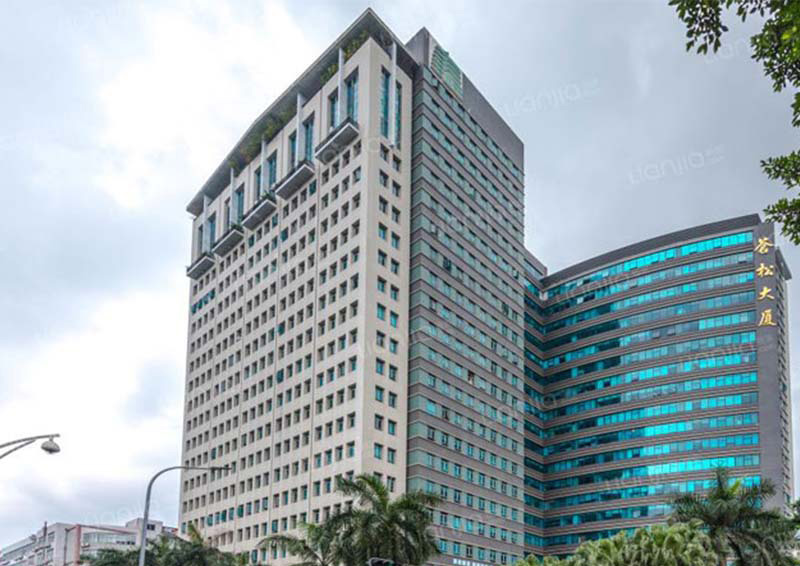
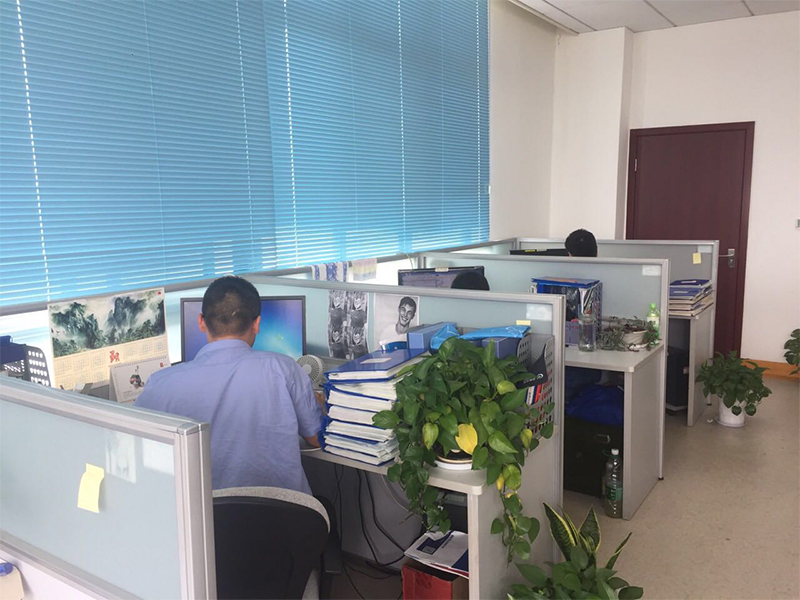
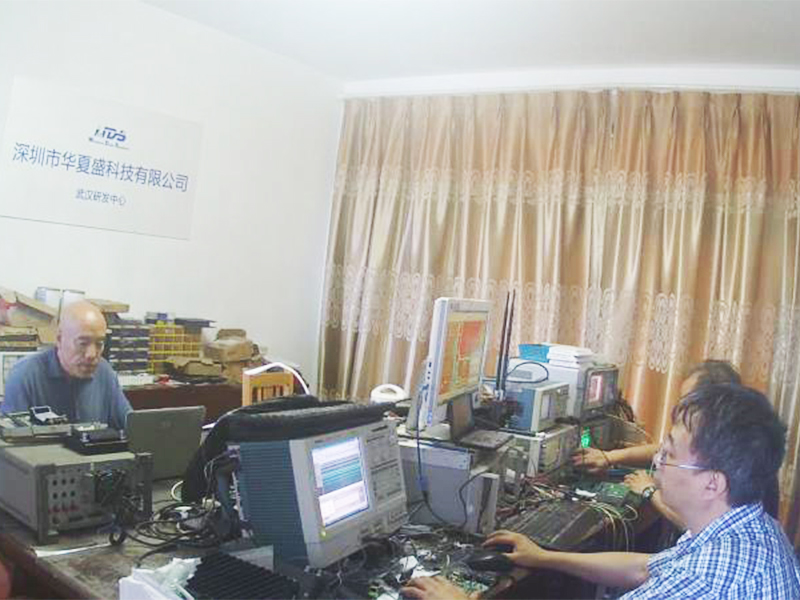
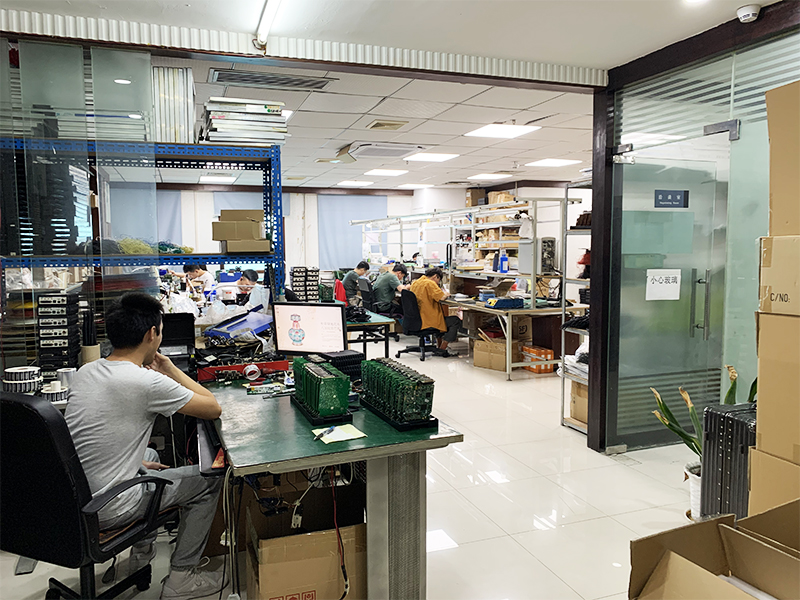
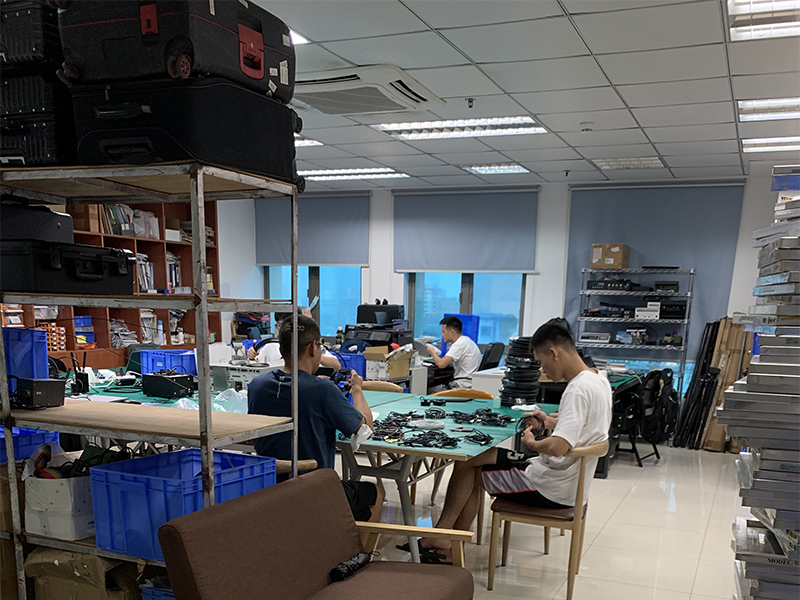
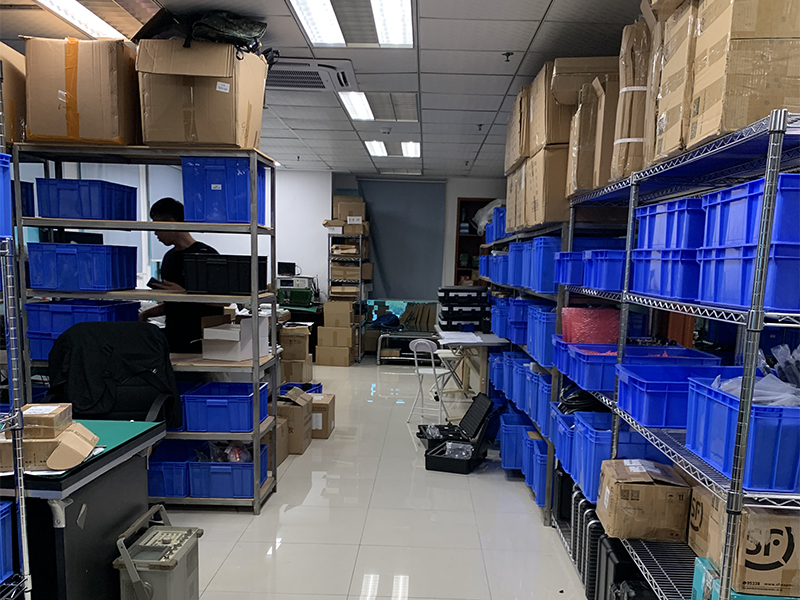
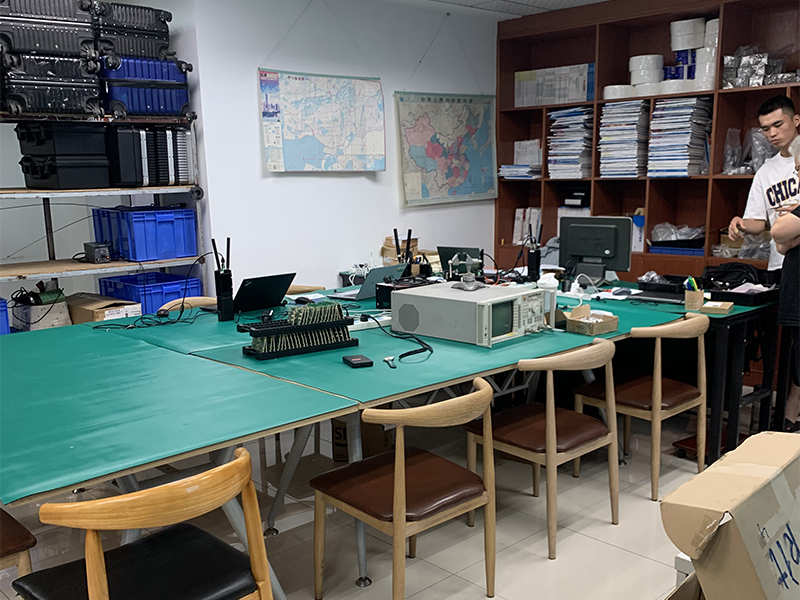
Operating from Shenzhen, the global epicenter of electronic engineering, Shenzhen Huaxiasheng Technology Co., Ltd. utilizes an advanced Industry 4.0 smart factory model. Our production floor features fully automated Siemens SMT placement lines, high-definition 3D AOI (Automated Optical Inspection) systems, and reflow ovens running specialized thermal curves optimized for multi-layer high-frequency PCB assemblies.
Because RF devices are highly sensitive to microscopic impedance variations, each Fgr2-Multiport device undergoes automated vector network analyzer calibration during assembly. This ensures that every port operates at peak design parameters. By maintaining direct, long-standing relationships with tier-one chip manufacturers and running a vertically integrated supply chain, we offer global procurement teams unbeatable lead times, stable product lifecycles, and resilient component inventory management.
Industrial deployments leave zero margin for error. We adhere to rigorous global regulatory certifications. Each variant of our Fgr2-Multiports family is tested and certified to meet:
For international system integrators and procurement leads, choosing a wireless hardware provider requires verifying detailed customization capabilities. Huaxiasheng supports extensive OEM/ODM services, allowing global buyers to match radios to regional operating requirements. Below is our typical customization checklist:
| Customization Category | Available Parameters & Options | Application Context |
|---|---|---|
| Frequency Spectrum | 340-470MHz (VHF/UHF), 868MHz (EU), 902-928MHz (US/APAC) | Ensures compliance with national spectrum authorities. |
| Physical Interface | Custom RJ45 Ethernet count, isolated Phoenix serial blocks (RS485/422/232) | Aligns with legacy or IP-based sensor field cabling. |
| Enclosure Rating | Standard anodized aluminum DIN-Rail, IP67 Waterproof, or IP68 Submersible | Protects hardware from marine, desert, or high-humidity corrosion. |
| RF Output Power | Adjustable from 100mW up to 5W with integrated software controls | Supports extreme long-distance line-of-sight propagation paths. |
 Sinosun Tech