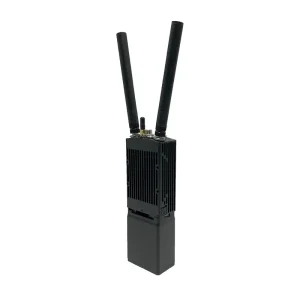
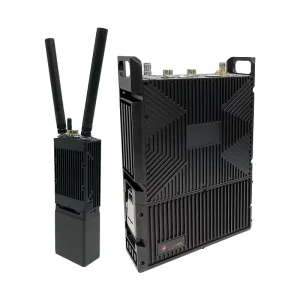
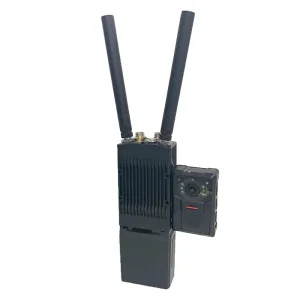
In modern aerospace operations, the demand for reliable, secure, and low-latency communication networks has evolved past legacy analog transceivers. Aviation Digital Links represent the critical nervous system of contemporary tactical airborne networks, unmanned aerial systems (UAS), and regional air mobility platforms.
As standard-issue terrestrial lines shift towards software-defined environments, global aviation regulatory environments (such as FAA, EASA, and ICAO) demand hardware that operates under rigorous electromagnetic constraints. Aviation digital link platforms serve as the data backbone, integrating voice, high-definition video feeds, and spatial telemetry across distances exceeding hundreds of kilometers.
At Shenzhen Huaxiasheng Technology Co., Ltd., our engineering philosophy bridges the gap between commercial off-the-shelf affordability and aerospace-grade resilience. Since 1996, we have committed our capabilities to the advancement of high-reliability wireless data transmission infrastructures.
Procuring aviation-grade communications requires cross-functional adherence to strict operational parameters. Global defense organizations, civil aviation entities, and industrial drone enterprises prioritize four core dimensions during factory vetting processes:
Tactical and regional aerospace digital links must operate in highly contested electromagnetic fields. Factories supplying these modules must provide solutions featuring advanced Frequency Hopping Spread Spectrum (FHSS) and Orthogonal Frequency Division Multiplexing (OFDM) profiles to resist targeted jamming attempts.
Whether controlling Class 1 heavy UAS or coordinating multi-copter delivery operations, latency overheads exceeding 50ms are unacceptable. Modern digital links utilize hardware-accelerated H.264/H.265 encoding/decoding and deterministic medium access control layers to achieve end-to-end packet delivery in milliseconds.
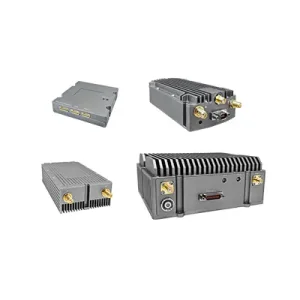
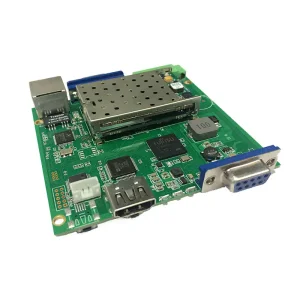
Size, Weight, Power, and Cost (SWaP-C) limitations govern contemporary airborne platforms. Procuring managers require compact PCB configurations (like the OEM integration mesh transceivers) that deliver massive RF power outputs (up to 10W) without compromising physical weight thresholds or thermal profiles.
Information leakage over open airspace is a significant vulnerability. Enterprise customers demand AES-256 and custom firmware encryption layers operating at the physical and link layer protocols, guaranteeing that telemetry streams remain completely confidential.
Connecting high-velocity nodes requires comprehensive topology strategies. Shenzhen Huaxiasheng Technology Co., Ltd. addresses regional and tactical demands through multi-tier deployment models:
For Beyond Visual Line of Sight (BVLOS) operations, our systems maintain multi-hop ad-hoc networking. If one airborne node meets interference, the network automatically self-heals, routing real-time data back via adjacent airborne platforms to the Command Dispatch Desk.
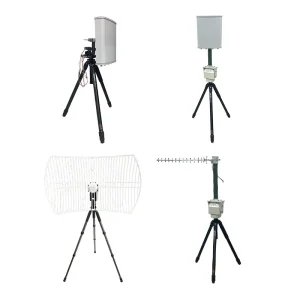
Achieving stable high-throughput connections over 50km to 150km requires active tracking. By utilizing automatic directional antenna tracking platforms paired with real-time servo control subsystems, our high-gain ground stations lock onto high-speed targets under dynamic pitch, roll, and yaw actions.
Within dense environments like airfields and surrounding urban landscapes, our frequency-hopping industrial wireless Ethernets allow multi-channel data streaming with negligible cross-talk. This guarantees secure communications between regional ground assets and landing helicopters or logistics drones.
Under the Hood, the core competency of Shenzhen Huaxiasheng Technology Co., Ltd. lies in software-defined radio (SDR) versatility. Legacy systems are tied down to rigid silicon chips; conversely, our systems leverage high-performance SoC field-programmable arrays (FPGA), enabling on-demand waveform configuration.
Our flagship MIMOmesh architectures use Multiple-Input Multiple-Output (MIMO) technology alongside Orthogonal Frequency Division Multiplexing (OFDM). Instead of fighting signal reflections in urban environments or mountain ranges, MIMO utilizes multi-path propagation to increase spectral efficiency. The result is a robust link capable of sustaining 1080p high-definition video and bidirectional control data streams concurrently under highly challenging non-line-of-sight (NLOS) conditions.
Integrated RF power amplifiers present in our airborne series feature automatic gain control (AGC) loops. Under varying atmospheric and structural configurations, our units automatically adapt their transmission power to minimize battery drain on remote nodes, maintaining optimal thermal control while maintaining stable link margins over distances of up to 100km.
| Modulation Schemes | COFDM, MIMO, DSSS, FHSS |
| Available Frequencies | 300MHz, 900MHz, 1.4GHz, 2.4GHz |
| Data Transmission Rate | Up to 30 Mbps (Adaptive) |
| Security Layer | AES-128 / AES-256 Link Encryption |
| Latency Overhead | < 10ms (Typical point-to-point) |
| Compliance | MIL-STD-810G, FCC, CE, RoHS |
As the international logistics and aerospace supply networks move toward advanced unmanned shipping and tactical search missions, digital links have become foundational resources. Our MESH self-organizing communication nodes serve global customers across a variety of crucial domains:
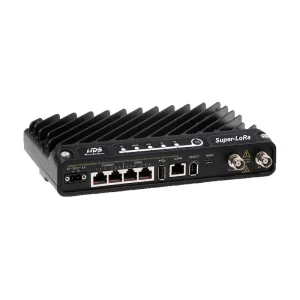
Long-distance pipeline surveillance and high-value gas field protection depend heavily on continuous sensor data. By using our Super LoRa Network and Serial systems, companies establish robust sensor telemetry and voice grids spanning remote terrains without cellular coverage.
Unmanned surface vehicles (USV) operating across challenging coastal environments demand video return and control channels unaffected by heavy water-vapor fading. Our Vehicular and Airborne DDLmesh systems ensure stable connection continuity, providing maritime operators with high-definition tracking.
As unmanned air delivery solutions mature, urban mesh links are crucial for preventing mid-air congestion. Implementing our lightweight airborne transceivers ensures constant telemetry sharing between nodes, maintaining active position awareness and preventing collision risks.
In response to this expanding landscape, Shenzhen Huaxiasheng Technology Co., Ltd. continuously enhances its manufacturing infrastructure. By maintaining relationships with top aerospace universities and independent researchers, we bridge raw laboratory breakthroughs with rigorous industrial-scale production. This structure ensures our products offer optimal price-performance metrics, allowing operators to deploy robust mesh networks without facing prohibitive financial barriers.
Aviation digital link exports must satisfy stringent regional guidelines before deployment. We maintain dedicated engineering resources focused on adapting our software-defined radio configurations to meet local regulatory guidelines across major global regions:
This attention to compliance ensures that global procurement managers can deploy our systems into complex industrial environments with confidence.
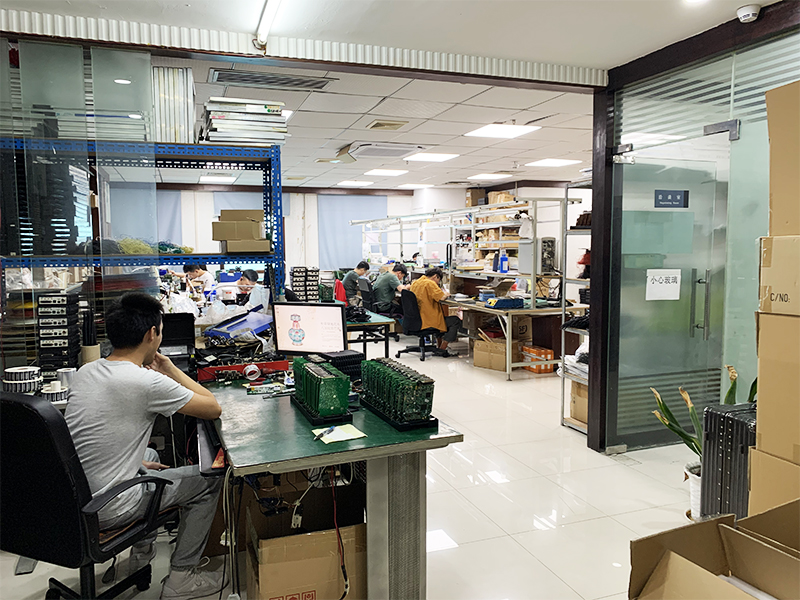
Our facilities utilize advanced quality control frameworks. From automated surface mount technology (SMT) verification to real-time spectral performance testing, every module is meticulously characterized before dispatch. This systematic approach ensures our partners receive highly reliable hardware, preventing field failures in critical missions.
Additionally, we provide detailed integration documentation, reference software development kits (SDKs), and direct engineering-to-engineering consulting. This direct support reduces integration schedules, helping our partners bring their aerospace and industrial systems to market efficiently.
The convergence of low Earth orbit (LEO) satellite groups, artificial intelligence, and software-defined radio is reshaping regional air communication systems. Over the coming years, Shenzhen Huaxiasheng Technology Co., Ltd. is focusing its engineering roadmap on the following areas:
Future digital link solutions will utilize on-board neural modules to continuously analyze local RF noise. The radio will autonomously select vacant channels and adjust its waveforms dynamically, bypassing interference before performance declines occur.
Our R&D roadmap focuses on bridging traditional terrestrial mesh networks with satellite interfaces. Airborne platforms will dynamically choose the most efficient routing, alternating between direct ground stations, adjacent aircraft, or orbital satellites based on path cost analysis.
As swarm deployment operations scale up, legacy digital links face channel saturation issues. We are developing proprietary MAC layers designed to coordinate hundreds of airborne nodes simultaneously in shared physical areas without packet collisions.
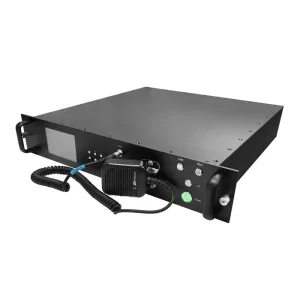
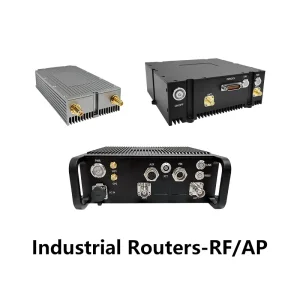
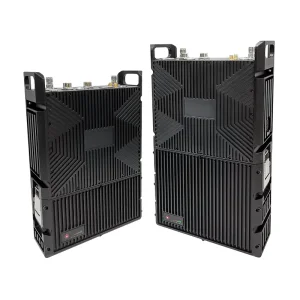
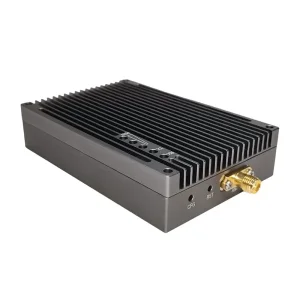
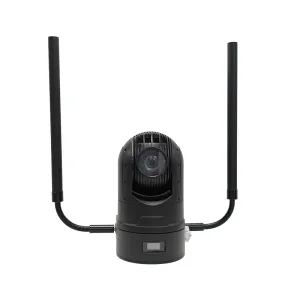
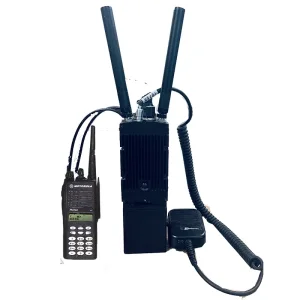
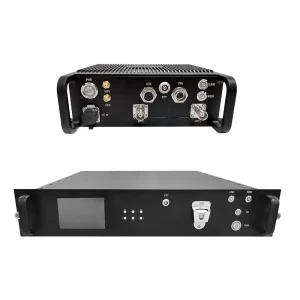
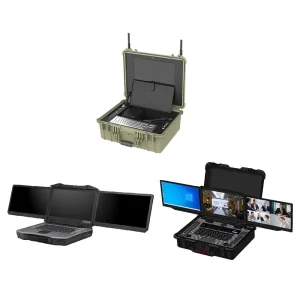
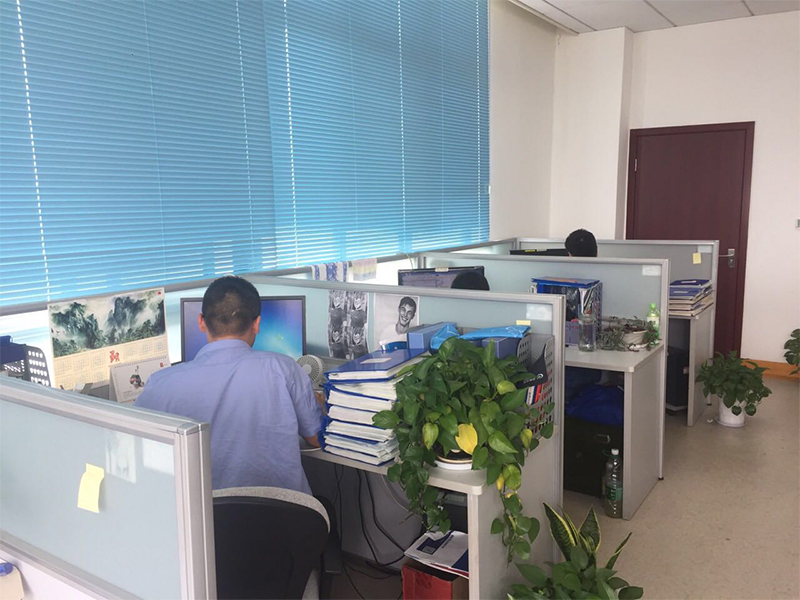
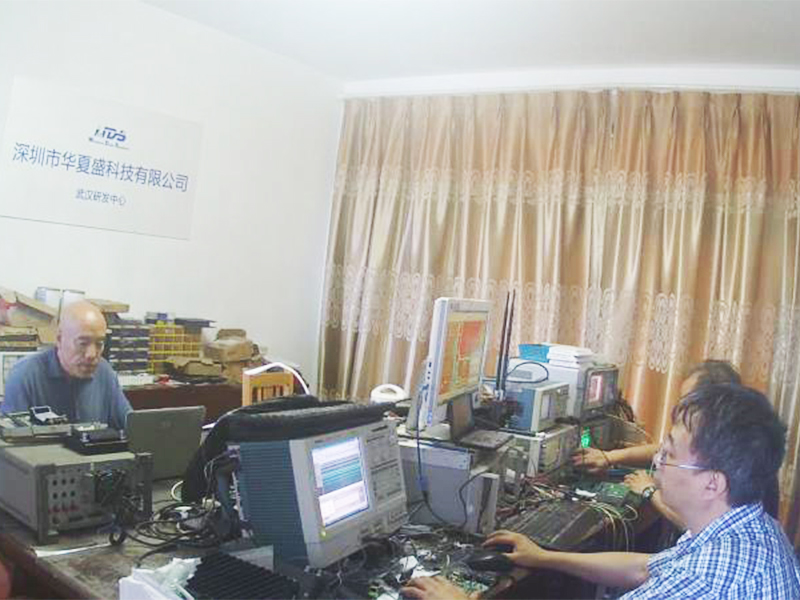
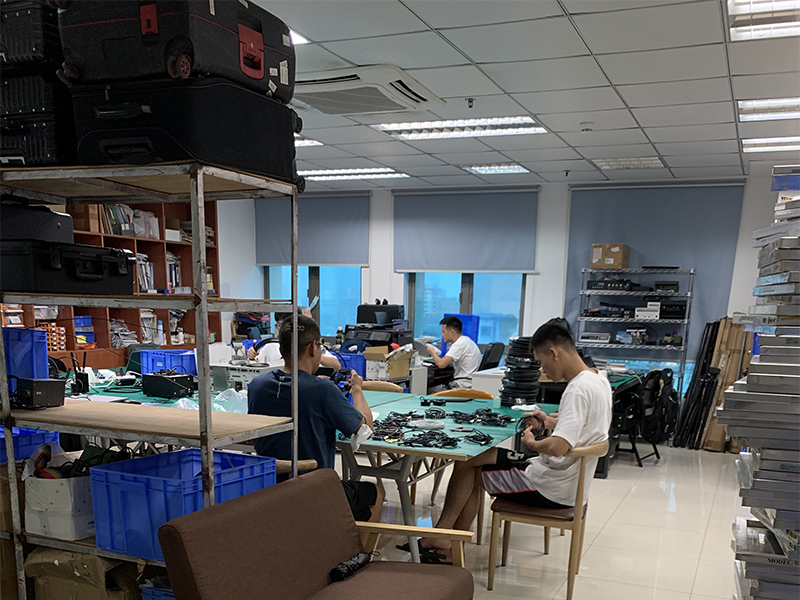
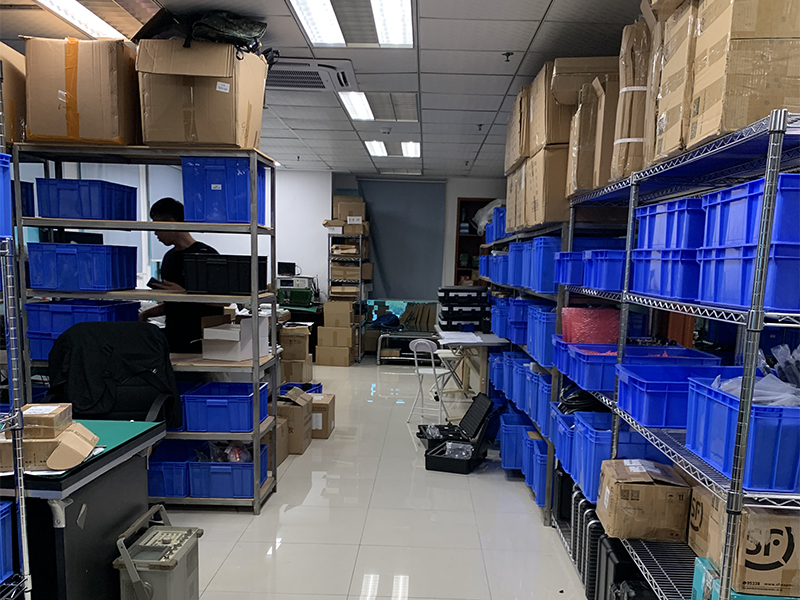
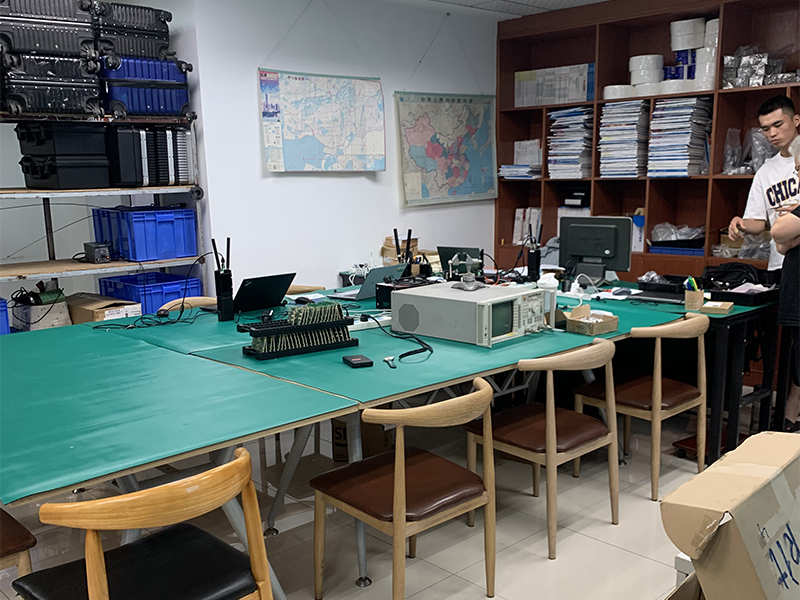
A visual showcase of our industrial wireless modules, digital transceivers, and high-frequency communication boards deployed across global manufacturing and field operational scenarios.
 Sinosun Tech