The United Arab Emirates (UAE) stands at the forefront of the global digital revolution. With initiatives like Dubai’s "Paperless Strategy" and the UAE Strategy for the Fourth Industrial Revolution, the demand for robust, long-range, and secure wireless data transmission has never been higher. In the arid and challenging environments of the Middle East, standard consumer-grade wireless solutions often fail. Industrial-grade RF equipment, capable of withstanding extreme temperatures (up to +85°C) and providing reliable links over vast desert expanses, is the backbone of the region’s growth.
The UAE’s vision emphasizes a diversified, knowledge-based economy. For suppliers like Shenzhen Huaxiasheng, this means providing the infrastructure for smart grids, autonomous transport in Masdar City, and real-time telemetry for ADNOC’s offshore drilling platforms. Our MESH networking technologies are specifically designed to meet these rigorous sovereign requirements.
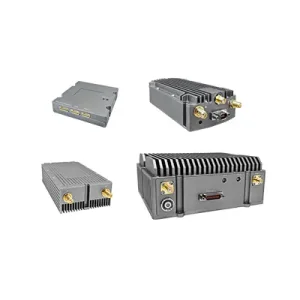
Globally, the wireless data transmission industry is shifting from static frequency allocation to dynamic, cognitive radio systems. Frequency Hopping Spread Spectrum (FHSS) and Orthogonal Frequency Division Multiplexing (OFDM) are now industry standards for anti-jamming and high-throughput requirements. As a leading factory, we integrate AI-driven interference avoidance into our MESH modules to ensure 99.999% uptime in crowded urban RF environments like Downtown Dubai.
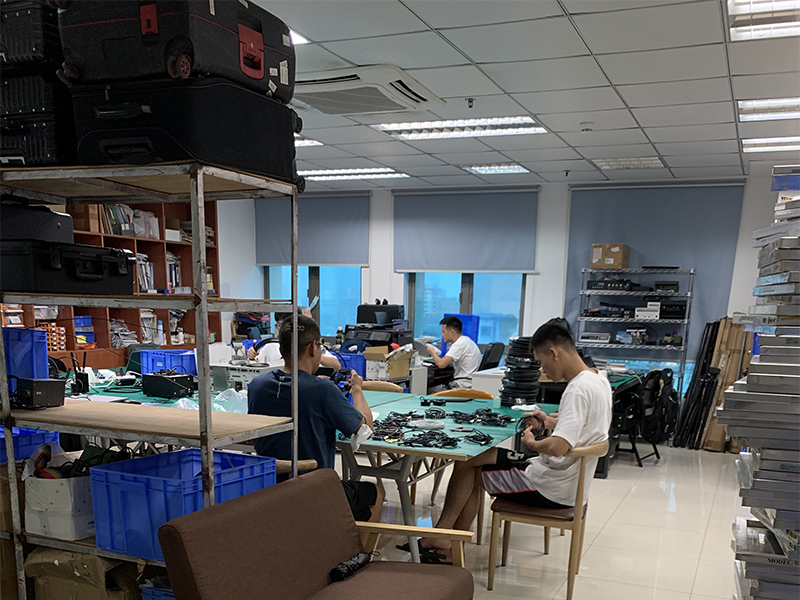
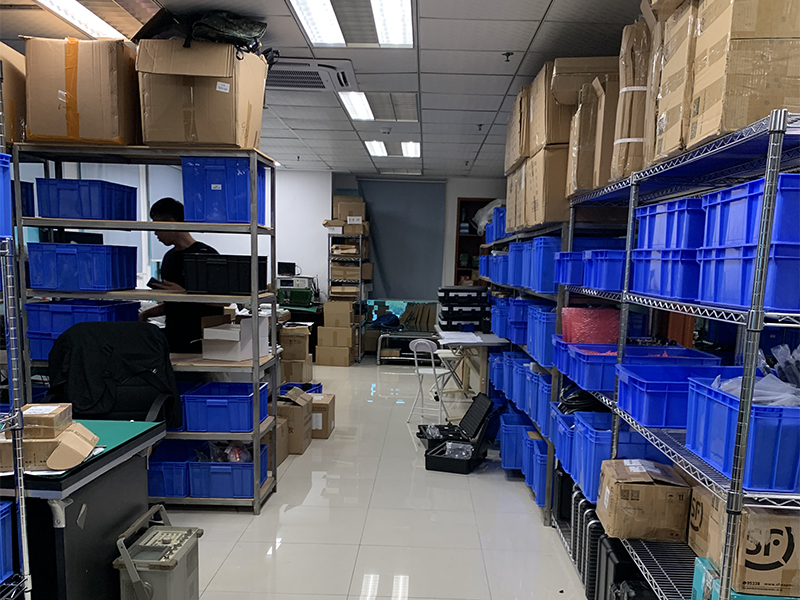
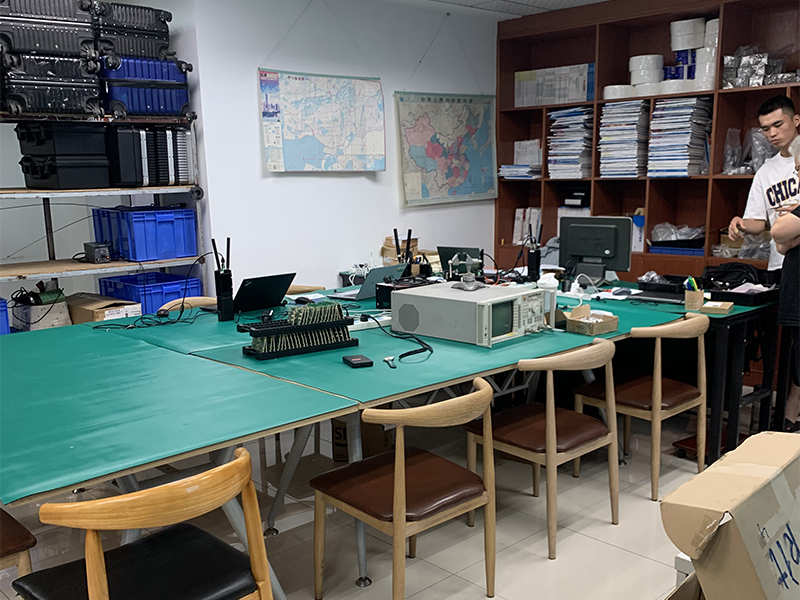
Shenzhen Huaxiasheng Technology Co., Ltd. has been a pioneer in wireless data transmission since 1996. For over 25 years, we have collaborated with domestic universities and research institutes to develop world-leading RF equipment. Our focus is on providing advanced technology, reliable quality, and reasonably priced products for factory control automation and unmanned systems.
Established
Years Experience
R&D Experts
Global Regions
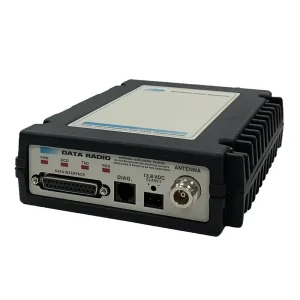
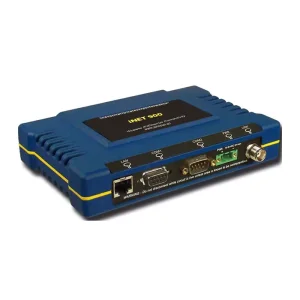
In the UAE's oil fields (e.g., Upper Zakum), our SCADA digital radios provide reliable low-speed data links for pressure sensors and flow meters across hundreds of kilometers without the need for cellular infrastructure.
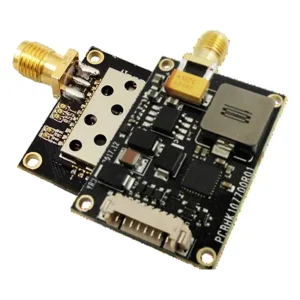
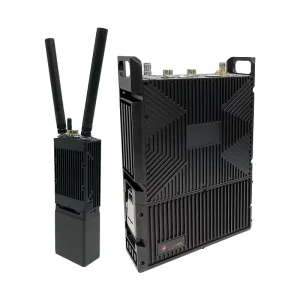
With the rise of drone delivery and autonomous surveillance in Dubai, our low-latency HD video codec boards and MESH links provide stable 1080P video transmission even in Non-Line-of-Sight (NLOS) urban canyons.
Jebel Ali Port utilizes high-speed frequency hopping radios for automated gantry crane control, ensuring zero interference from port-side radar and communication systems.
| Solution Type | Technology Stack | Target Sector | Key Benefit |
|---|---|---|---|
| Long-Range Telemetry | VHF/UHF LoRaData | Environmental Monitoring | 50km+ Range, Ultra-Low Power |
| Ad-Hoc Networking | MANET / Broadband MESH | Military / First Responders | Self-Healing, No Base Station |
| High-Precision GNSS | RTK Data Links | Construction & Land Survey | Centimeter-Level Accuracy |
As we look toward 2030, several key technologies will redefine how data is transmitted in the UAE. Satellite-Terrestrial Hybrid Networks will become the norm, allowing for seamless handover between local MESH networks and Low Earth Orbit (LEO) satellite constellations. Furthermore, Quantum-Resistant Encryption will be integrated into our digital radios to protect sensitive state and industrial data from emerging cyber threats.
Our commitment to the UAE market includes localized technical support and the development of modules that can operate efficiently under the unique atmospheric conditions of the Persian Gulf, where high humidity and temperature inversions often affect traditional signal propagation.
We provide equipment across VHF, UHF, L-Band, S-Band, and C-Band. Our modules are adjustable to comply with the Telecommunications and Digital Government Regulatory Authority (TDRA) regulations of the UAE.
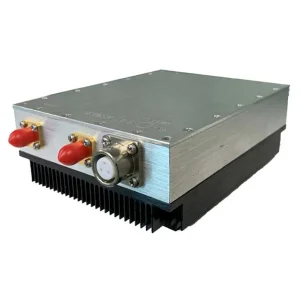
Yes, our industrial-grade radios and amplifiers are tested to operate in temperatures ranging from -40°C to +85°C, ensuring reliability in the desert heat.
Absolutely. Our BEAMmesh and DDLmesh series are designed for NLOS (Non-Line-of-Sight) urban applications, making them ideal for Dubai’s high-rise districts.
Depending on the module and terrain, our long-range digital radios can achieve distances of 50km to 100km, while airborne series can extend much further with line-of-sight.
 Sinosun Tech