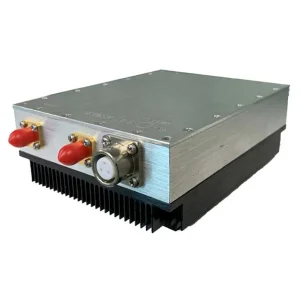
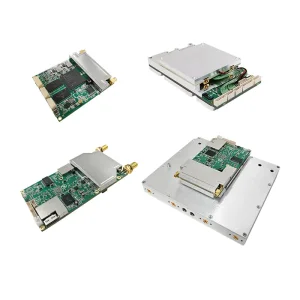
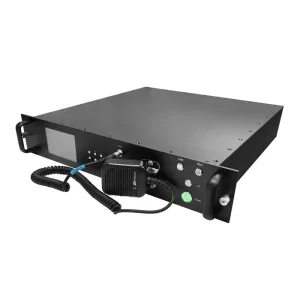
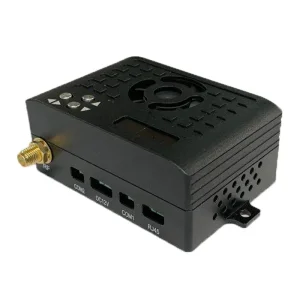
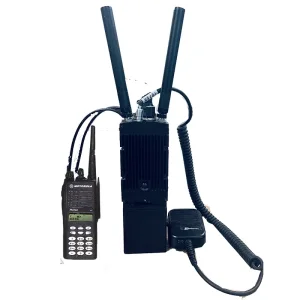
Explore our high-performance hardware array, engineered to provide robust, long-range, and low-latency bidirectional voice, video, and data communication across complex operational terrains.
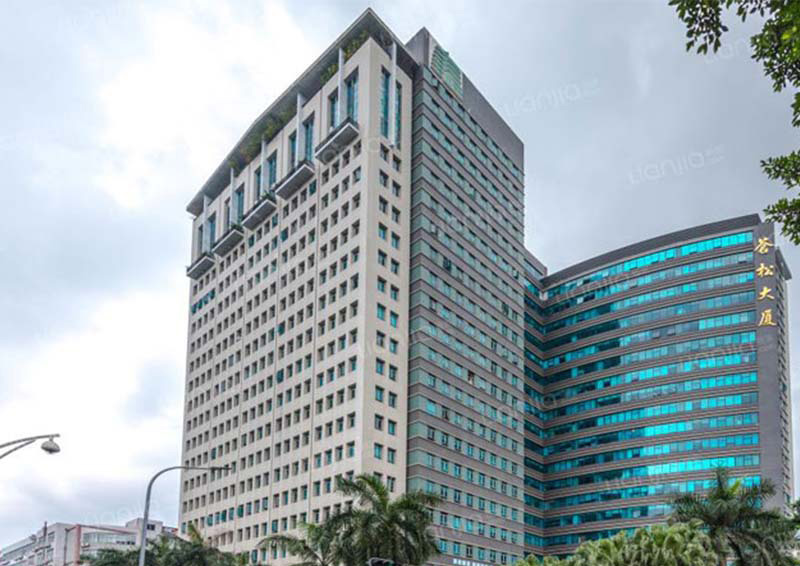
Shenzhen Huaxiasheng Technology Co., Ltd. (HXS) stands at the global vanguard of wireless data transmission engineering, research, and application. For nearly three decades, our technological journey has been characterized by rigorous academic collaborations with famous domestic universities and premier national research institutes.
Unlike transactional suppliers, HXS focuses on **Information Gain**—advancing the mathematical and physical limits of spectral efficiency. We specialize in developing software-defined radios (SDR), frequency-hopping spread spectrum (FHSS) systems, and self-healing AD-HOC MESH network architectures. This scientific approach ensures that our clients achieve maximum throughput, noise mitigation, and link integrity over maximum ranges.
By combining advanced engineering, end-to-end consulting, and a value-first pricing model, we have established ourselves as the preferred industrial partner globally.
We represent the pinnacle of manufacturing and device design in the MESH self-organizing network industry. Our rich product portfolio boasts leading transmission speeds, long link ranges, multi-spectral operational bands, and resilient anti-interference mechanisms suitable for dense urban and demanding environments.
Pre-sales configuration planning, spectrum auditing, custom OEM design, and robust field post-sales integration services are standard. We ensure that our advanced telemetry devices operate accurately, efficiently, and with maximum security across all local regional jurisdictions.
Our engineering focus remains absolute: providing advanced, highly reliable, and accessible telemetry systems designed to empower automated systems. We drive ongoing refinement in structural size, weight, power, and cost (SWaP-C) to deliver maximum capabilities to automated industries worldwide.
Driven by high-quality manufacturing and rigorous engineering research, our performance speaks through numbers.
When global aerospace, defense, and industrial enterprises seek top-tier RF transceivers, they look to specialized manufacturing hubs in China, specifically Shenzhen. The geographic advantages go far beyond basic labor cost savings, encompassing systemic benefits that directly influence hardware performance and reliability:
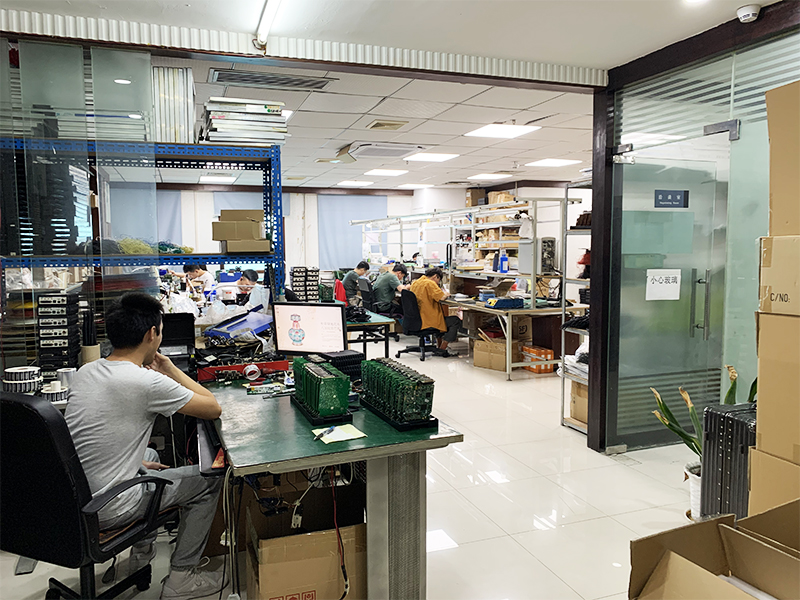
Shenzhen houses the world’s most comprehensive electronics supply chain. In our factory, the physical proximity to high-frequency wafer packaging plants, high-precision CNC chassis factories, and advanced SMT lines shortens prototyping phases from months to days, allowing rapid iteration on custom telemetry projects.
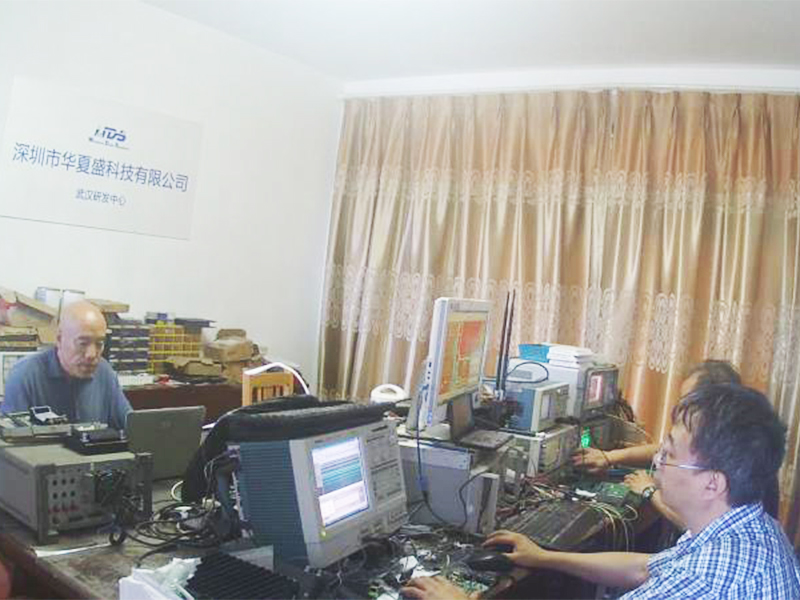
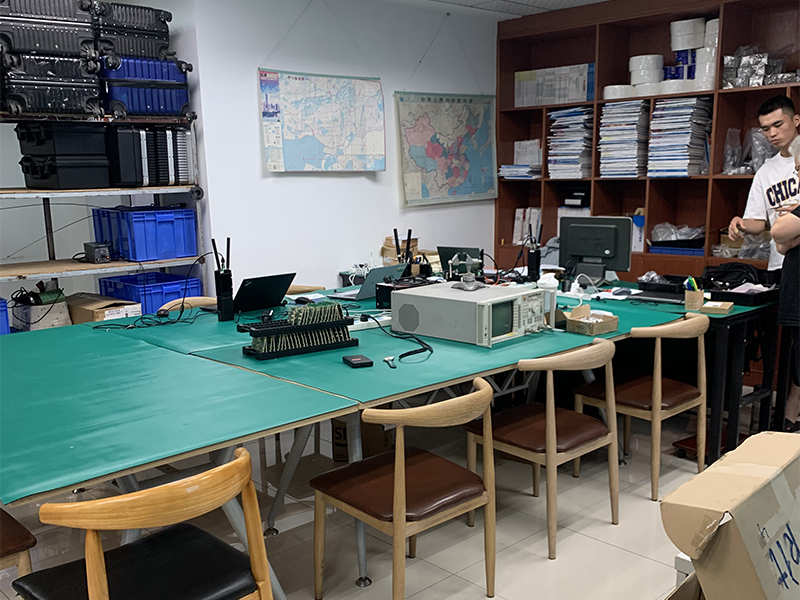
Chinese RF manufacturing relies on massive investments in automated test equipment. Our facility features sophisticated cleanrooms and high-frequency laboratories equipped with Vector Network Analyzers (VNAs), spectrum analyzers, and multi-axis environmental stress screening (ESS) chambers for extreme performance testing.
By collaborating with domestic universities and research institutions, Chinese factories maintain a steady pipeline of specialized RF, microwave, and electromagnetic compatibility (EMC) engineers capable of developing innovative solutions for global markets.
As automated environments grow increasingly complex, three primary technological trends are driving the next generation of RF hardware.
Traditional fixed-frequency systems are highly vulnerable to localized interference. Emerging technologies require multi-band adaptability. Through SDR platforms, modern RF architectures allow users to adjust operating frequencies, bandwidths, and modulation parameters dynamically via software updates, prolonging deployment lifecycles.
The rise of distributed autonomous operations (e.g., drone swarms, connected industrial facilities) demands network structures that do not rely on a single central base station. Dynamic, self-forming AD-HOC MESH systems allow every device to serve as a node, repeating signals and rerouting packets in real time to bypass signal obstacles.
Modern unmanned aerial vehicles (UAVs) and robotic platforms demand systems with optimized Size, Weight, Power, and Cost (SWaP-C). RF devices must deliver extended ranges and higher throughput while minimizing battery consumption and keeping weight low.
Utilizing multiple-input multiple-output (MIMO) technology enables reliable communication in high-multipath urban and subterranean environments, multiplying throughput and signal stability without demanding additional power.
Our comprehensive RF systems provide reliable connectivity across critical infrastructure sectors and demanding operational environments globally:
Our SCADA and digital data modules monitor distributed infrastructure across vast pipelines and grids. Operating in harsh environments, they deliver real-time telemetry over long ranges, preventing failures and optimizing resource allocation.
UAVs, autonomous ground vehicles (UGVs), and marine vessels use our low-latency HD video and data links to transmit high-resolution video and control signals under demanding conditions.
When standard cellular networks are unavailable or destroyed, our portable MESH command systems establish dynamic networks, supporting secure, reliable voice and video links for emergency response teams.
Procurement teams must evaluate key technical parameters to ensure long-term operational success and compliance.
Select suppliers providing modular amplification platforms capable of supporting VHF, UHF, L-band, S-band, and C-band frequencies. This flexibility enables deployment across different regulatory jurisdictions without redesigning the core hardware platform.
Outdoor telemetry systems must withstand dust, heavy moisture, and extreme temperatures. Ensure devices feature robust IP67/IP68 ratings, vibration resistance, and specialized thermal management systems for continuous operation under harsh field conditions.
To prevent vendor lock-in, select platforms that support open IP architectures and integrate seamlessly with third-party software, payload systems, and existing legacy infrastructure.
Find answers to key technical questions from system integrators and global procurement managers.
Standard point-to-multipoint topologies depend entirely on a central base station, representing a single point of failure and vulnerable to terrain-based line-of-sight blockages. In contrast, self-organizing dynamic MESH topologies allow every active radio to serve as an autonomous transceiver node. If a node loses line-of-sight due to building blockage or distance, the system dynamically reroutes the transmission path through adjacent nodes in milliseconds, ensuring high network uptime and self-healing reliability.
Our devices incorporate advanced software-controlled high-speed frequency hopping (FHSS) technology alongside precise SAW filtering. By hopping across up to hundreds of distinct channels per second, our systems bypass localized spectral interference, delivering continuous, reliable data streams even in highly active industrial zones.
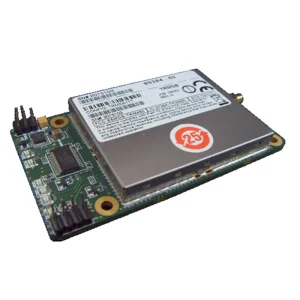
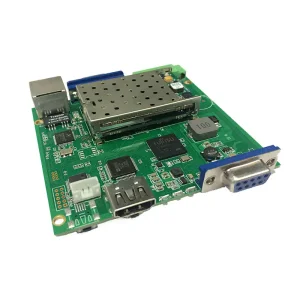
We offer extensive hardware customization to meet specific program requirements. This includes adjustments to operating frequency bands (VHF, UHF, L/S/C bands), modifications to power output profiles, integration of custom digital interface ports, and optimized board shapes to fit space-constrained compartments in UAVs or compact tracking platforms.
By integrating highly responsive servo-control systems with real-time GPS telemetry, our automated tracking platforms maintain precise alignment between the ground station and moving air or sea vessels. This continuous orientation maximizes link budget and extends transmission ranges over 50 kilometers.
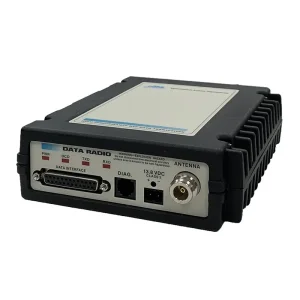
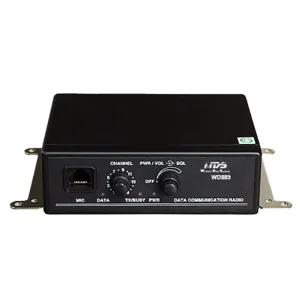
Review our long-range airborne transceivers, portable command desks, and tracking systems designed to maintain connectivity under demanding operating conditions.
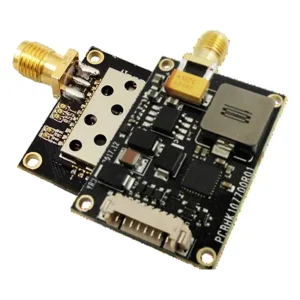
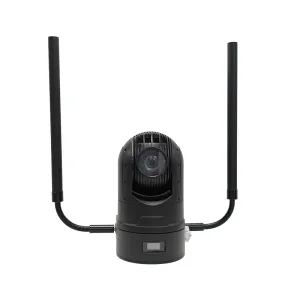
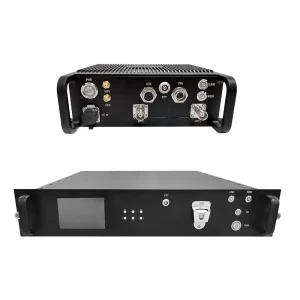
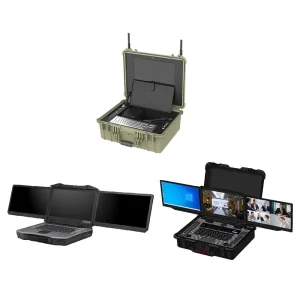
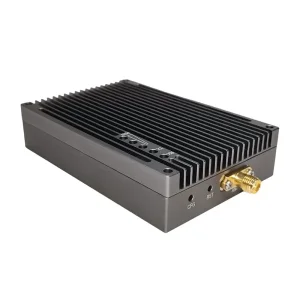
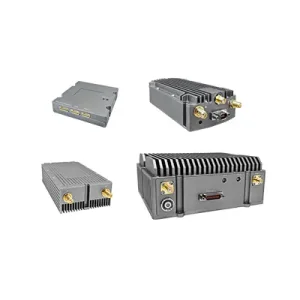
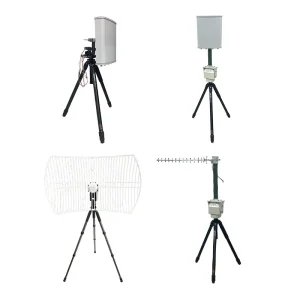
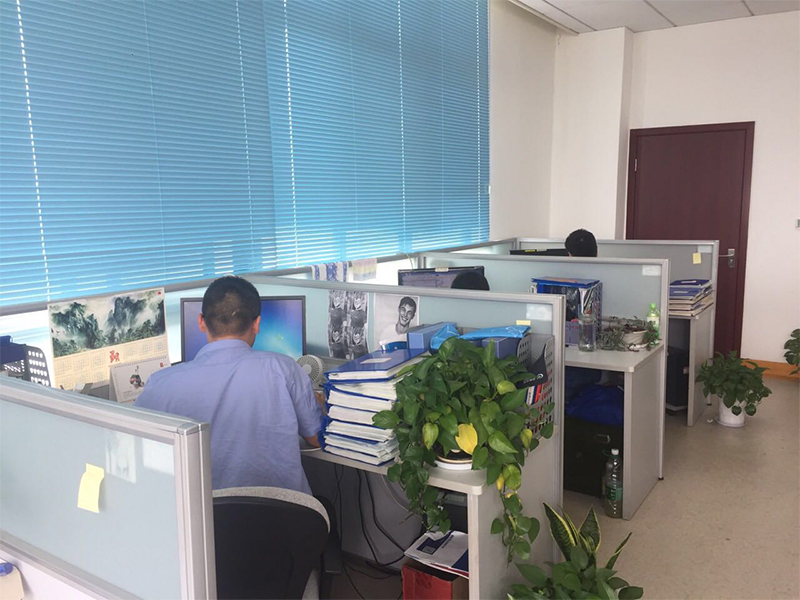
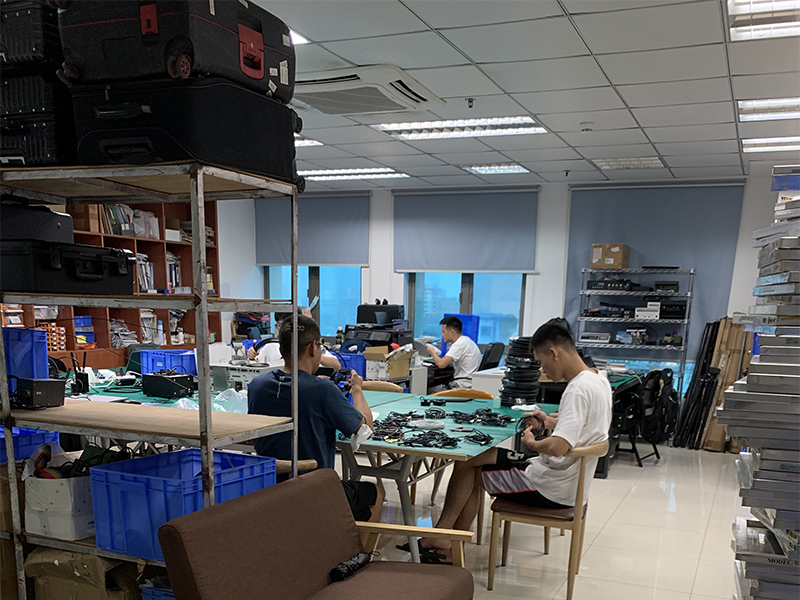
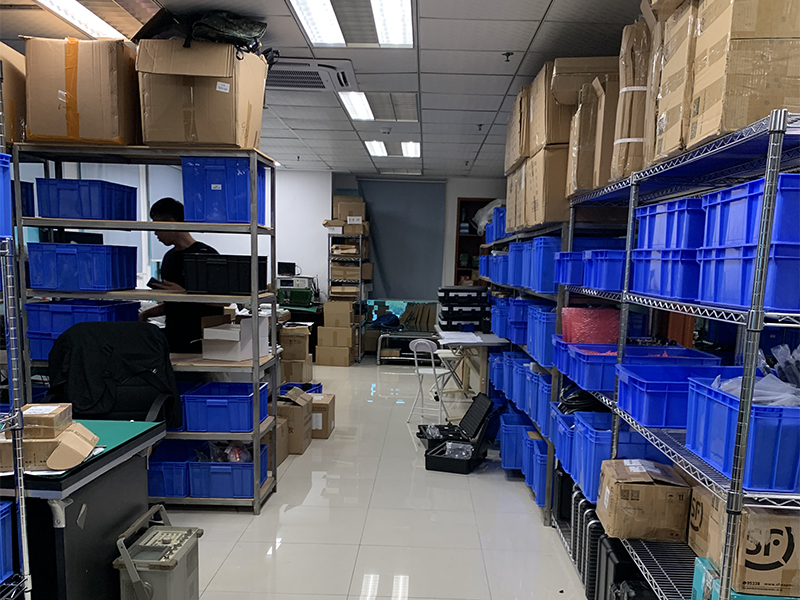
Take a visual tour of our production facilities, laboratories, and dynamic component verification areas, where quality meets reliability.
 Sinosun Tech