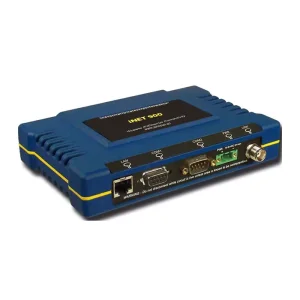
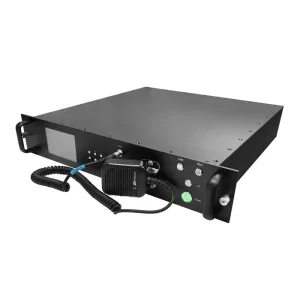
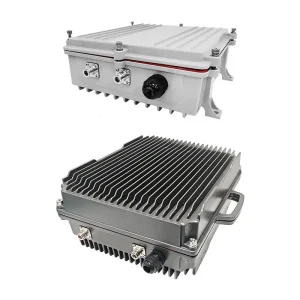
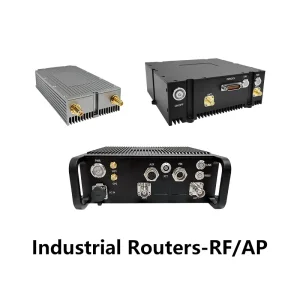
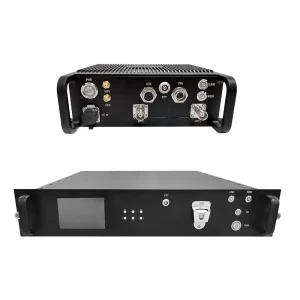
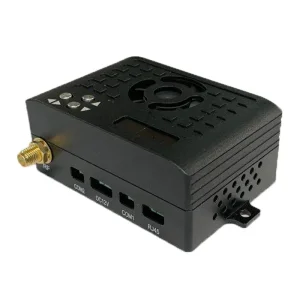
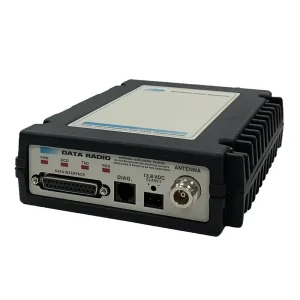
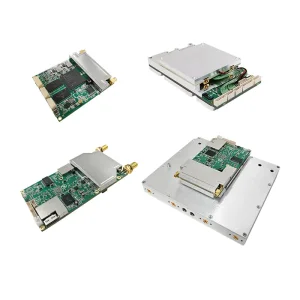
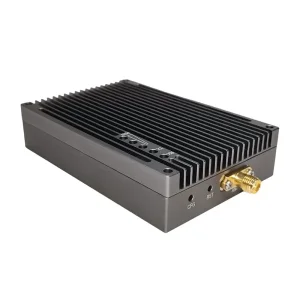
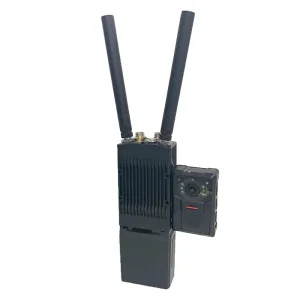
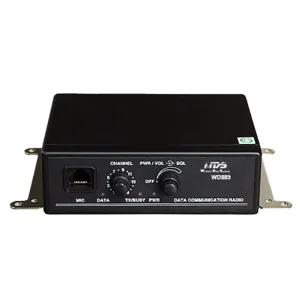
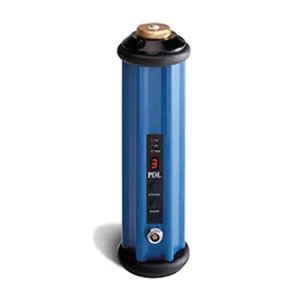
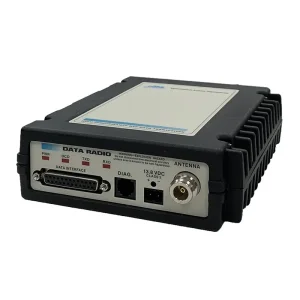
Explore our highly advanced point-to-point and tactical mesh data transmission systems designed for resilient, long-range telemetry.
In the era of rapid automation and unmanned industrial applications, raw throughput is no longer the sole metric defining communication efficiency. High-performance industrial systems demand deterministic connectivity, extreme multipath immunity, and software-defined adaptiveness. The pMDDL (Point-to-Multipoint Digital Data Link) series represents a pivotal evolutionary step in this space, bridging the gap between legacy point-to-point analog modems and dynamic, mesh-enabled broadband topologies.
Historically, industrial telemetry operated on narrow-band VHF/UHF bands, relying heavily on simple FSK/GFSK modulations. These technologies failed when confronted with heavy concrete obstructions, electromagnetic noise, and dense urban scattering. The modern landscape, governed by autonomous systems and remote control frameworks, mandates the utilization of COFDM (Coded Orthogonal Frequency Division Multiplexing) paired with MIMO (Multiple-Input Multiple-Output) multi-path spatial processing. As a direct answer to these operational challenges, the pMDDL family integrates hardware-driven digital transceivers capable of multi-channel data routing, deep sub-carrier modulation scaling, and real-time spectrum management.
Splitting digital pipelines into thousands of parallel orthogonal sub-carriers, bypassing complex multi-path reflections and interference spikes in challenging environments.
Integrating real-time 1080P HD H.264/H.265 video compression alongside bi-directional control telemetry in a single RF envelope with sub-30ms hardware latency.
Armed with robust military-grade AES-128/256 dynamic hardware encryption, shielding multi-channel telemetry streams from active intercept threats and eavesdropping.
Systems engineers and global procurement directors in aerospace, energy infrastructure, and defense automation evaluate critical criteria during component integration. Achieving long-range RF stability is not merely about increasing power; it requires balancing size, weight, power, and cost (SWaP-C) characteristics with reliable, long-term support.
| Procurement Parameter | Legacy Industry Standard | pMDDL Series Specifications | Strategic Advantage |
|---|---|---|---|
| Operating Frequency | Fixed Single-Band (e.g., 433MHz) | Dual/Multi-band (300MHz to 2.5GHz auto-tune) | Spectrum flexibility to bypass localized band congestion. |
| Line-of-Sight Range | 10 km - 15 km (LOS) | 30 km - 80 km (LOS, platform dependent) | Expanded operational envelopes for long-range UAVs & UGVs. |
| Latency Metric | 150 ms - 300 ms | < 30 ms (Point-to-Point H.264/Telemetry) | Deterministic control loops and low-latency pilot interfaces. |
| Routing Capabilities | Master-Slave (Centralized) | Decentralized Dynamic MANET / Mesh | Zero-point-of-failure auto-routing and self-healing topologies. |
| Enclosure Protection | Unshielded modules, IP54 | CNC Machined Anodized Aluminum, IP67 | Resistance to extreme shock, heat, and moisture ingress. |
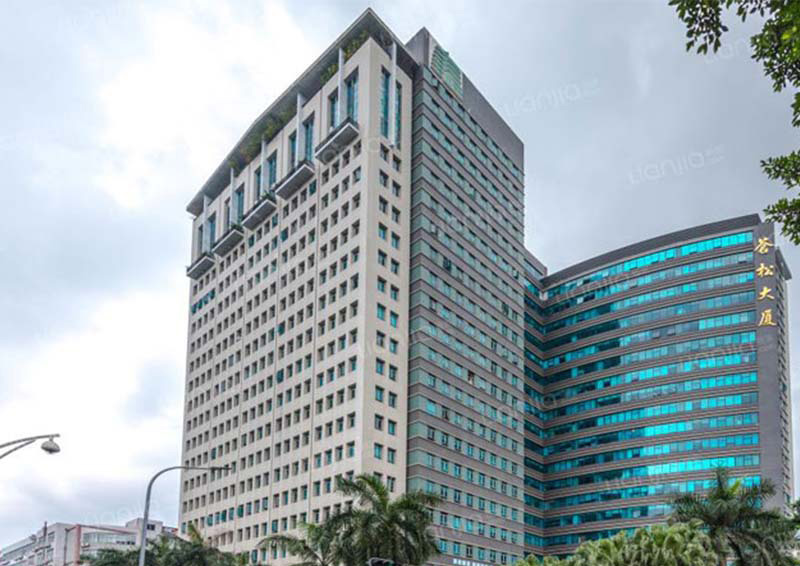
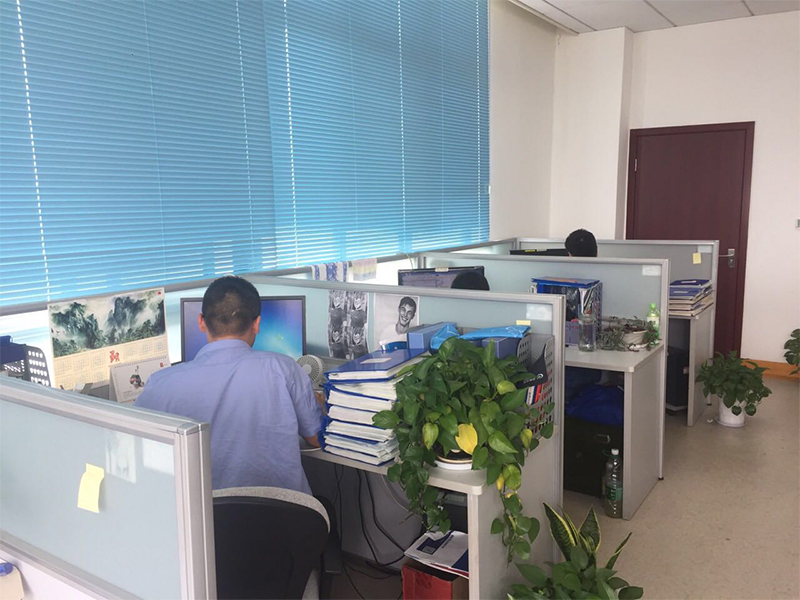
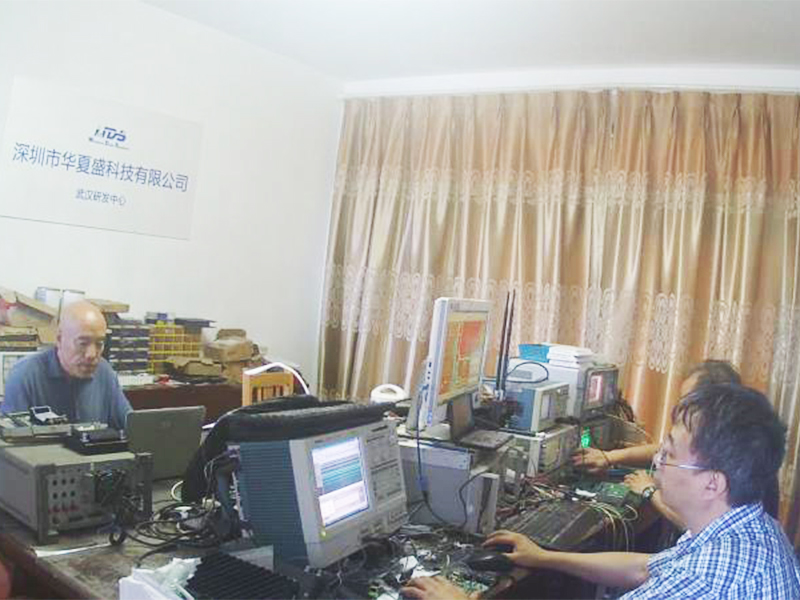
For over two decades, Shenzhen Huaxiasheng Technology Co., Ltd. has led the development, application, and network integration of industrial wireless data transmission systems. Established in 1996, the company has developed advanced wireless equipment based on industry-leading research, collaborating with domestic universities and national research institutions.
Our core mission focuses on delivering reliable communication systems for harsh environments. By combining software-defined radios with MESH networking, we provide customized solutions for demanding industrial automation, defense systems, and complex utility operations.
Leveraging Shenzhen's advanced supply chain networks, Huaxiasheng converts R&D blueprints into field-tested RF systems with outstanding precision and quality control.
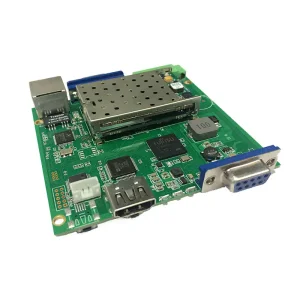
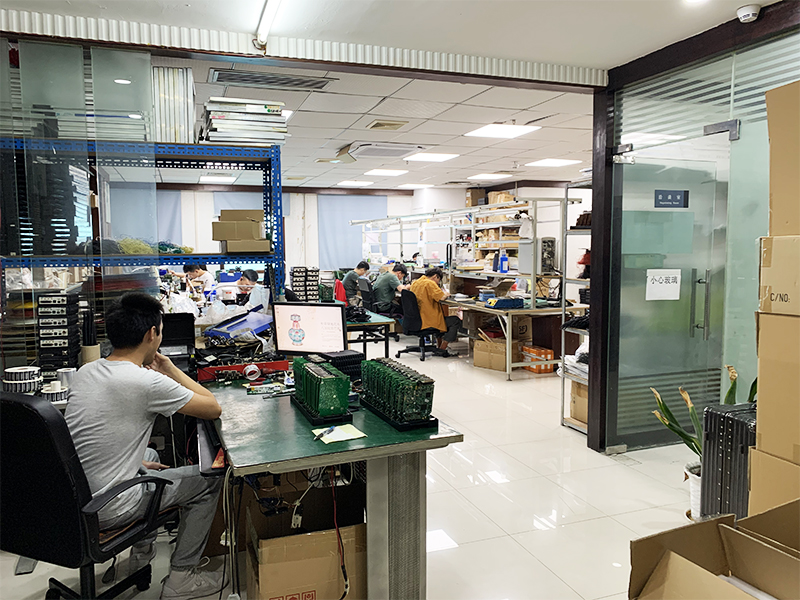
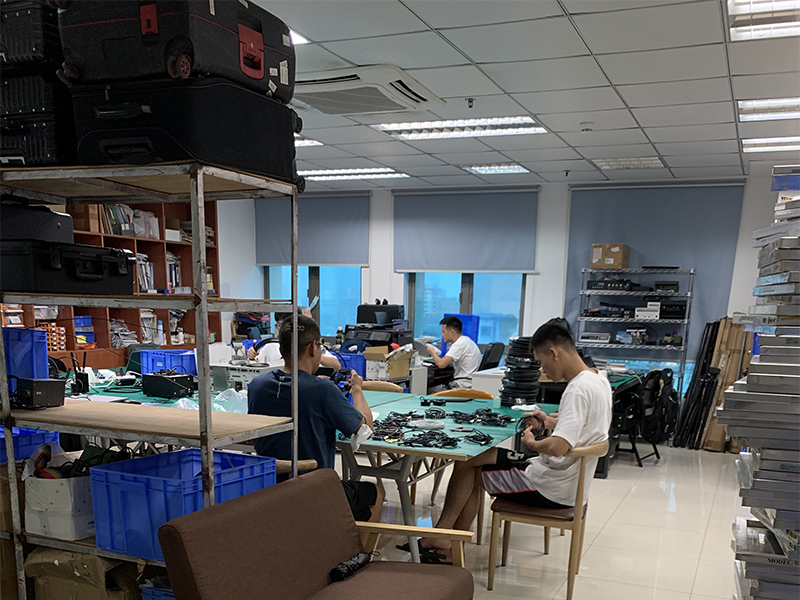
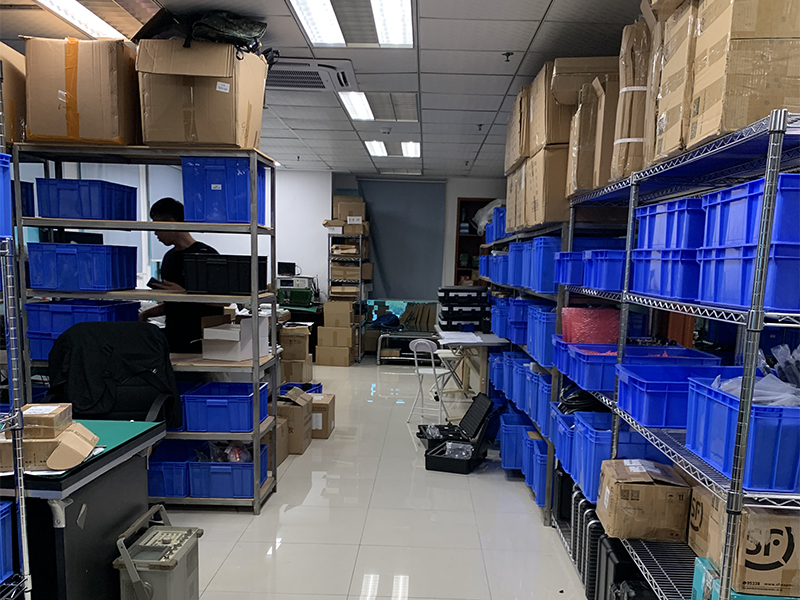
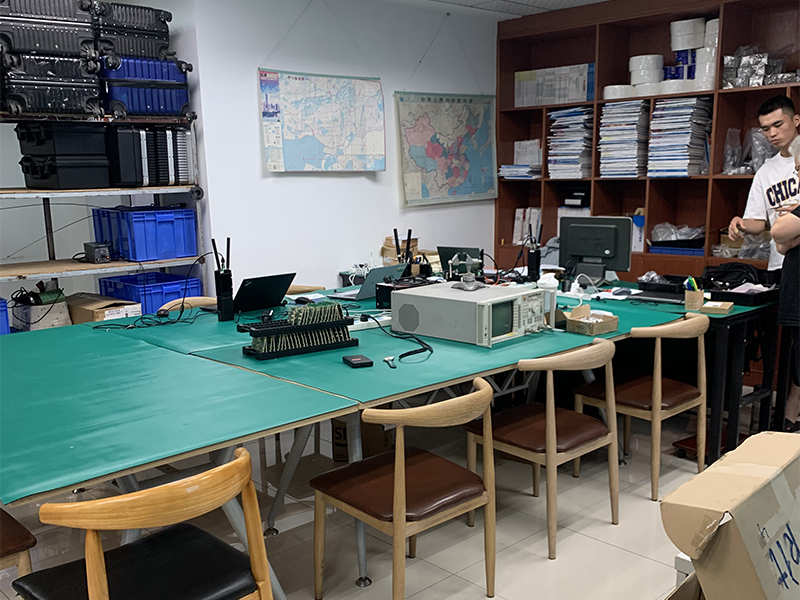
Our manufacturing facility in Shenzhen utilizes modern automated SMT pick-and-place lines, dynamic wave soldering equipment, and climate-controlled aging chambers. Every single pMDDL and MESH board undergoes rigid environmental testing, vibration cycles, and precise calibration using vector network analyzers and high-frequency spectrum instruments. This level of quality control ensures our systems perform reliably in extreme temperatures ranging from -40°C to +85°C, making them suitable for aerospace, defense, and oilfield operations.
Through integrated supply chain management, we maintain control over everything from raw silicon sourcing to casing design. This vertical integration allows us to offer flexible OEM and ODM services, customize frequency bands, modify board shapes to fit compact UAV payloads, and develop custom communications protocols to meet client specifications.
Our rugged wireless systems operate across diverse global industries, ensuring constant connection where standard networks fail.
Long-distance telemetry and valve control across remote fields using robust DATA series transceivers.
Real-time environmental sensor data links across reservoirs, water treatment facilities, and power networks.
High-speed industrial wireless Ethernet connecting PLCs, CNC machines, and heavy logistics robots.
Low-latency dual-channel control and HD video links for unmanned ships, UAVs, and military-grade robotics.
Sub-centimeter mapping and geo-location links using specialized high-performance RF transceivers.
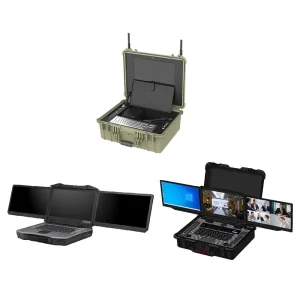
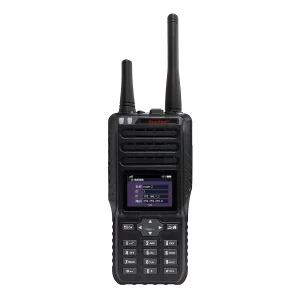
Portable MESH command boxes and handheld systems providing reliable communication during disaster recovery.
Find detailed technical answers regarding real-world application, range optimization, and deployment of our wireless systems.
Complementing our core telemetry systems, our specialty handheld and desktop modules support command dispatch, precision surveying, and SCADA automation.
 Sinosun Tech