 Sinosun Tech
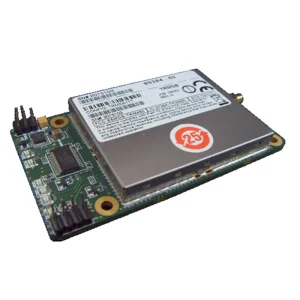
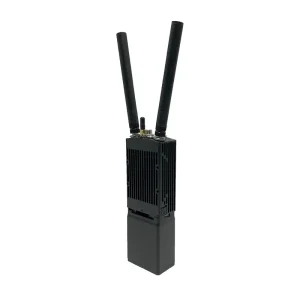
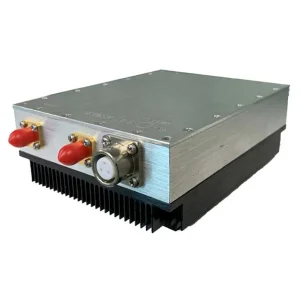
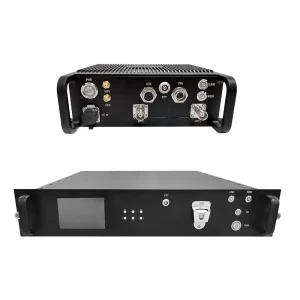
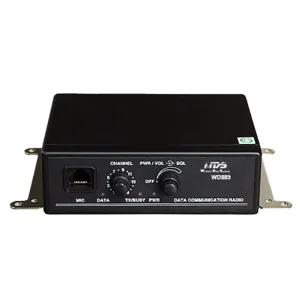
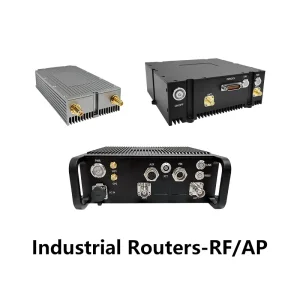
The Evolution of Mesh Architecture in Industrial Communication
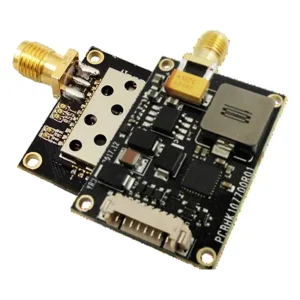
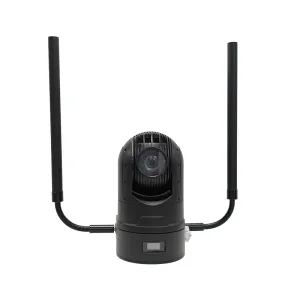
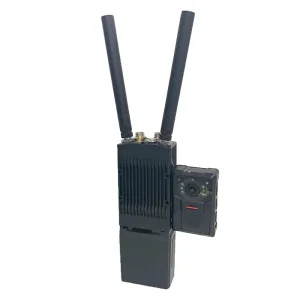
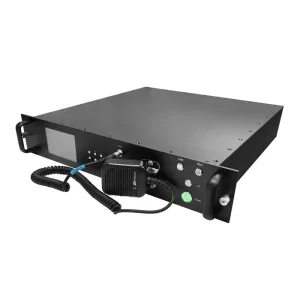
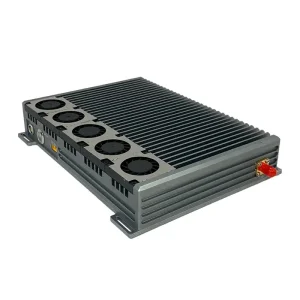
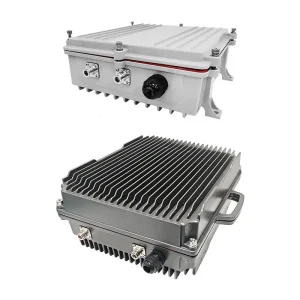
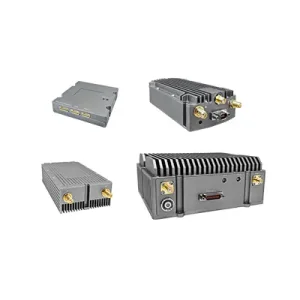
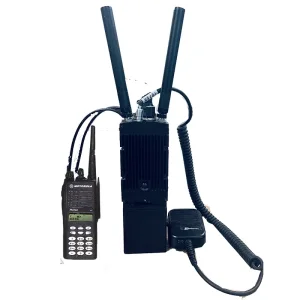
In an era defined by the Internet of Things (IIoT), the reliance on static network topologies is rapidly diminishing. Mesh Architecture Devices are now the cornerstone of reliable connectivity, offering self-healing, multi-hop transmission capabilities. Unlike traditional star topologies, mesh networks ensure that even if one node fails or encounters interference, the network dynamically reroutes data, maintaining high availability for mission-critical applications.
Global Industry Status: The Shift Toward Decentralization
Global enterprises, particularly in sectors like mining, drone operations, and emergency management, are pivoting toward decentralized communication. The demand for low-latency, ultra-long-range data transmission has pushed manufacturers to innovate beyond standard Wi-Fi protocols. Today, the focus is on proprietary wireless mesh protocols that offer higher throughput and resistance to multipath fading in complex environments.
The "China Advantage": Engineering and Factory Efficiency
Shenzhen Huaxiasheng Technology Co., Ltd. exemplifies the efficiency of China’s high-tech manufacturing sector. By integrating R&D, rapid prototyping, and massive scale production, Chinese factories are currently leading the global market in price-to-performance ratio for mesh radios. This synergy of research-led development and industrialized manufacturing allows for rapid customization of frequency bands (VHF/UHF/S-band/C-band) and ruggedization levels that few Western competitors can match at scale.
Localization and Application Scenarios
The versatility of these devices is paramount. From unmanned ship control and robotics to smart city street lighting networks and seismic monitoring, the application landscape is vast. Localization is the new frontier: manufacturers must now provide local frequency tuning (to comply with regional regulatory standards like FCC or ETSI) and interface flexibility (Ethernet, Serial, HDMI/SDI for video) to be considered truly "high-quality."
Future Trends: Where Mesh is Heading
- AI-Driven Spectrum Sensing: Future mesh devices will autonomously identify and switch frequencies to avoid interference in crowded RF environments.
- Convergence with 5G/6G: Mesh networks will act as the "last mile" extension for cellular infrastructure in remote areas.
- Massive MIMO Integration: Increased bandwidth capacity for real-time, high-definition video feeds.