High-reliability, industrial-grade transceivers engineered to perform in tropical, marine, and complex non-line-of-sight terrains.
Equatorial Guinea, located in the heart of Central Africa, possesses a unique geography divided between its mainland region (Río Muni) and its insular territory (Bioko Island). This fragmentation presents profound logistical and technological challenges for telecommunication and industrial data transfer networks. The nation’s economy is heavily anchored in the extraction of hydrocarbon resources, specifically centered around offshore oil platforms in the Gulf of Guinea and onshore processing facilities in Malabo and Bata.
Within these offshore oil and gas fields—such as the Zafiro Complex and the Alba field—maintaining continuous, high-availability telemetry links is crucial for operational safety and environmental protection. Industrial applications require reliable, real-time wireless data transmission lines for SCADA (Supervisory Control and Data Acquisition) networks, connecting offshore production platforms directly with onshore operations centres. Standard cellular infrastructure often falls short in these saltwater, high-humidity marine environments, making high-performance, point-to-multipoint, and private mesh systems essential.
Furthermore, Equatorial Guinea is undergoing digital transformation across inland infrastructure projects, including municipal water distribution, railway lines, and electrical grid substations. These systems require modern industrial wireless modems capable of long-distance telemetry through thick equatorial rainforest canopies, where signal absorption and attenuation are exceptionally high.
Designing wireless infrastructure for Equatorial Guinea requires addressing extreme environmental challenges: high atmospheric humidity, salt-spray corrosion, and dense jungle canopy attenuation.
For mobile security teams and remote geological operations in Bata and Mbini, Mobile Ad-hoc Networks (MANET) build instantaneous, self-healing networks without relying on cellular towers or satellite links.
Combating severe multipath interference and atmospheric disturbances in maritime routes between Malabo and Douala. High-speed FHSS hops across carrier frequencies to maintain uninterrupted data flows.
Essential for high-precision mapping, coastal hydrographic surveys, and agricultural development zones in the Southern Highlands, facilitating millimetre-level RTK correction data links.
Deploying robust, industrial-grade wireless modules across critical operational segments to ensure complete data visibility.
Reliable link management for offshore drill platforms and FPSO units, transmitting sensor data over water with minimal latency and high resistance to salt-fog degradation.
Connecting water reservoirs, power grids, and pipeline valves across Equatorial Guinea with low-speed, long-distance telemetry, utilizing robust protocol integration (Modbus, DNP3).
High-speed video links and dual-direction data transceivers for maritime patrol, border monitoring, and cargo transport drones across remote regional airports.
Deployment of radio frequency equipment in Equatorial Guinea is strictly governed by the local regulatory body, ORTEL (Órgano Regulador de las Telecomunicaciones). It is essential for industrial equipment to function within prescribed frequency allocations (such as unlicensed sub-GHz bands or specifically licensed VHF/UHF/L/S/C bands) to avoid interference with national cellular carriers, governmental networks, and maritime safety channels.
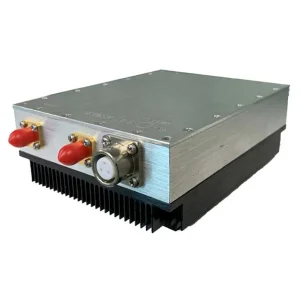
Our custom digital radios and power amplifiers feature programmable power parameters and bandwidth configurations, allowing system integrators in Equatorial Guinea to fine-tune operations in accordance with ORTEL licenses. Additionally, all field hardware undergoes extreme-temperature chamber cycling and salt-fog compliance tests in our Shenzhen facility, ensuring that every product destined for Malabo ports or interior mainland operations is protected against corrosion and tropical moisture penetration.
Our industrial-grade hardware is designed to meet strict regulatory and environmental parameters for Central African field installations.
| Frequency Range | Transmission Distance | Protection Class | Interface Support | Modulation Type |
|---|---|---|---|---|
| VHF / UHF / L-Band / S-Band / C-Band | 10km - 50km+ (Line of Sight) | IP65 / IP67 / IP68 options available | RS232 / RS485 / TTL / Ethernet / USB | FHSS / GFSK / MSK / COFDM |
| 900MHz (902-928MHz customizable) | 15km - 30km (NLOS foliage penetration) | Rugged Aluminum Shell | Serial, RJ45 | MIMO, FHSS |
| 2.4GHz / 5.8GHz Broadband Mesh | 3km - 10km (Node-to-Node) | Military Standard Shock Resistant | IP Video, Ethernet, Voice Interface | COFDM / OFDM |
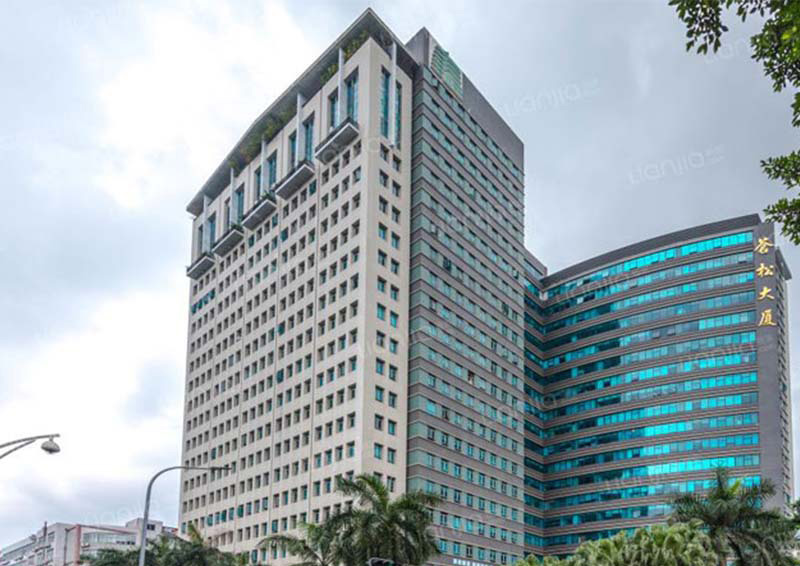
Founded in 1996, Shenzhen Huaxiasheng Technology Co., Ltd. has established itself as an industry-leading manufacturer of wireless data transmission systems. Backed by strategic partnerships with renowned domestic universities and research institutions, our development team designs proprietary wireless modems, RF power amplifiers, and self-organizing mesh nodes tailored for complex engineering environments.
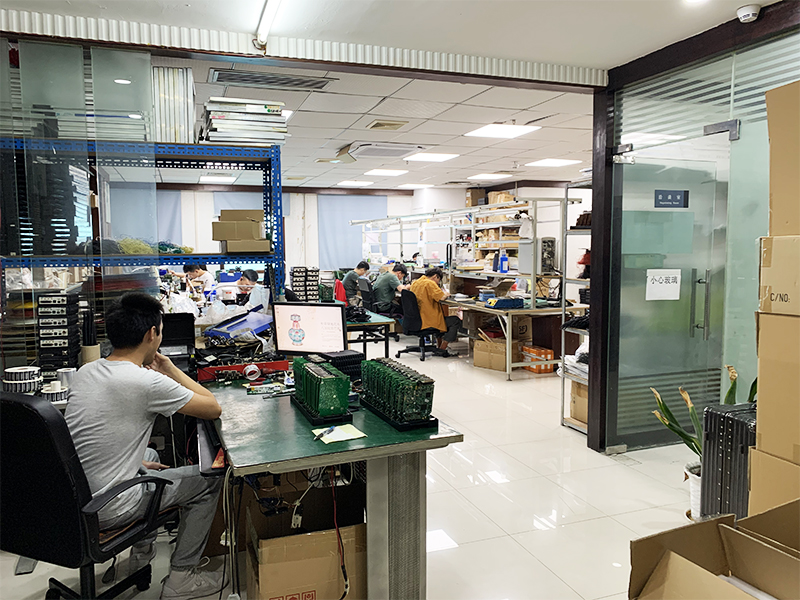
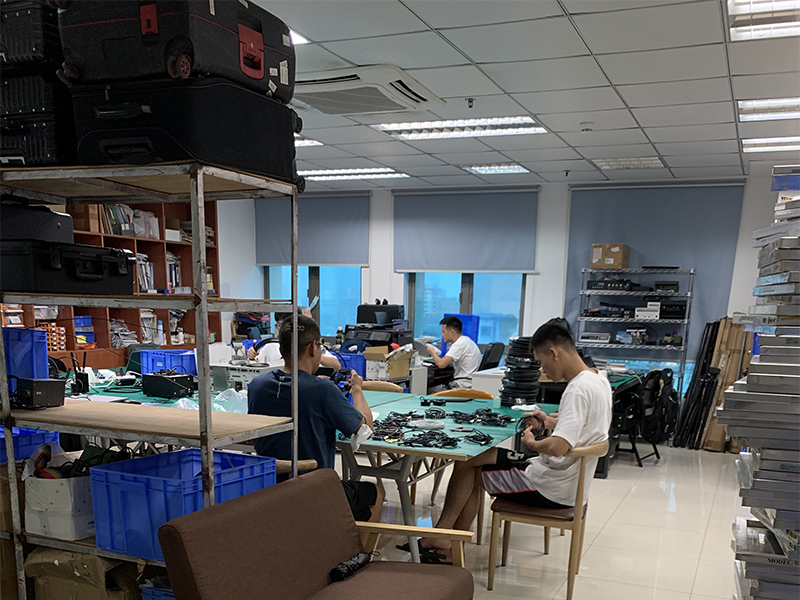
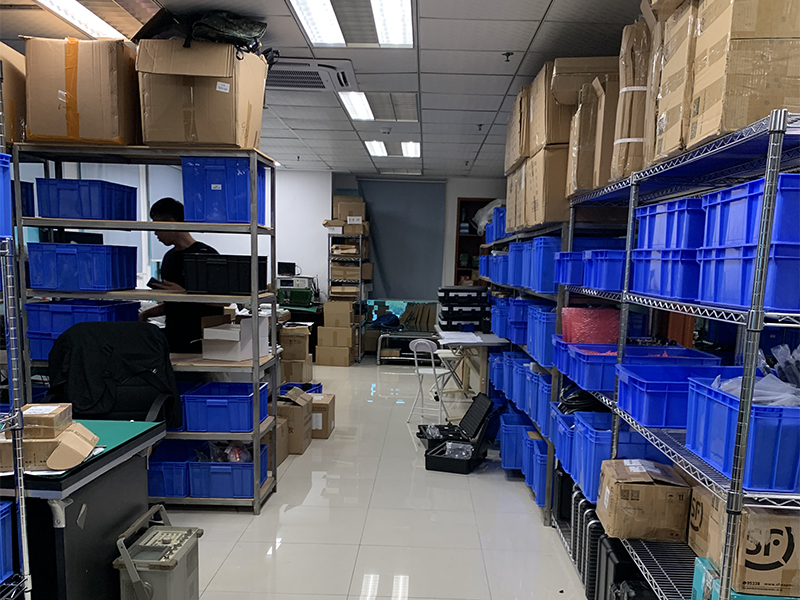
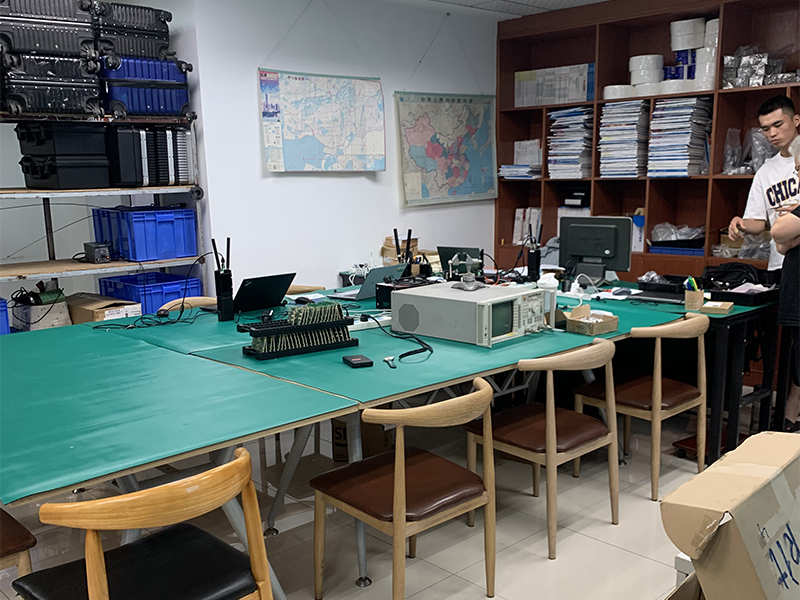
Operating a modernized Factory 4.0 assembly pipeline in Shenzhen, China, we ensure high supply chain resilience and rigorous quality assurance. From automated surface-mount technology (SMT) lines to multi-stage environmental stress screening (ESS), every unit is subjected to thorough performance validation prior to international export. This strict quality control model is why key EPC contractors, oil-and-gas exploration groups, and utility managers across Central Africa rely on our systems for their mission-critical automation links.
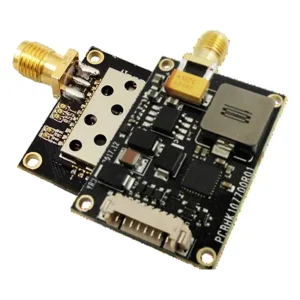
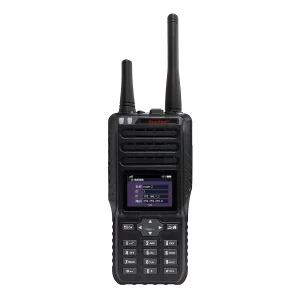
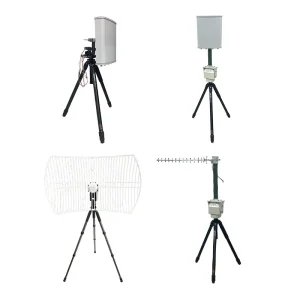
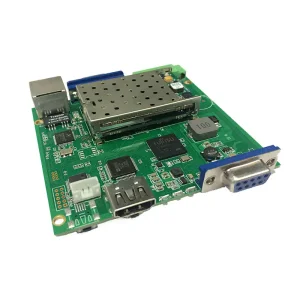
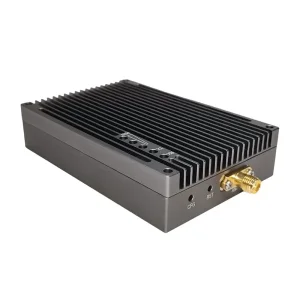
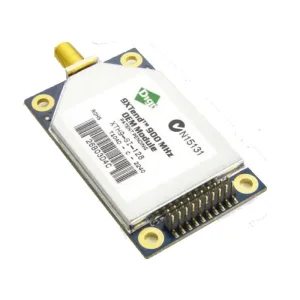
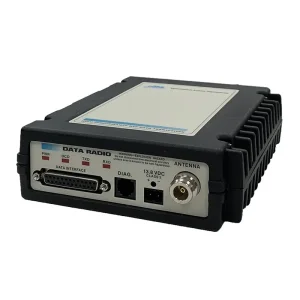
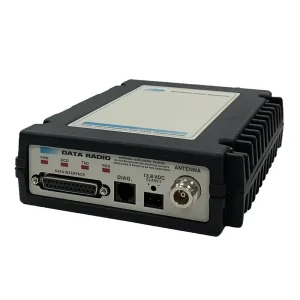
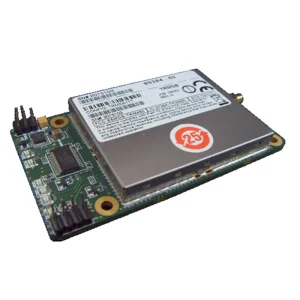
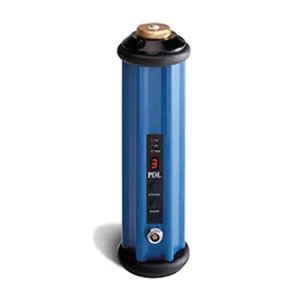
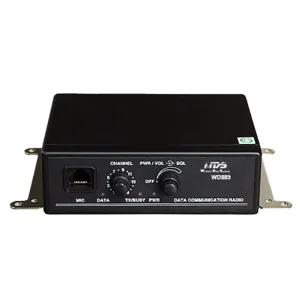
A comprehensive portfolio of telemetry modules, digital transceivers, and point-to-multipoint modems for immediate deployment.
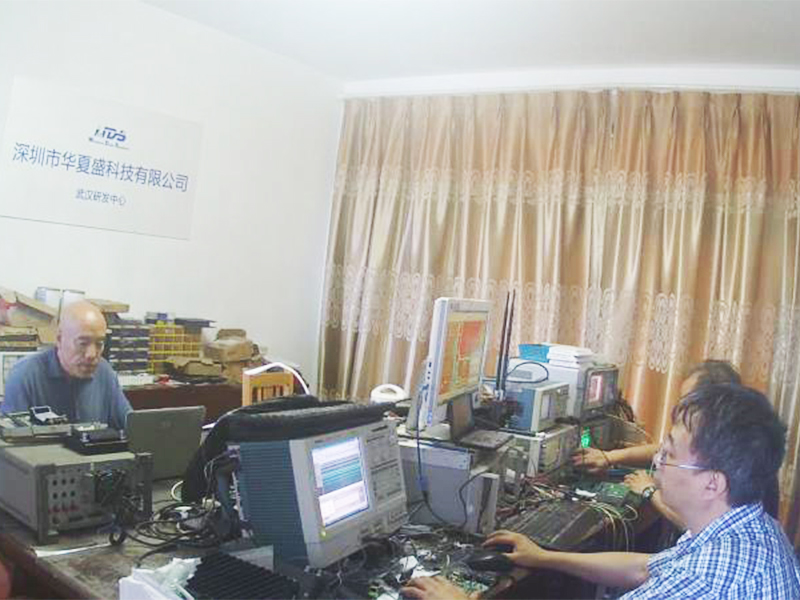
Visualizing our precision manufacturing, testing laboratories, and field deployment environments.
Addressing common technical concerns and deployment inquiries from system integrators in Equatorial Guinea and Central Africa.
We utilize sub-GHz frequencies (e.g., 900MHz, 400MHz UHF bands) combined with high-gain directional antennas and advanced RF power amplifiers. These low-frequency spectra provide superior foliage penetration compared to standard 2.4GHz/5.8GHz systems. Furthermore, our radios incorporate adaptive modulation schemes that dynamically balance throughput and link budget based on real-time signal conditions.
Yes, our SCADA and DATA series radios are designed to support major industrial telemetry protocols, including Modbus RTU, Modbus TCP, DNP3, and Profibus. They feature hardware interfaces for RS232, RS485, and RJ45 Ethernet, enabling seamless integration into current networks without replacing existing PLCs or remote telemetry units (RTUs).
For standard modifications (frequency adjustments, connector revisions, or casing upgrades), our Shenzhen facility typically delivers prototypes within 2–4 weeks. Complete custom hardware layouts, such as specialized form-factor boards for UAV payloads or high-power marine amplifiers, average 6–10 weeks from initial specification lock to first production testing.
We offer specialized marine-grade housing options featuring anti-corrosive powder coatings, waterproof IP67/IP68 physical seals, and internal conformal coating on the PCBs. This provides reliable protection against high-salinity air, preventing corrosion on delicate trace layouts and RF micro-components.
 Sinosun Tech