Industrial-Grade RF Engineering & MESH Networks

Wireless Data Transmission Factory & Factories serving the New Zealand market

Providing high-performance, long-range telemetry, SCADA, and self-organizing MESH network solutions engineered for New Zealand's unique terrains and strict regulatory standards.

Send Inquiry Now Explore Solutions

High-Performance Hardware for NZ Infrastructure

Engineered to deliver reliable data links across long distances, rugged terrains, and challenging marine environments.
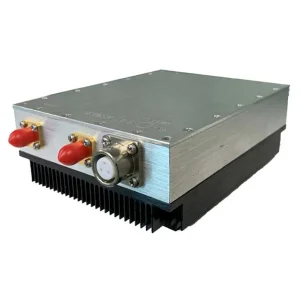
Custom Bi-Directional RF Amplifier for New Zealand
VHF/UHF/L/S/C Band

Custom Bi-Directional RF Amplifier for NZ Marine & Aerospace

High-gain, low-noise figure bi-directional amplifiers designed to extend the range of tactical and commercial radio links in coastal and mountainous regions.

View Specifications
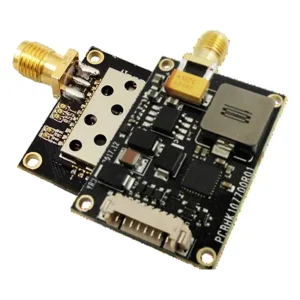
Frequency Hopping Digital Radio for New Zealand SCADA
Anti-Interference

High-Speed Frequency Hopping Digital Radio for NZ SCADA

Ultra-reliable frequency-hopping spread spectrum (FHSS) radio offering robust immunity against interference in dense industrial zones and remote utility sites.

View Specifications
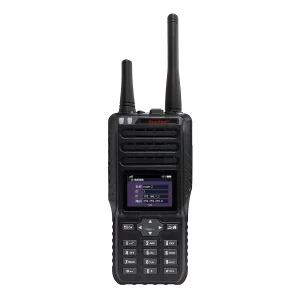
MANET Broadband MESH Handheld for NZ Emergency Services
Ad-Hoc Networking

BEAMmesh Series MANET Handheld for NZ Search & Rescue

Self-forming, self-healing mobile ad-hoc network (MANET) handheld transceiver delivering broadband voice and data without relying on cellular infrastructure.

View Specifications
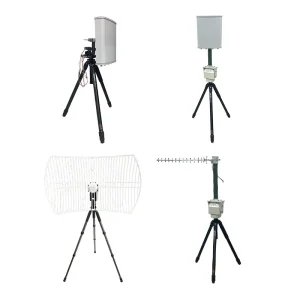
Directional Antenna Tracking Platform for NZ Telemetry
Automatic Tracking

Directional Antenna Tracking Platform for NZ Offshore Links

Servo-controlled automatic tracking platform designed to maintain high-gain directional antenna alignment with moving vessels, aircraft, or remote stations.

View Specifications

Addressing New Zealand's Unique Connectivity Challenges

New Zealand's geographical profile—characterized by rugged mountain ranges, vast agricultural plains, and extensive coastlines—presents distinct challenges for industrial communication. From the geothermal energy fields of the Taupō Volcanic Zone to the deep-water marine operations in the Cook Strait, standard commercial wireless networks often fall short in reliability, range, and latency.

As a leading global manufacturer, Shenzhen Huaxiasheng Technology Co., Ltd. specializes in engineering wireless data transmission systems that bridge these gaps. By utilizing advanced technologies such as Frequency Hopping Spread Spectrum (FHSS), COFDM modulation, and Ad-Hoc MESH networking, we provide robust telemetry and SCADA links that remain operational under extreme weather conditions and across non-line-of-sight (NLOS) paths.
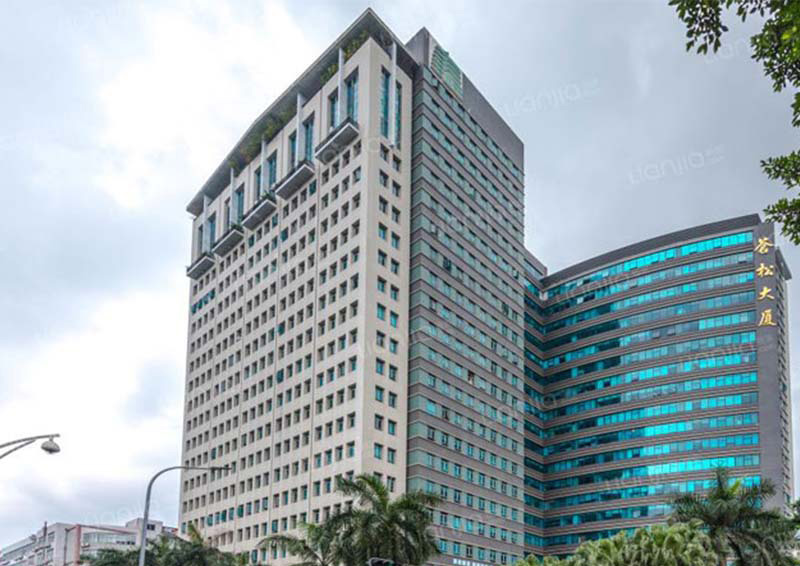
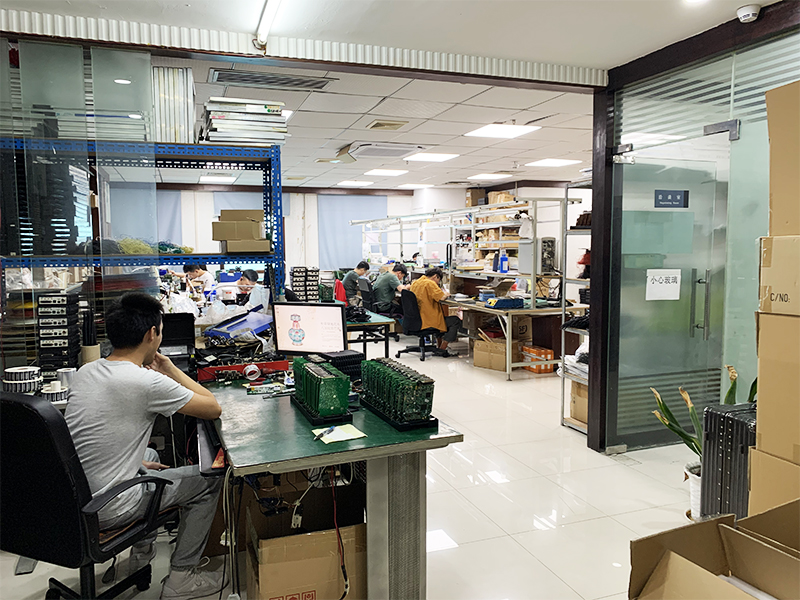
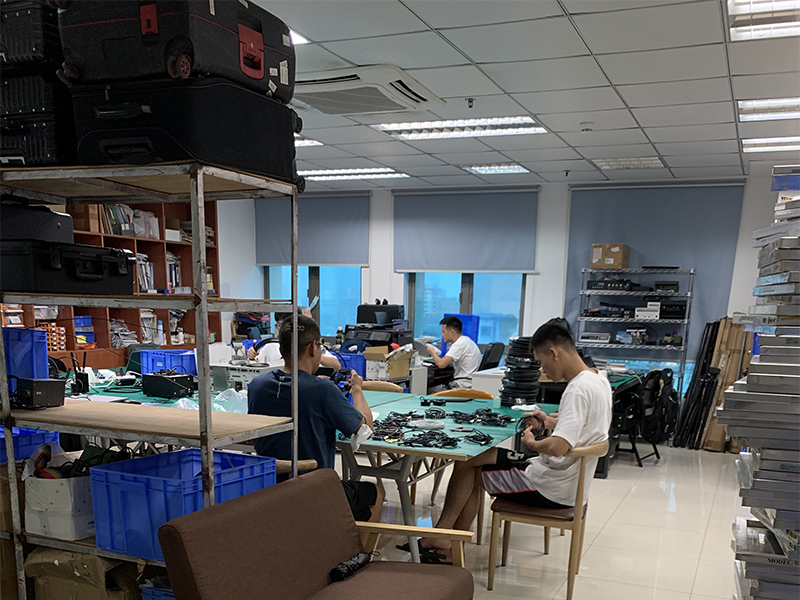
Industrial Wireless Data Transmission Facility

Shenzhen Huaxiasheng Technology Co., Ltd.

A pioneer in wireless data transmission R&D, manufacturing, and network engineering since 1996.

For over two decades, we have dedicated our engineering capabilities to developing world-class wireless communication hardware. By collaborating with leading academic institutions and domestic research centers, we have established a comprehensive portfolio of proprietary technologies. Our products are designed to meet the rigorous demands of industrial automation, remote telemetry, and critical infrastructure monitoring globally.

1996

Established

25+

Years R&D Experience

100+

Proprietary Patents

50+

Countries Served

Tailored Solutions for Local Sectors

How our wireless technologies empower New Zealand's primary and secondary industries.

Smart Agriculture & Agritech

Deploying low-power, long-range LoRa and sub-GHz telemetry modules to monitor soil moisture, automate pivot irrigation systems, and track livestock across expansive Canterbury and Waikato farms.

Utilities, Hydro & Geothermal SCADA

Providing high-reliability, licensed-band digital data radios for real-time SCADA monitoring in remote hydro-generation plants and geothermal fields, ensuring continuous grid stability.

Marine & Coastal Telemetry

Utilizing high-power bi-directional RF amplifiers and tracking antennas to establish robust data links between offshore research vessels, aquaculture farms, and mainland monitoring stations.

UAV & Unmanned Systems

Integrating ultra-low latency HD video codecs and lightweight MESH modules into drones and autonomous ground vehicles for forestry mapping, search and rescue, and border security.

Meeting New Zealand's Regulatory Standards

Operating wireless equipment in New Zealand requires strict adherence to the regulations set by Radio Spectrum Management (RSM). Our R&D team ensures that our digital data radios, MESH systems, and telemetry modules comply with local frequency allocations, including the 915-928 MHz ISM band and specific licensed VHF/UHF bands.

Furthermore, our hardware is designed to withstand the harsh environmental factors of the South Pacific. With options for IP67/IP68 ingress protection, wide operating temperature ranges (-40°C to +85°C), and robust surge protection, our modules deliver uninterrupted performance in high-humidity, salt-spray, and alpine environments.
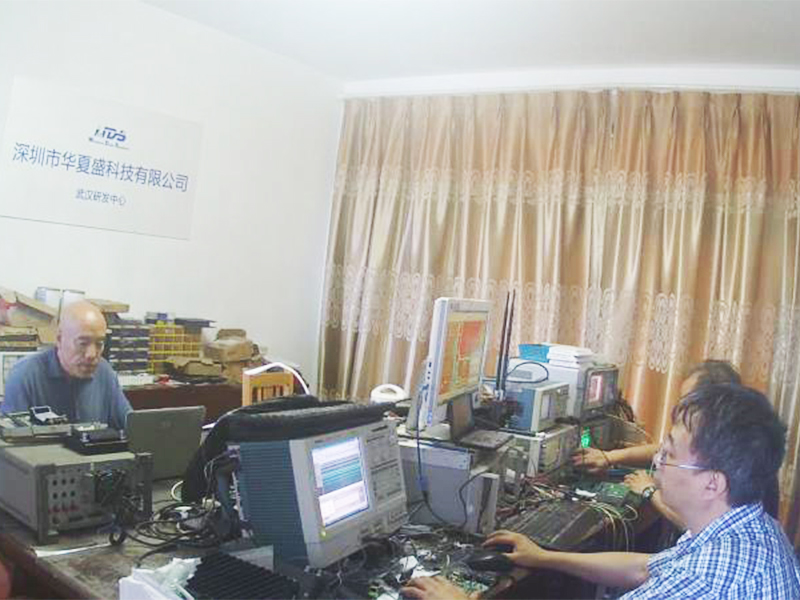
  • RSM Compliant Frequency Configurations (915-928 MHz, VHF, UHF)
  • AS/NZS CISPR 32 & EN 300 328 Electromagnetic Compatibility
  • Ruggedized Aluminum Alloy Enclosures with Anticorrosive Coating
  • Comprehensive Pre-Sales Link Budget Analysis & Path Planning
Download Compliance Certificates
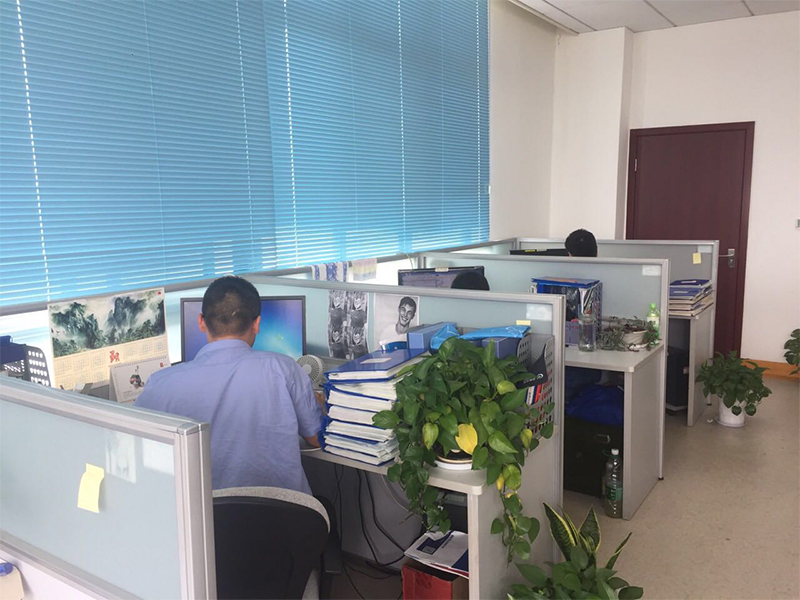
Production Testing RF Laboratory Quality Control Environmental Chamber

Technical Roadmap & Next-Gen Wireless

Pioneering the next generation of software-defined radios and cognitive spectrum access.

Phase 1: Cognitive Radio

Dynamic Spectrum Allocation

Integrating real-time spectrum scanning algorithms to automatically detect and avoid localized interference, ensuring maximum link availability in crowded industrial bands.

Phase 2: Hybrid Networks

LEO Satellite Integration

Developing hybrid gateways that seamlessly switch between terrestrial MESH networks and Low Earth Orbit (LEO) satellite links to guarantee 100% uptime for critical remote assets.

Phase 3: Edge AI

Intelligent Packet Routing

Implementing lightweight machine learning models directly on the radio firmware to optimize data packet routing dynamically across large-scale, mobile ad-hoc networks.

Comprehensive Wireless Hardware Portfolio

Explore our extensive range of industrial-grade transceivers, modems, and network gateways.
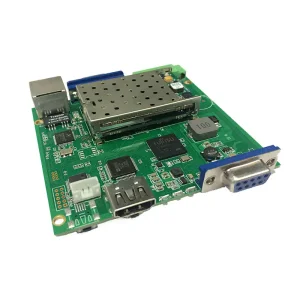
Low-latency HD Video Codec Board for NZ UAVs
Ultra-Low Latency

HD Video Codec Board for NZ Unmanned Systems

1080P high-definition video and bidirectional multi-channel data link board designed for real-time drone and robotic control.

View Specifications
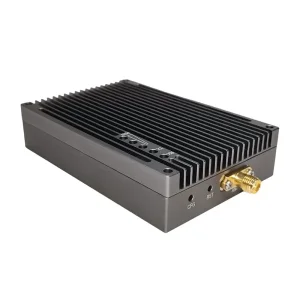
Mesh900 Wireless Data Voice Transmission for NZ
900MHz Band

Mesh900 (P900) Micro Wireless Data Link for NZ Agritech

Ultra-compact, low-cost wireless data and voice transmission module optimized for integration into localized sensor networks.

View Specifications
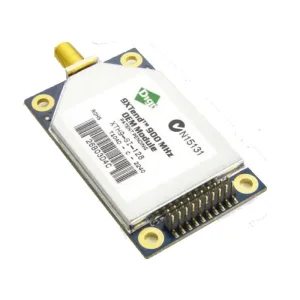
FGR2 & NANO Frequency Hopping Radio for NZ
High-Speed FHSS

FGR2 & NANO High-Speed Radio Modules for NZ Smart Grid

Industrial-grade frequency-hopping modules providing secure, high-speed serial and Ethernet data transmission over long distances.

View Specifications
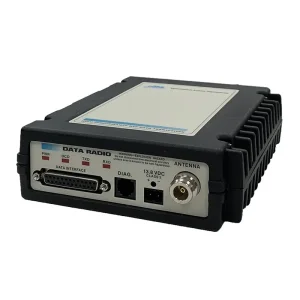
SCADA Digital Data Radio for NZ Utilities
SCADA Optimized

Custom SCADA Digital Data Radio for NZ Water & Power

Heavy-duty telemetry radio engineered for critical infrastructure monitoring, offering seamless integration with standard RTUs and PLCs.

View Specifications
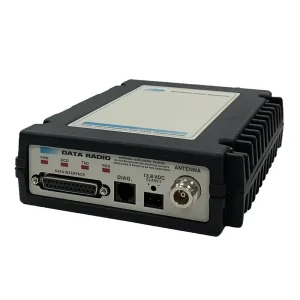
Smart Data Radio & TRX Series for NZ Industry
General Purpose

Smart DATA & TRX Series Modules for NZ Industrial IoT

Versatile, plug-and-play wireless transceiver modules designed for rapid integration into factory automation and remote monitoring systems.

View Specifications
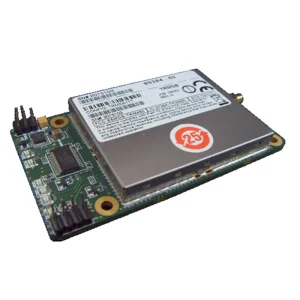
LoRaData Low-Speed Long-Distance Radio for NZ
LoRa Technology

LoRaData Long-Range Radio for NZ Environmental Monitoring

Ultra-low-power, long-distance data transmission radio ideal for remote weather stations, forestry telemetry, and agricultural sensors.

View Specifications
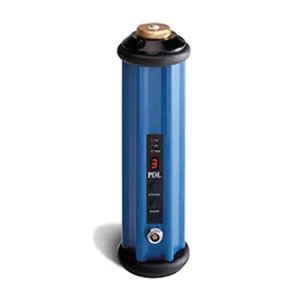
GNSS/RTK Wireless Data Link for NZ Surveying
High Precision

GNSS/RTK Wireless Data Link for NZ Geomatics & Surveying

High-performance, high-stability radio link specifically tailored to deliver centimeter-level accuracy for RTK surveying and mapping.

View Specifications
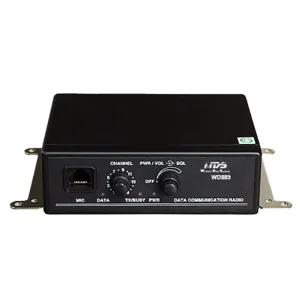
Multi-Channel FM Transceiver for NZ Telemetry
FM Modulation

WD889/WD250 Multi-Channel FM Transceiver for NZ Local Links

High-quality multi-channel FM wireless modem offering reliable voice and data transmission for local industrial networks.

View Specifications

Frequently Asked Questions

Expert insights into industrial wireless data transmission systems and New Zealand deployment.

1. What frequency bands are optimized for industrial wireless transmission in New Zealand?
In New Zealand, the Radio Spectrum Management (RSM) designates specific bands for industrial, scientific, and medical (ISM) use. The 915-928 MHz band is highly popular for long-range, low-power telemetry (such as LoRa and Mesh900) because it offers excellent propagation characteristics through vegetation and obstacles compared to 2.4 GHz. For high-reliability SCADA and critical infrastructure, licensed VHF (138-174 MHz) and UHF (400-470 MHz) bands are recommended to prevent interference from public networks.
2. How does Frequency Hopping Spread Spectrum (FHSS) mitigate interference?
FHSS technology works by rapidly switching the carrier frequency among many distinct channels within a designated band, following a pseudo-random sequence known to both the transmitter and receiver. If interference occurs on a specific channel, the radio packet is simply retransmitted on the next hop. This makes our high-speed digital radios exceptionally resilient against narrowband interference, multi-path fading, and signal jamming in dense industrial environments.
3. Can your MESH networks operate reliably in dense forestry or mountainous terrains?
Yes. Our Mobile Ad-Hoc Networks (MANET) and BEAMmesh series are designed precisely for non-line-of-sight (NLOS) and dynamic environments. In a MESH network, every node acts as a repeater. If a direct path is blocked by a hill or dense forest canopy, the data packet automatically hops through neighboring nodes to reach its destination. This self-healing capability ensures continuous communication for forestry operations and search and rescue teams.
4. What is the latency profile of your HD video codec boards for unmanned systems?
Our custom network HD video codec boards utilize optimized H.264/H.265 compression algorithms coupled with proprietary transmission protocols to achieve glass-to-glass latency as low as 50ms to 120ms. This ultra-low latency is critical for real-time piloting of Unmanned Aerial Vehicles (UAVs) and remote operation of heavy machinery in mining or forestry sectors.
5. How do you ensure compliance with New Zealand's RSM regulations?
We work closely with local engineering partners and test laboratories to pre-configure our hardware's RF output power, bandwidth, and spectral mask to comply with the General User Radio Licences (GURL) issued by the RSM. We also provide software tools that allow network administrators to lock the operating frequencies and power levels to ensure compliance with AS/NZS standards.
6. What is the maximum transmission range of the GNSS/RTK data links?
Under optimal line-of-sight conditions, our high-performance GNSS/RTK wireless data links can achieve reliable transmission ranges of up to 15 to 20 kilometers. In challenging environments with moderate terrain obstruction, the range typically spans 5 to 10 kilometers. The integration of high-gain antennas and bi-directional RF amplifiers can further extend this range.
7. How do your bi-directional RF amplifiers handle thermal dissipation?
Our bi-directional RF amplifiers (BiAMP series) are housed in precision-machined aluminum enclosures featuring integrated cooling fins. For continuous-duty applications, we incorporate automatic thermal shutdown protection and high-efficiency solid-state power amplifiers (LDMOS/GaN) that minimize heat generation while maintaining high linearity and gain.
8. What level of customization do you offer for SCADA systems in geothermal power plants?
We provide full hardware and firmware customization. This includes custom frequency tuning to match specific licensed channels, integration of specialized industrial protocols (Modbus, DNP3, IEC 60870-5-104), and ruggedized enclosures designed to resist corrosive gases (such as hydrogen sulfide) commonly found in geothermal environments.
9. How does the BEAMmesh series handle dynamic node joining and leaving?
Our MESH routing protocol is fully decentralized and dynamic. When a new node comes within range, it is automatically discovered and integrated into the network topology routing table within milliseconds. Similarly, if a node drops out due to distance or obstruction, the remaining nodes instantly recalculate alternative paths, ensuring zero dropped packets for the rest of the network.
10. What is the typical lead time and support structure for New Zealand-based buyers?
Standard product orders are typically dispatched within 2 to 3 weeks from our manufacturing facility. For customized solutions, the lead time ranges from 4 to 8 weeks depending on the complexity of the RF engineering. We offer comprehensive remote technical support, including link budget calculations, antenna placement recommendations, and firmware configuration assistance via video conference and email.

Ready to Optimize Your Wireless Infrastructure?

Contact our senior RF engineering team today to discuss your project requirements, request a quote, or schedule a technical consultation.
Send Inquiry Now Contact Engineering