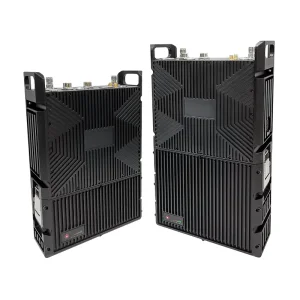
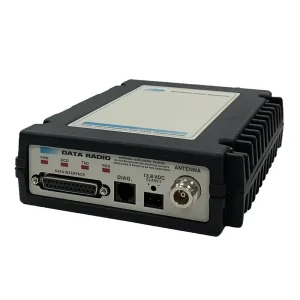
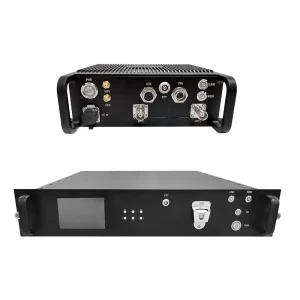
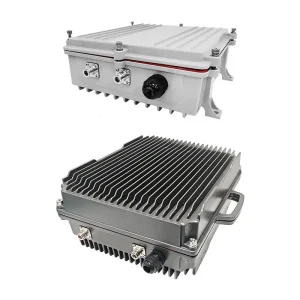
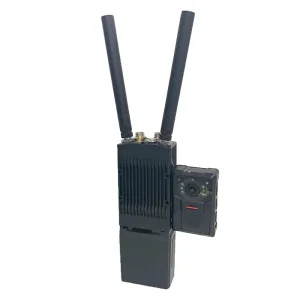
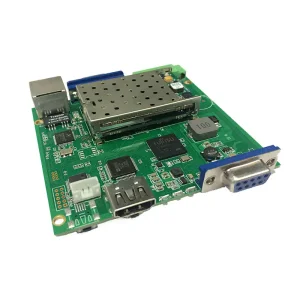
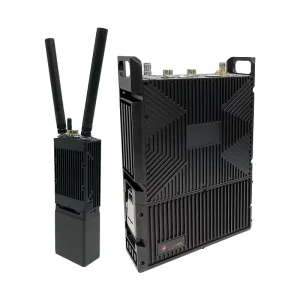
High-performance wireless transceivers, robust ad-hoc self-organizing nodes, and customizable low-latency modules engineered for mission-critical deployments.
In the era of dynamic digitalization and automated industrial systems, high-reliability wireless data links represent the central nervous system of global mission-critical infrastructure. Industries ranging from unmanned aviation (UAVs, eVTOLs) and maritime autonomous surface vessels (USVs) to smart grid energy distributions and precision mining robotics demand communication topologies capable of operating with near-zero latency, robust anti-jamming protection, and self-repairing architectures.
Standard consumer-grade wireless networks such as conventional Wi-Fi and generic cellular systems struggle under intense electronic interference, non-line-of-sight (NLOS) topologies, and extreme physical environments. In tactical operations, search and rescue zones, and high-voltage electrical installations, link failure is not merely an inconvenience—it represents catastrophic infrastructure breakdown. A critical challenge for modern systems design engineers is overcoming signal fading, multipath interference, and dynamic link degradation in real time.
This is where Shenzhen Huaxiasheng Technology Co., Ltd. (HXS) steps in. Established in 1996, HXS has dedicated nearly three decades to developing proprietary tactical-grade Ad-Hoc networks (MANET), COFDM broadband mesh transceivers, and ruggedized digital radio modems. Through continuous academic collaborations with leading domestic research institutes and universities, HXS provides customizable, military-hardened data link hardware designed to withstand severe deployment challenges worldwide.
Traditionally, industrial deployments relied on strict Point-to-Point (P2P) or Point-to-Multipoint (P2MP) topologies. When a line-of-sight obstruction occurs—such as a building, high-voltage pylon, or rocky cliff—the connection breaks entirely. Mobile Ad-Hoc Networks (MANET) revolutionize this dynamic. By utilizing every active terminal node as a smart repeater, signals dynamically route around obstacles. If a node is destroyed or disconnected, the remaining network automatically converges and recalculates alternative routing paths within milliseconds, preserving data link integrity.
Since 1996, Shenzhen Huaxiasheng Technology Co., Ltd. has stood at the forefront of wireless data transmission systems, network engineering, and complex product development. Driven by specialized research, we engineer industry-defining solutions according to the application characteristics of different fields, relying on the robust capabilities of famous domestic universities and national research institutes.
Whether in remote gas fields, complex railway intersections, high-altitude UAV operations, or precision robotics, our proprietary technology ensures stable, ultra-long-range connectivity under strict regulatory and environmental parameters.
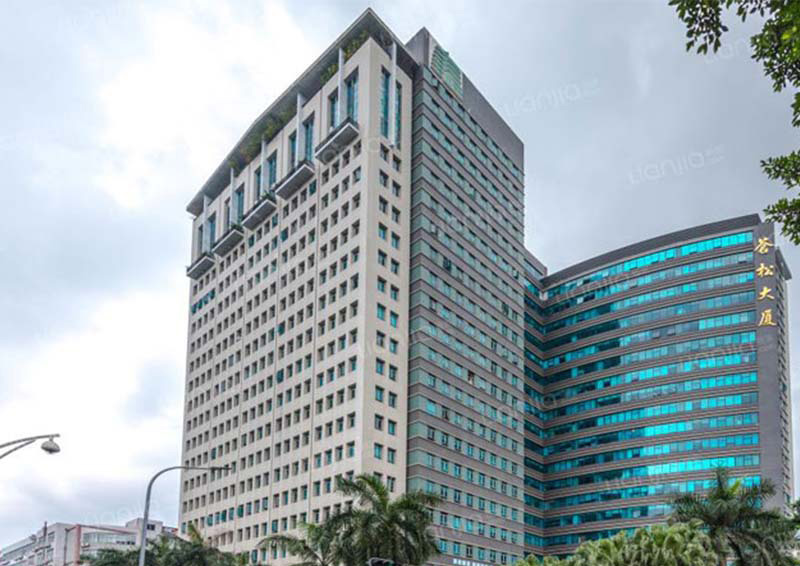
As a leading communication equipment developer in the MESH self-organizing network industry, Shenzhen Huaxiasheng Technology Co., Ltd. provides robust, multi-band, long-range products with leading performance, high transmission rates, and aggressive anti-interference configurations.
Our commitment extends beyond engineering state-of-the-art transceiver hardware. We deliver comprehensive pre-sales system architecture consulting, custom spectrum analysis, link budget calculations, and real-time field deployment support to guarantee safe operational integration.
Delivering high-quality, reasonably priced digital products and perfect service infrastructure underpins our market leadership. Continuous active pioneering and technological evolution empower us to drive industrial automation and robotics communication frontiers.
To establish unwavering reliability, HXS integrates multiple signal optimization technologies inside our hardware architectures. The system relies on key pillars to maintain high throughput even in intense multi-path fading environments:
| Parameter Class | MIMOmesh Series Specs | DDLmesh Series Specs | LoRaData Series Specs |
|---|---|---|---|
| Primary Application | High-bandwidth mobile tactical ad-hoc mesh | Ultra-long distance low-latency HD video links | Low-speed, long-distance sensor telemetry |
| Frequency Ranges | 300MHz – 6.0GHz (Customizable) | 800MHz / 1.4GHz / 2.4GHz Band options | 433MHz / 868MHz / 915MHz ISM |
| Maximum Throughput | Up to 100 Mbps dynamic adaptive | Up to 30 Mbps high-speed streaming | Up to 250 kbps telemetry optimized |
| Latency Profile | < 10 ms network node transition | Sub-150ms end-to-end (1080P codec integrated) | < 50 ms burst packet rate |
| Deployment Distance | Ground-to-Ground: 5-10km; Air-to-Ground: 30km+ | Ground-to-Ground: 10km+; Air-to-Ground: 50-100km | Line of sight: 15-20km deep rural |
Our ad-hoc routing layer utilizes dynamic, proactive, and reactive link assessment algorithms. Instead of relying on static hop metrics, HXS modules monitor Signal-to-Noise Ratio (SNR), Error Vector Magnitude (EVM), and Packet Loss Ratio (PLR) on a frame-by-frame basis. If an aerial drone maneuvers behind a concrete obstruction, the network automatically decreases QAM modulation depth (e.g., from 64QAM down to BPSK) to prioritize link survivability over raw throughput, ensuring control lines never drop.
Every operational environment presents unique RF problems. A solution configured for offshore gas rigs will fail if deployed in subterranean subways. By matching specific transceiver profiles to environmental demands, we optimize performance across various industries:
In autonomous aviation and drone swarming applications, weight, power draw, and physical range are critical parameters. The DDLmesh Series serves as an ideal solution by integrating an ultra-lightweight COFDM transceiver with a 1080P hardware codec. This allows real-time thermal imaging, mapping metadata, and telemetry parameters to stream reliably over 50km from high-altitude survey aircraft down to base ground stations.
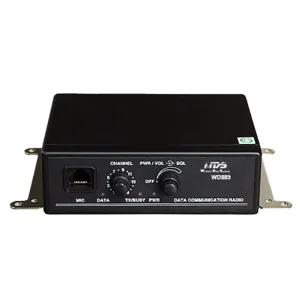
High-voltage power substations, oil pipelines, and municipal water grids spread across vast geological environments require constant low-speed sensor monitoring. The LoRaData and TRX/WD889 platforms provide narrow-band, high-receiver-sensitivity links that pass through foliage and landscape structures, operating for years with low power footprints.
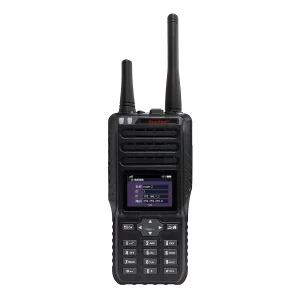
When natural disasters disable local cellular networks, search and rescue personnel must establish immediate local communications. The BEAMmesh Handheld and MIMOmesh Backpack units form an ad-hoc local mesh immediately upon power-up. This setup enables personnel in collapsed buildings, underground parking lots, or remote forests to stream bidirectional audio and tactical tracking data back to mobile command centers.
HXS also focuses on localized frequency tuning. In the United States, operations conform to FCC Part 15 and Part 90 regulations, using the 902-928MHz ISM band or licensed public safety frequencies. In Europe, systems conform to ETSI standards utilizing 868MHz or designated UHF bands. Our hardware is engineered with highly customizable software-defined radio (SDR) platforms, allowing operators to change operational bands via software profiles to ensure compliance with local radio authorities.
As the industrial sector transitions toward fully autonomous robotic operations, wireless data link capabilities must evolve in lockstep. The next generation of HXS products focuses on three core pillars:
Our production facilities maintain strict adherence to ISO 9001:2015 quality standards. Every digital board undergoes automated optical inspection (AOI), high-temperature stress chamber testing, and RF calibration before shipping. This focus on reliability ensures our systems withstand the intense vibration of heavy drilling gear, sub-zero arctic environments, and tropical marine humidity.
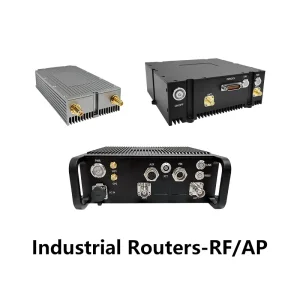
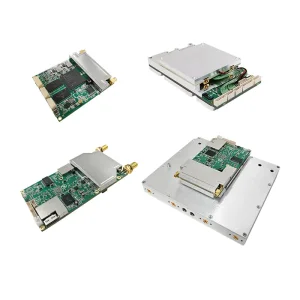
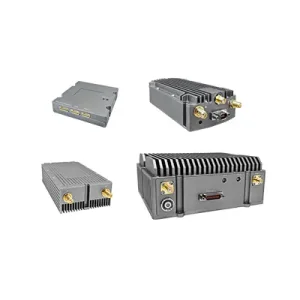
Industrial routers, airborne data links, HD video codec boards, and frequency-hopping digital transceivers built for challenging physical and electromagnetic environments.
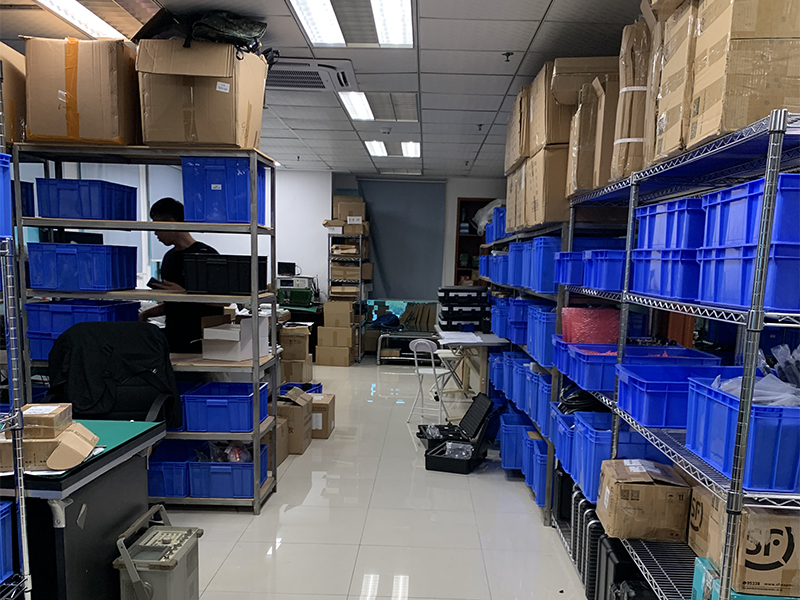
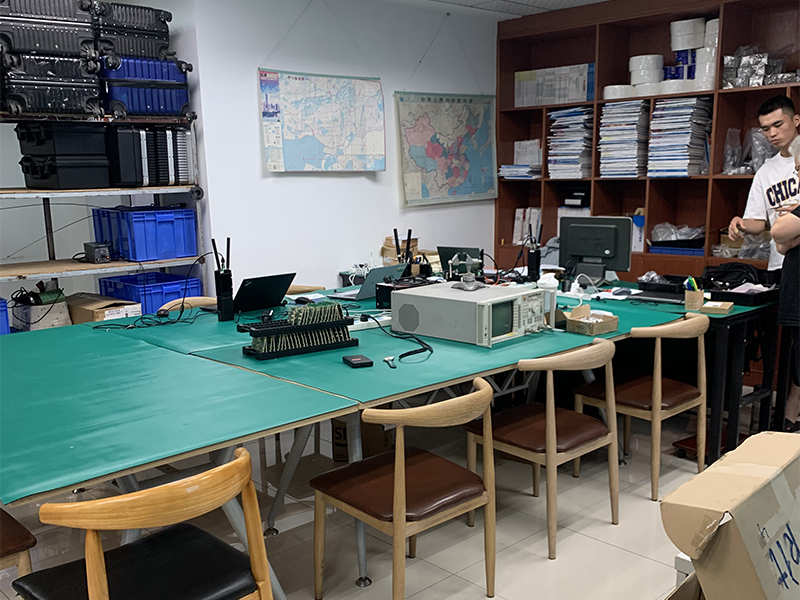
From state-of-the-art SMT production lines to extreme outdoor field tests, HXS ensures flawless operation in every environment.
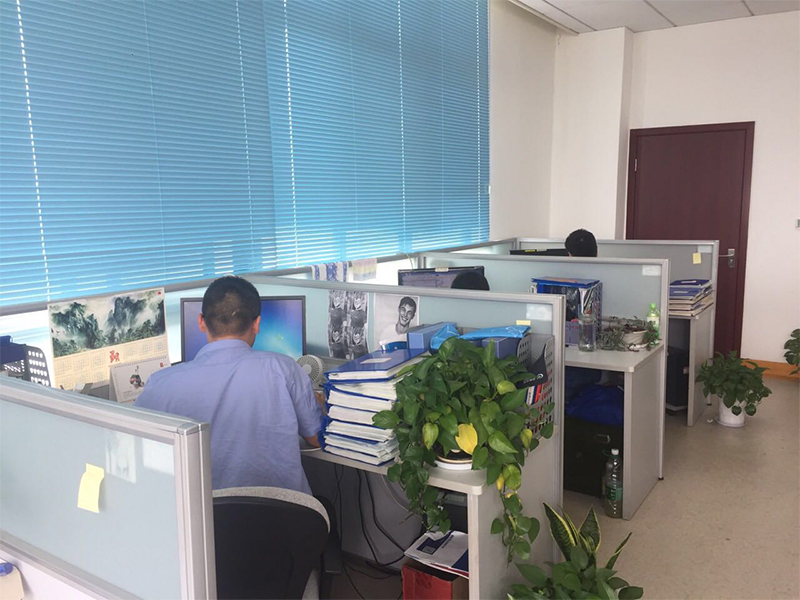
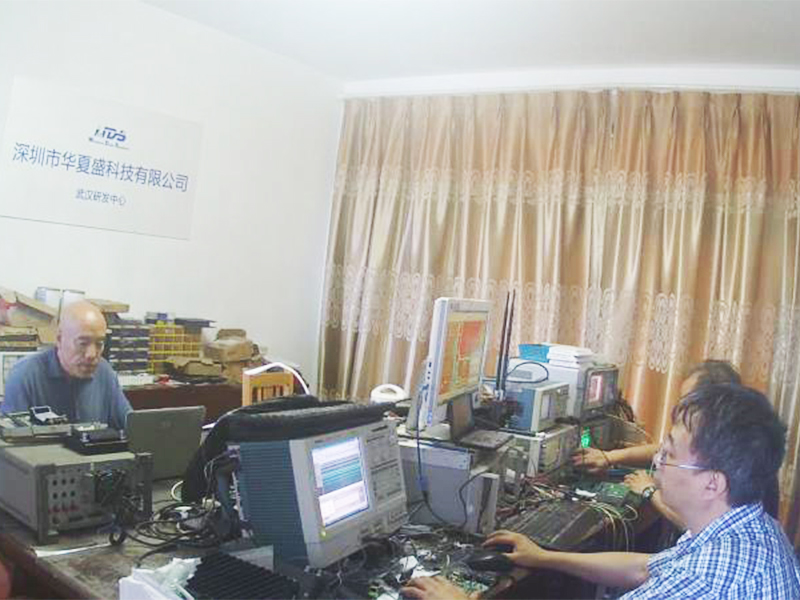
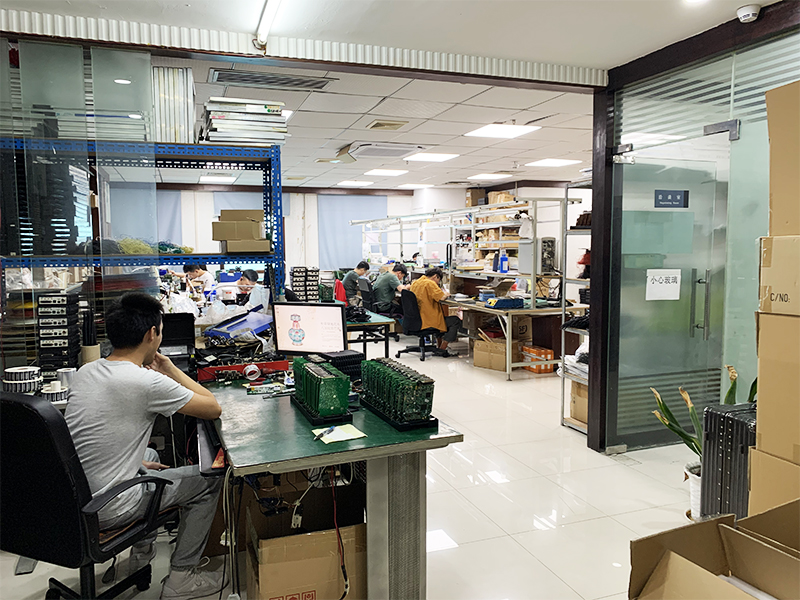
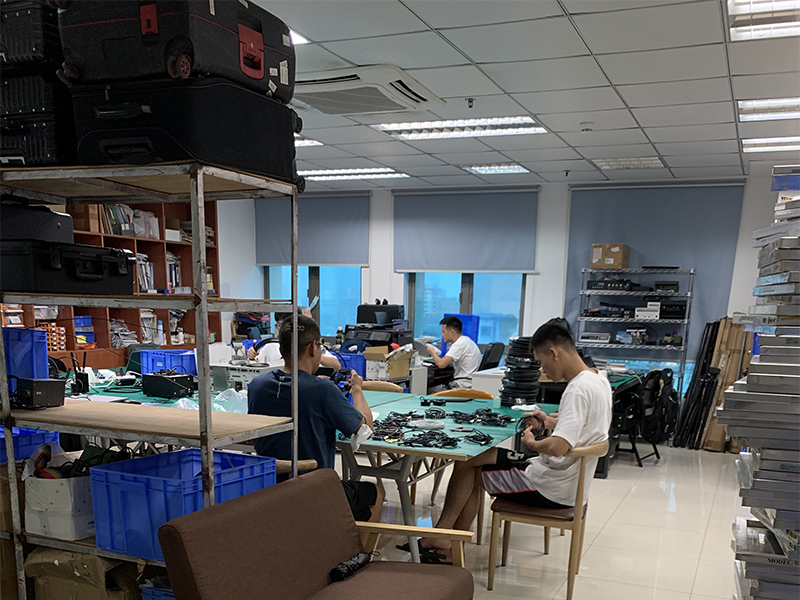
Insights from our senior RF design engineers and system architects to help you optimize and troubleshoot your wireless data links.
A1: Standard Wi-Fi struggles with multipath interference in non-line-of-sight (NLOS) conditions. In contrast, Coded Orthogonal Frequency Division Multiplexing (COFDM) divides data across hundreds of subcarrier frequencies. This enables the signal to reflect off structures and re-converge at the receiver without losing data integrity, which is essential for low-altitude drone systems operating around buildings or hills.
A2: Our MANET systems do not rely on a central master node. Instead, every terminal operates as an intelligent router. If one terminal goes offline, the surrounding nodes automatically detect the loss of signal, update their routing tables, and reroute data packets through alternate paths within milliseconds, preventing network failure.
A3: Practical distance is calculated using the Free Space Path Loss (FSPL) equation, receiver sensitivity limits, and antenna gains. Under clear line-of-sight (LOS) conditions, our 1.4GHz DDLmesh systems routinely maintain high-definition video connections over 50km at 10W EIRP. However, ground-to-ground distances are typically shorter due to signal refraction off trees, buildings, and ground terrain.
A4: Yes. All HXS wireless platforms are built on Software-Defined Radio (SDR) architectures. This allows us to calibrate modules for different frequency bands—such as 300MHz, 900MHz, 1.4GHz, 2.4GHz, or 5.8GHz—enabling compliance with local regulatory requirements like FCC, ETSI, or SRRC.
A5: We combine low-latency H.264/H.265 hardware codec boards with highly optimized physical layer network protocols. By bypassing heavy operating system network layers and streaming raw video frames directly via UDP, we reduce end-to-end latency to sub-150 milliseconds.
A6: Our systems feature fast, adaptive Frequency Hopping Spread Spectrum (FHSS) and dynamic channel selection. If a signal jammer blocks a specific frequency, the transceiver detects the interference and dynamically shifts to clear spectrum bands with zero connection drop.
A7: Yes. Our industrial products feature ruggedized aluminum-alloy enclosures rated for IP67 or IP68 protection, allowing them to withstand dust and water immersion. Internal components are rated for temperatures ranging from -40°C to +85°C, ensuring reliable operation in harsh climates.
A8: MIMO (Multiple-Input Multiple-Output) uses multiple antennas to transmit independent data streams simultaneously. In built-up urban environments, these signals bounce off walls and structures. MIMO systems utilize these reflections to reconstruct the signal at the receiver, maintaining higher throughput than standard single-antenna systems.
 Sinosun Tech