In today's interconnected world, an effective internet connection is essential. An IP Wireless Mesh System provides seamless coverage and flexibility for various environments. With multiple access points, these systems eliminate dead zones. They are ideal for homes, offices, and outdoor spaces.
When choosing a mesh system, buyers often face confusion. The market offers numerous options, each with unique features. This can make decision-making challenging. It's crucial to consider factors like range, speed, and device compatibility. While many systems promise convenience, not all deliver.
In this guide, we explore the top five IP Wireless Mesh System options for global buyers. Our selections are based on real user experiences and expert recommendations. We aim to provide a balanced view, showcasing both strengths and weaknesses. This helps buyers make informed decisions that align with their needs.
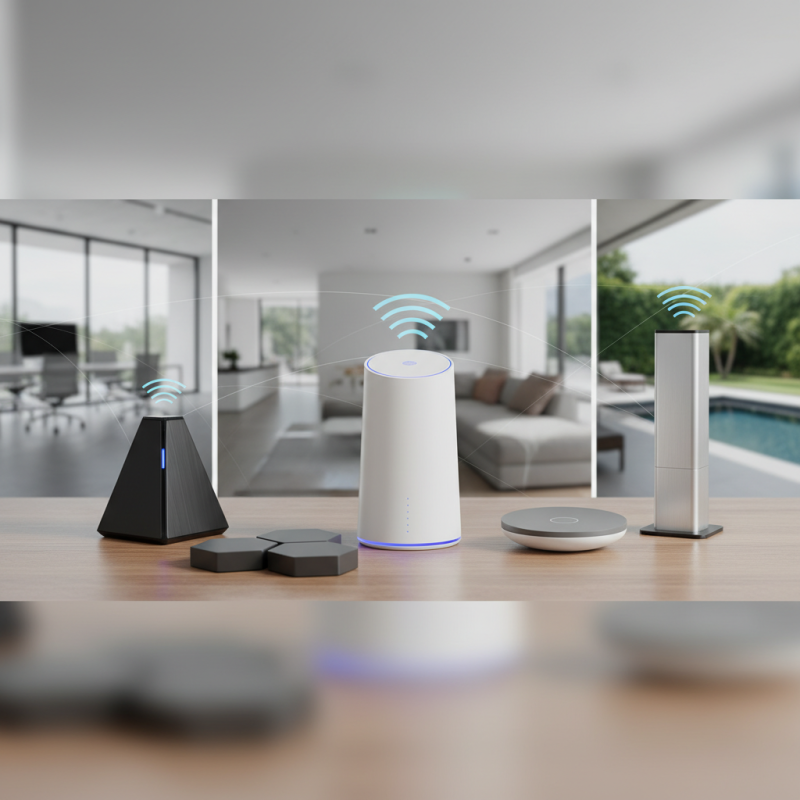
IP wireless mesh systems offer several advantages for connectivity, making them ideal for various environments. One key benefit is their ability to blanket large areas with a reliable internet signal. Unlike traditional routers, mesh systems use multiple nodes that communicate with each other, ensuring consistent coverage. This is particularly useful in buildings with thick walls or expansive outdoor spaces.
Speed is another advantage. Mesh networks can provide faster internet access by distributing the connection evenly across all nodes. This can significantly reduce dead zones, resulting in a smoother user experience. However, one must consider that not all mesh systems are equal. Some may experience speed drops as more devices connect. Understanding your needs before installation is essential.
Tips: When selecting a system, evaluate the size of your space and the number of devices you use. Conduct signal tests to identify weak spots. Additionally, position nodes wisely. Avoid placing them behind solid obstacles to maximize coverage. Learning about your specific environment can lead to better performance. Regularly update firmware to maintain security and efficiency.
| Option | Coverage Area | Max Speed | Device Limit | Ease of Setup | Price Range |
|---|---|---|---|---|---|
| Model A | 2,500 sq ft | 1.2 Gbps | 50 devices | Easy | $150 - $200 |
| Model B | 3,000 sq ft | 1.5 Gbps | 100 devices | Moderate | $200 - $300 |
| Model C | 4,000 sq ft | 2.0 Gbps | 75 devices | Difficult | $300 - $400 |
| Model D | 1,800 sq ft | 900 Mbps | 25 devices | Easy | $100 - $150 |
| Model E | 2,200 sq ft | 1.0 Gbps | 40 devices | Moderate | $120 - $180 |
When selecting a wireless mesh system, there are several key features to consider. Coverage area is one of the top priorities. Ensure the system can cover the size of your home or office effectively. More nodes usually mean better coverage. However, more nodes also require more planning for optimal placement. It’s essential to find a balance that works for your layout.
Speed and bandwidth are crucial as well. Choose a system that meets your internet usage needs. Streaming, gaming, and telecommuting require different bandwidth levels. Check the specifications carefully. If your activities are demanding, opt for a higher-performance system. It can prevent frustration during peak usage times.
Tips: Pay attention to security features. A good mesh system should have robust encryption standards to protect your network. Avoid systems with outdated security. Additionally, consider user-friendly management interfaces. Systems that offer easy-to-navigate apps can save time and reduce stress. Remember, not all systems perform the same in real-world conditions. User reviews can offer valuable insights into any system's reliability and ease of use.
When choosing a wireless mesh system, buyers must consider several key factors. Range, speed, and the number of devices it can support are crucial. Many systems can seamlessly cover large areas. This makes them ideal for homes and offices. Different models offer varying features like parental controls and guest networks.
User experience plays a pivotal role in selecting the right mesh system. Many users report issues with setup and app functionality. A reliable system should provide an intuitive setup process. Security features are equally important. Look for options that offer encryption and easy firmware updates.
Performance should be evaluated based on real-world usage. Some systems excel in download speeds, while others falter with multiple devices connected. A system that promises high speed may not deliver in complex layouts. Testing in various environments can reveal these nuances. Reviewing user feedback often sheds light on potential shortcomings, allowing buyers to make informed decisions.
When considering a wireless mesh system, user feedback plays a critical role. Many buyers report enhanced connectivity throughout their homes. Users appreciate the seamless experience, especially in larger spaces. They often mention how these systems effectively eliminate dead zones. However, some users find initial setup challenging. They wish for clearer instructions to navigate this process.
Reviews reveal varied performance experiences. While many users praise consistent speeds, others note fluctuations during peak usage. Device compatibility is another common concern. Some systems may struggle with specific devices, leading to frustration. Users express a desire for better performance with older gadgets.
Additionally, feedback highlights the importance of customer support. Quick and helpful responses can significantly improve user satisfaction.
In terms of aesthetics, users often remark on the sleek designs of these systems. Many prefer options that blend seamlessly with home decor. However, despite positive features, some users still express doubts. They wonder if the investment is genuinely necessary. Questions about long-term reliability also surface frequently. User experiences reflect a balance between satisfaction and the unpredictability of technology.
The future of wireless mesh technology is evolving rapidly. As this technology gains popularity, buyers must adapt to new trends. One significant trend is the increase in dual-band and tri-band capabilities. These features enhance performance, especially in crowded environments. They allow multiple devices to connect without slowing down the network. Buyers can expect improved speed and efficiency.
Another noteworthy trend is the integration of AI. AI-driven systems can optimize performance by analyzing traffic patterns. This ensures that users get the best possible connection. However, many buyers might find the complexity of AI systems daunting. It raises questions about user accessibility and control.
Security enhancements are crucial as well. With more devices connected, the risk of breaches increases. Future wireless mesh systems will likely offer advanced encryption and automated updates. Yet, the need for ongoing vigilance remains. Buyers must prioritize their network security with these advancements in mind. The landscape is vibrant but requires careful consideration to maximize benefits.
: They provide reliable internet coverage over large areas and reduce dead zones effectively.
It distributes the connection evenly across multiple nodes, enhancing speed and user experience.
No, performance can vary. Some systems may experience speed drops as more devices connect.
Evaluate your space size, number of devices, and conduct signal tests to identify weak spots.
Proper positioning avoids solid obstacles, maximizing coverage and ensuring strong signals throughout the area.
Prioritize coverage area, speed, bandwidth, and security features when selecting a system.
They provide insights into reliability and ease of use based on real-world experiences.
Look for robust encryption standards and avoid systems with outdated security features.
More nodes can improve coverage but require careful planning for optimal placement.
Consider a higher-performance system that suits your internet needs for demanding activities.
The article titled "Top 5 IP Wireless Mesh System Options for Global Buyers" explores the growing popularity of IP Wireless Mesh Systems for enhancing connectivity in various environments. It highlights the advantages of using these systems, such as improved coverage and scalability, making them suitable for both residential and commercial settings. Key features to consider when selecting a wireless mesh system include ease of installation, security protocols, and compatibility with existing devices.
Furthermore, the article provides an overview of the top five IP Wireless Mesh Systems available, offering comparisons based on performance and user satisfaction. User reviews and feedback play a significant role in assessing the effectiveness of these systems, guiding buyers in making informed decisions. Lastly, the article delves into future trends in wireless mesh technology, emphasizing how innovations are likely to shape the market and impact consumer choices in the coming years.

Sinosun Tech